Unlocked: Straw Bale House, the pioneering eco home of Sarah Wigglesworth and Jeremy Till
July 1st, 2026
Film SPILT
Words Holly Nicholas
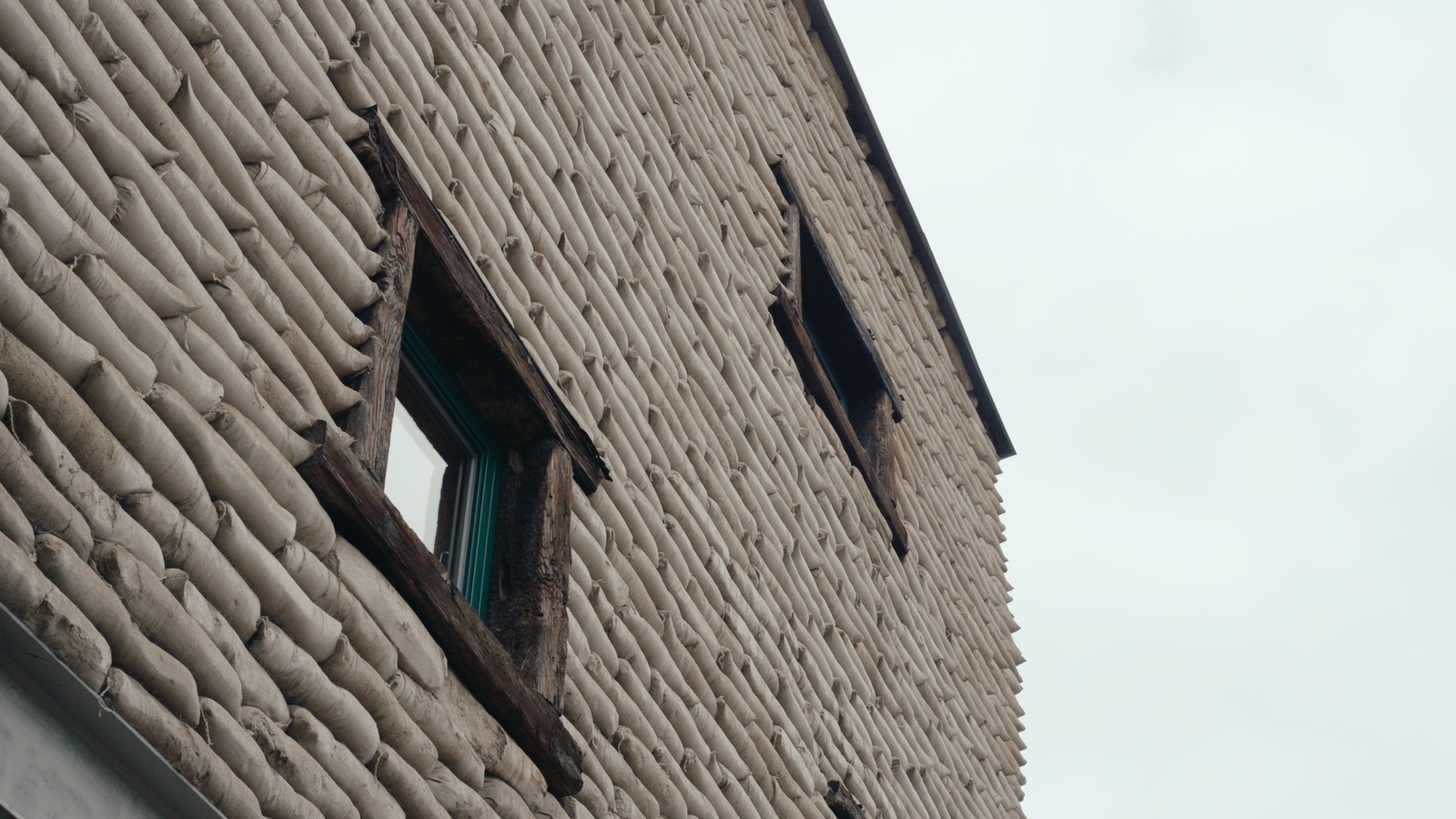
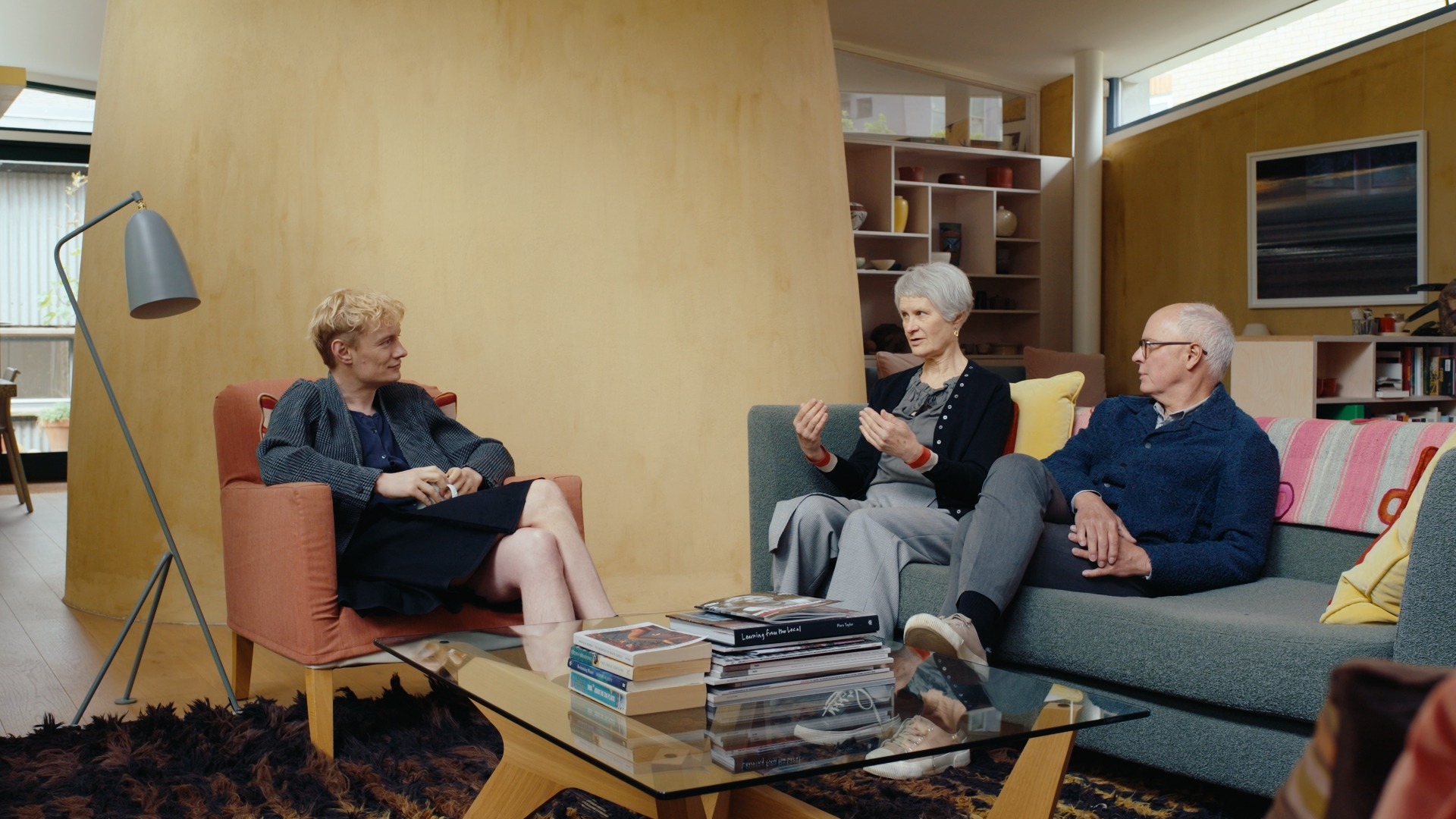
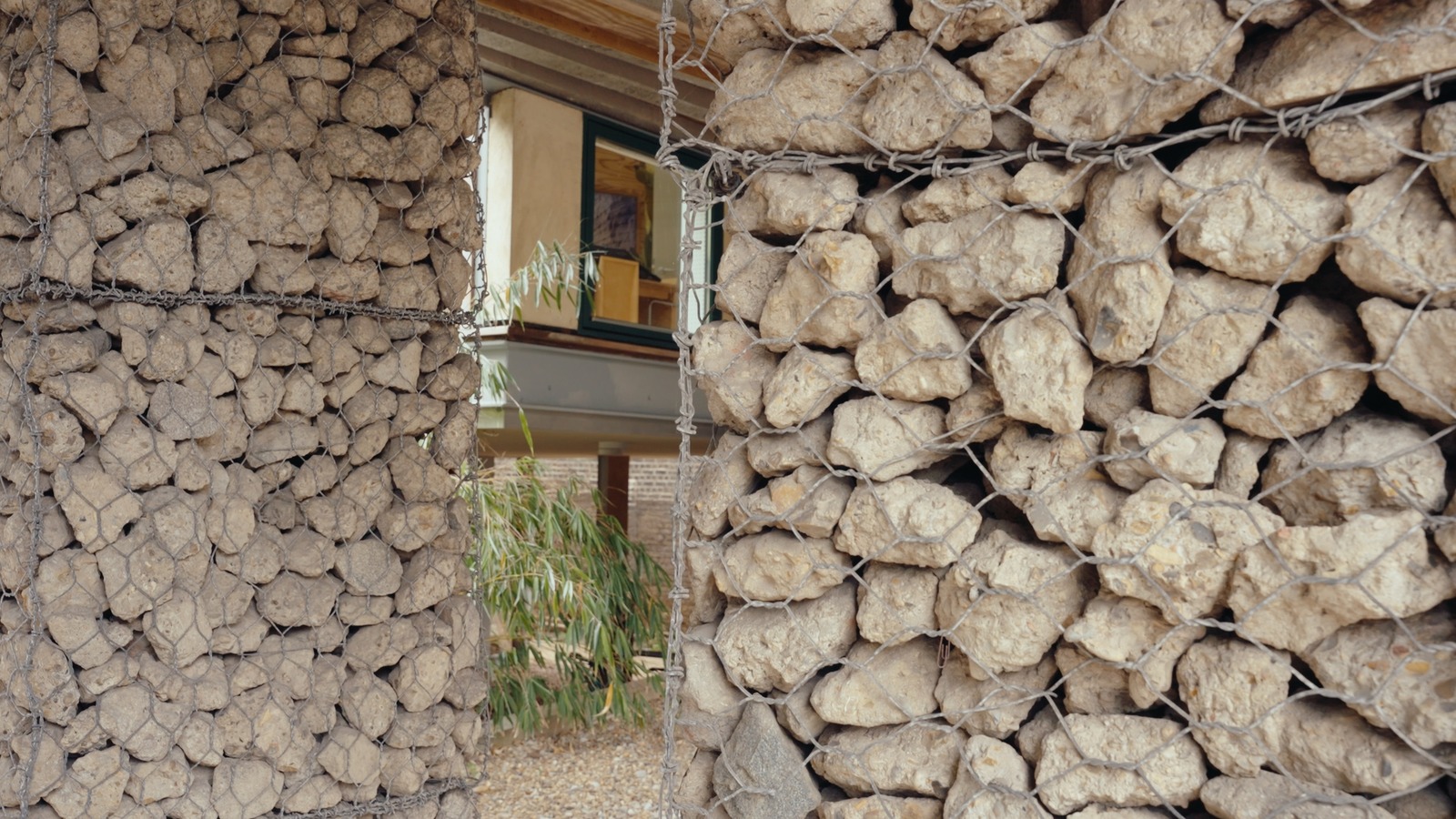
For the latest episode of Unlocked, Phineas Harper visits the iconic Straw Bale House in Islington. Designed in 1995 as a pioneering eco build, the house is known for its distinctive façade, constructed from an idiosyncratic material palette of construction rubble, sandbags and straw bales. In the video, Sarah, Jeremy and Phin discuss the genesis and evolution of the house, the future of eco homes and the fallacy of timeless design.
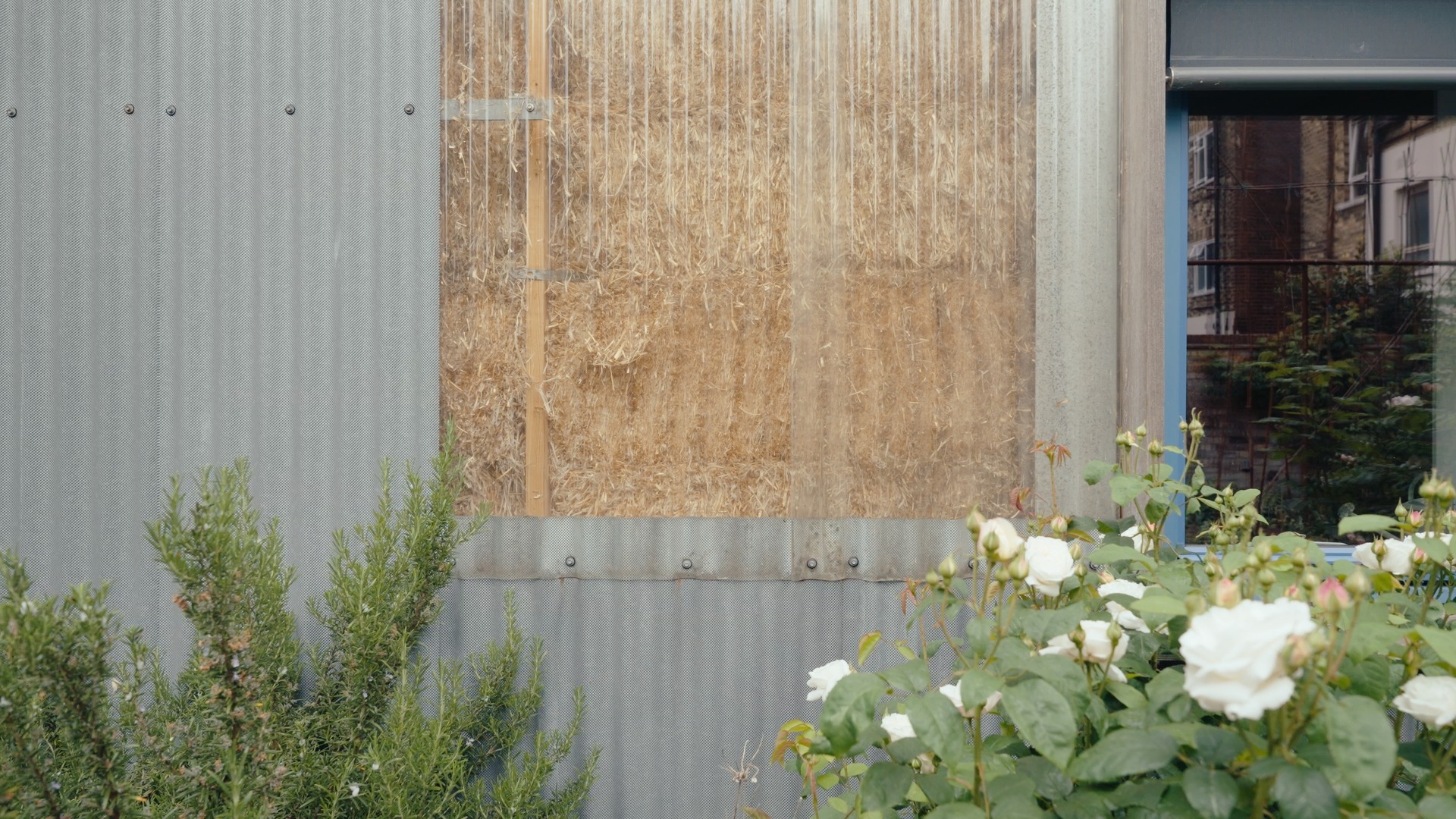
Born out of Sarah and Jeremy’s commitment to green architecture, Straw Bale House was designed at a time when environmentally conscious architecture was in its infancy. An array of unorthodox materials were used in its construction: straw bales served as insulation, structural gabions were formed from construction waste, and a wall of sandbags was installed to dampen noise from the neighbouring railway. Its façade also serves as an antidote to traditional architecture’s pursuit of perfection. Jeremy explains, “Most buildings are designed to be timeless, [with] perfected, shiny surfaces. We wanted a façade which was full of time ...” Sarah agrees, stipulating her need for the building to “accept the passage of time gracefully, weather well, and not need constant maintenance.”
Acceptance of the changing needs of its inhabitants is also vital. In 2018, the house was the subject of a carefully considered retrofit, which saw a range of energy-efficiency improvements, as well the installation of separate accommodation on the ground floor should they one day need a live-in carer. “Future-proofing while you still can” is their prescient message.
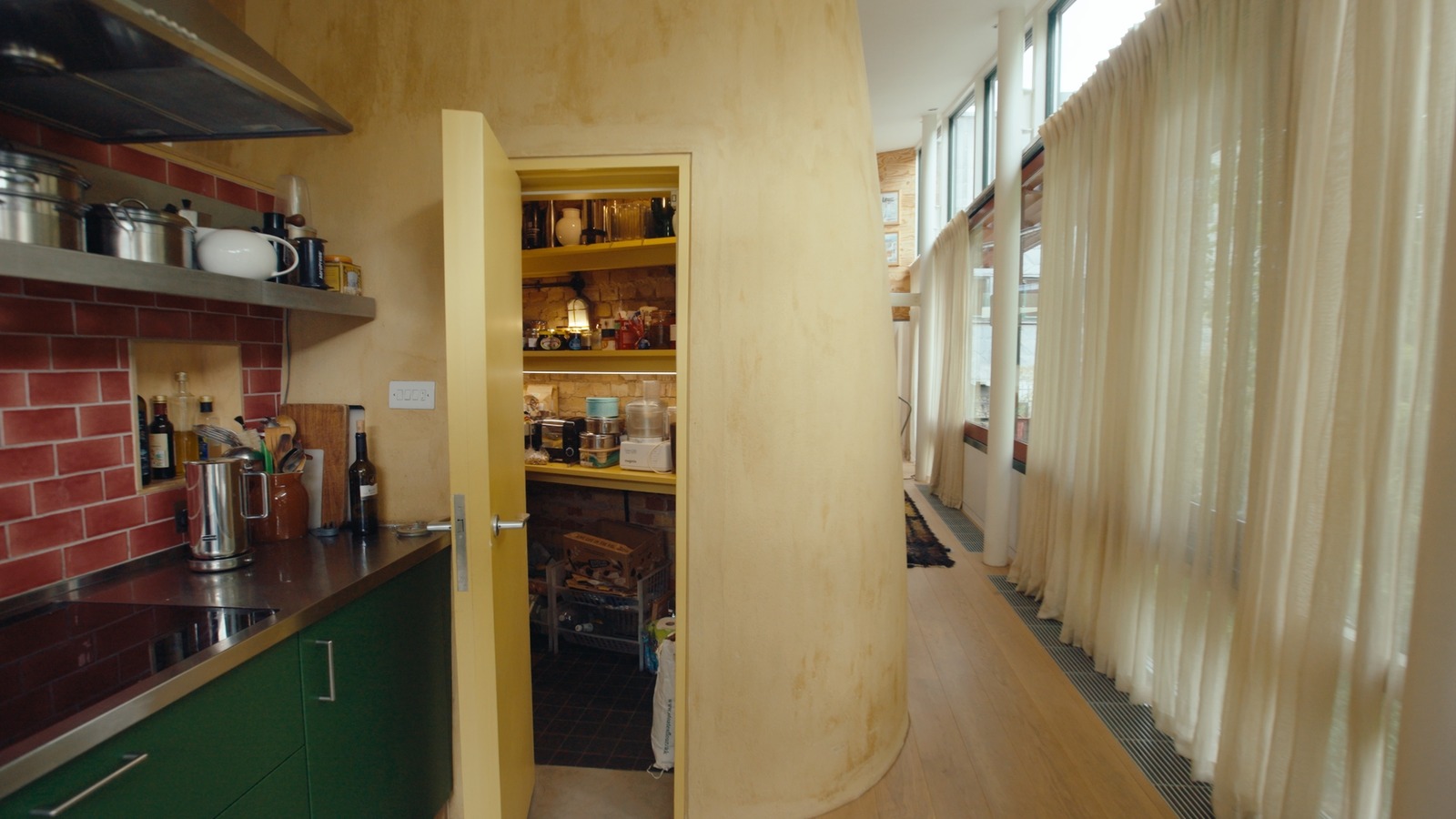
In the episode, Sarah, Jeremy and Phin also discuss the future of energy-efficient homes, and the need for a hybrid approach that incorporates new technologies as well as centuries-old principles of building physics. A key feature of Straw Bale House is the ventilation tower and central cylindrical larder that draw cool air through louvres on the ground level up through the building, expelling hot air: a passive cooling technique inspired by ancient windcatchers found in Iran.
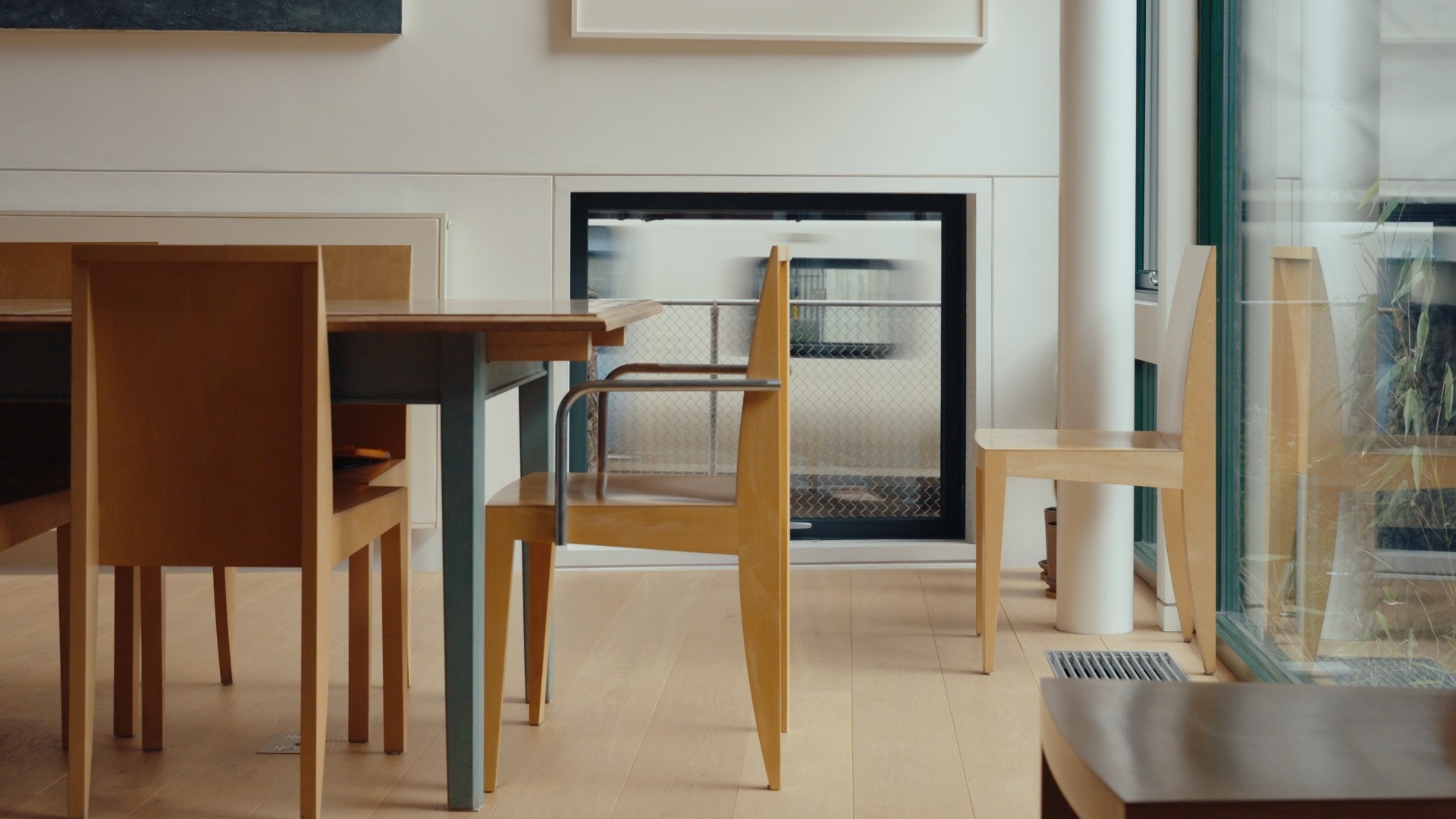
Jeremy summarises, “You shouldn’t deny technical solutions; solar panels, batteries and air source heat pumps are all necessary and obvious things to do. But one has to also look back to the vernacular and see what it meant to build with thick walls, what it meant to have natural ventilation in Iran … There are lots of things to learn from the past.” Sarah agrees, “Basic things about your environment can actually assist, to a very large extent, how your buildings perform. And it seems to me like we need to get back in touch with that.”
If you enjoyed this episode, why not subscribe to our YouTube channel? That way, you’ll never miss an episode.