Casadanza III
Sold
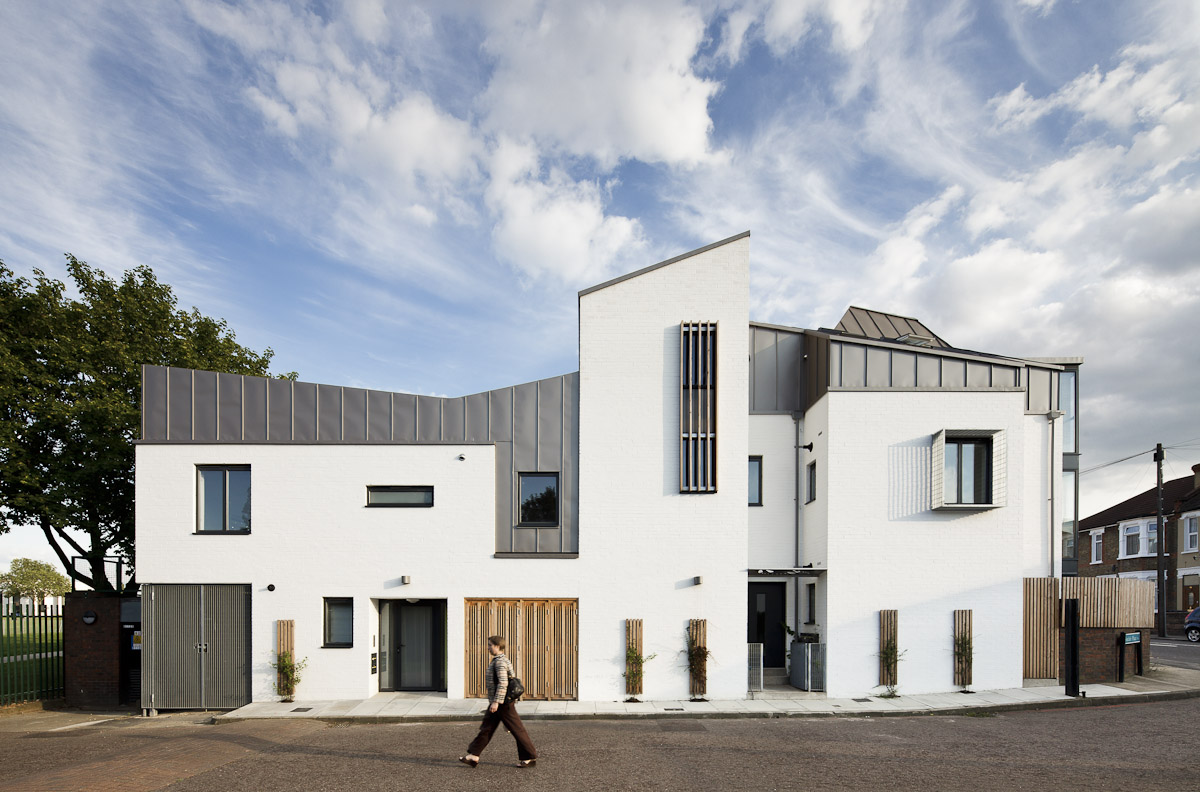


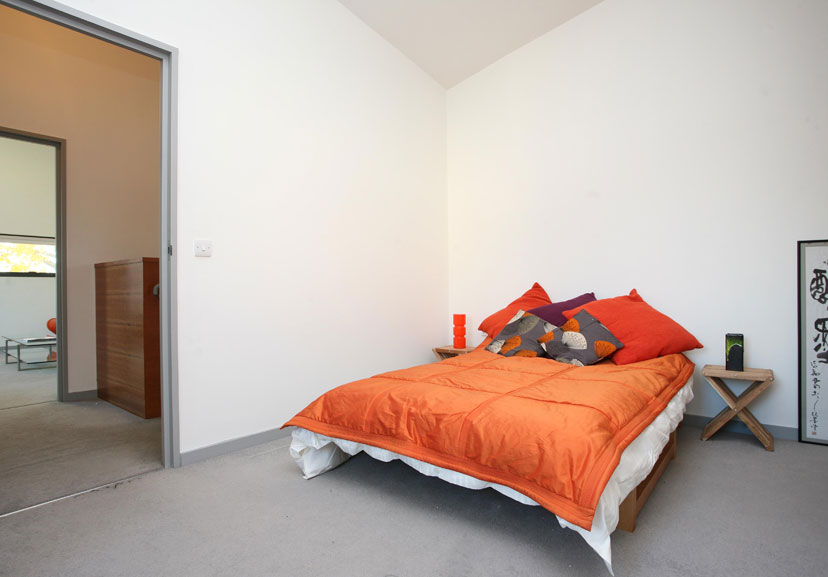
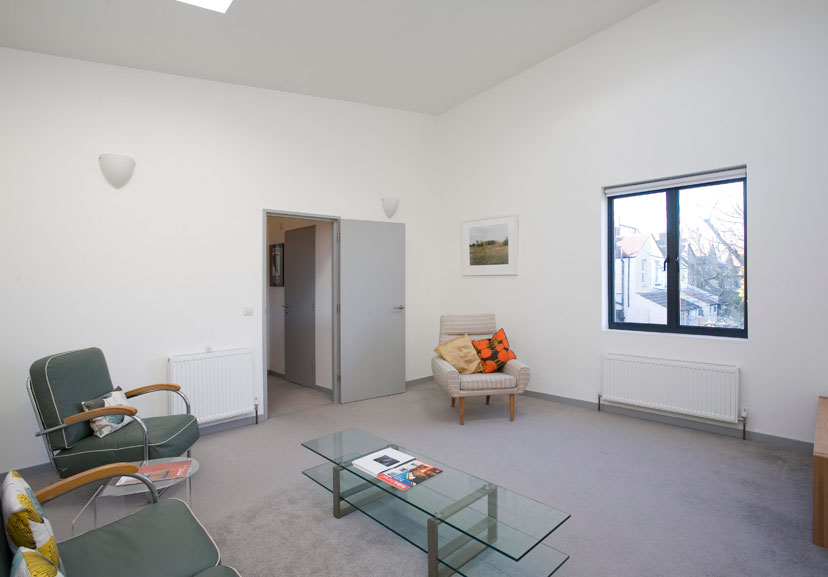
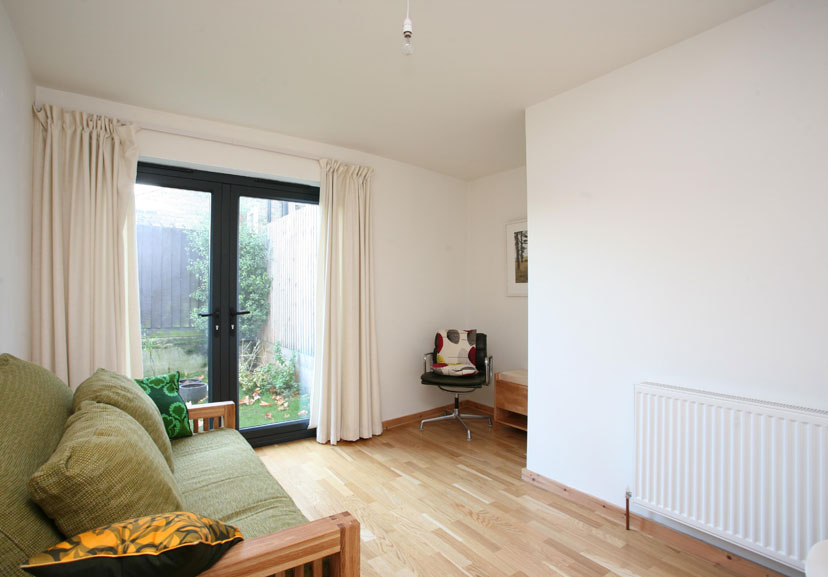
This outstanding two-bedroom house forms part of a small new-build development designed by the renowned architects Chance de Silva.
Casadanza III
SOLD
History
Having acquired a derelict former schoolkeeper's house, the architects
Chance de Silva retained the shell of the existing building and
extended it in all directions to make a small residential complex.
With
its pitched blue-zinc roof and white-painted brick, the building
references its Crofton Park neighbours, but there is also a nod to
Alvar Aalto's houses in Helsinki and Noormarkku.
The name Casadanza refers to the nearby Rivoli Ballroom – the
wonderfully preserved 1950s ballroom that is a still-thriving local
institution.
Chance
de Silva describe Casadanza as follows: "We have experimented with
dance imagery, for example combining the forms and movement of a pair
of dancers with 'stretching' the existing box, subdividing it into
dwellings of different sizes. In particular the blocky rectangular
brickwork erupted into a rakishly tilted 'hat', crowning the house and
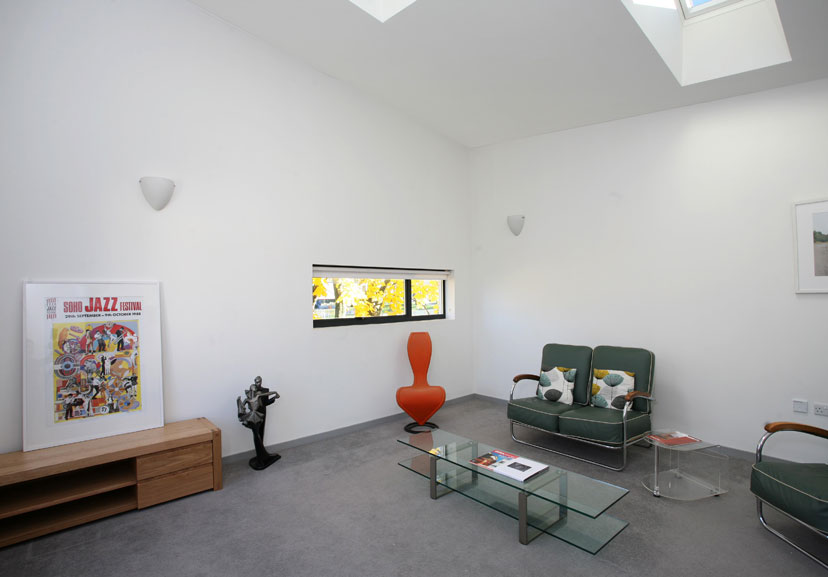
flats respectively. Under the 'hats' the ceilings follow the eccentric
lines of the sloping roof planes, and rooflights drop in here and there
to augment low-level views with high-level illumination."
The building makes the most of having three different aspects by carefully managing the views and the natural light.
Chance
de Silva have become particularly well known for designing intelligent
and experimental new-build houses. Each incorporates characteristics of
the local area and is tailored to the requirements of the client.
For
example, a house in Highbury called Venus, which occupies a site on a
very private and "defensive" street, opens up at higher levels to
permit views and let in light.
Cargo Fleet, built in 2005, is
clad in Cor-Ten steel and larch. This ‘lifetime live-work’ home can be
used flexibly to accommodate the
changes in circumstance of occupants over a lifetime. It could be one
larger dwelling, containing a home-office, or two smaller houses.
Writing about the project in theArchitects' Journal, Andrew Wulf declared that it "successfully addresses the changing face of the domestic".
Interested?