Venus
Sold


"So much thought went into every detail of the building... we’re always referring to it for inspiration" - Chance de Silva
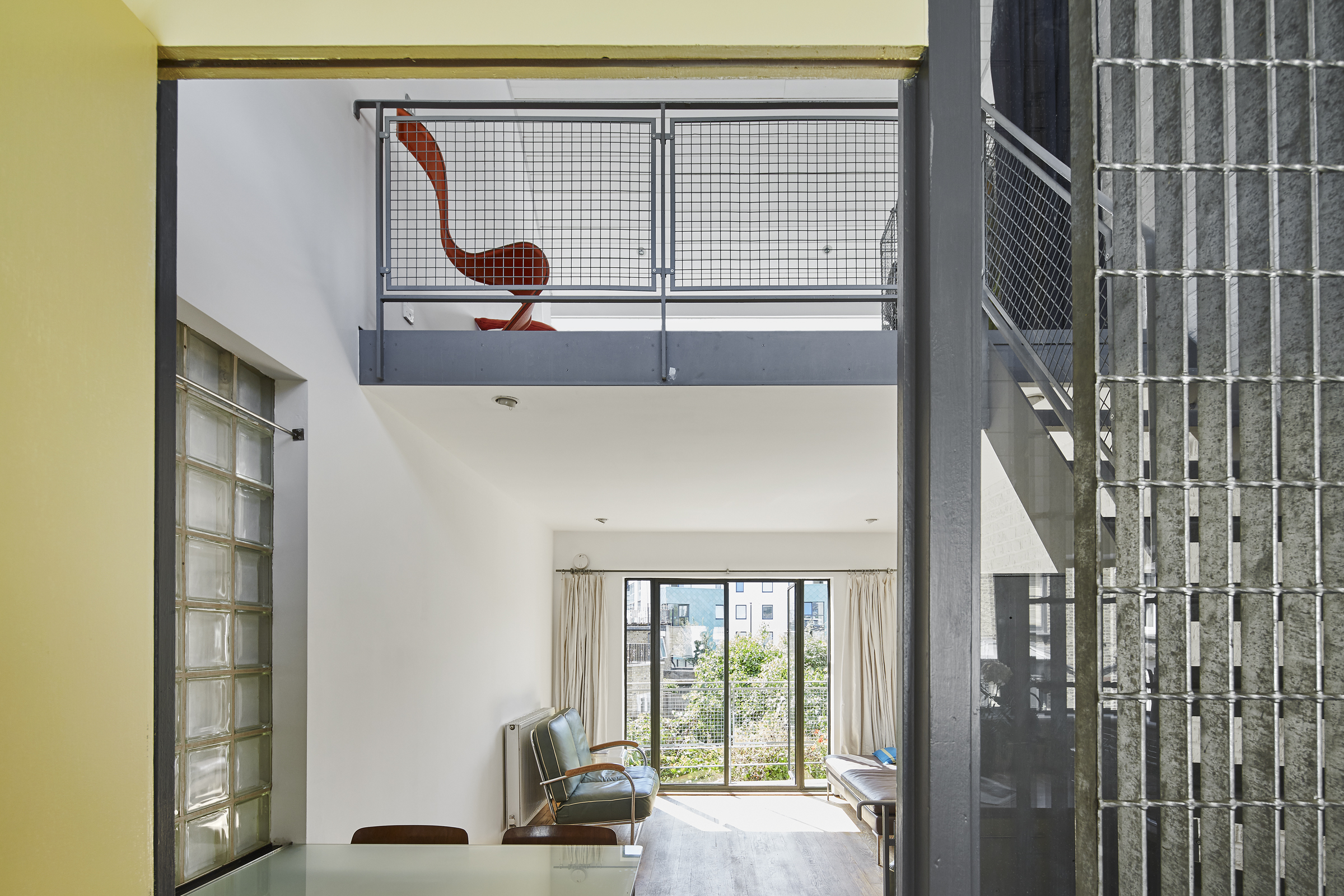
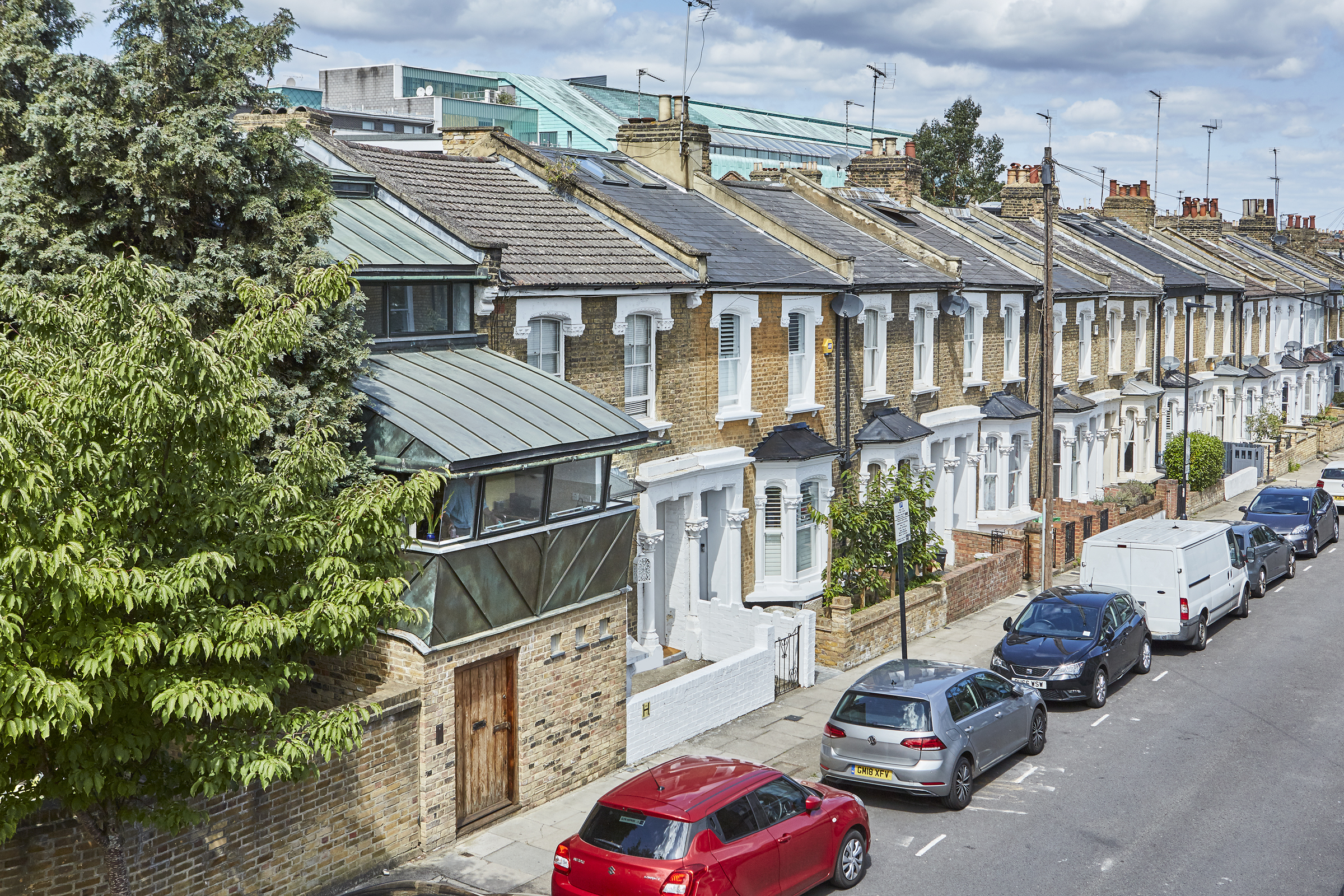
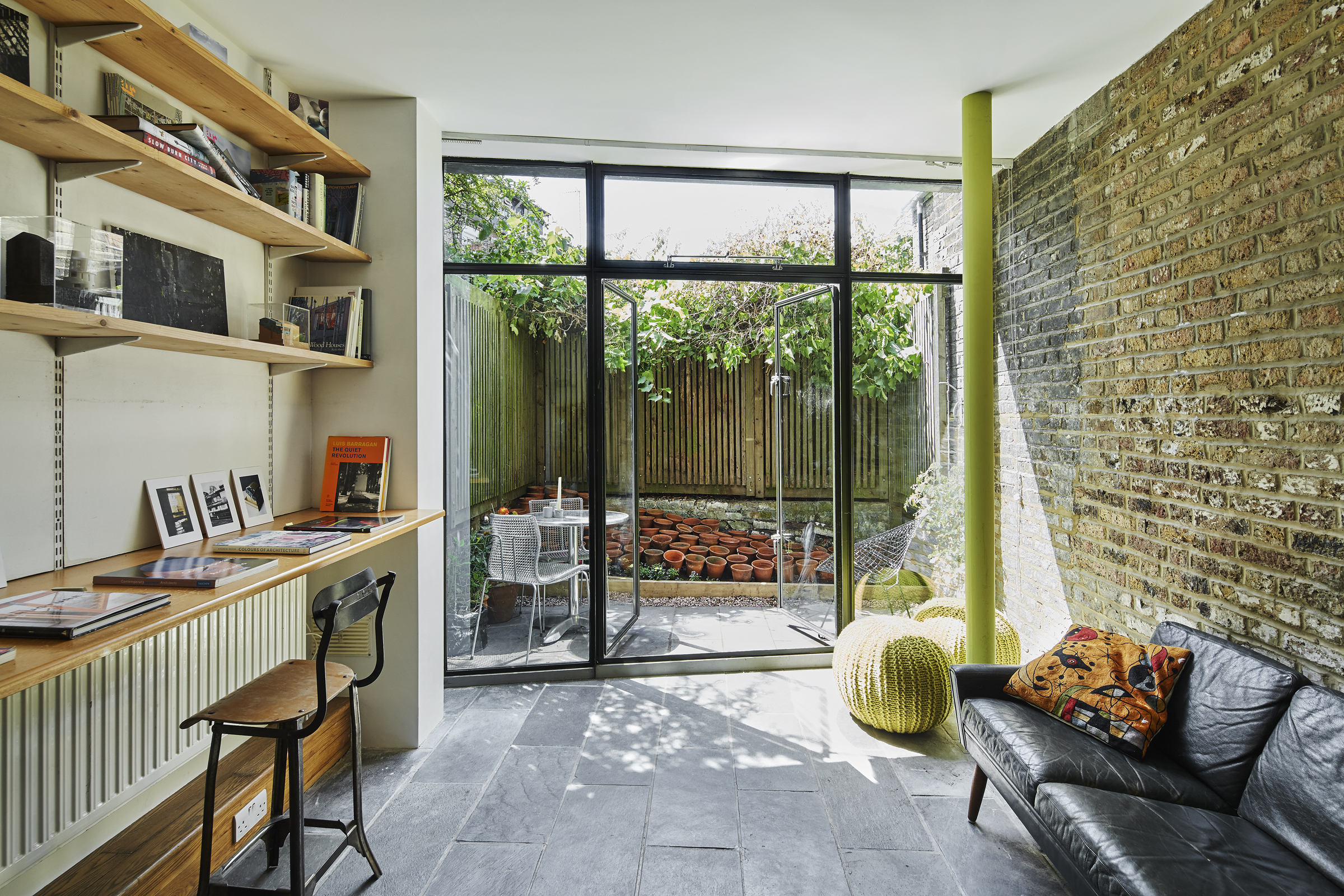
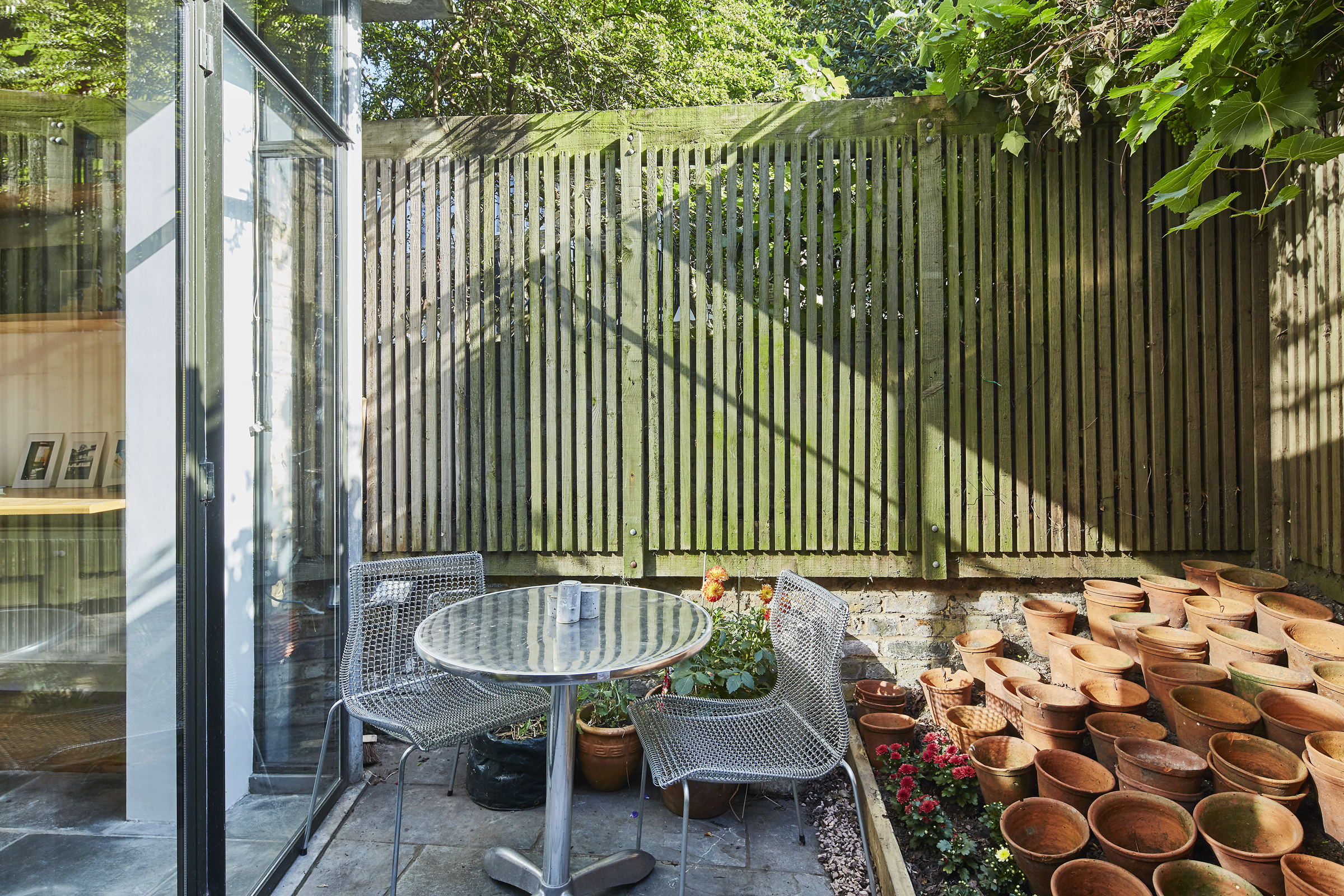
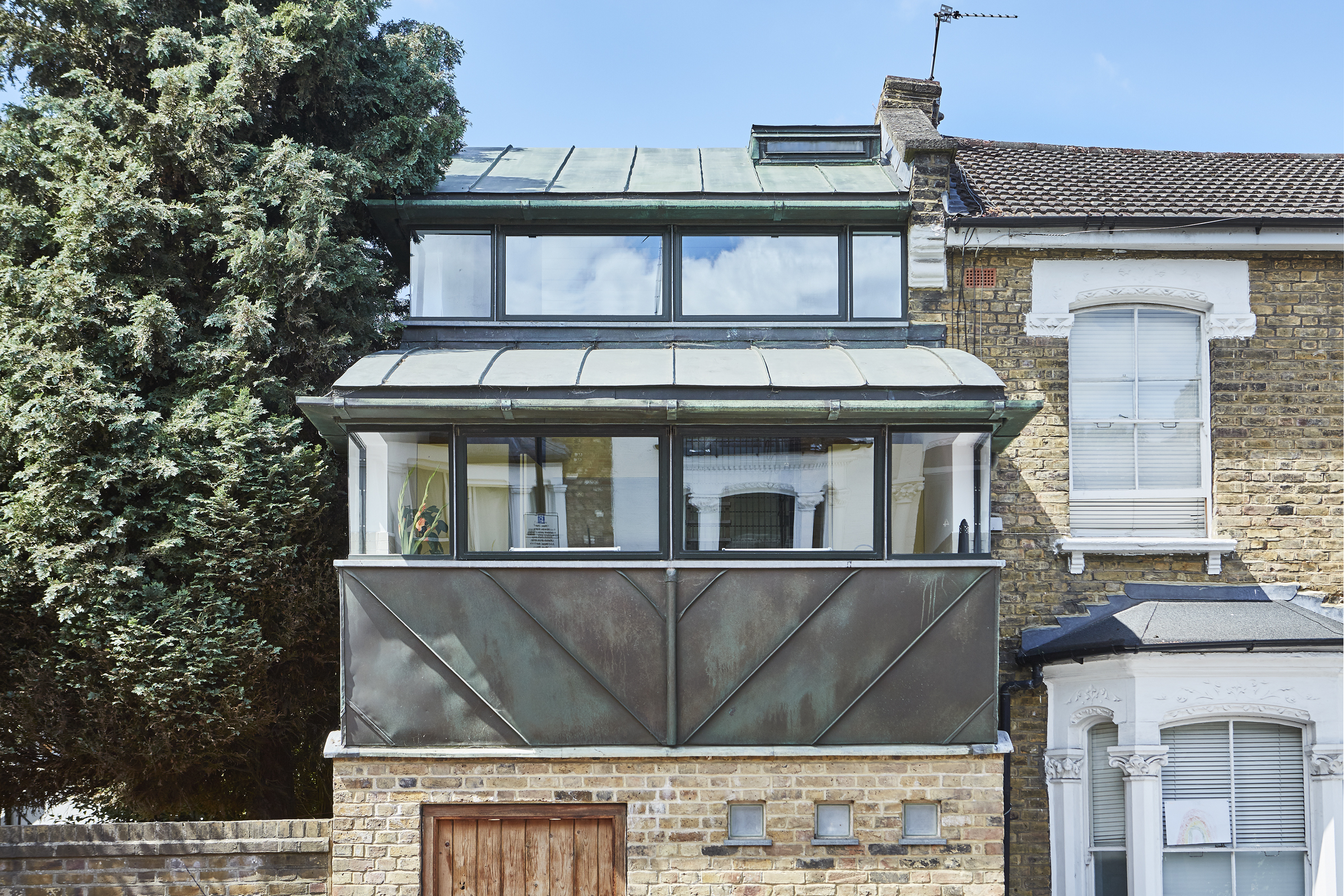
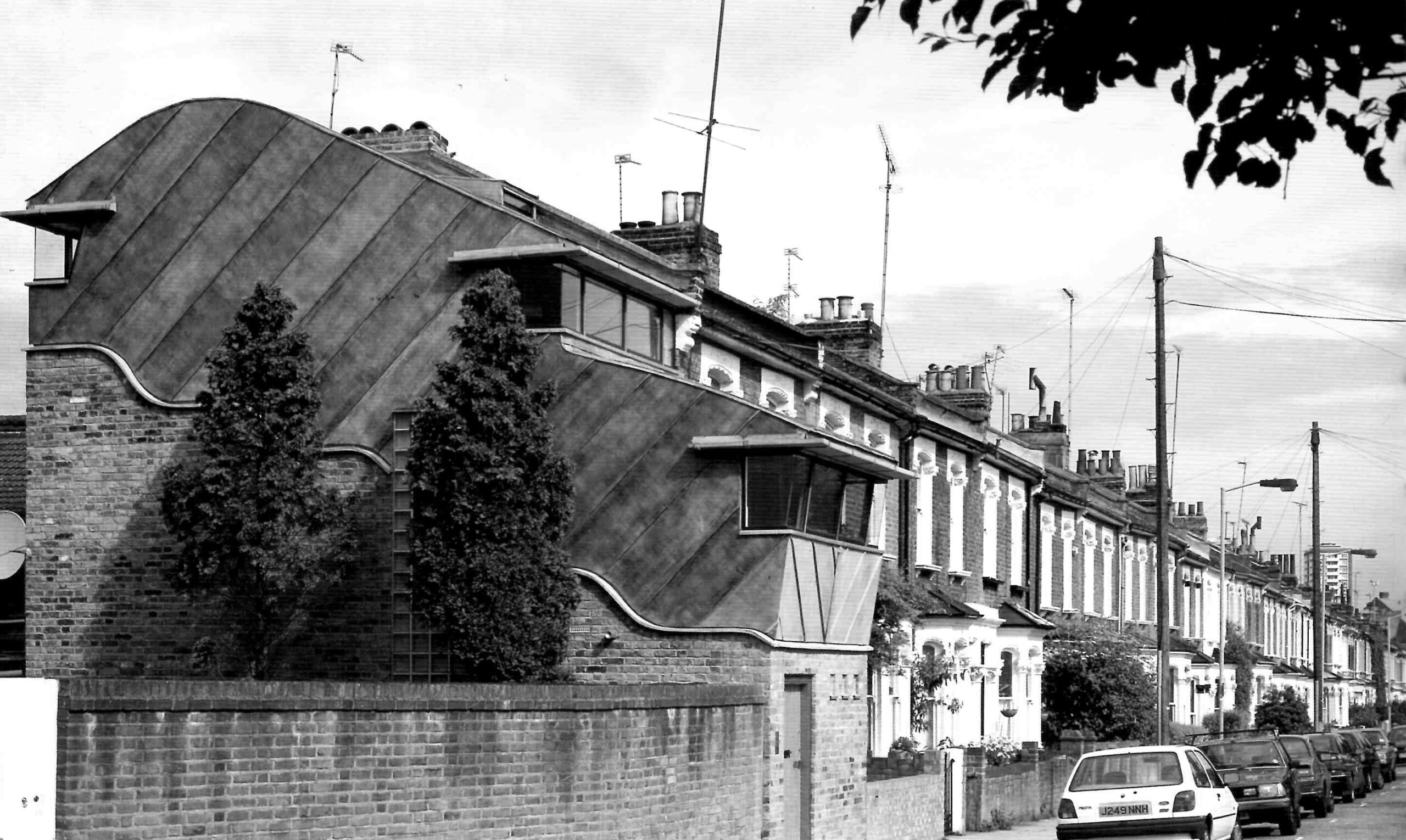
Built in Highbury in 1998, Venus is the first residential project completed by award-winning architectural practice Chance de Silva. Inspired by the machiya, or traditional wooden town houses of Kyoto, Venus addresses the street in a private, reserved manner, before opening out on the upper storeys to truly dramatic effect. It has a private garden at the rear, as well as a balcony.
Venus
SOLD
History
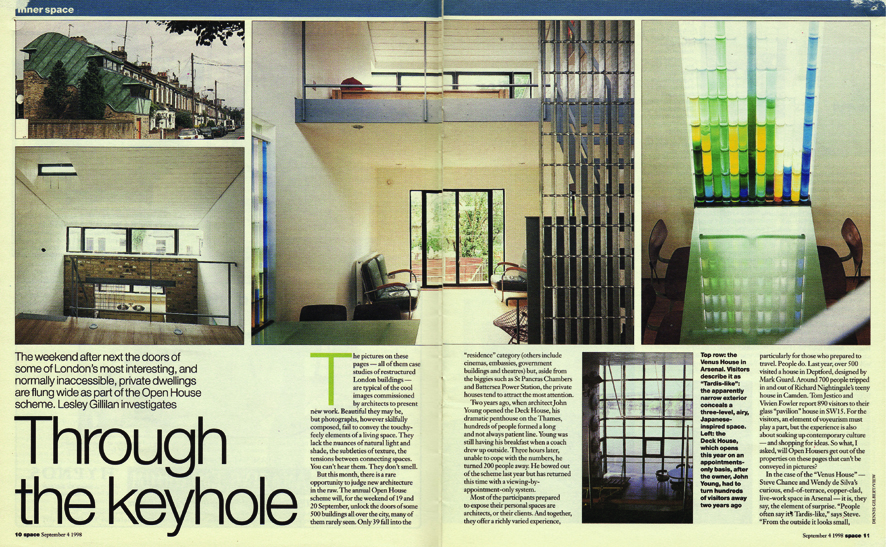
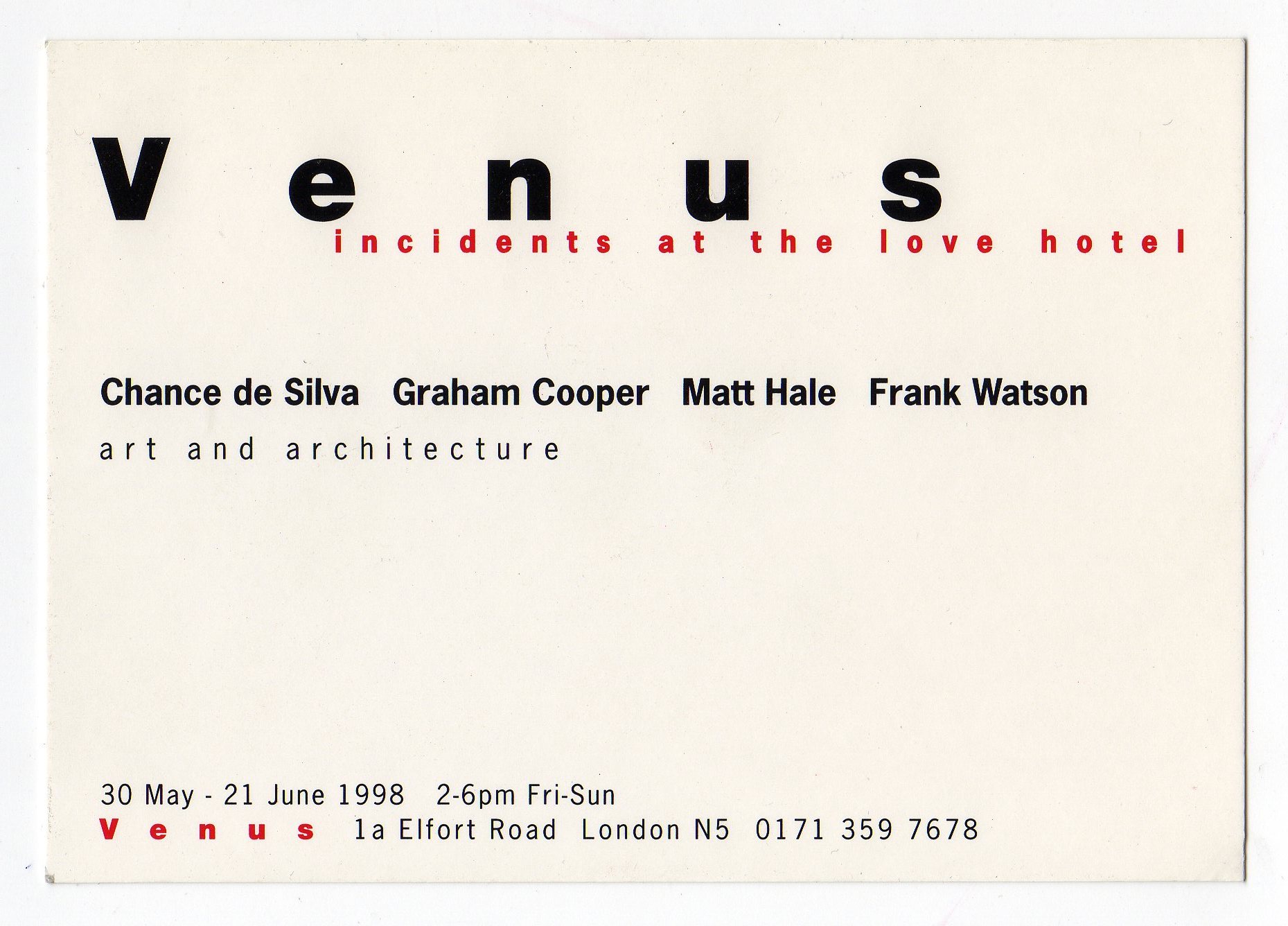
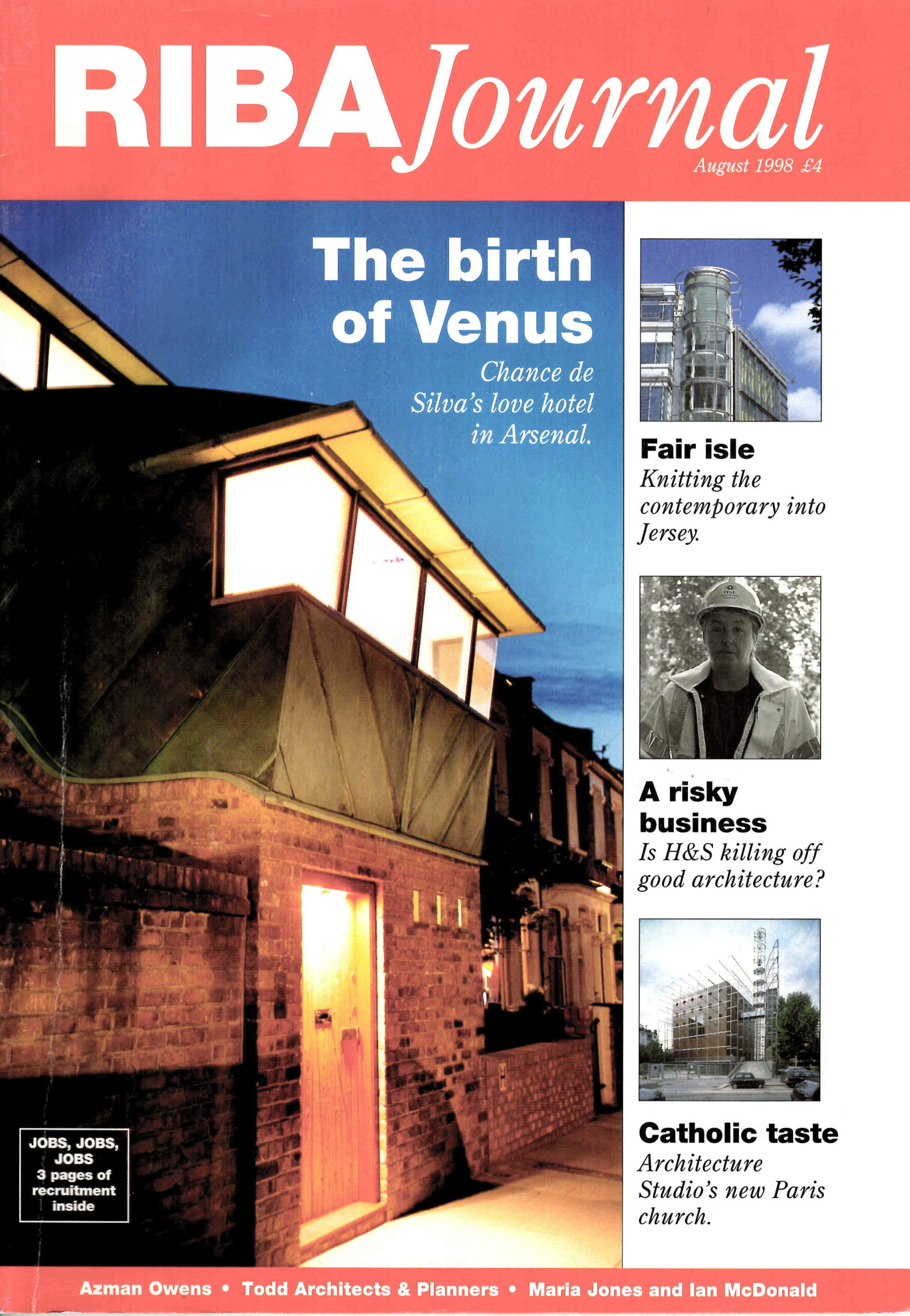
Upon completion in 1998, Venus first opened as an art gallery. The house was a collaboration between architects Chance de Silva and their friend Graham Cooper, a financial journalist and art provocateur.
The group decided to furnish the spaces sparsely, to merely hint at the domestic functions of each room and allow the installations space to affect their audience. Some of these pieces of art and furniture have been returned to the house in 2020, as Chance de Silva bring Venus to market for the first time since it was designed and built.
"Originally we worked with three artists: Matt Hale, who made two integrated art pieces, one of glass tubes filled with domestic fluids such as shampoo and detergent; Frank Watson who made three photographic light boxes; and Graham Cooper who made "3-Minute Venus" a time lapse film of the building under construction. The whole idea of working with artists and integrating their work into projects has been perpetuated through Chance de Silva’s practice."
The collaboration arose from a conversation in the pub between Matt Hale and Stephen Chance about the direction of travel of architecture and artists who were making installations or making work that adapted found buildings.
During construction, the house quickly gathered interest with architects, the national press and members of the public alike. Shortly after the private view, at the behest of friends, Stephen Chance and Wendy de Silva decided to live in the house themselves.
Venus's striking design was influenced primarily by the typical Kyoto machiya; a long wooden home with narrow street frontage, stretching deep into the city block and often containing one or more small courtyard gardens or tsuboniwa. Venus is a modern interpretation incorporating these elements into flexible spaces after the manner of Tadao Ando and Toyo Ito.
Chance de Silva have remarked of their influences, "Of course there were other architectural ideas in the project, such as the copper cladding of the top part of the house which was influenced by the capping of a balustrade fence post in the Kiyomizudera Temple in Kyoto. And the curving of the ceiling planes on the upper floor, which might have been influenced by Philippe Starck‘s Nani Nani building in Tokyo. But whatever conceptual design ideas and influences there might be in the long gestating duration of a design process, the important thing is that everything comes together into a seamless logically coherent totality, so that everything looks just so."
In line with this aesthetic, the house expresses the very best of simple, quality materials; the brickwork is recycled from the demolished building that formerly occupied the site; while the copper cladding was chosen for its longevity and can last up to 100 years. These materials were also selected for their propensity to age and gain patina.
Over twenty years since it was completed, Chance de Silva maintain that there is nothing they would change about the house, citing its flexible living arrangements as the key factor in its enduring, lasting appeal.
Interested?