The Beckers
The Beckers
Rectory Road, London N16
£825,000
Freehold
Architect: Mama Architecten
or call +44 (0)20 3795 5920
Share


The Beckers
Rectory Road, London N16
£825,000
Freehold
Architect: Mama Architecten
or call +44 (0)20 3795 5920
Share
“An impeccable contemporary home within an estate designed by Sir Frederick Gibberd”
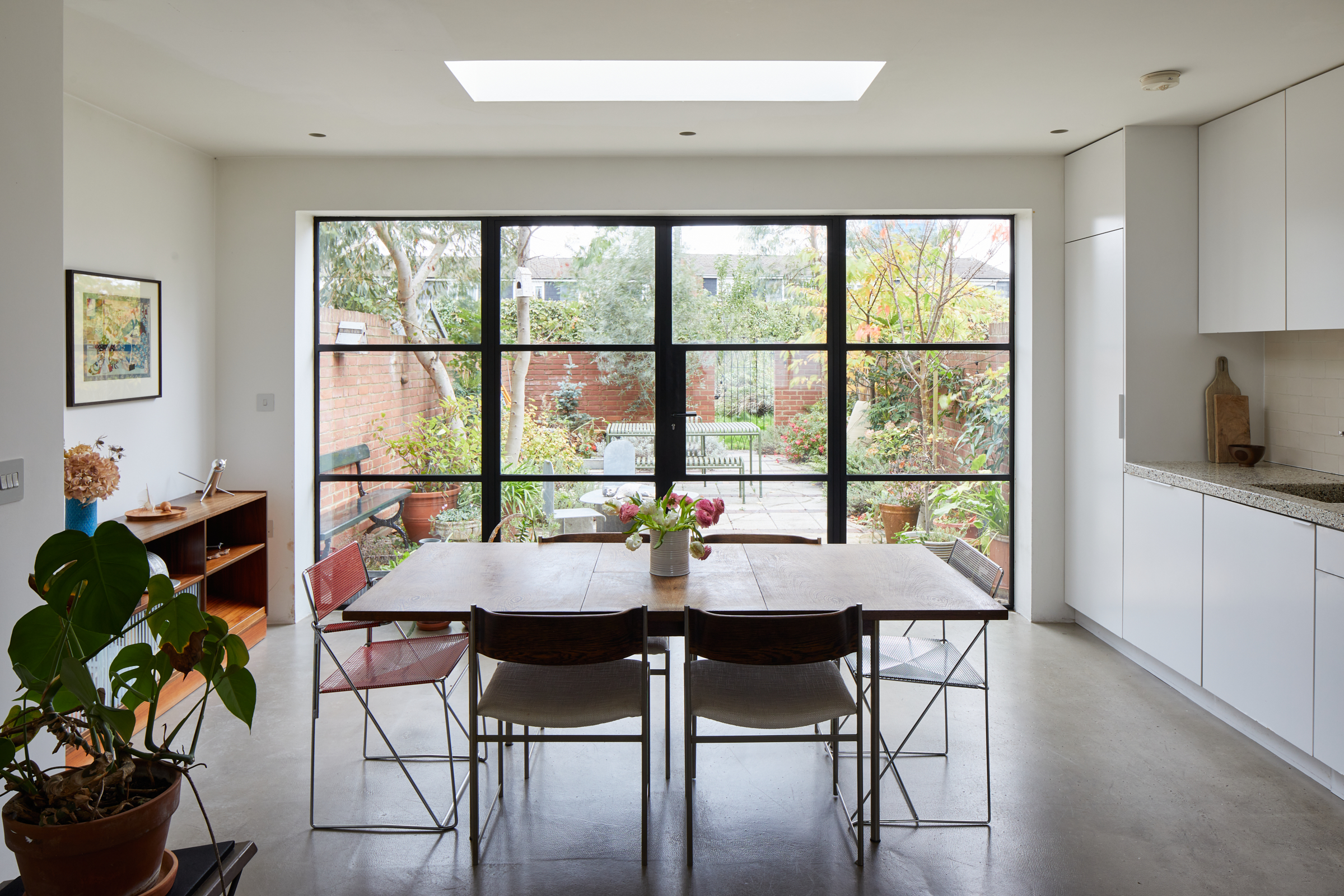
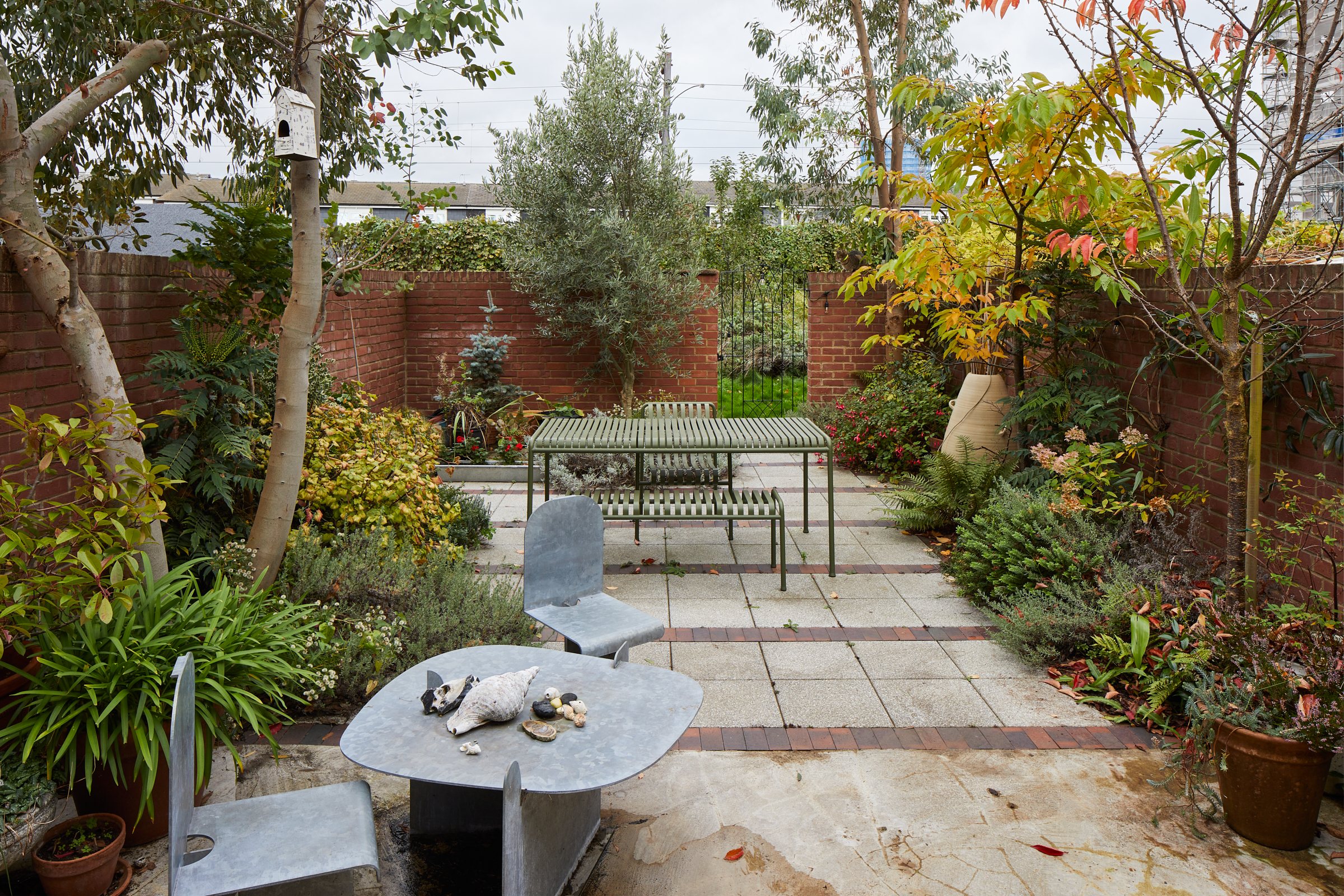
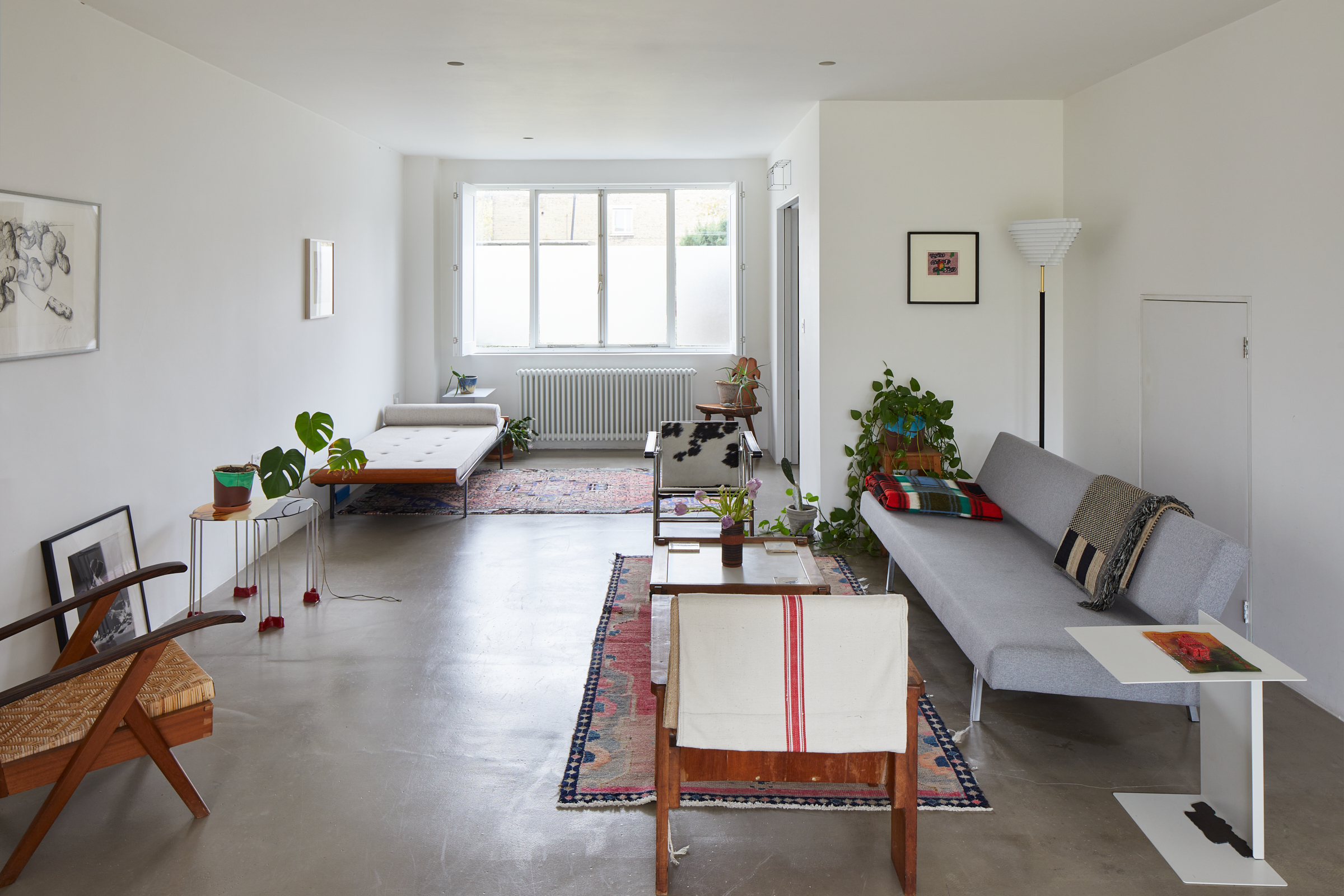
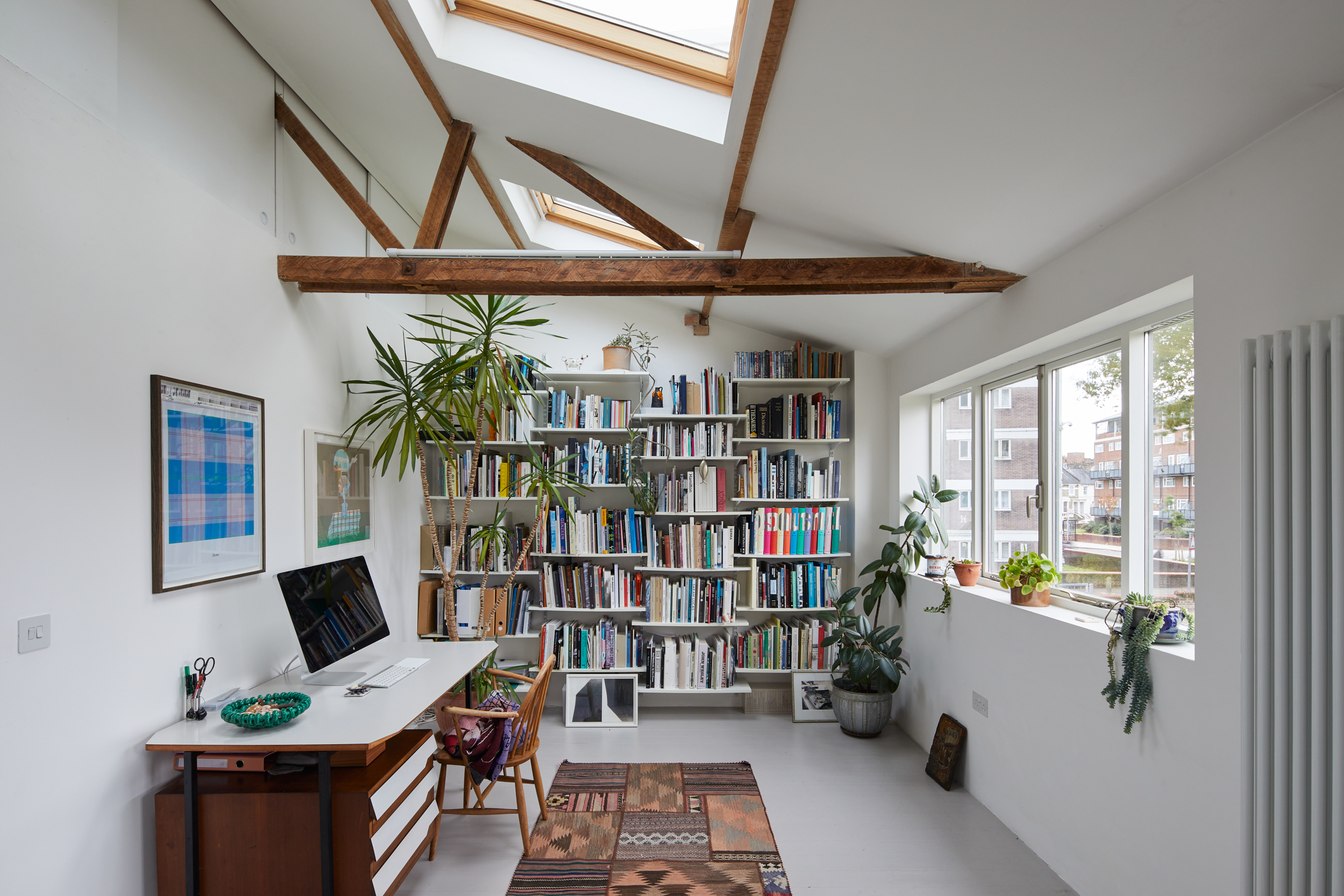
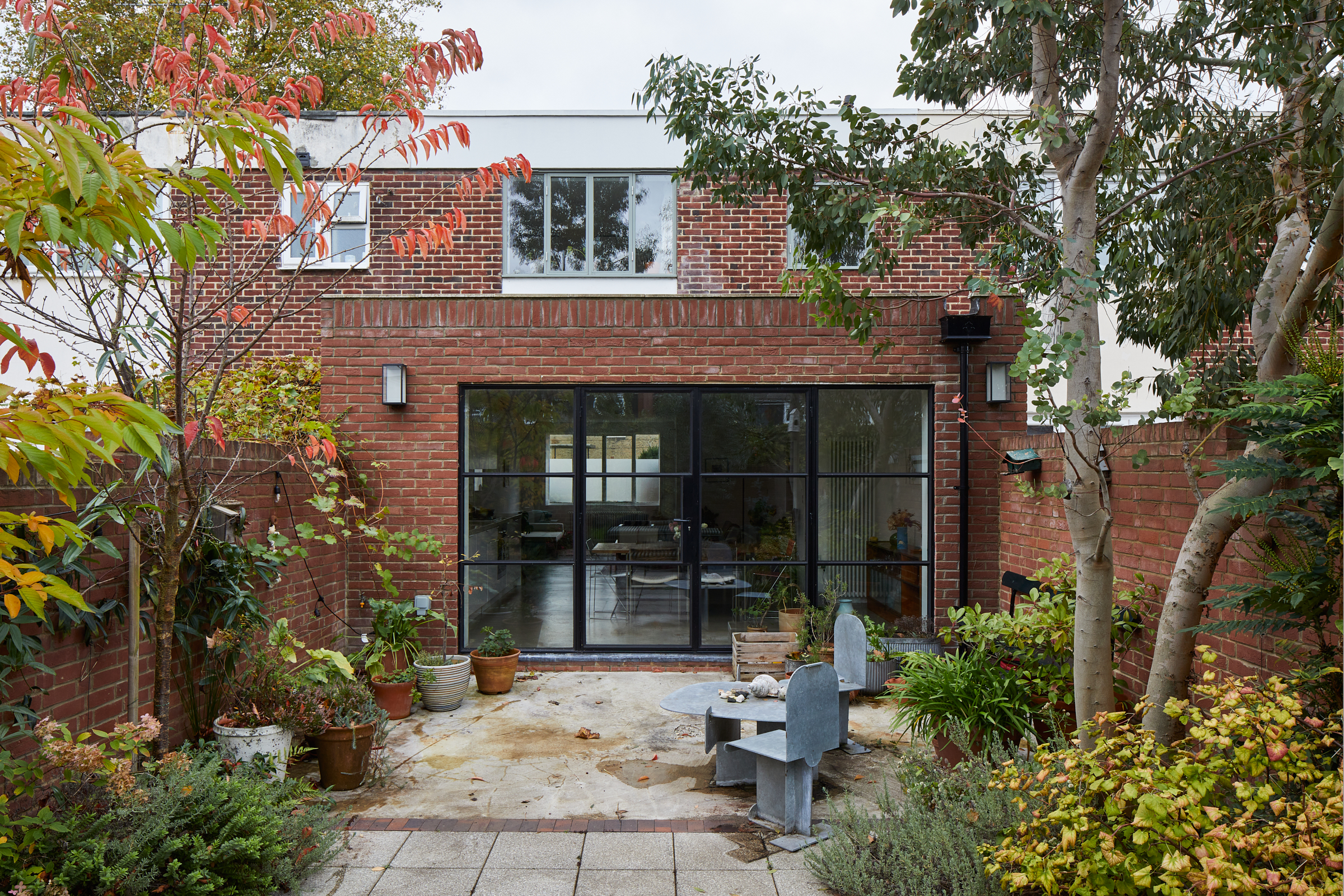
This beautiful two-bedroom house lies within The Beckers estate, which was designed by Sir Frederick Gibberd, one of Britain's most influential modern architects. The current owners have used the house as a blank canvas, collaborating with Mama Architecten to completely reconfigure and extend the flowing interior spaces. The materials have been carefully considered and include handmade Italian terrazzo and double-glazed Crittall-style windows imported from Holland. At the rear of the open-plan living space is a secluded walled garden, home to an abundance of plants and mature trees including cherry, eucalyptus and climbing wisteria. For more information on The Beckers, please see the History section below.
The Beckers
£825,000
History
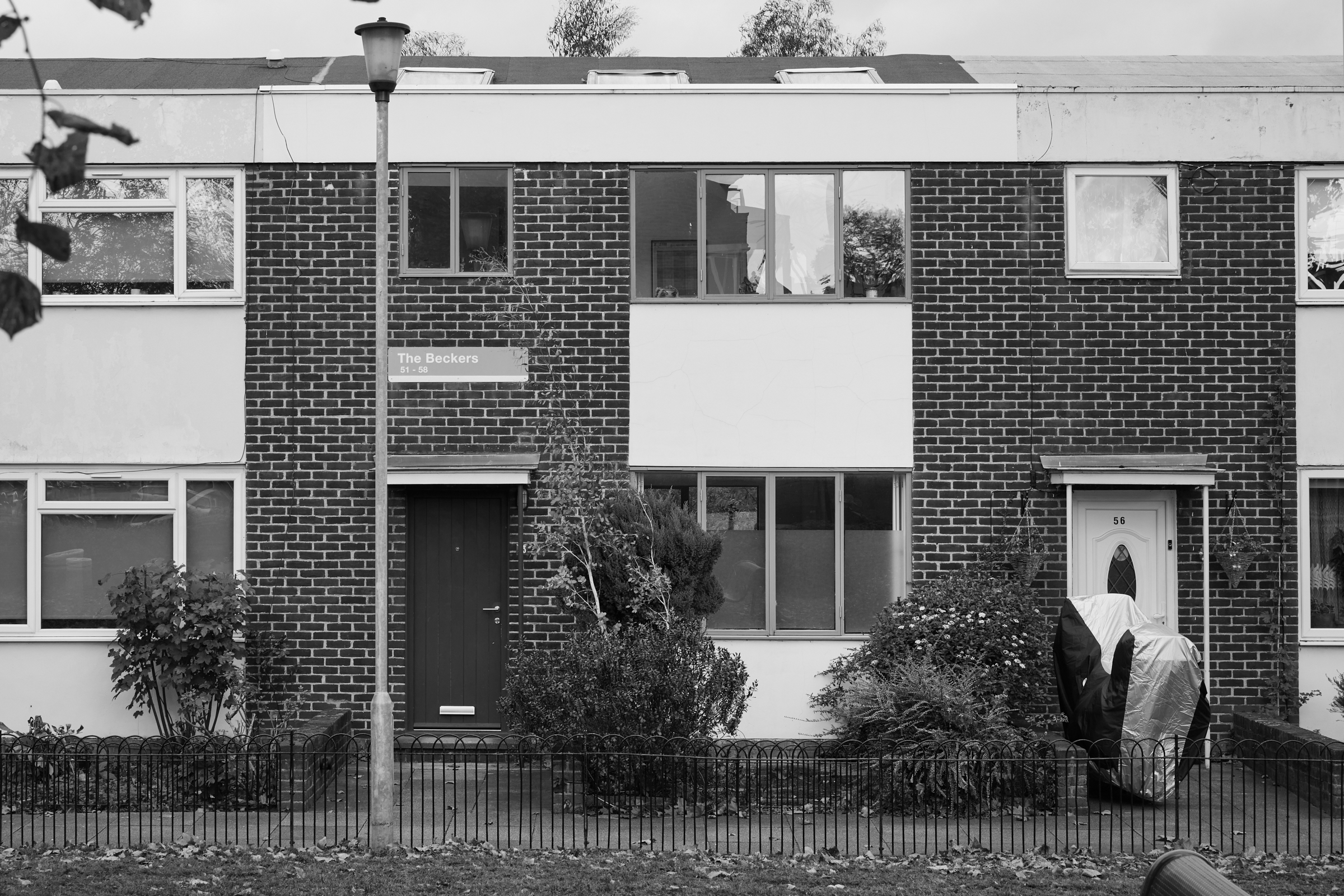
The Beckers estate was designed by architect Sir Frederick Gibberd in association with G. L. Downing. It was planned in 1955 and built between 1956 and 1958. The estate comprises two 11-storey tower blocks of one-bedroom flats with glass balconies, a four-storey block with two-bedroom flats and three blocks of three-bedroom houses, within which this house lies. It has contrasting heights in the manner of LCC and was designed in line with the 1956 Housing Subsidies Act, which offered higher subsidies the higher councils built, thereby causing a spike in high-rise housing during the post-war era.
The estate is set within carefully landscaped and manicured lawns, with plots of allotments available for residents to rent. The landscaping, combined with the colourful red panelling and cream rendering of the exterior, was likely influenced by Scandinavian design. Originally, all the flats were provided with underfloor electric heating.
Pevsner commented that the estate was simpler in design than Gibberd’s work elsewhere and demonstrated "the move away from the prettiness of ten years earlier, towards a tougher urban image."
Interested?