Bunyan Court II
Sold
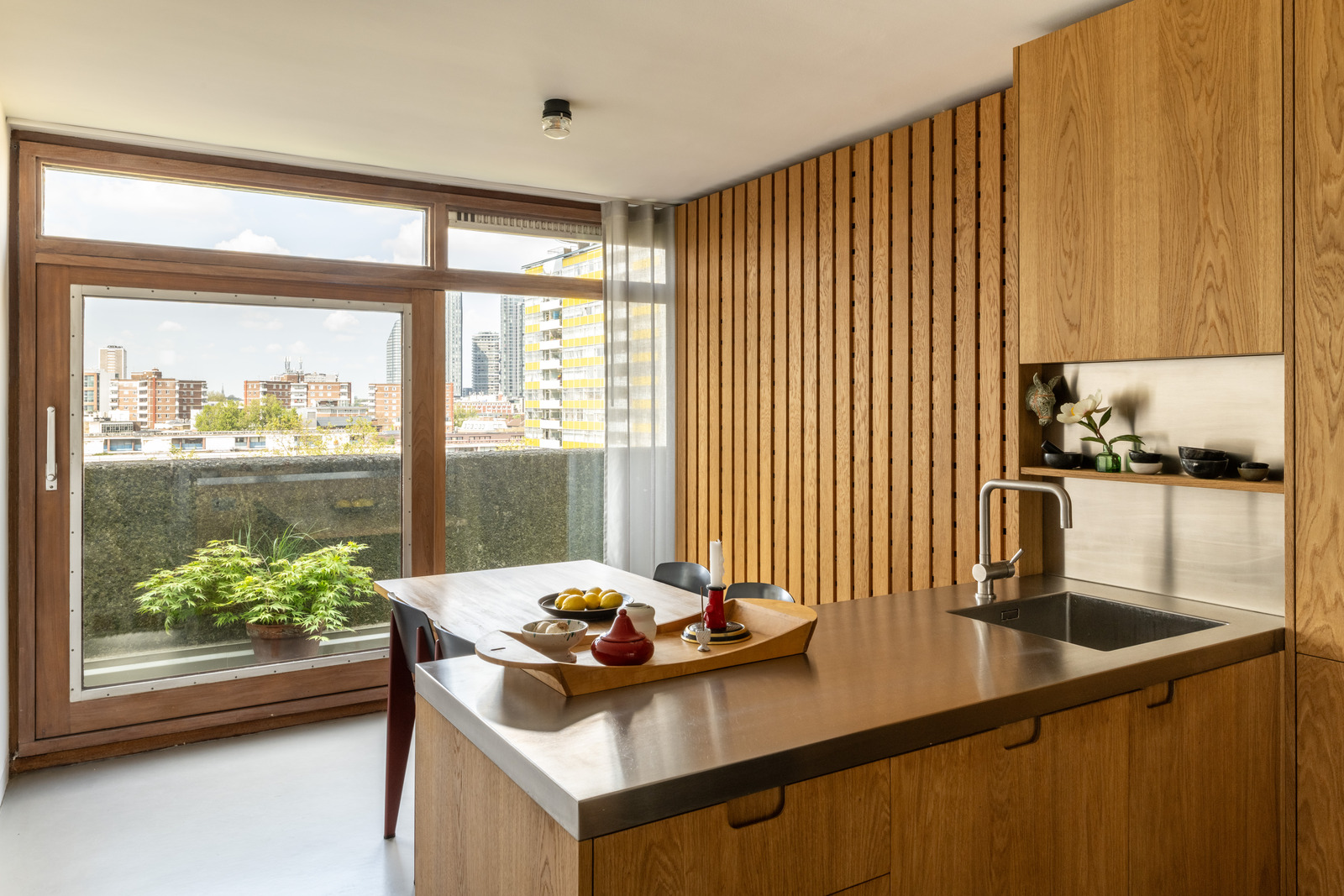


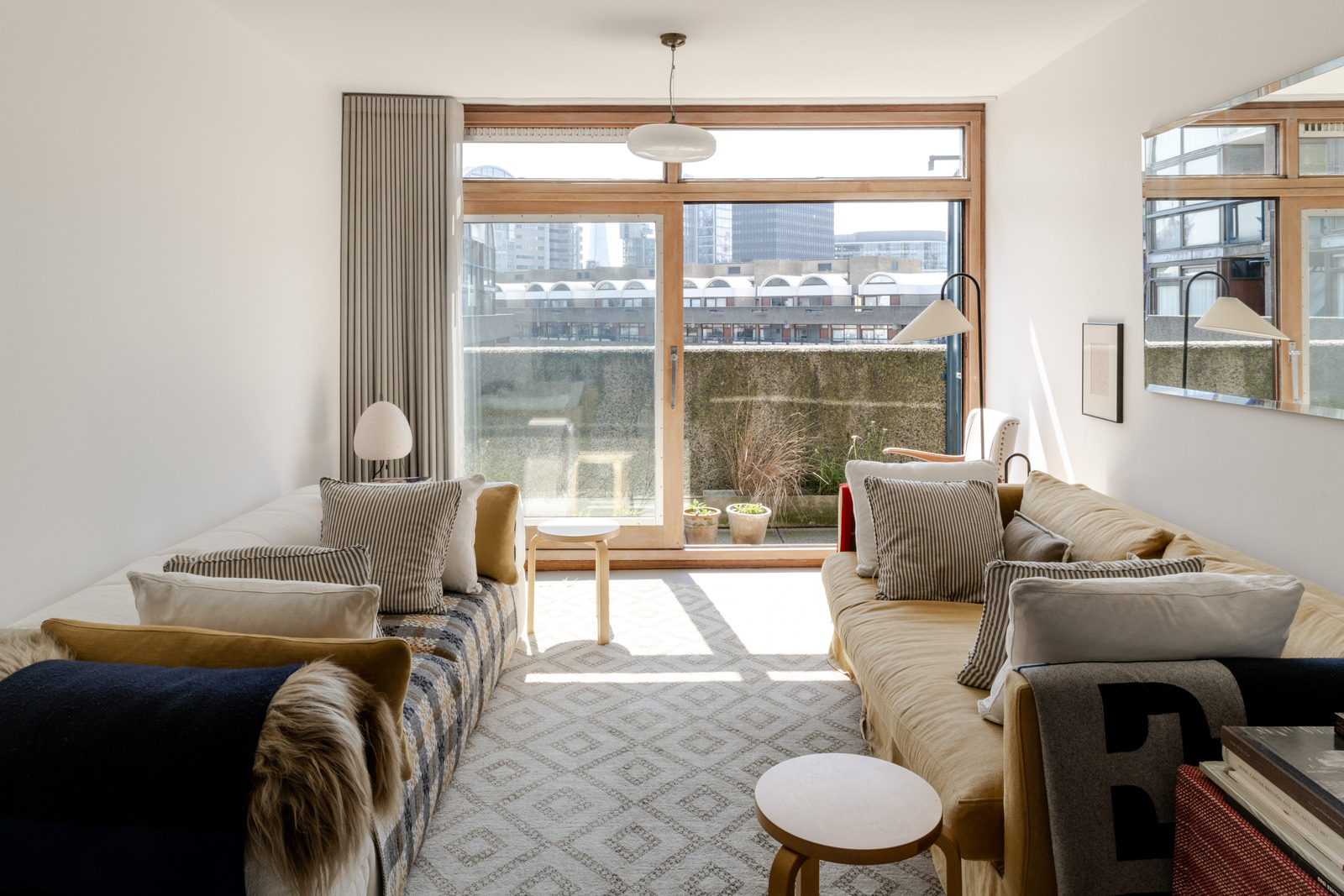
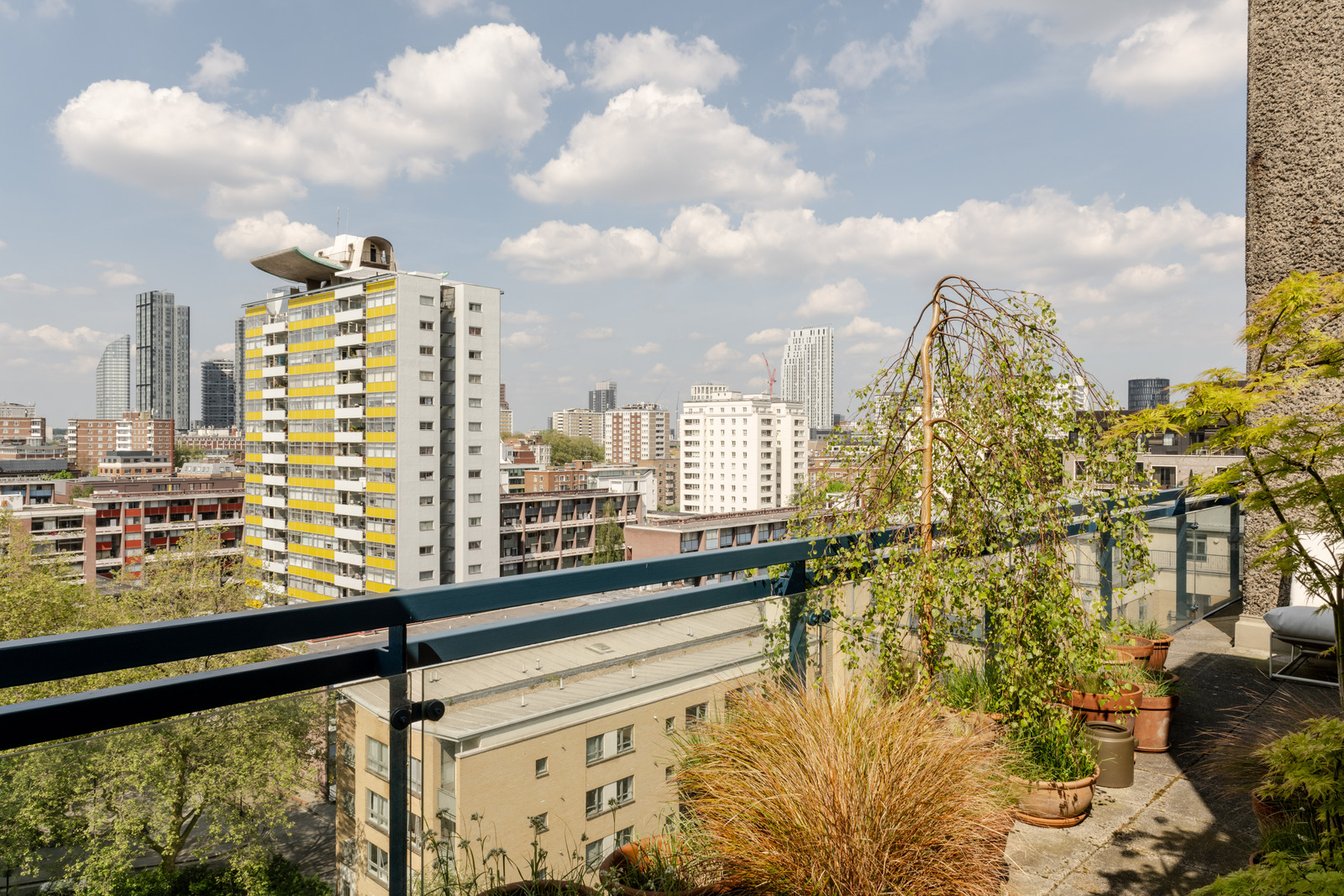
"Balconies sit on either end of the living spaces, adding a wonderful sense of extension to the internal plan"
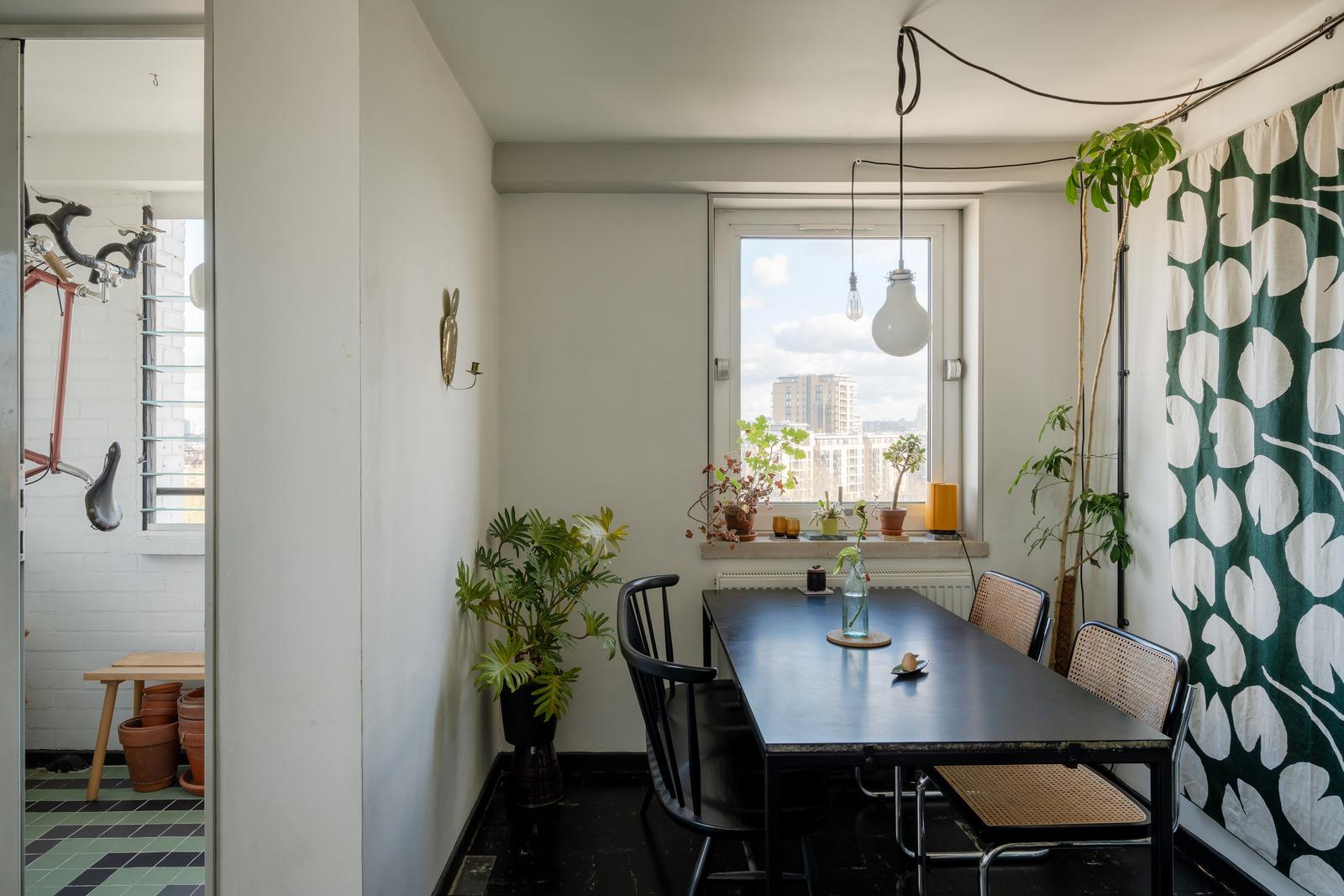
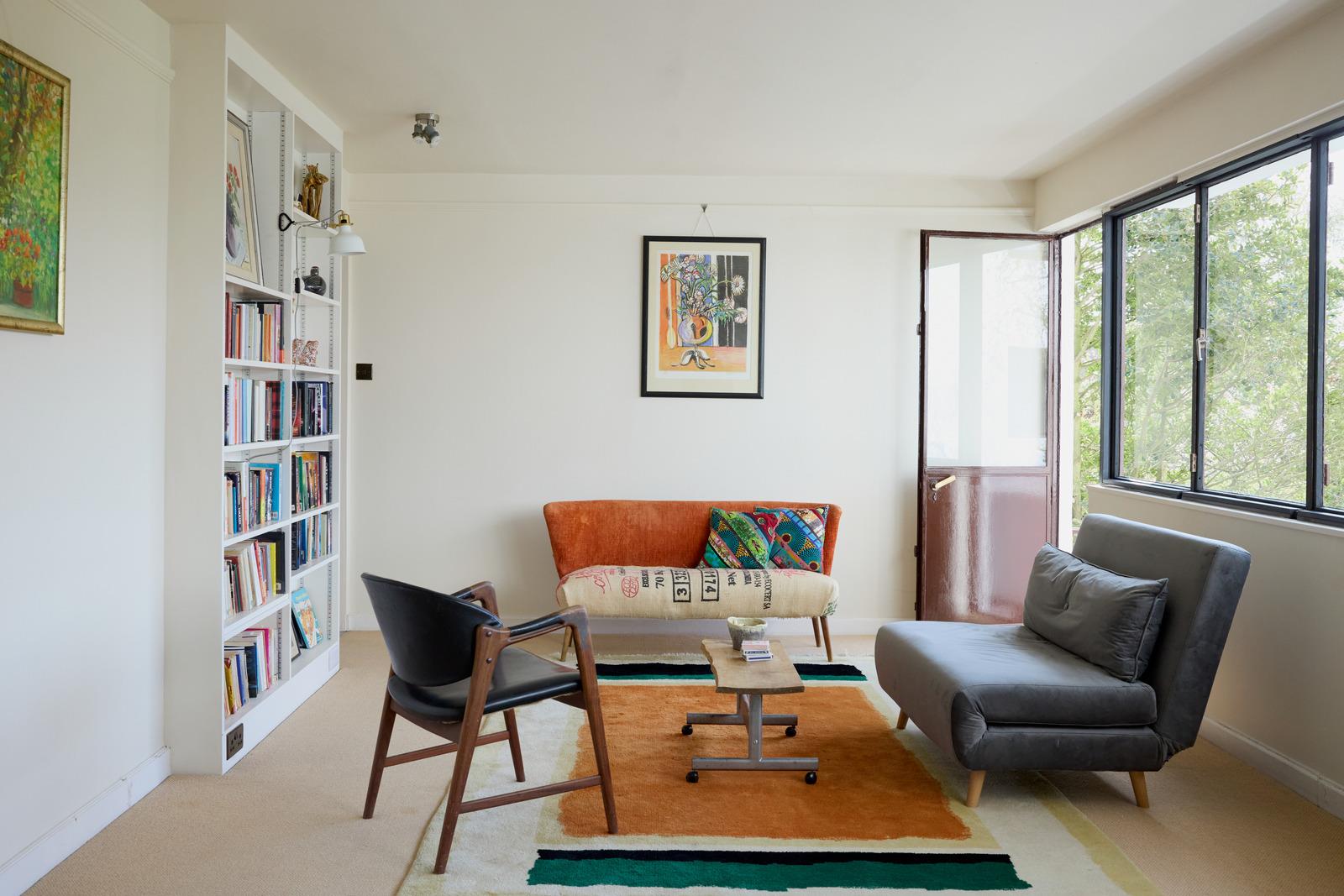
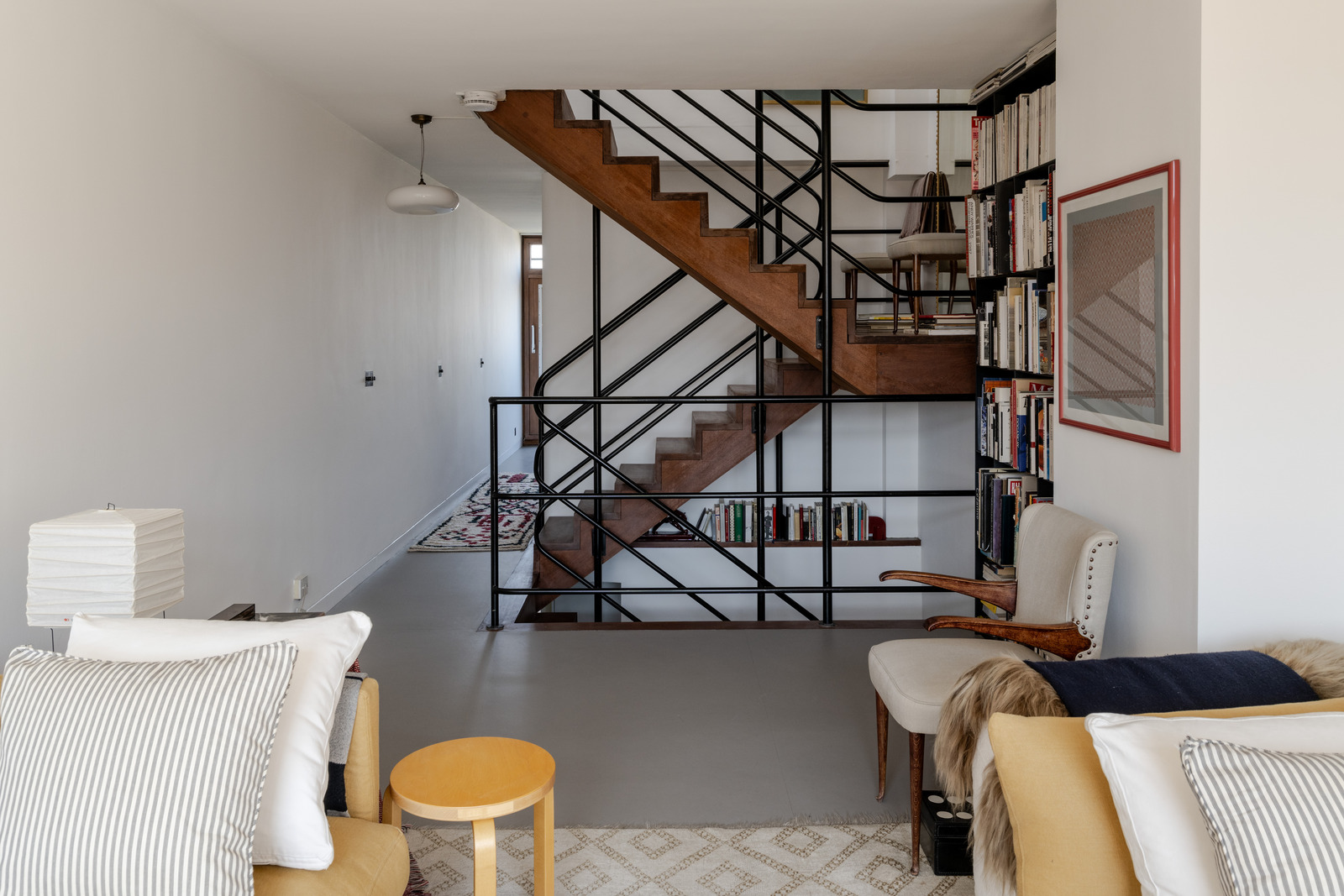
This beautiful two-bedroom penthouse apartment unfolds across three storeys in the Barbican’s Grade II-listed Bunyan Court. It has seen impeccable interventions by architect Ana Sutherland, who has masterfully employed stainless steel and warm oak in response to the estate's mid-century bones. The 'Type M3A' arrangement of the apartment provides a generous amount of outdoor space, with two balconies positioned on either side of the living area.
Bunyan Court II
£1,550,000
History
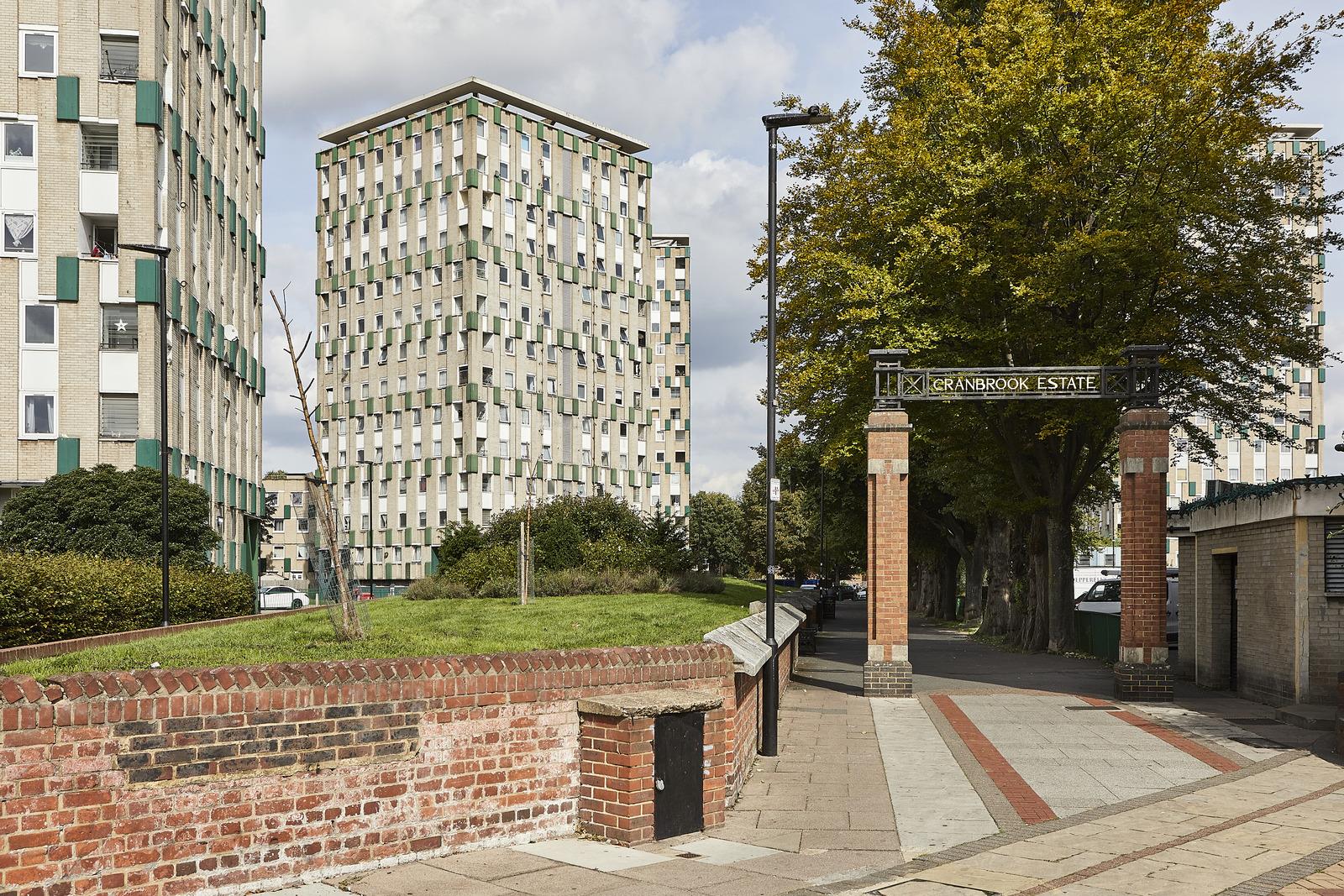
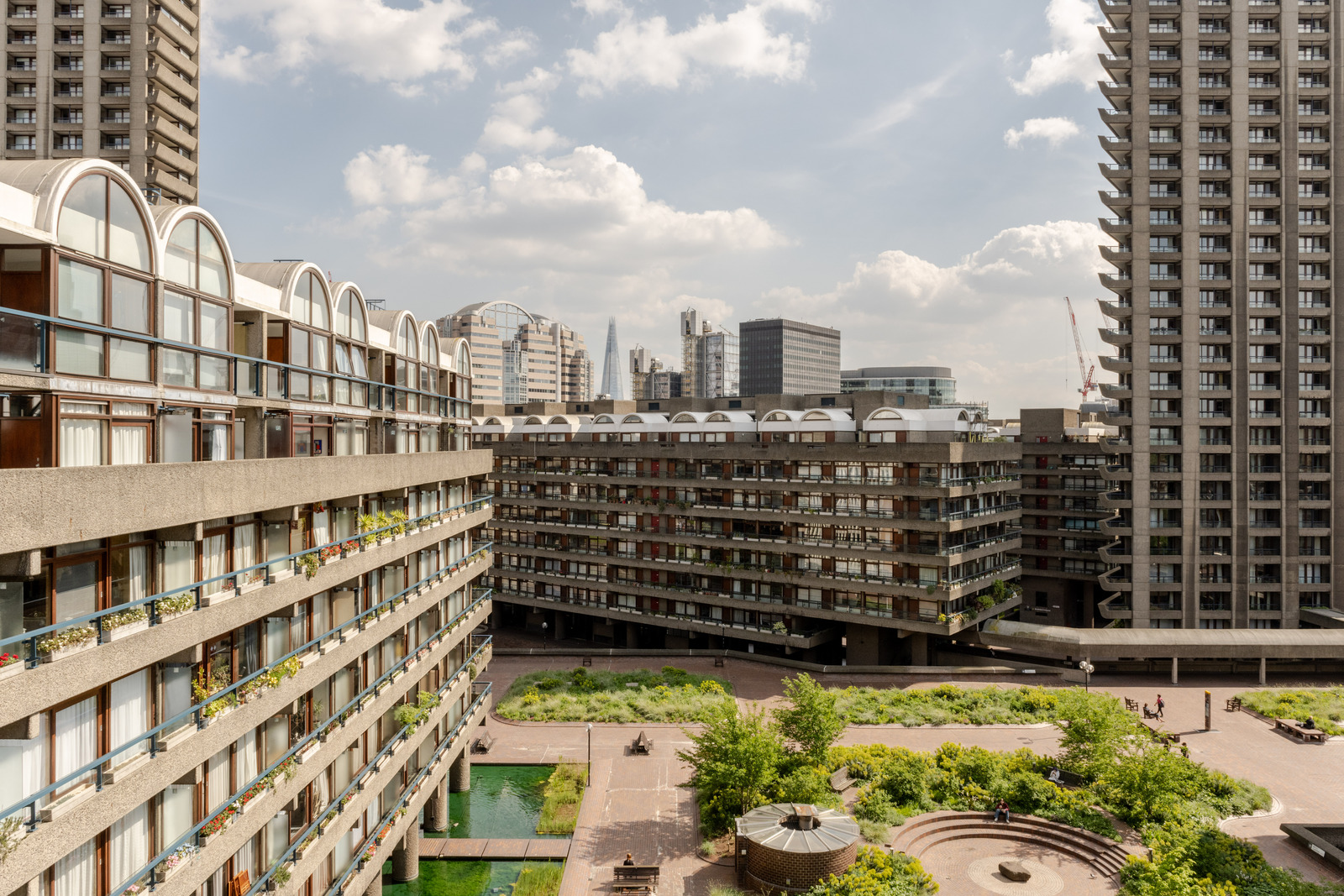
Between 1954 and 1968, Peter Chamberlin, Geoffry Powell and Christoph Bon drew up four distinct schemes for the Barbican that they continued to modify even after construction had started in 1965. Their intention was to create a residential precinct which would, as they wrote in the 1959 Barbican Redevelopment Plan, allow people to live “both conveniently and with pleasure”. Their mission would include a quiet pedestrian space that would be “uninterrupted by road traffic”, where people would be able to “move about freely enjoying constantly changing perspectives of terraces, lawns, trees and flowers” and see “the new buildings reflected in the ornamental lake.”
The first building on the estate, Speed House, was officially opened in 1969, and the final building, Shakespeare Tower, was completed in 1969. In 2001, the Barbican Estate was given a Grade-II listing. Contained within its 40 acres are three towers, 13 terrace blocks, two mews, and several separate residential buildings. The green communal gardens on the estate offset the striking concrete profile that the Barbican is known for; residents are given exclusive access to a range of gardens, including a thriving wildlife garden managed by volunteer residents. The Barbican is also known for its series of labyrinthine, high-level walkways that connect the estate while separating pedestrians from cars below.
Interested?