Sold
Sold
Fog House
Clerkenwell Close, London EC1
SOLD
Architect: David Adjaye
or call +44 (0)20 3795 5920
Share


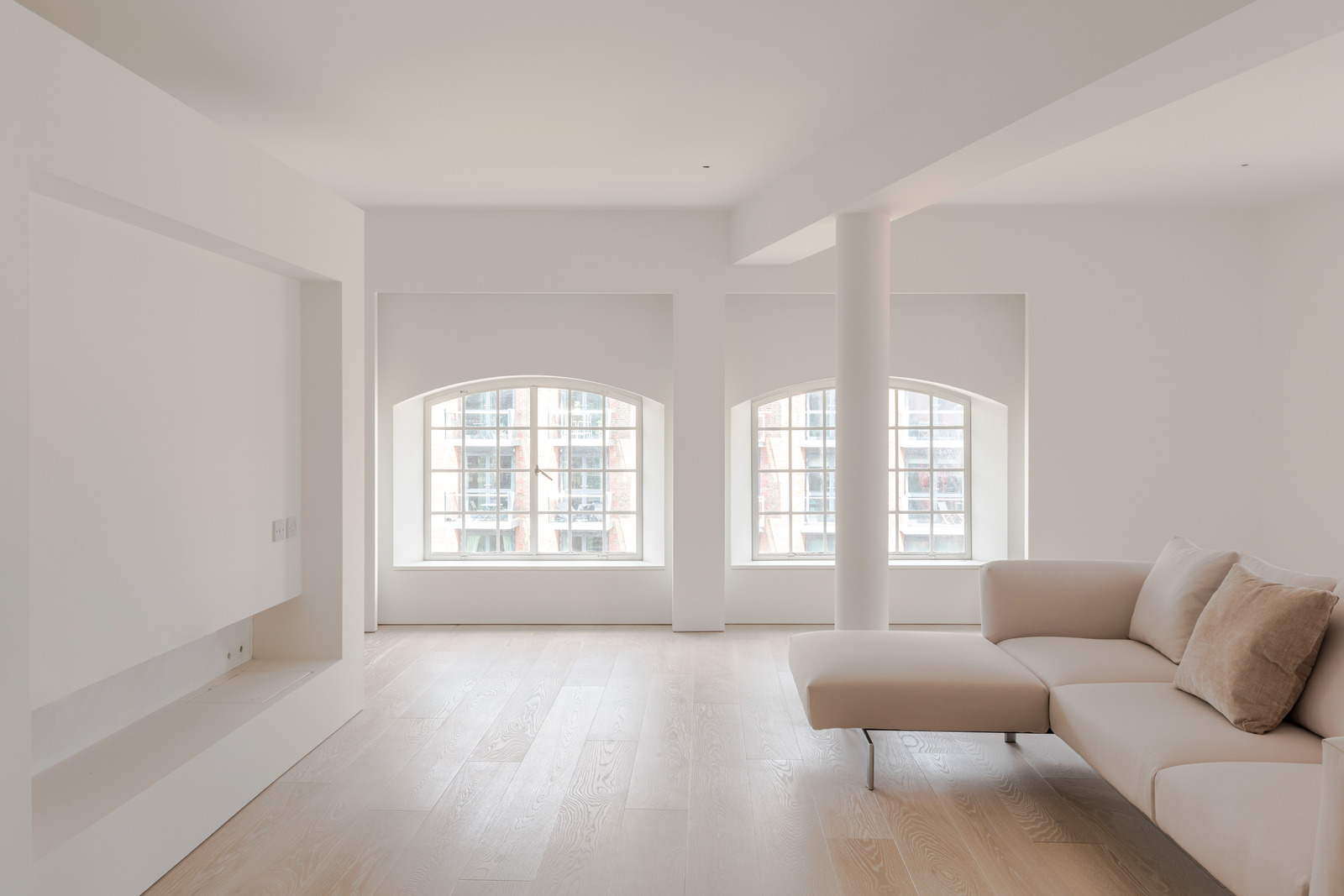
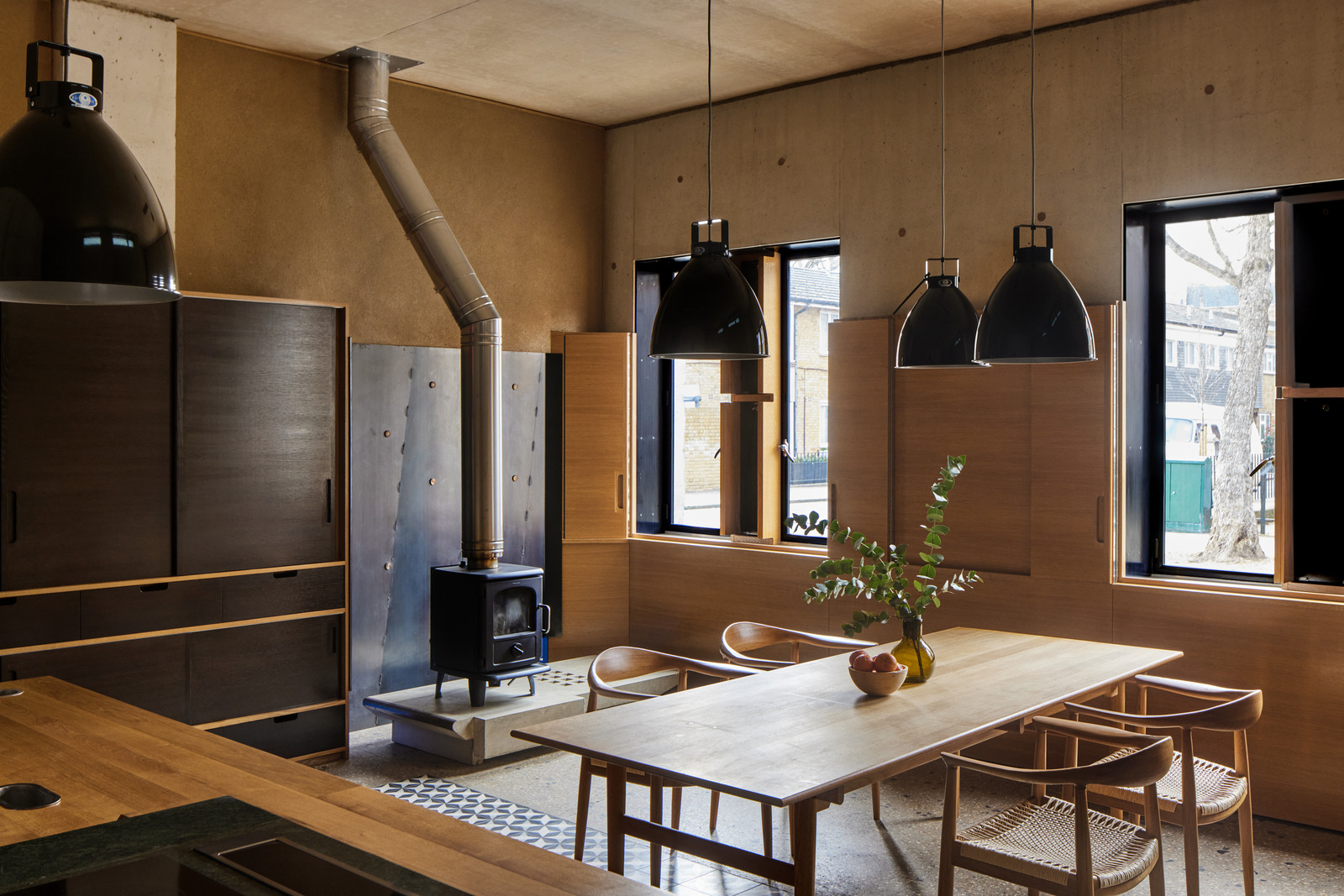
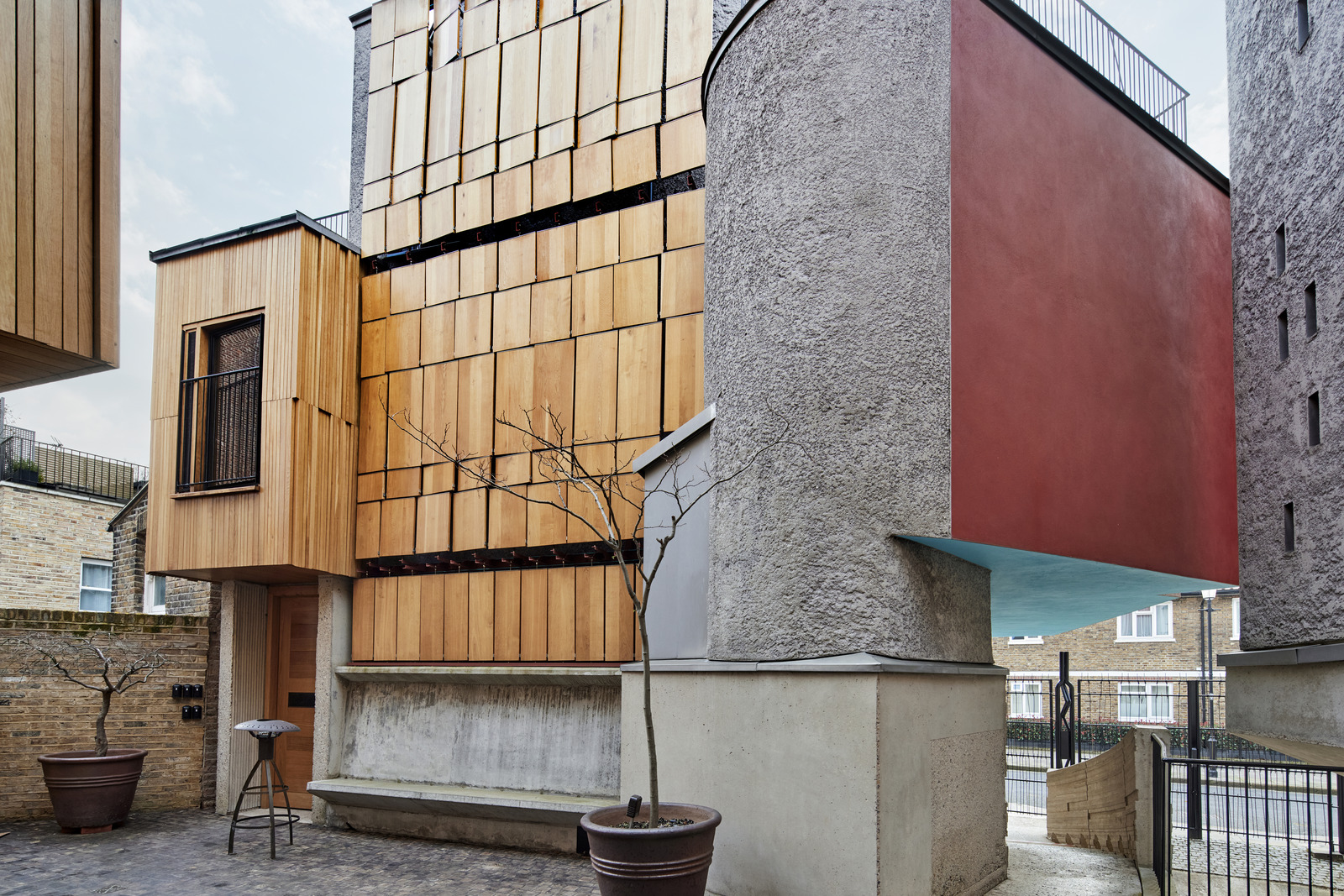
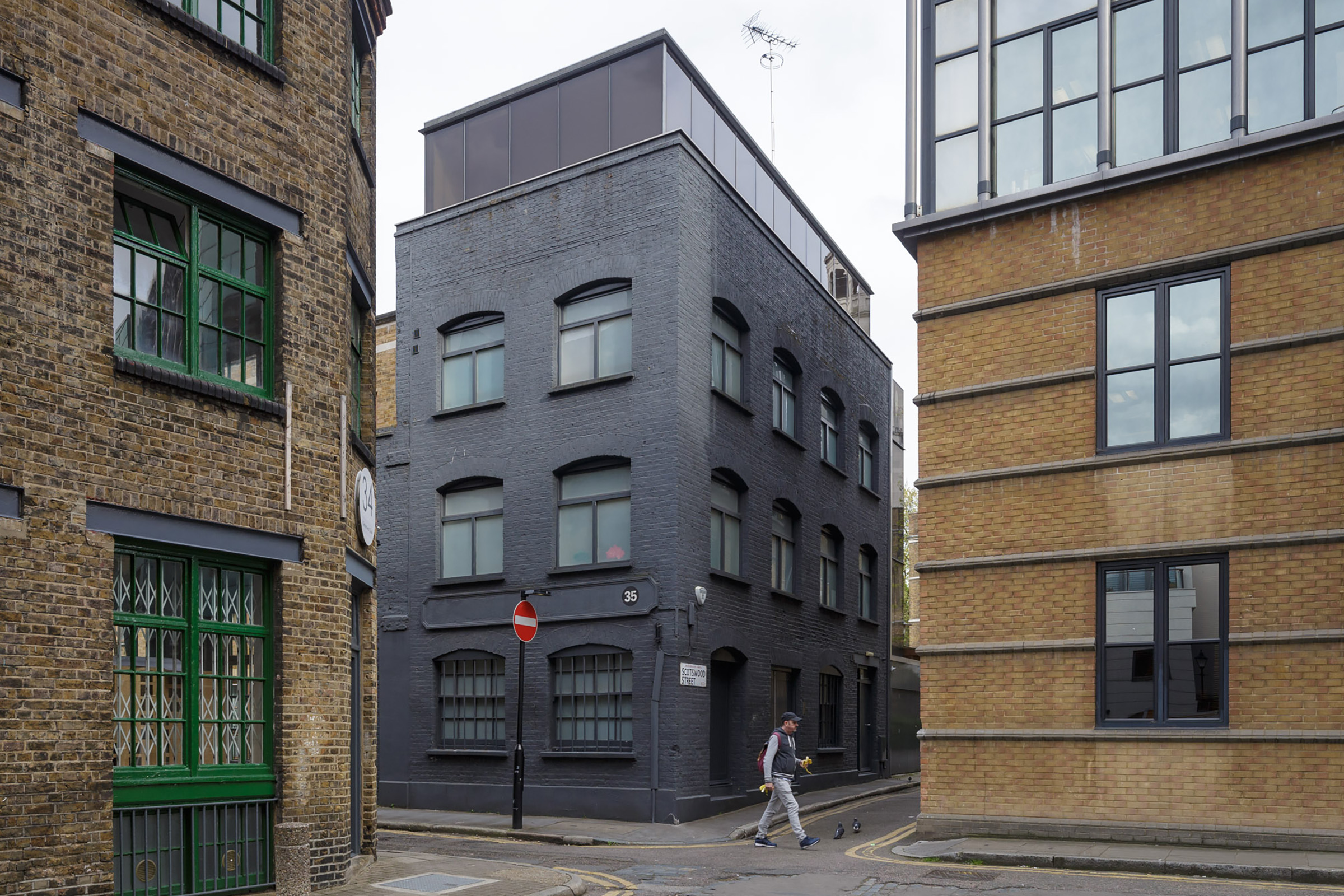
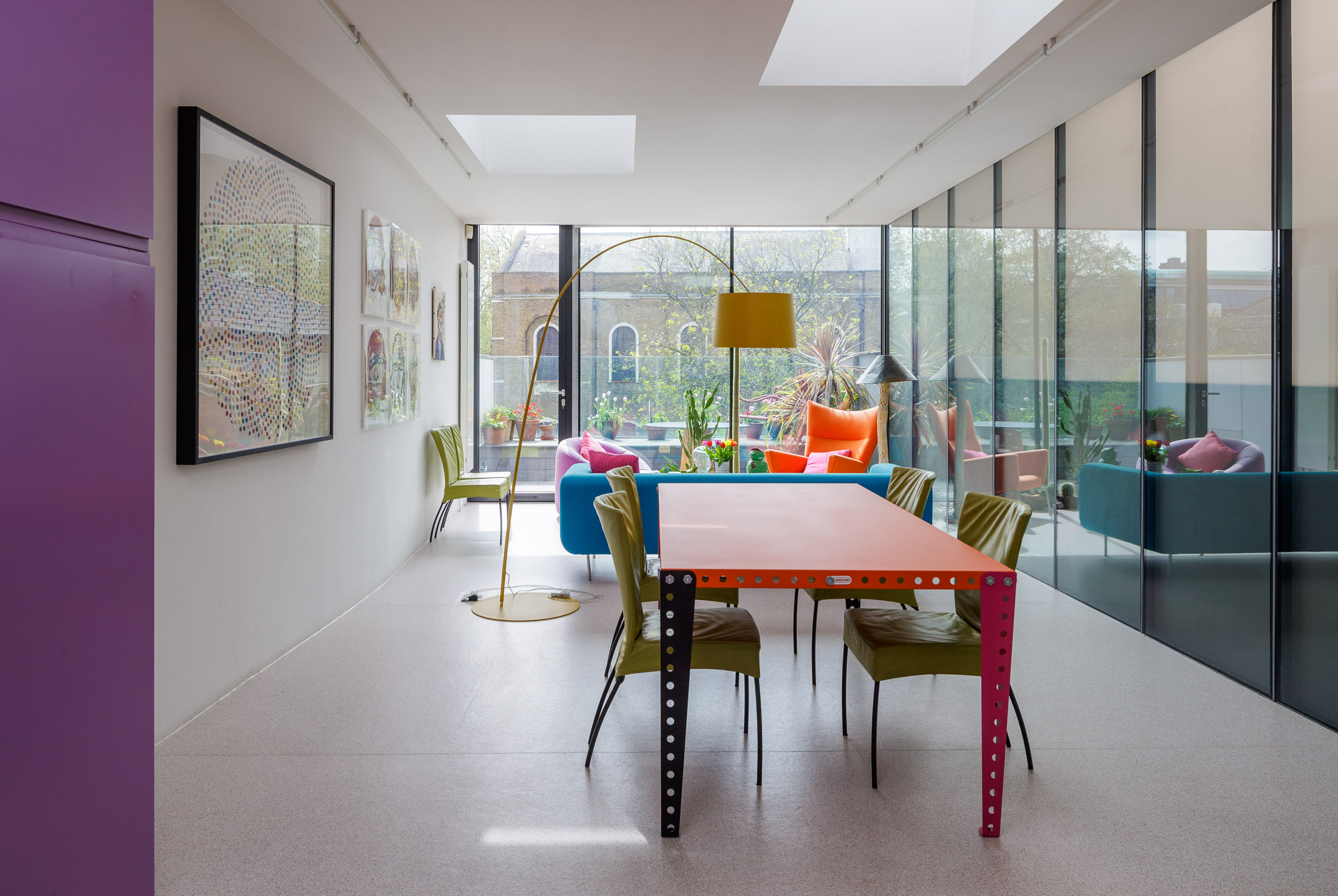
Designed by the internationally acclaimed architect David Adjaye, this breathtaking modern house occupies one of Clerkenwell’s finest locations, quietly overlooking St James’s Church. The interior is flexible, and measures approximately 2,781 sq ft over five storeys.
Fog House
SOLD
History
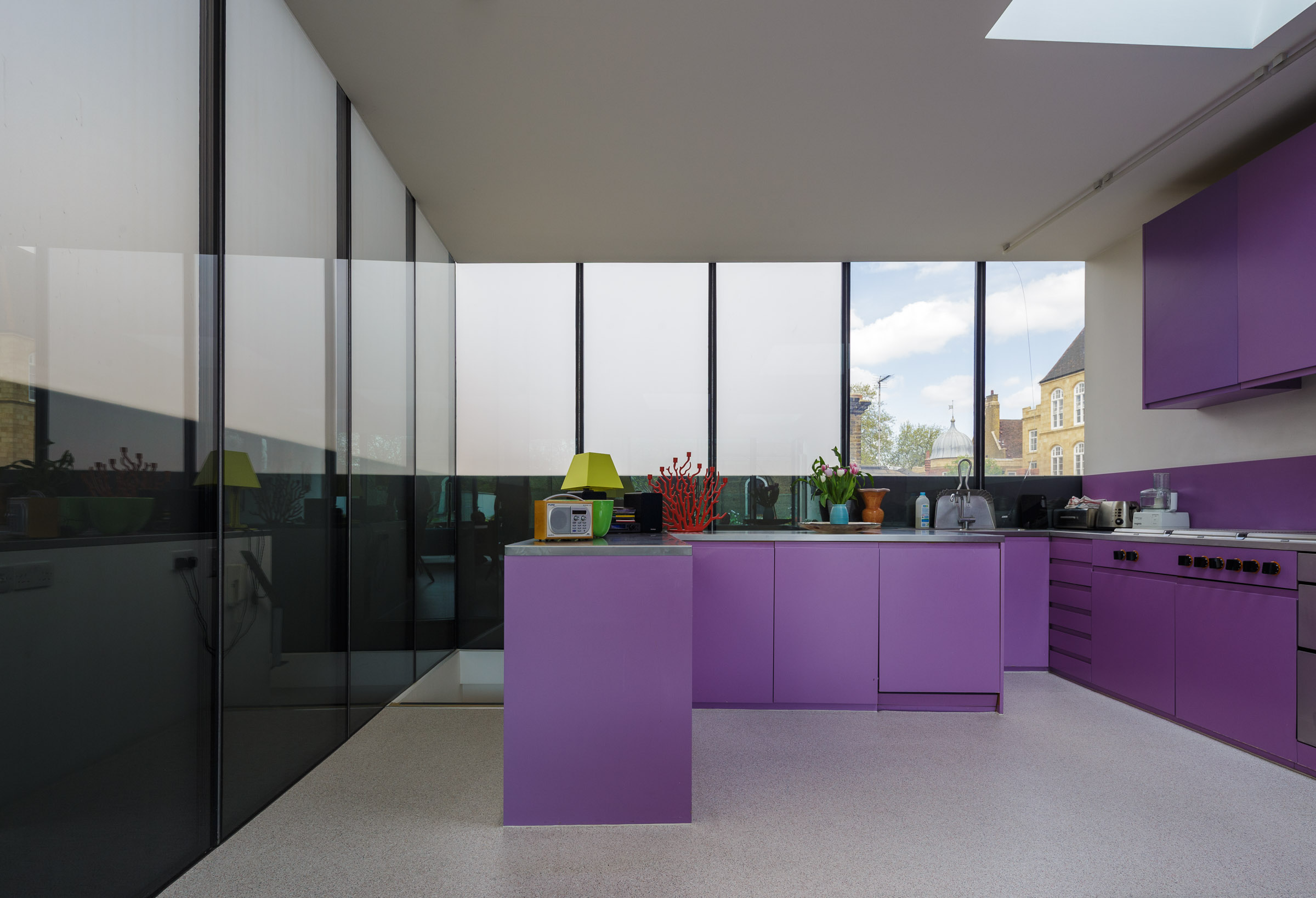
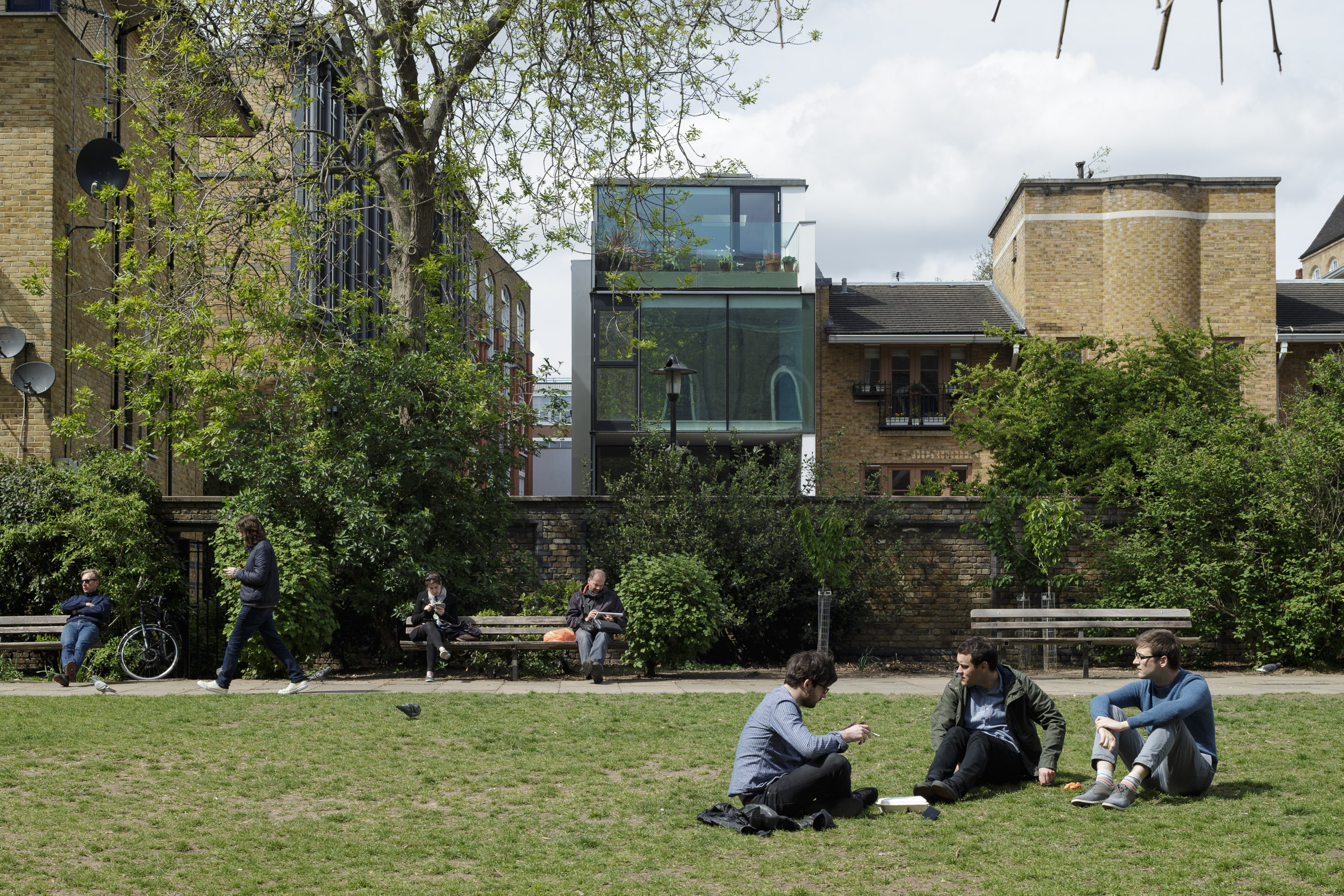
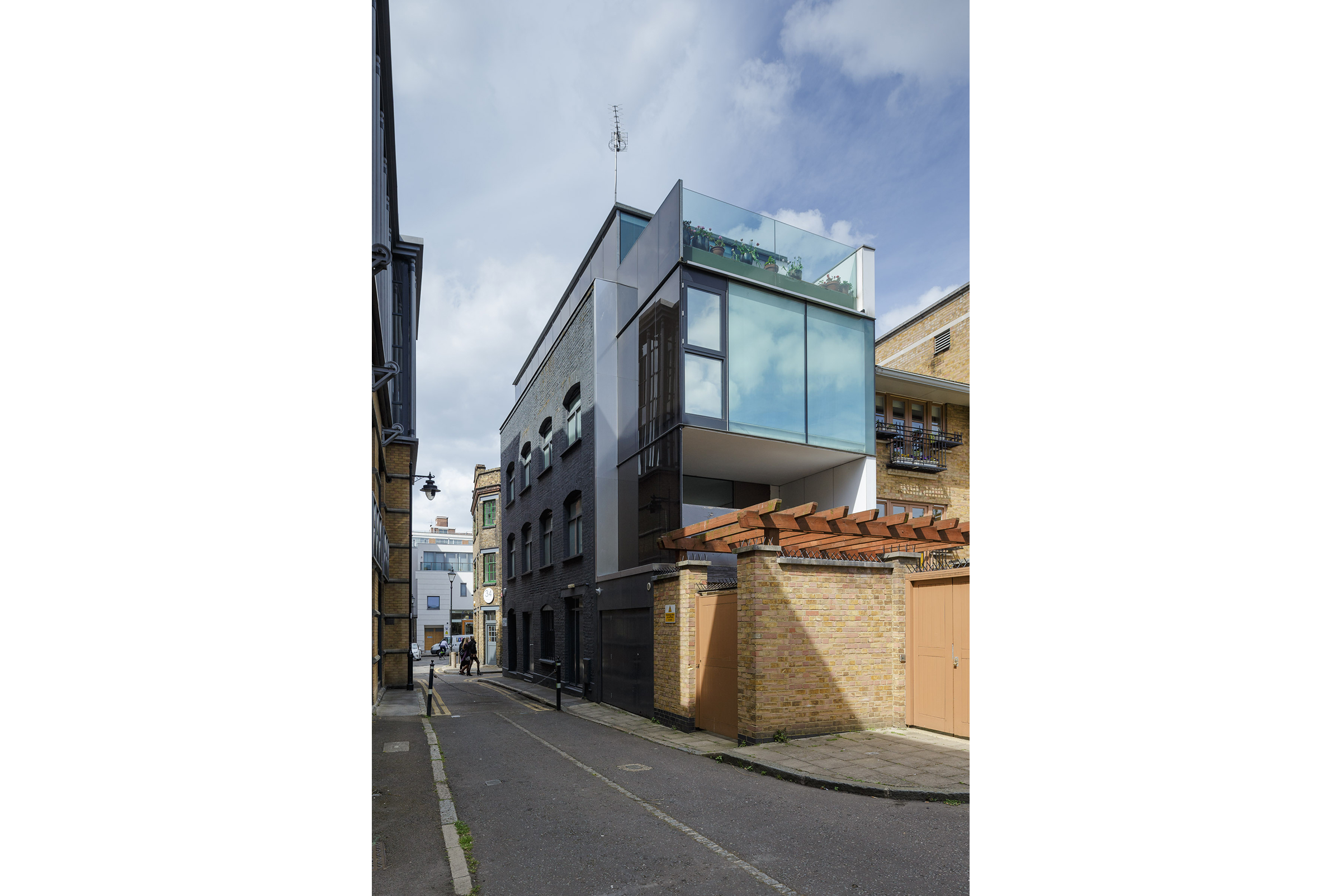
The original building was a three-storey, load-bearing brick structure, with a long, narrow footprint, orientated North-South. Fortuitously, at the South end of the site lies the very pleasant St James's Churchyard. Adjaye took advantage of this, by removing the back wall and constructing a three-storey, cantilevered, glazed extension to exploit the prospect. An additional glazed extension, containing the living areas, was added to the rooftop. The glass used has a bronze tint, and has also been sandblasted to further soften or 'fog' the entering light - hence the name of the house.
Adjaye Associates say the following: “The Fog House occupies a small manufacturing building typical of the area, with a steel and glass envelope standing inside the shell of the earlier building. The envelope projects above the shell, giving a view across Clerkenwell’s rooftops, and out of one end, towards the parish church who's churchyard has become a small park.
“All of the windows in the shell have been reglazed with translucent glass so that they admit light without giving a view. The intensity of light depends on the distance from the ground and the orientation of the windows… On each of the main floors, the translucent glazing makes a connection between the arrival point and the view towards St James’s church, which is framed in a different way at each level. A tendency to polarise the edges of each floor is most clear in the main living space: a panoramic view of the parish church contrasts with a telescopic view of nearby roofs, and a gentle splay on the party wall contrasts with the strict linearity of the new wall opposite. The precise colouring of the wall, and of the space, itself is dependent on external conditions. In brighter weather, it glows with diffused light; at other times, the glass has a darker colour and the internal refections describe a virtual space that has a mysterious depth. The effect of the solid parapet behind this wall is comparable to that of the horizon in a Sugimoto seascape.”
Interested?