Fox Lane
Sold
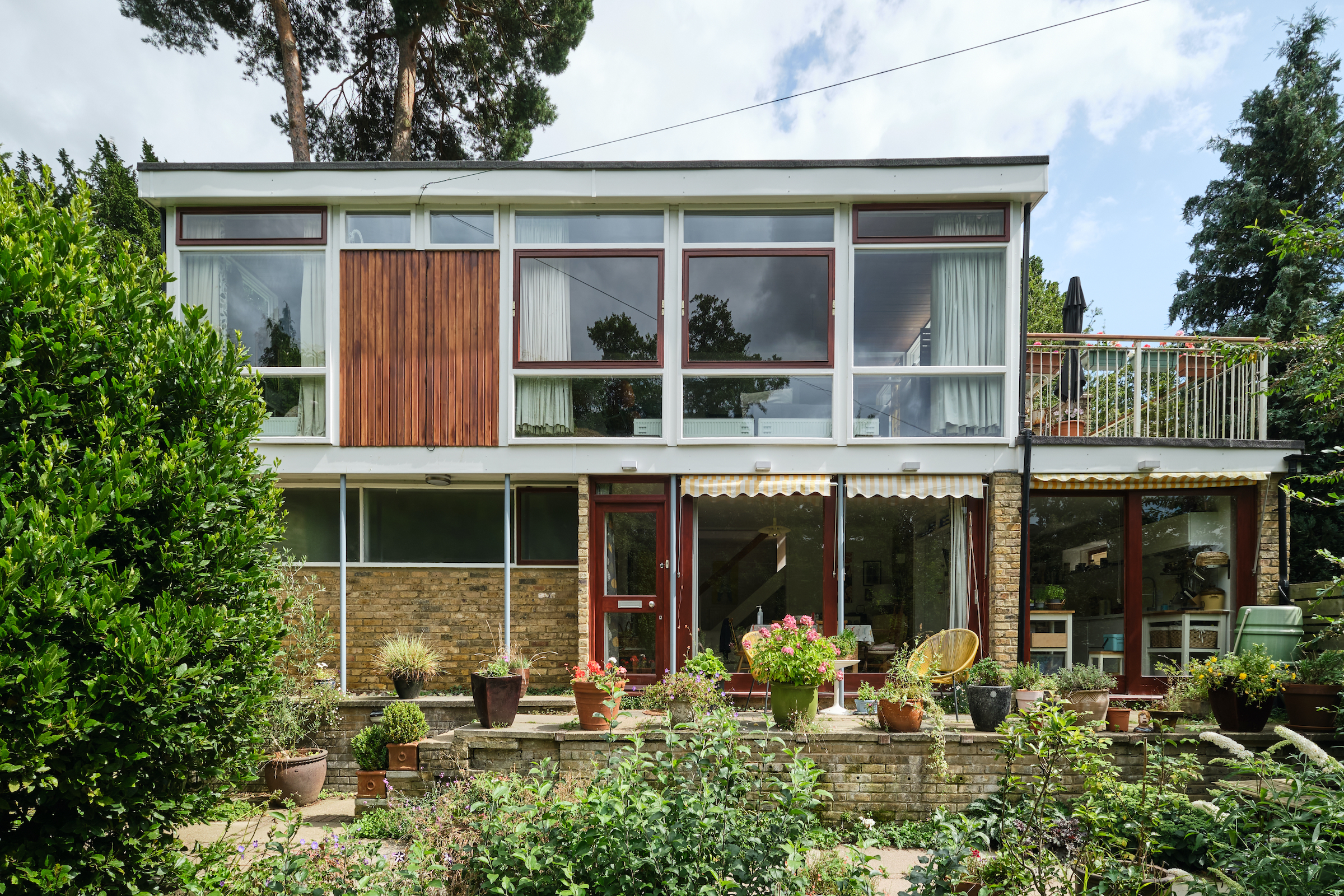


“A seminal mid-century project by Roy Hickman, which captures the sense of optimism and architectural innovation of the period”
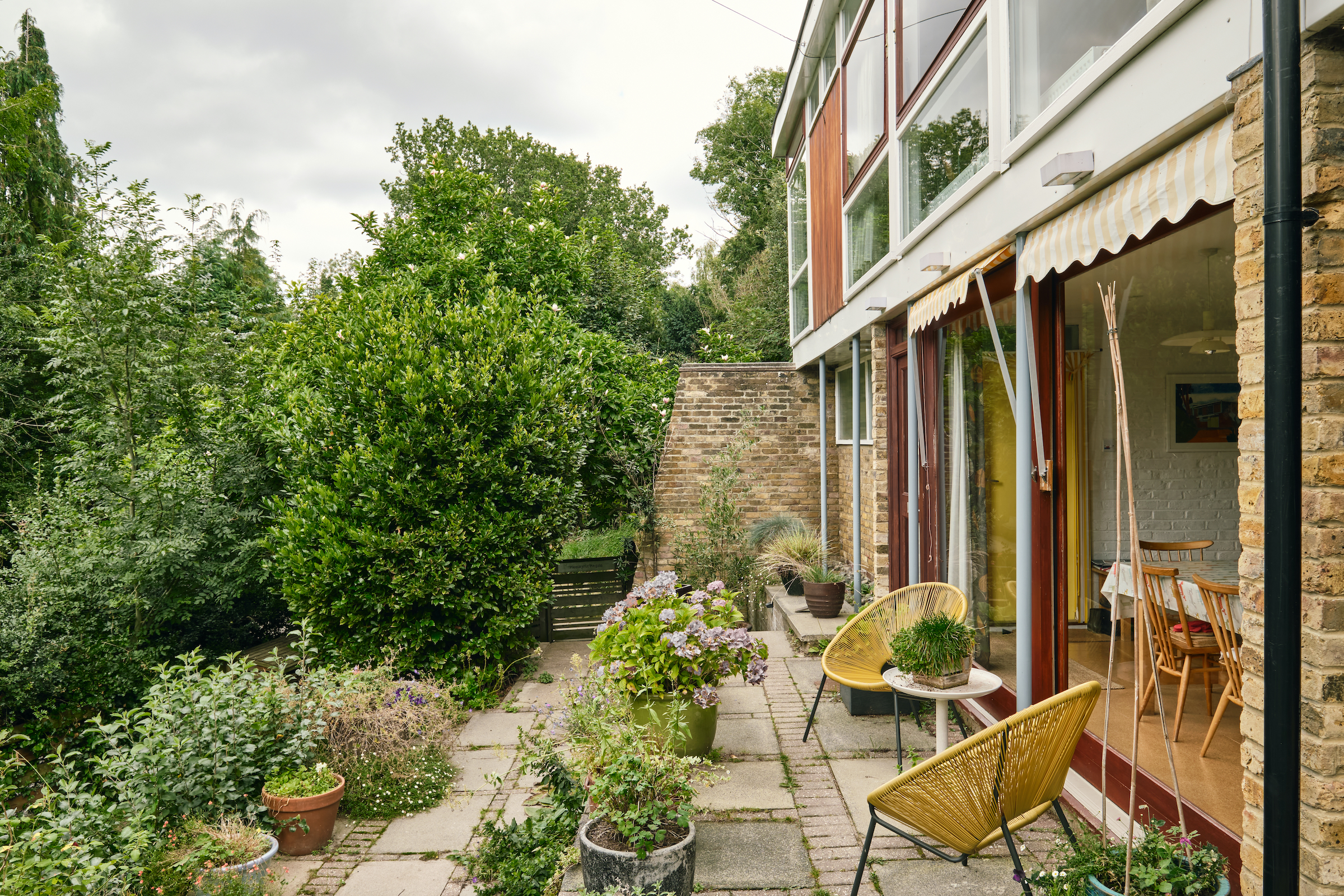
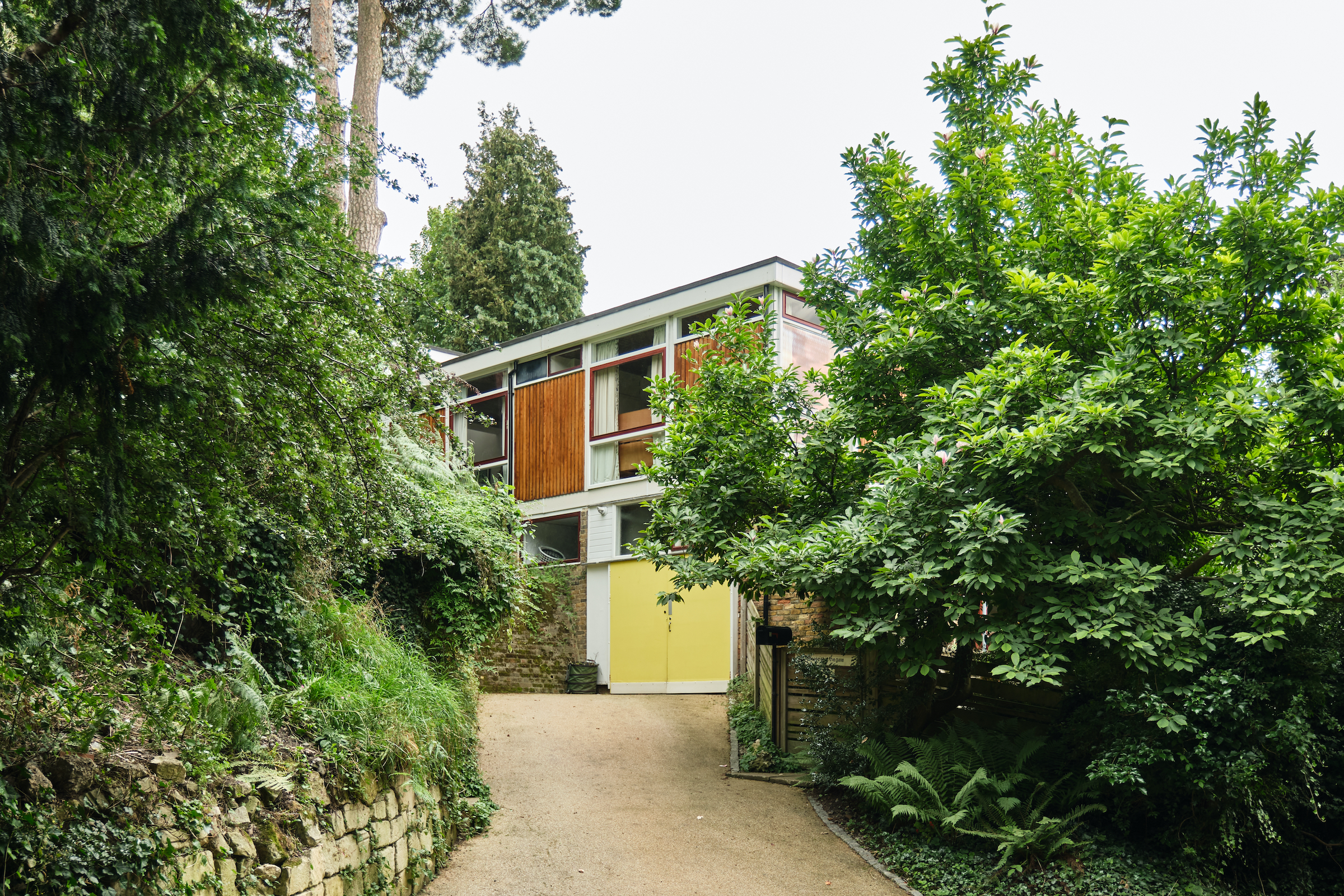
This beautiful house lies on Fox Lane, right at the edge of Keston village green. It was designed by architect Roy Hickman in 1960 and has an elevated position over the village. The house unfolds over two floors and contains four bedrooms, plus a large roof terrace that receives plenty of evening sun. The house is surrounded by a tiered garden, which has been lovingly maintained and carefully planted. Keston Village is a short drive from the centre of Bromley and has good connections to central London. For more information on the design of the house, please see the History section below.
Fox Lane
SOLD
History
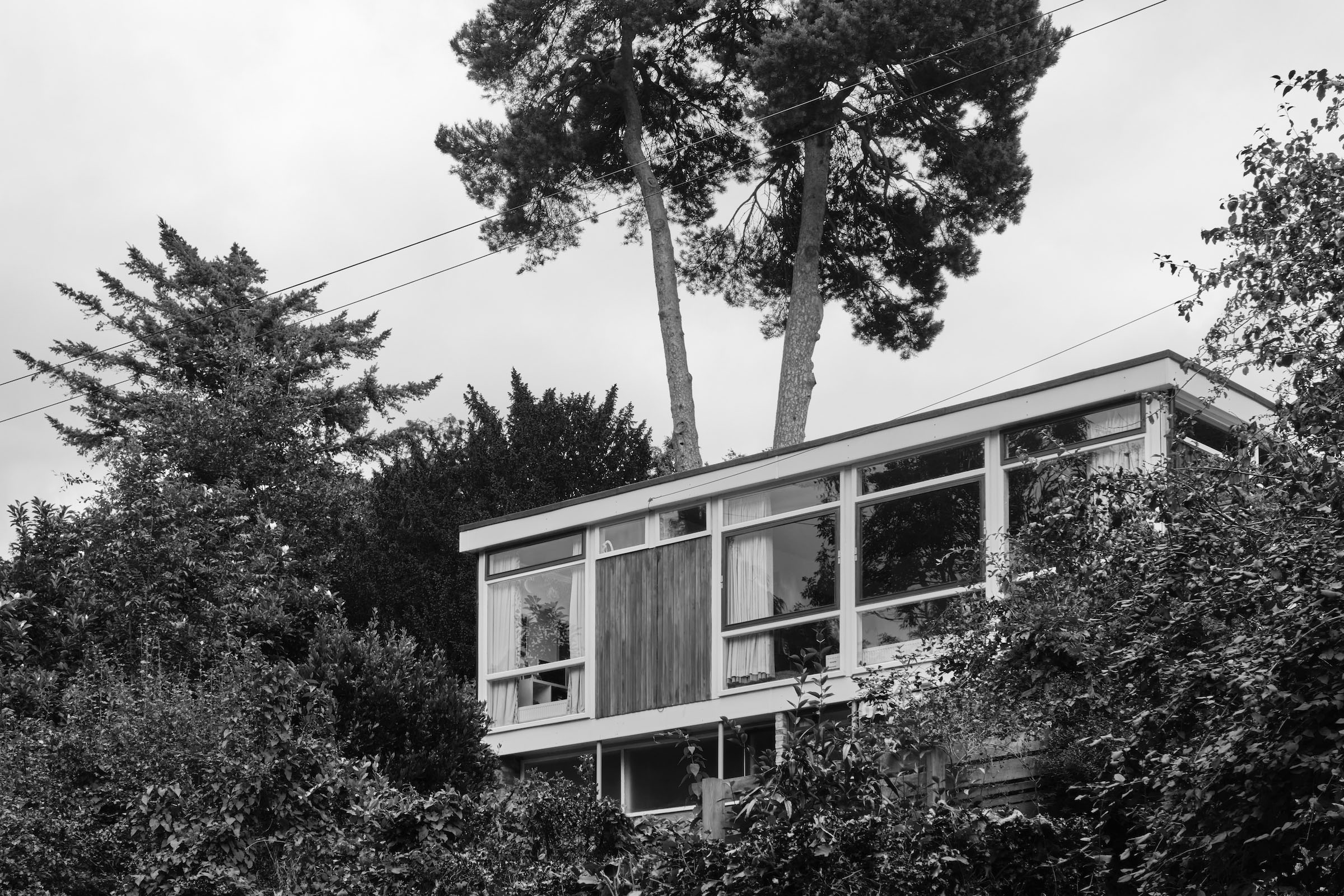
This house is one of four adjacent houses in Keston designed in the late 1950s/early 1960s by Roy Hickman, a founding partner of Wells, Hickman and Partners, whose most notable work is perhaps Wokingham County Infant’s School. They also undertook several speculative housing developments, including Moat Court, Eltham (1961).
The period following the end of World War II, when Hickman was working, was one of the most exciting and imaginative for private house building in English architectural history. It was directed by three main influences: the availability of large sheets of plate glass, the introduction of central heating (allowing for open-plan living) and the absence of live-in servants. Emphasis was placed on light and space, with areas sometimes only separated from one another by a change in level, a piece of built-in furniture or change in flooring material. A less rigorously defined sense of interior and exterior space developed and allowed buildings to age and weather into their landscape in a traditional way.
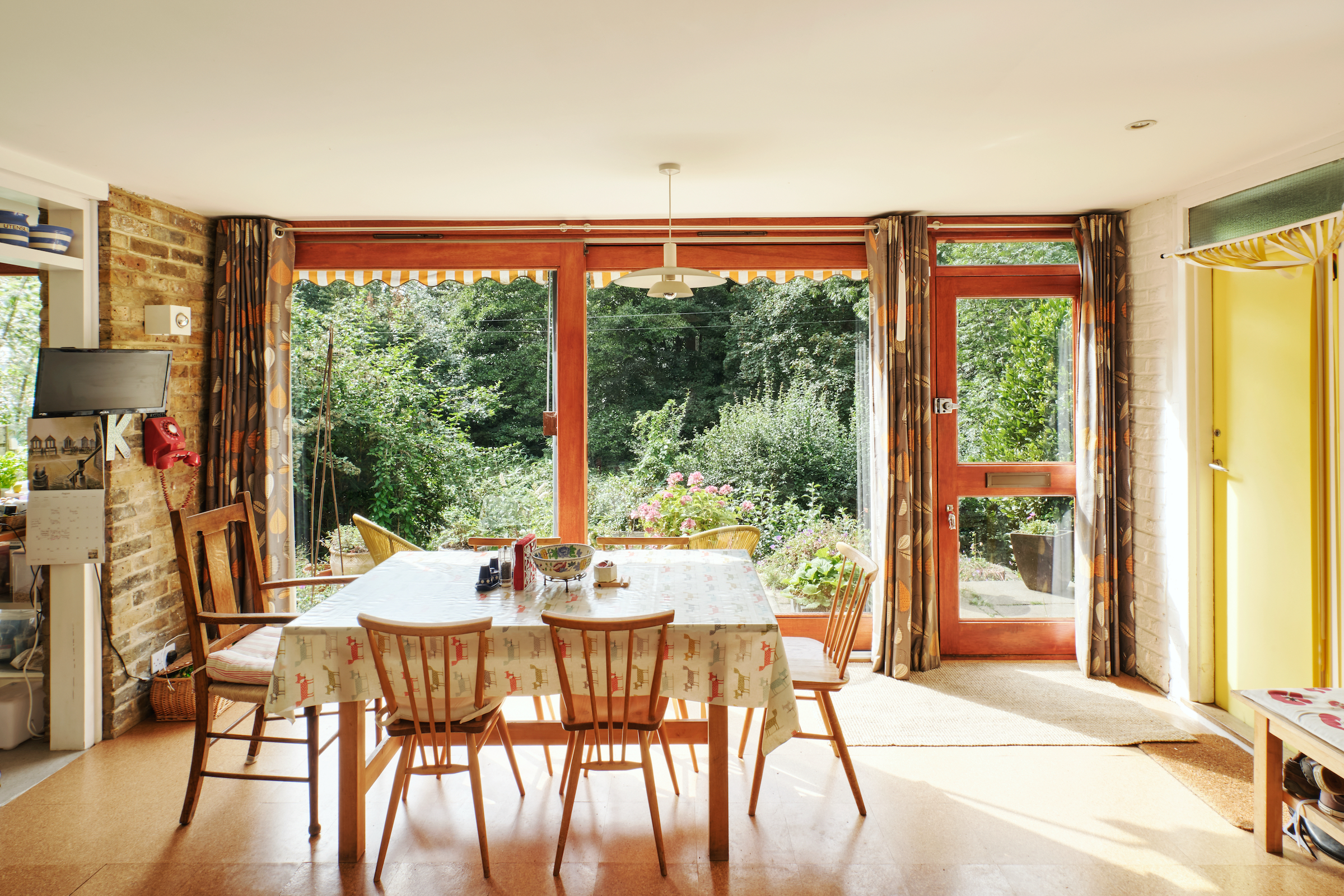
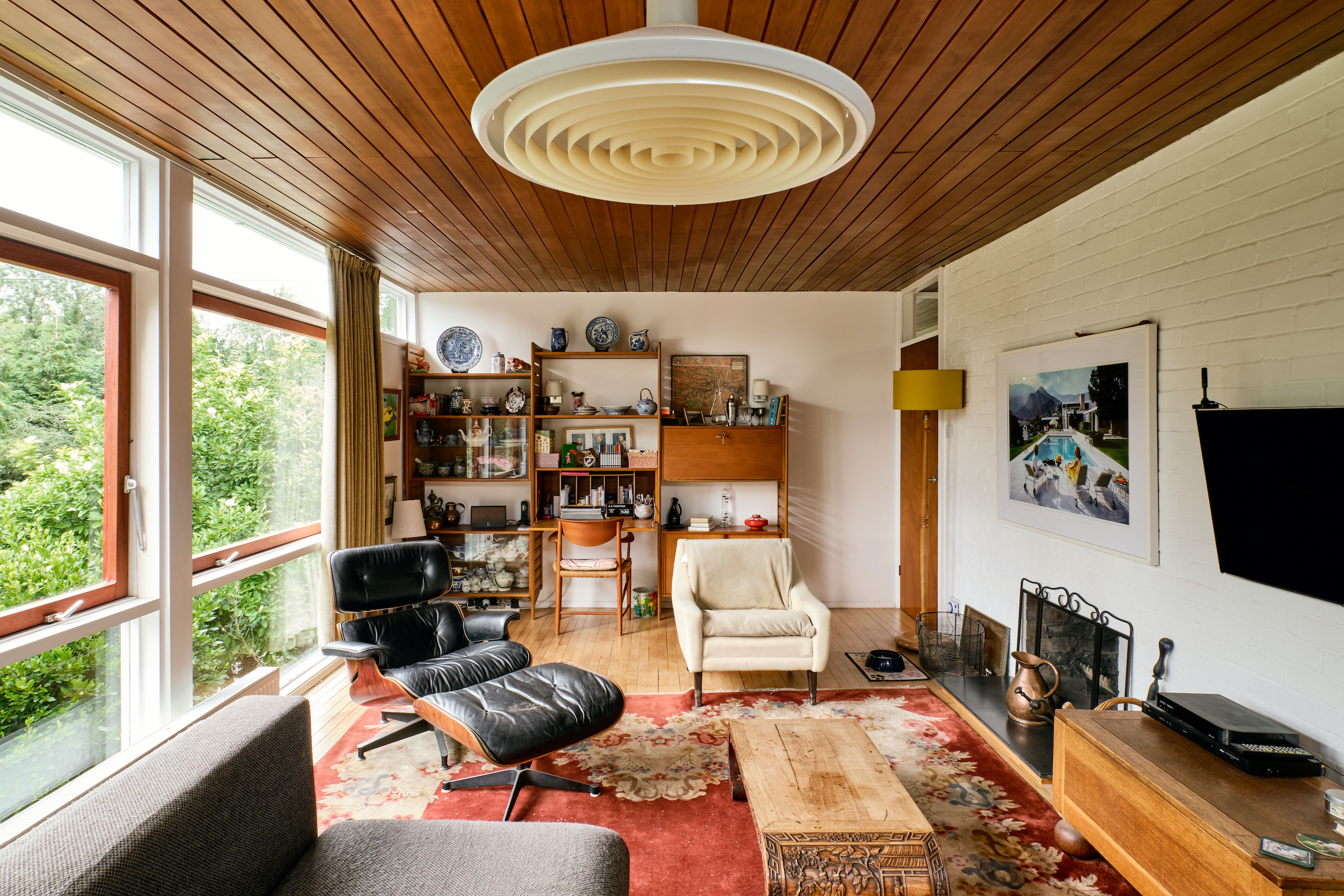
There are a number of ways in which this house reflects these ideas. For example, the positioning of the main living space and bedrooms on the first floor maximises the views and is a feature found in a number of houses of the 1950s and '60s. The upper floor is formed of a lightweight timber frame with timber and glass infill. Features such as boarded ceilings, built-in cupboards and a flow between the kitchen and dining room are also typical of houses of this period. Set on a sloping wooded site, the house embraces the surrounding landscape, both immediate and distant, with large full-height and full-width windows taking advantage of the elevated position and generating an exciting vista out to the wider landscape.
These houses were considered seminal works at the time, capturing the sense of optimism and innovation of the period. Their elevated positions and large windows engender a sense of being perched within the surrounding trees, making them particularly unique. Three of these houses remain.
Interested?