Sold
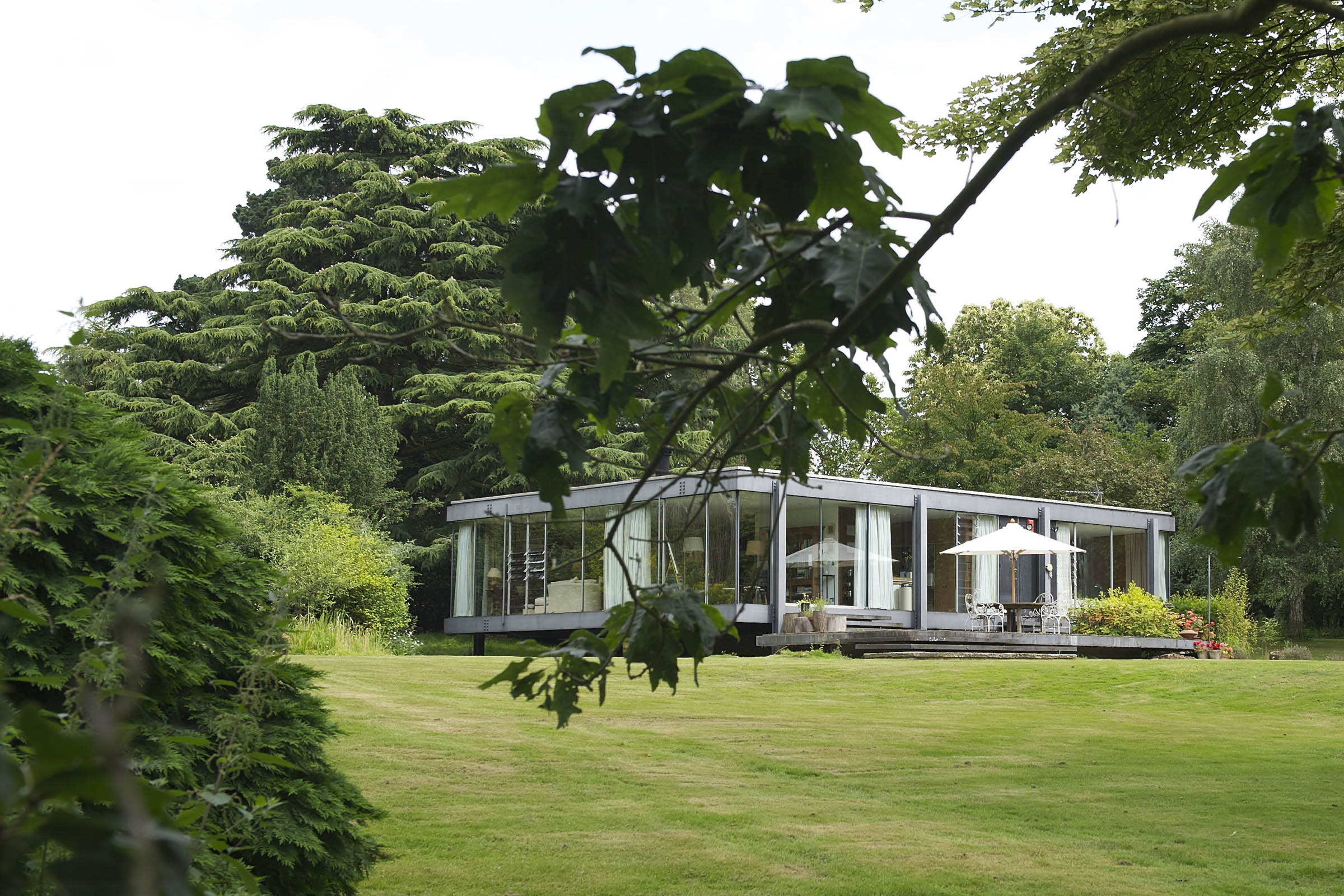


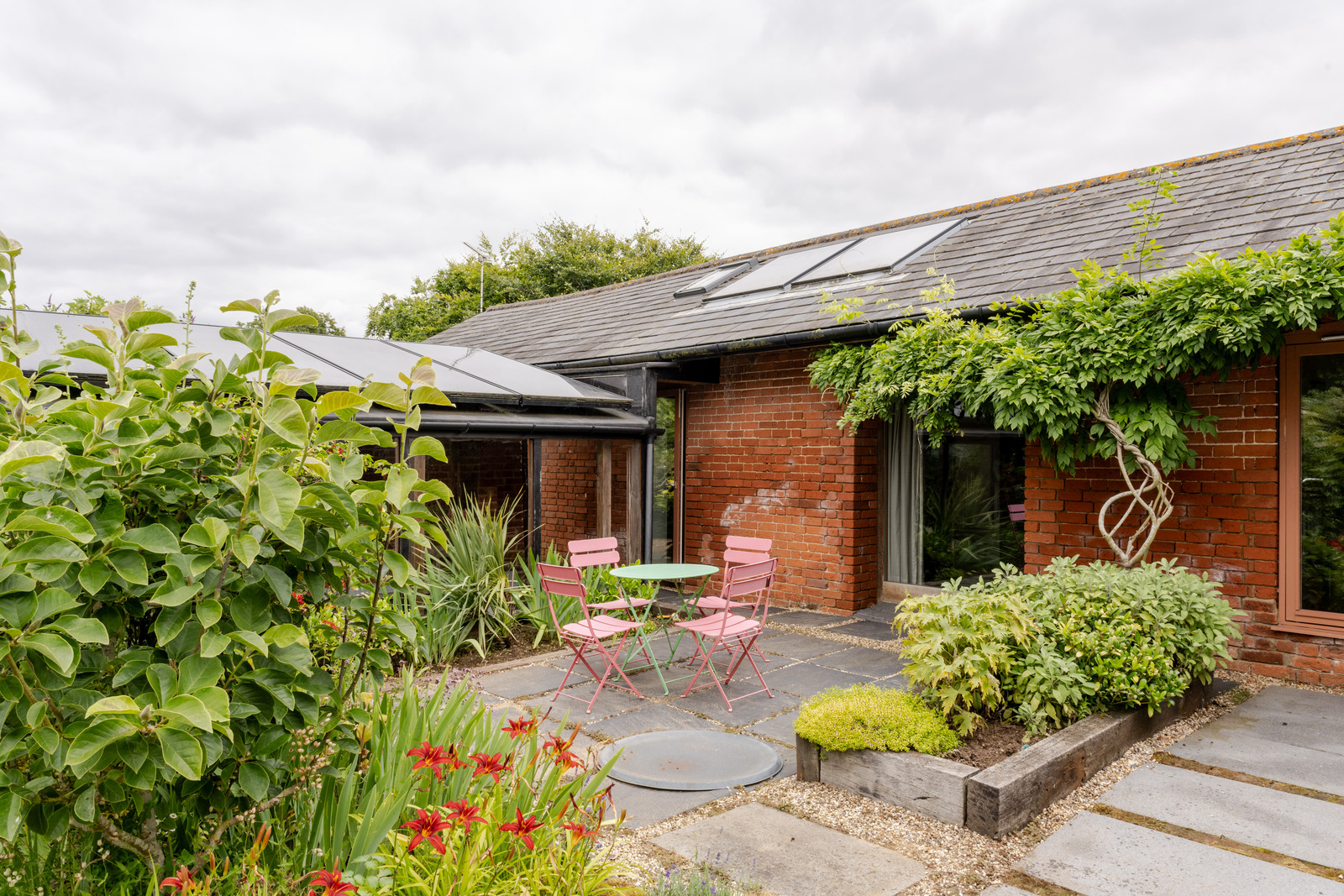
Wedgwood House is one of Britain's undiscovered architectural gems. Set in 3.35 acres of beautifully landscaped gardens in a tranquil Suffolk vale, this Grade II-listed, three / four bedroom house is an example of Modern architecture at its finest.
Higham
SOLD
History
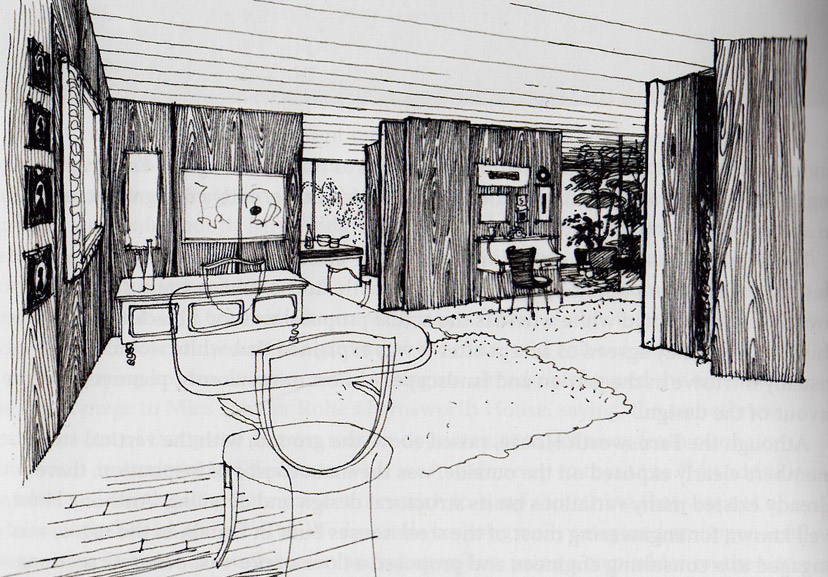
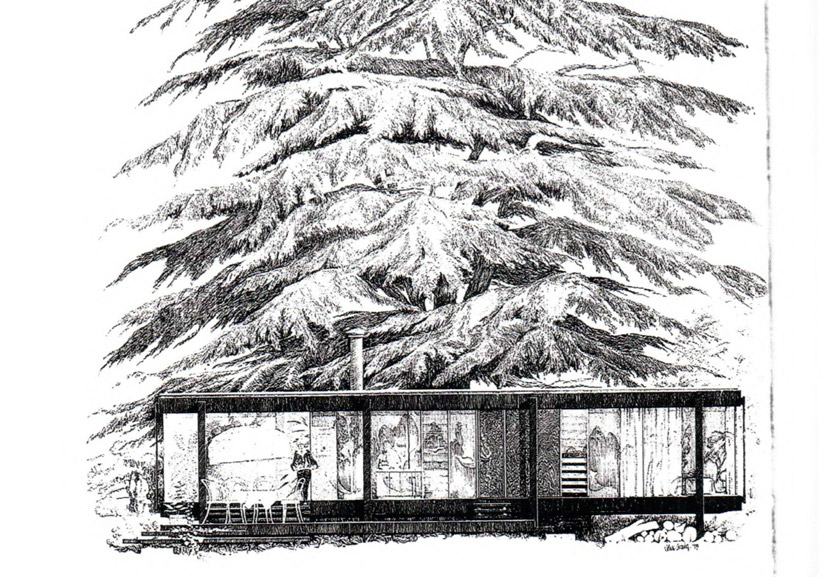
Wedgwood House was originally designed by Peter Aldington and John Craig for Harold and Joan Wedgwood, a wealthy couple who were leaving a substantial Victorian house and wanted something entirely different. Harold Wedgwood commented when living there that (quoted in 'Aldington, Craig and Collinge' by Alan Powers):
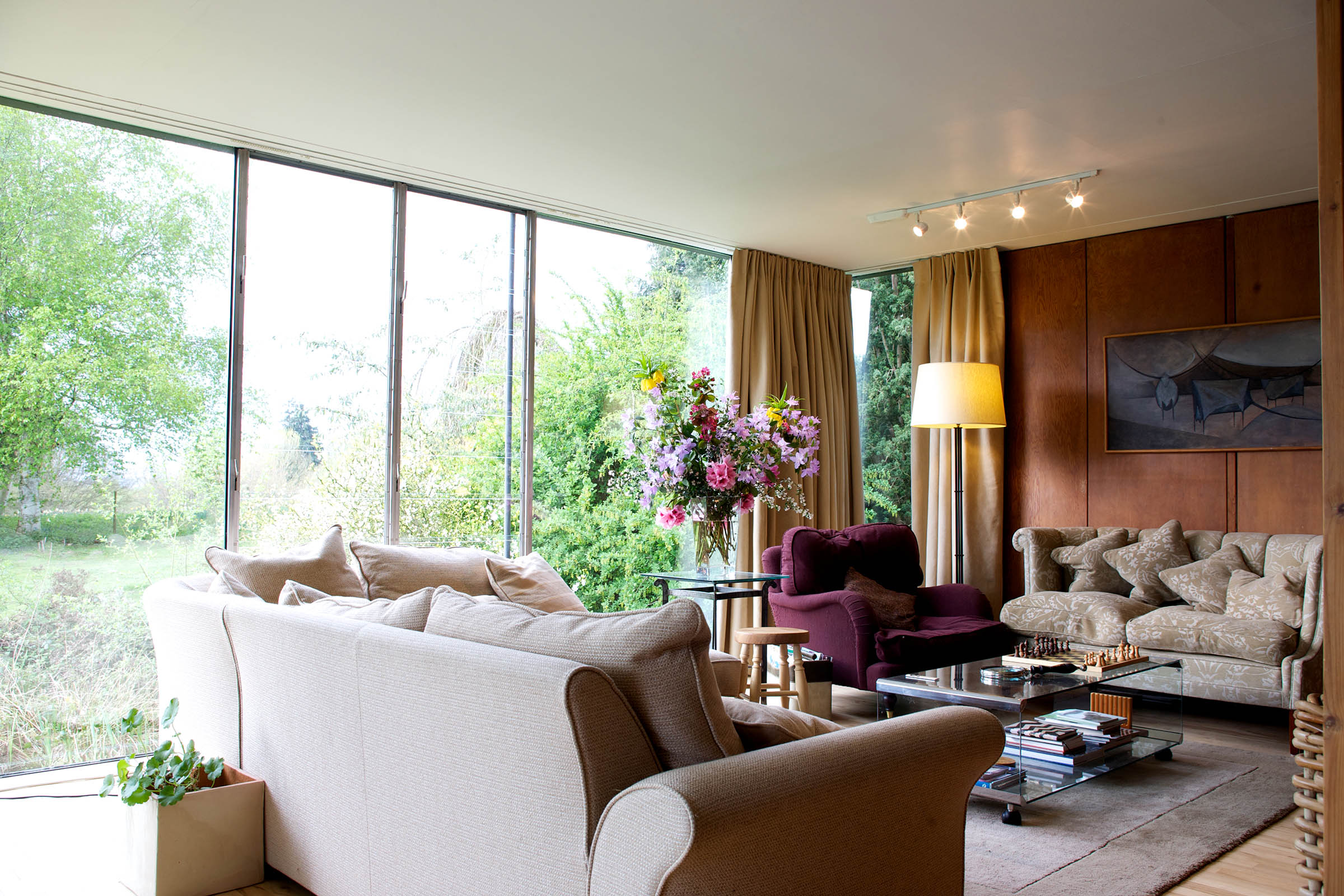
"we wanted sun, orientation, to live in the garden... we gained all those things. We would never return to a traditional house; our previous one was three times the size but it had less than half the useable space we have now".
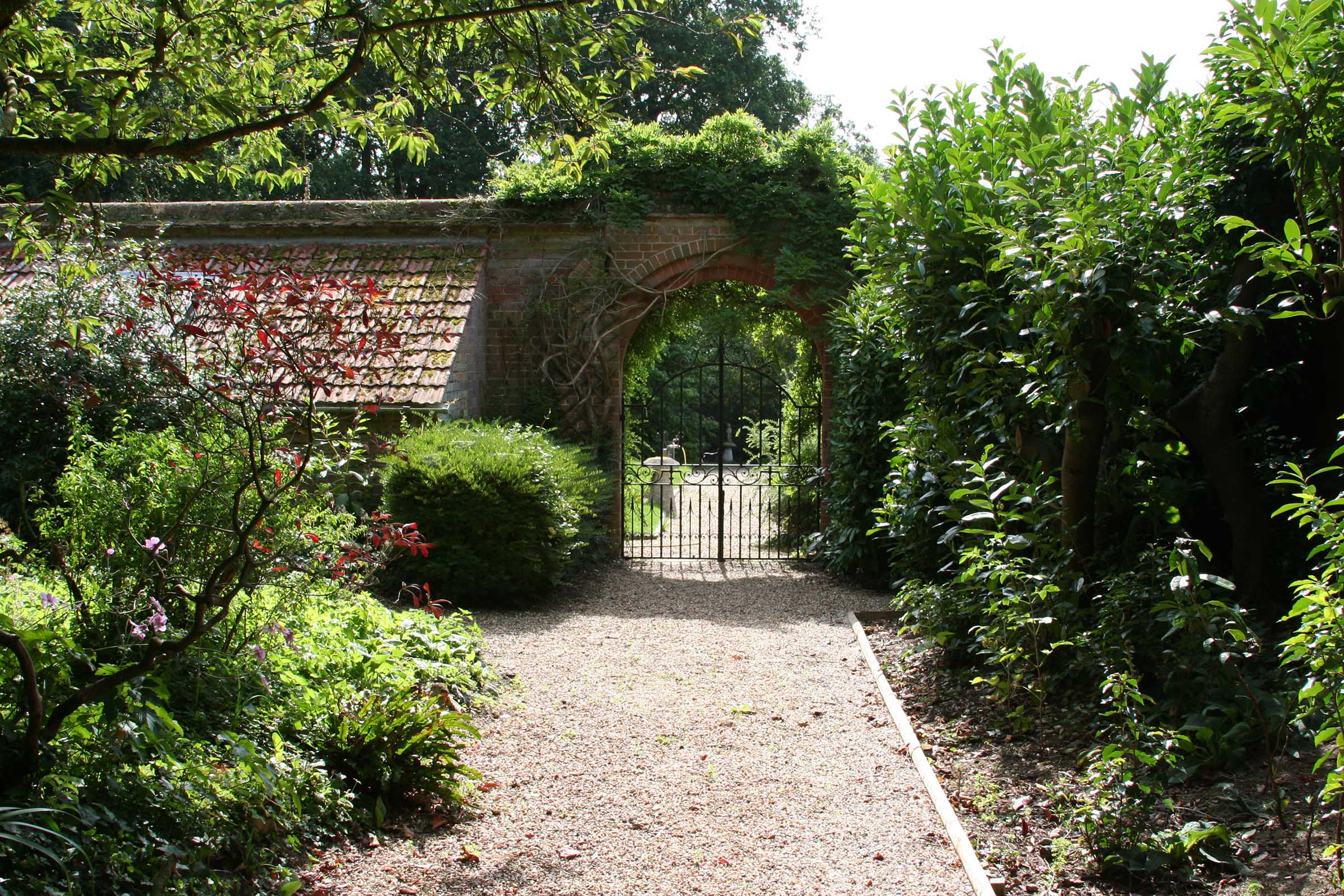
The house was something of a departure for Aldington and Craig as they usually preferred brick and timber as opposed to steel and glass. The beauty and size of the garden, however, dictated a building that seemingly 'floated' in the landscape and impacted on it as little as possible. As the architecture critic Martin Richardson wrote in 'Architectural Review',
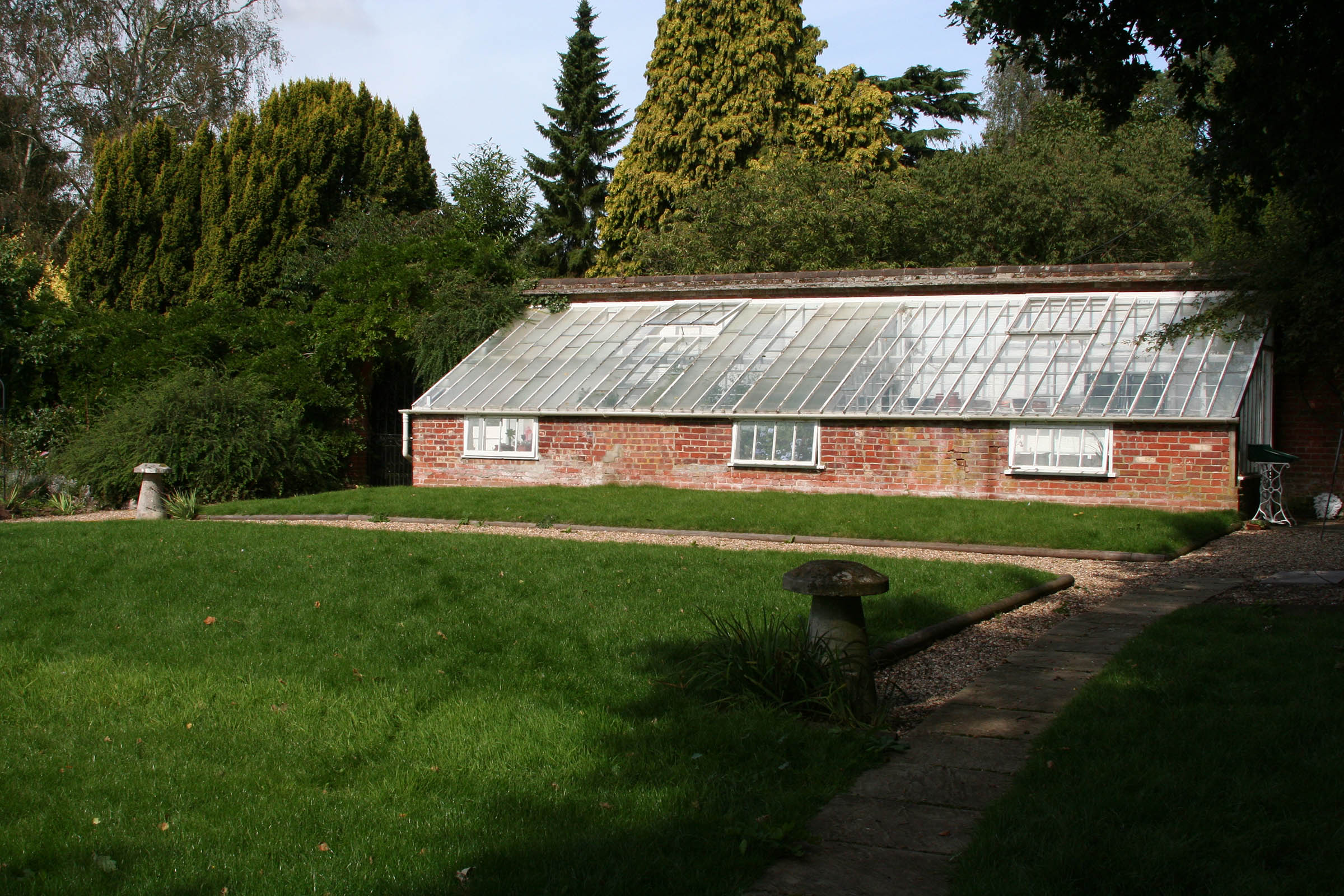
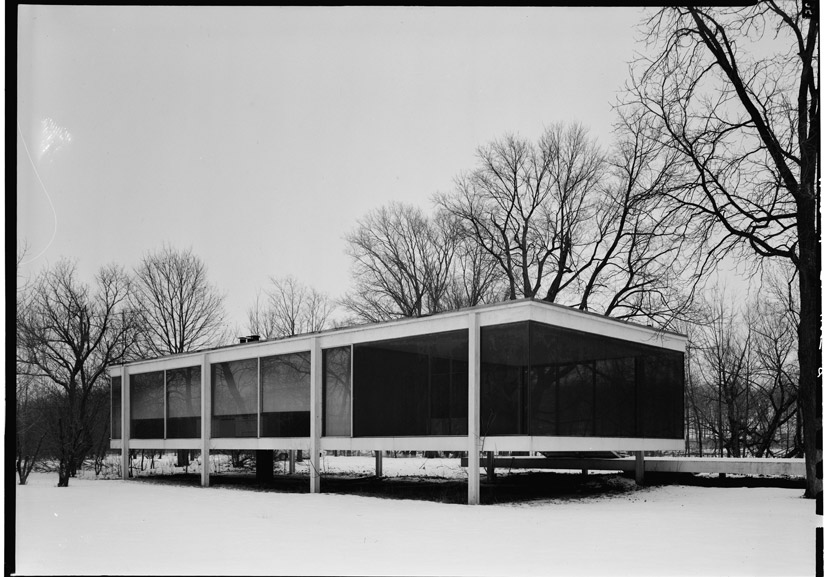
"[the design] confounds their early reputation for richly timbered and sculpted houses... though on closer examination each of their buildings shows a remarkably fresh approach. What emerges in common is the completeness and conviction with which the concept of each is carried through into every detail. What is fascinating is the contrast between the Miesian image of the building (see Farnsworth House by Mies van der Rohe, right) and the Englishness of... a site in Constable country... a walled garden, the clients growing their own vegetables... bottling jam...".
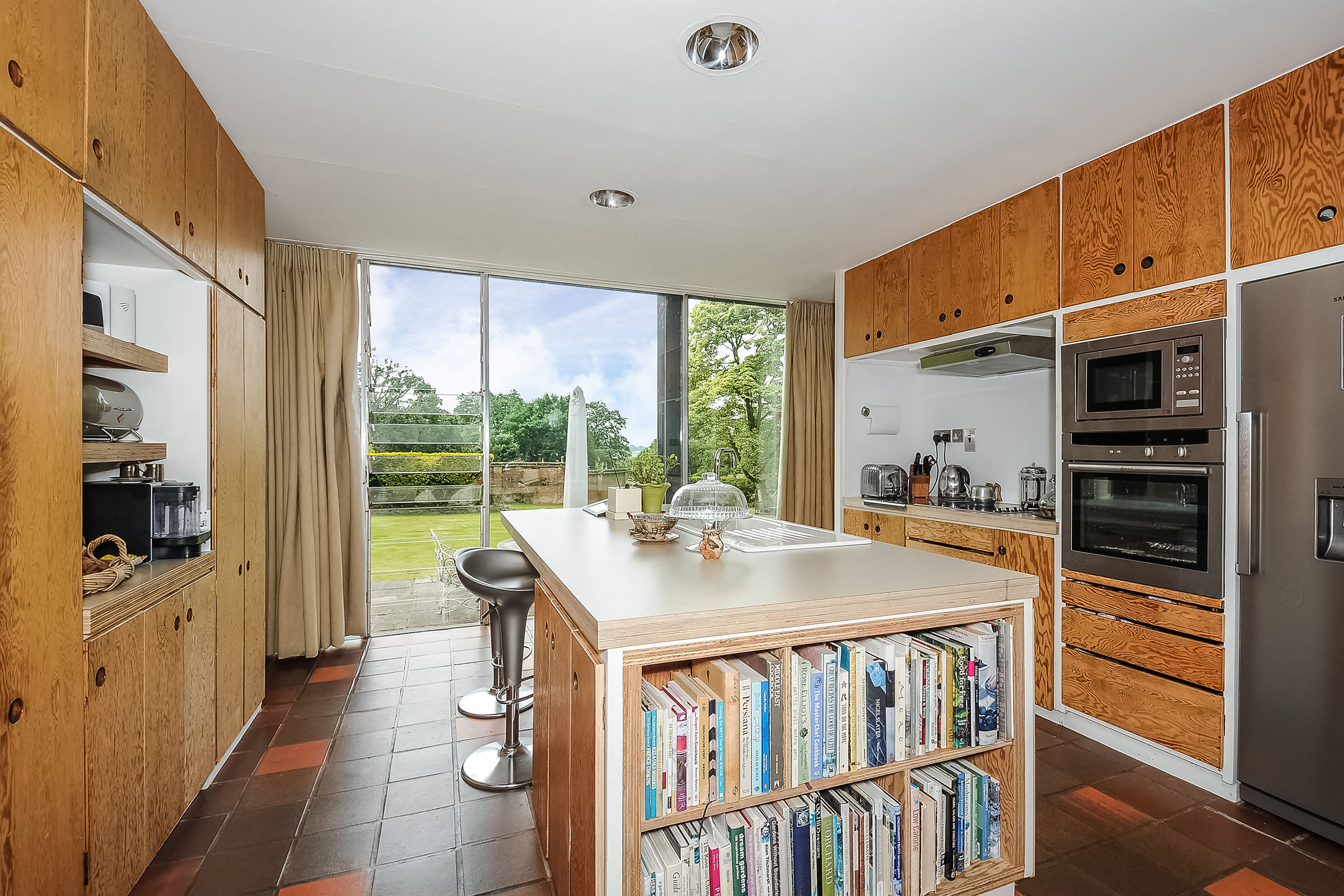
Richardson also commented on the way that the high quality of joinery helped "the lovely though demanding harmony".
Wedgwood House is one of the least known of the houses worked on by Peter Aldington. Perhaps the best known is his own house in Buckinghamshire or Anderton House in Devon (owned by the Landmark Trust), both of which are listed by English Heritage and have been widely discussed and documented. Aside from Martin Richardson's comments, above, one of the few people to have written about Wedgwood House is the architectural historian Charles McKean who described it as:
"A compact steel pavilion located... on the edge of superb garden. The form of the house is a direct consequence of the owners wishing to live in the middle of the garden, yet retaining the fine view: hence the height above the ground, and the garden room which itself opens out into the garden. The house floats above the ground making it seem less substantial that it is."
Interested?