Isokon Building II
Sold
Sold
Isokon Building II
Lawn Road, London NW3
SOLD
Architect: Wells Coates
or call +44 (0)20 3795 5920
Share


"More like the machine-à-habiter than anything Le Corbusier ever designed" - JM Richards
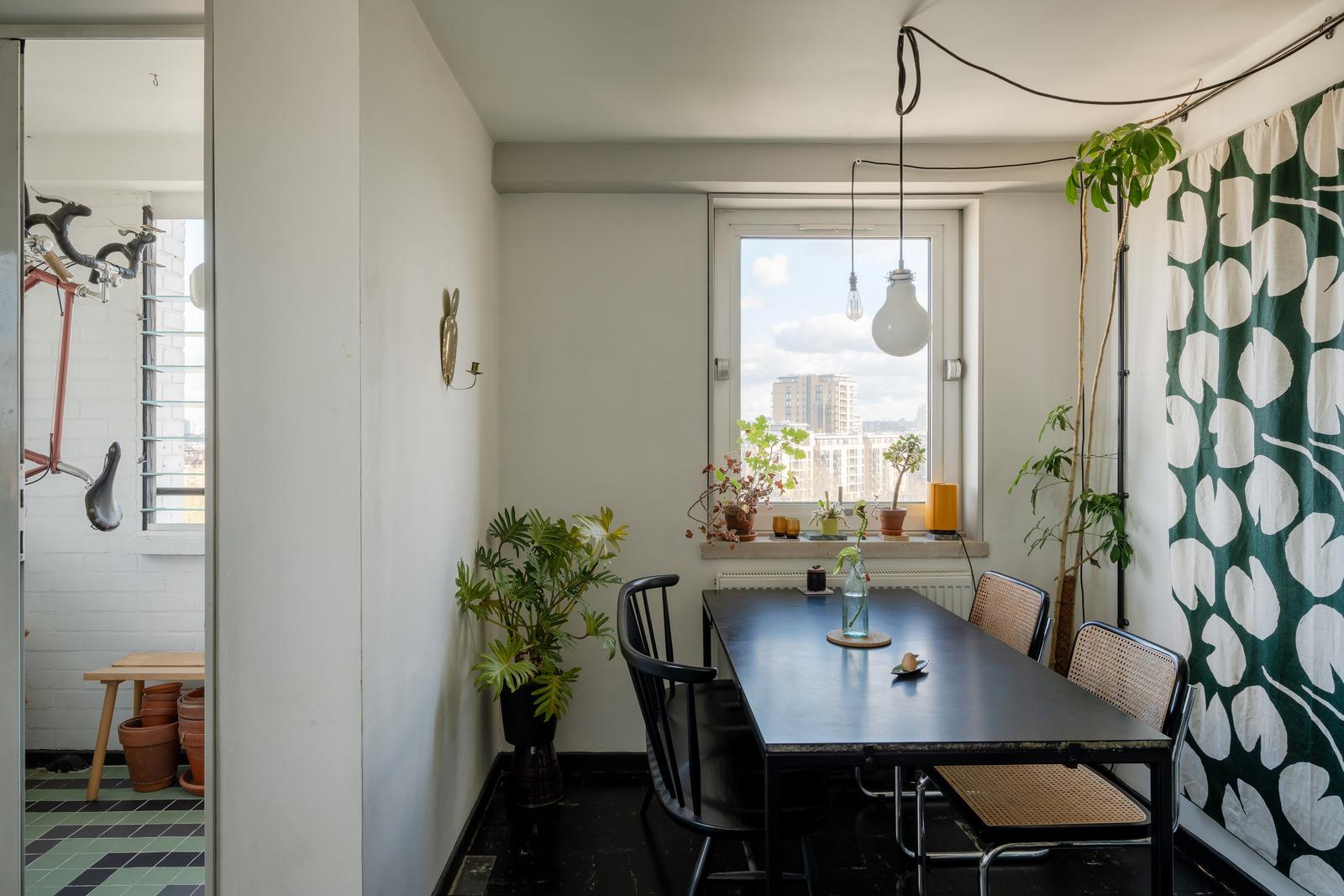
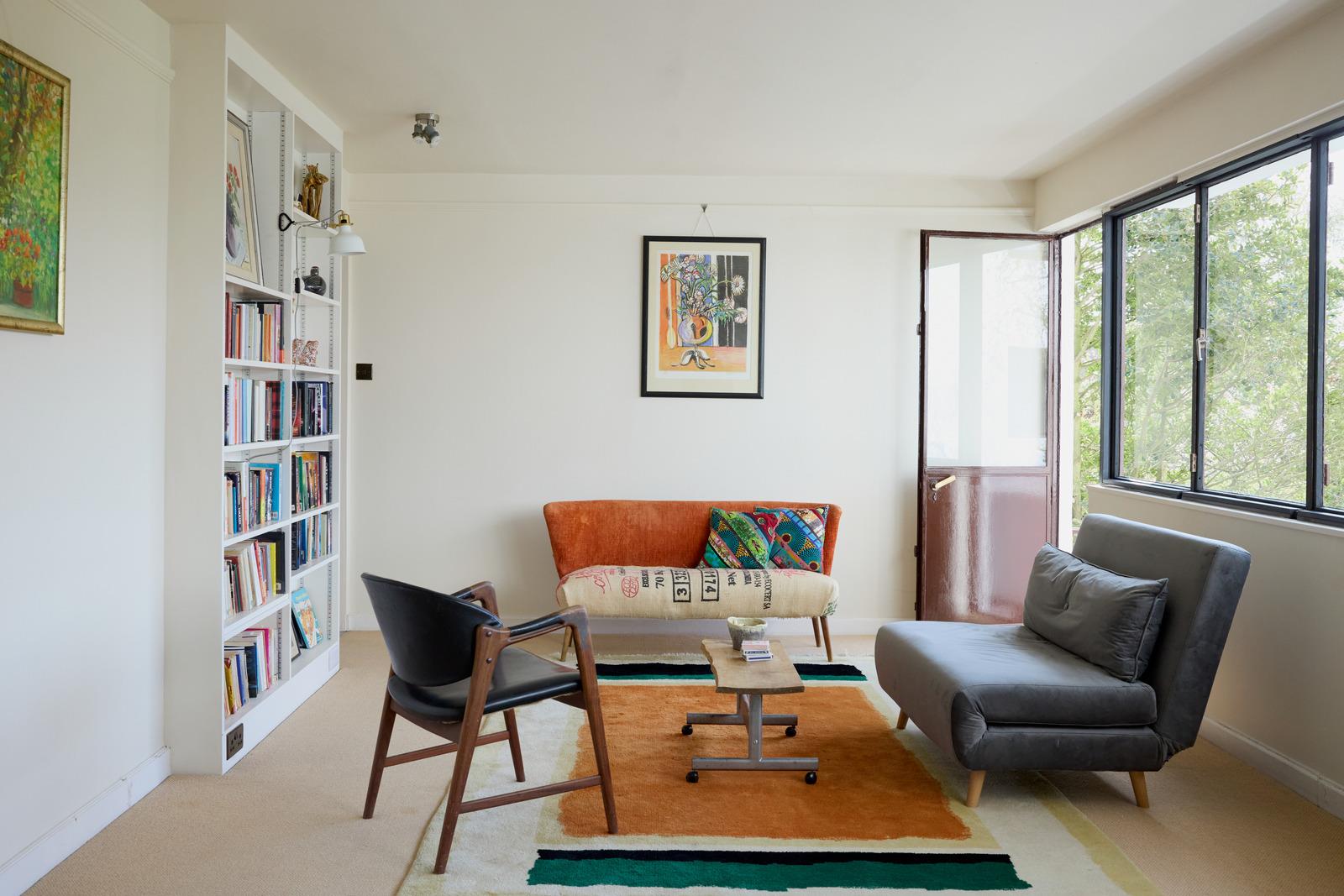
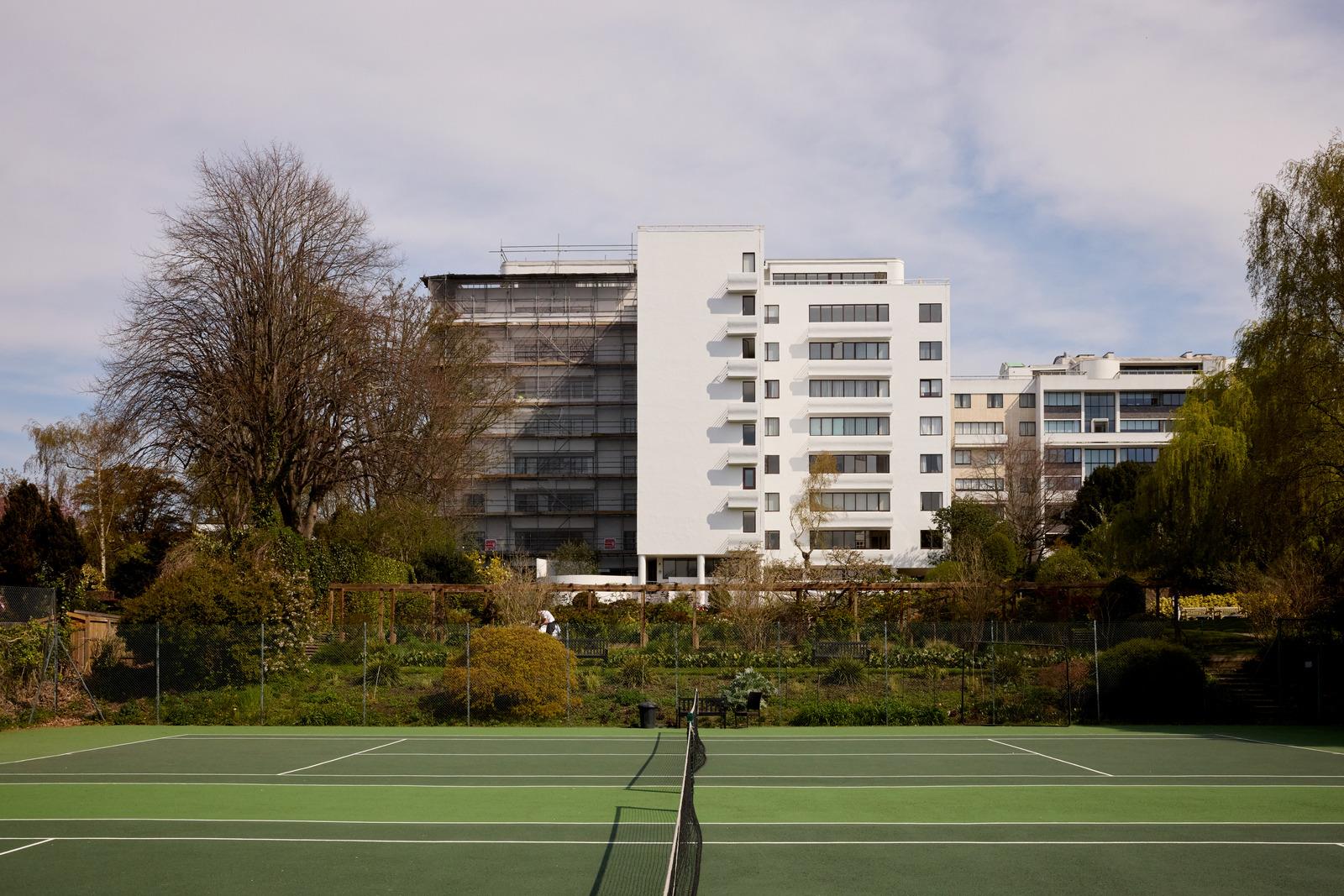
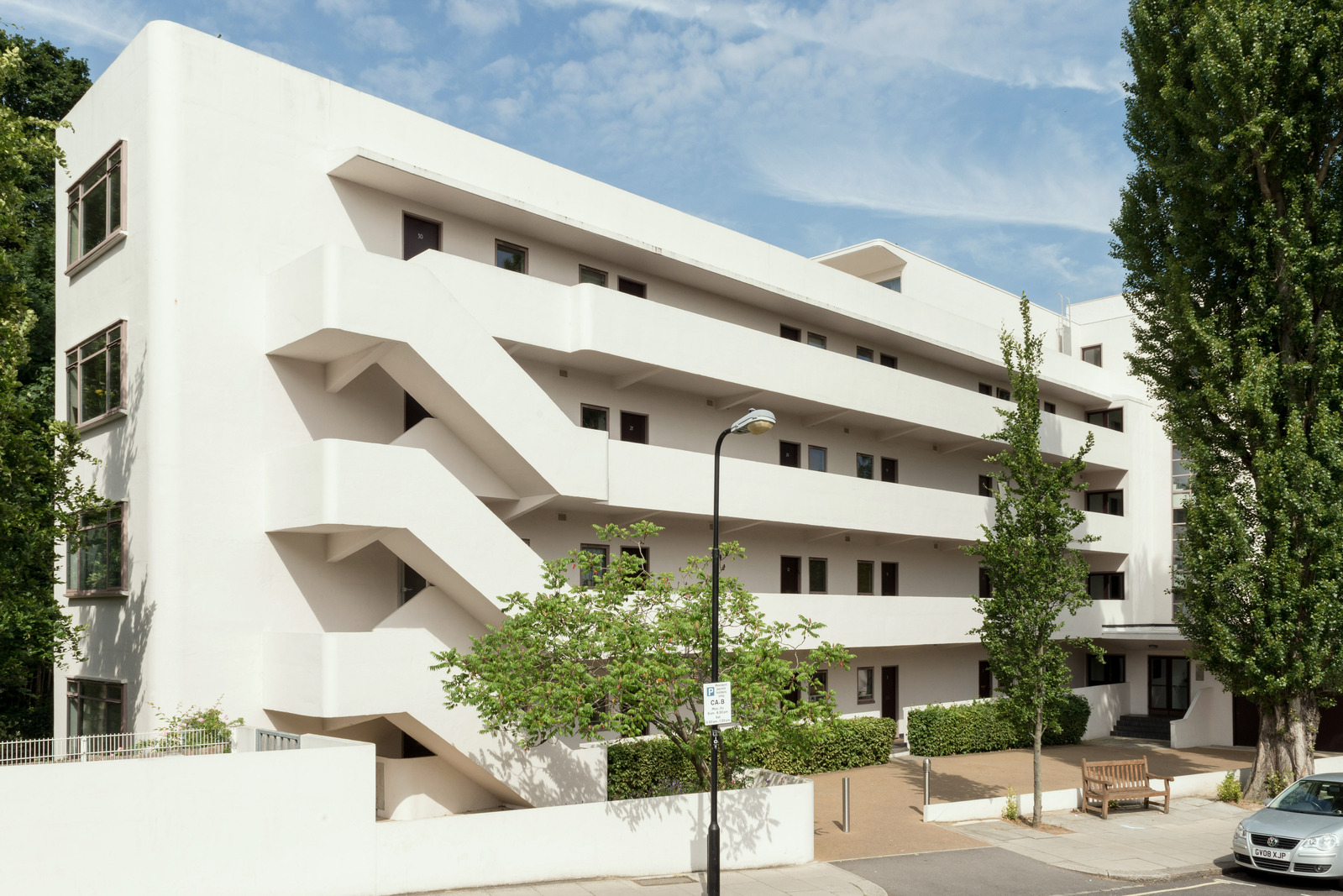
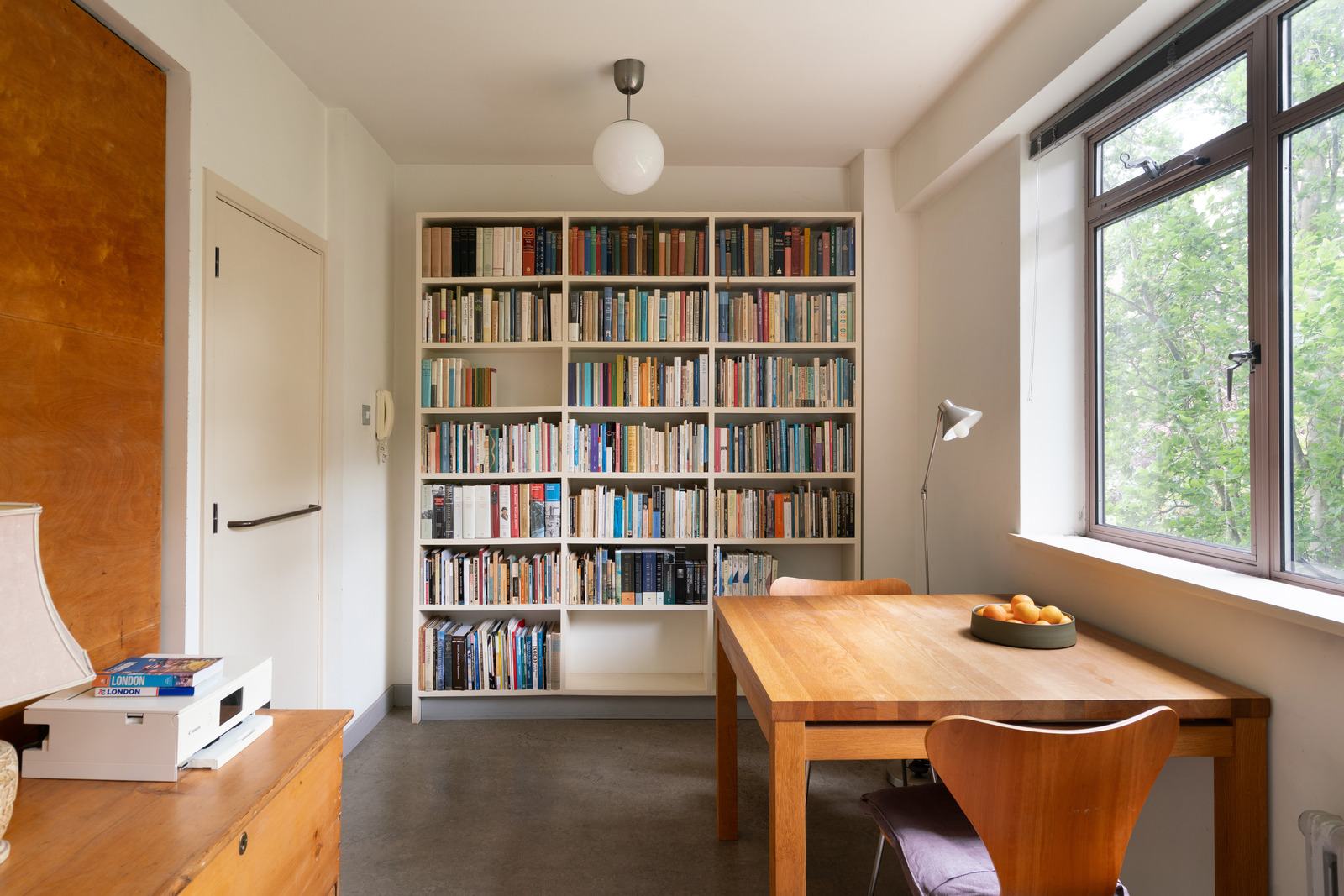
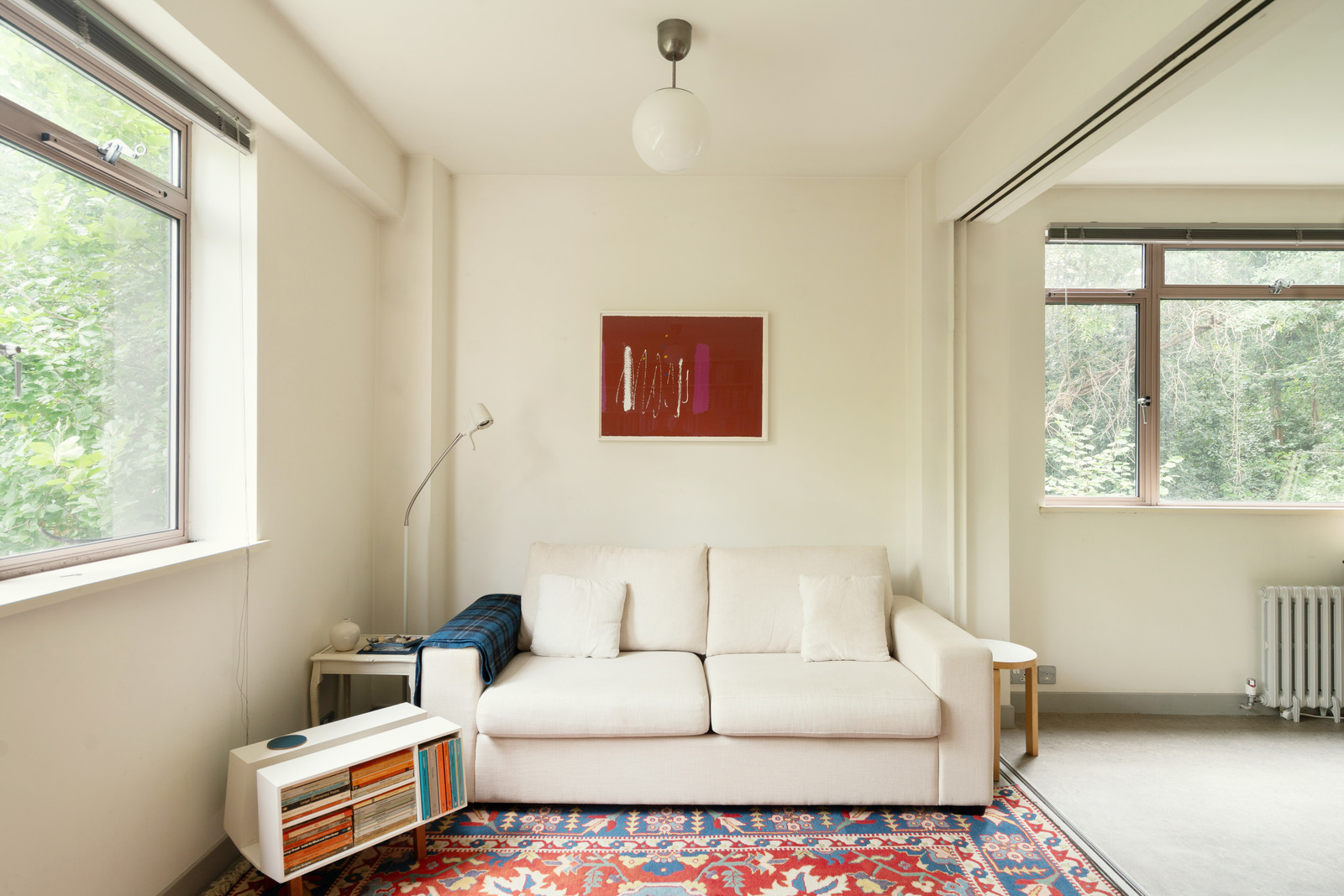
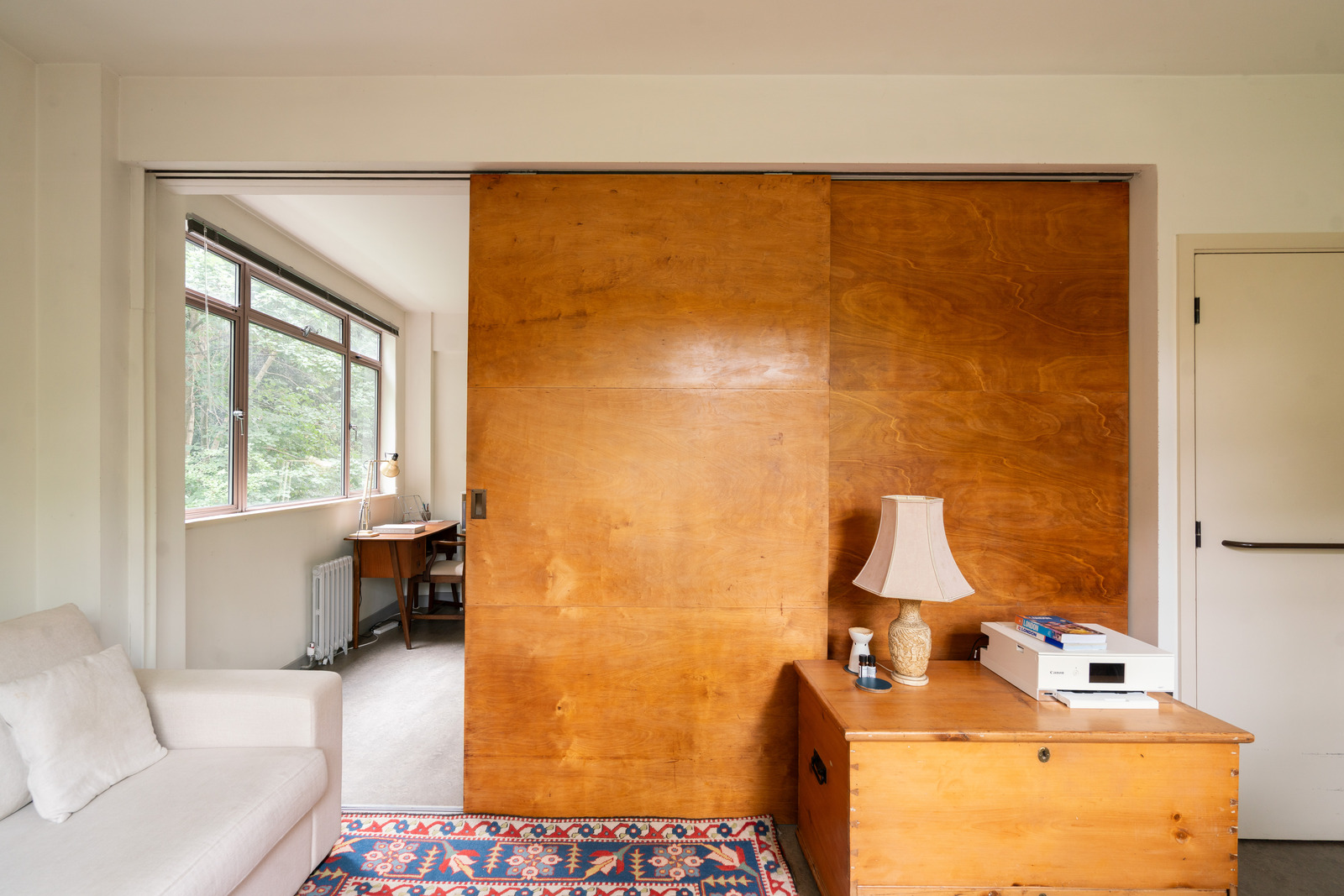
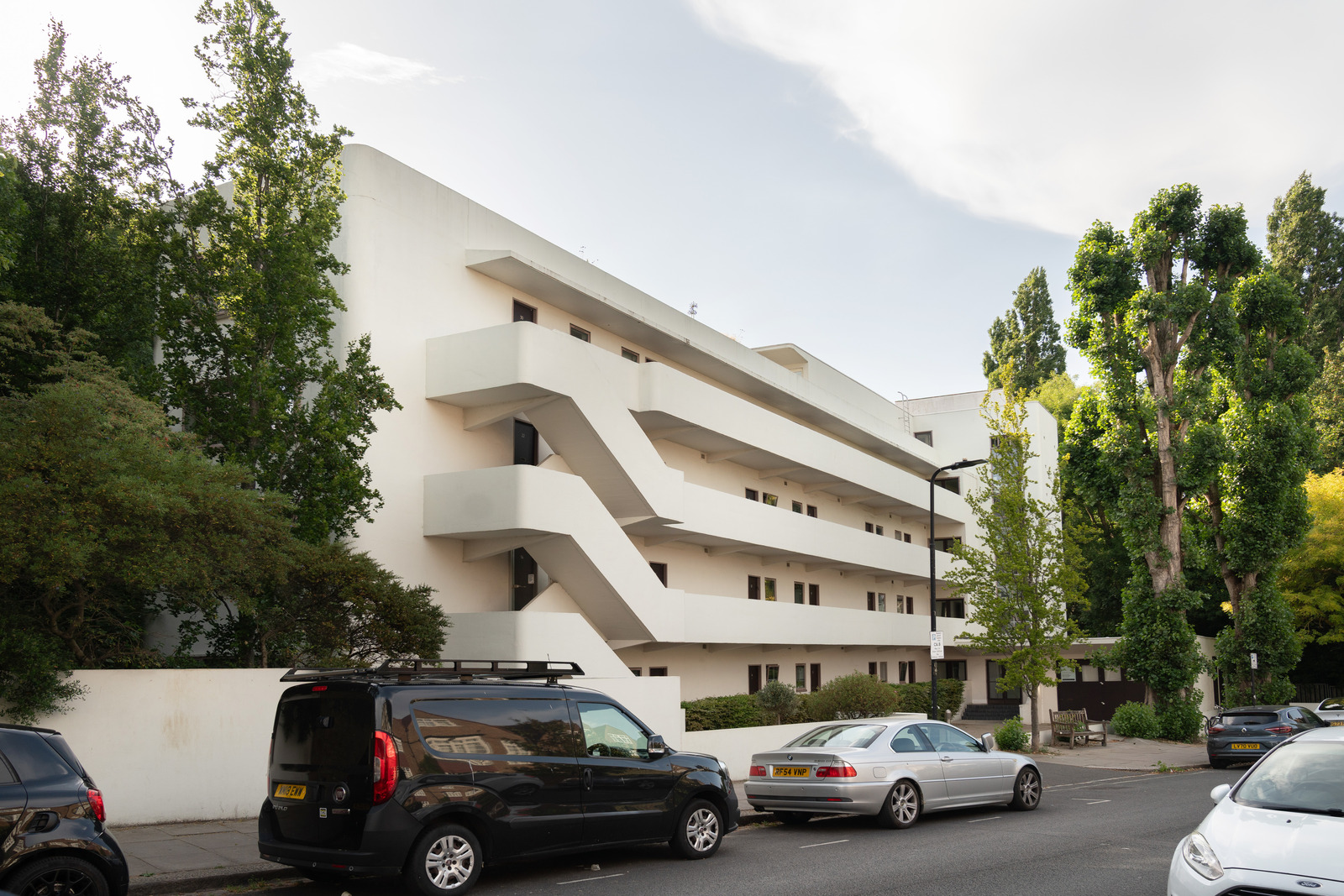
This beautiful studio apartment lies on the first floor of one of London’s foremost modernist icons, the Isokon. Designed by Wells Coates in the early 1930s, the building lies on Lawn Road in Belsize Park and is painted a bespoke shade of white-ish pink. It has been home to many artists and writers over the years and, in recognition of its singularity, was awarded a rare Grade I listing. This apartment upholds its earliest charm, with original fittings and views out to the leafy surroundings.
Isokon Building II
SOLD
History
Designed by Wells Coates for Jack and Molly Pritchard, the Isokon Building (or Lawn Road Flats) opened in 1934 as a progressive experiment in new ways of urban living. It was the first block ever to be built chiefly using reinforced concrete.
Coates was inspired by Le Corbusier, who believed that buildings should be “machines for living”, and as a result, the 32 flats were designed to create the greatest possible utility and comfort out of constricted dimensions. They had simple, built-in plywood furniture. Early advertising stated: “All you have to bring with you is a rug, an armchair and a picture.”There was a communal kitchen for the preparation of meals, connected to the residential floors via a dumb waiter (which meant that most of the flats had small galley kitchens). This was later converted into the Isobar restaurant, designed by Marcel Breuer. Other on-site services included shoe cleaning and bed-making.
The Isokon’s ground-floor bar became a well-known hangout for the local and émigré intelligentsia of the time. The building was home to Walter Gropius, founder of the Bauhaus; Marcel Breuer, designer of modernist furniture; and Laszlo Maholy-Nagy, head teacher of art at the Bauhaus school. It also attracted artists, architects (including James Stirling), Soviet spy Arnold Deutsch, and writers, including Agatha Christie, who lived there between 1941 and 1947, writing her only spy novel, N or M, there.
In 1969, the building was sold to the New Statesman magazine, and the Isobar was converted into flats. Three years later, it was acquired by Camden Borough Council, and it gradually deteriorated until the 1990s, when it was abandoned completely. Avanti Architects, specialists in refurbishing modernist buildings, beautifully restored the Isokon in 2004, and many of the flats now provide accommodation for key workers under a co-ownership scheme.
Recently, the Isokon Gallery Trust has been established by John Allan and Fiona Lamb of Avanti Architects, and Magnus Englund, MD and co-founder of the design retailer Skandium. With the help of the National Trust, and to celebrate the 80th anniversary of the building, they have created an exhibition space on the ground floor, which tells the remarkable story of its architecture, its residents and its iconic Isokon furniture.
The Isokon has been given an extremely rare Grade I listing by English Heritage, making it one of the heavily protected and historically significant buildings in the UK.
Interested?