Rowley Way XII
Sold


"A light-filled apartment on one of London's finest modernist estates"
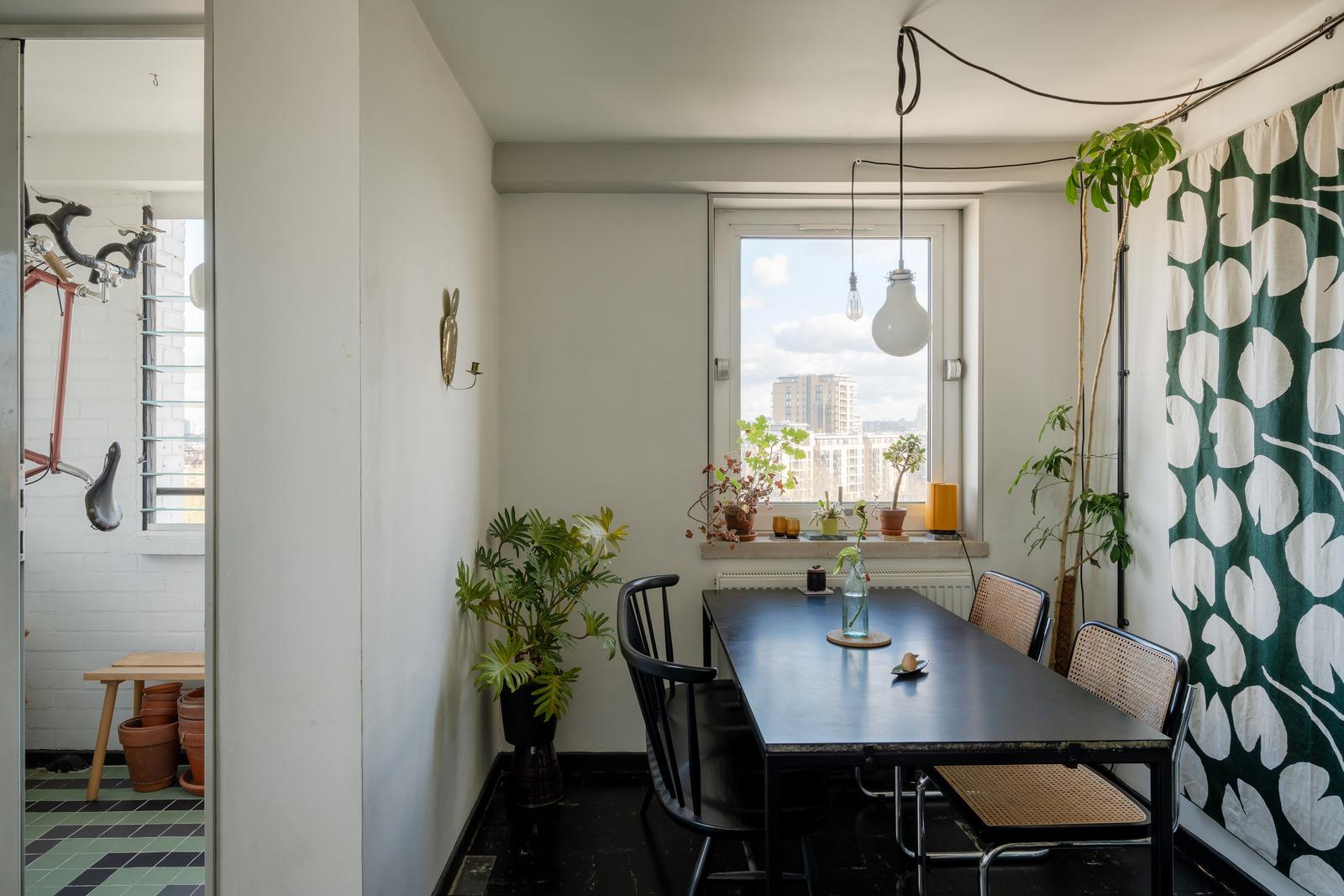
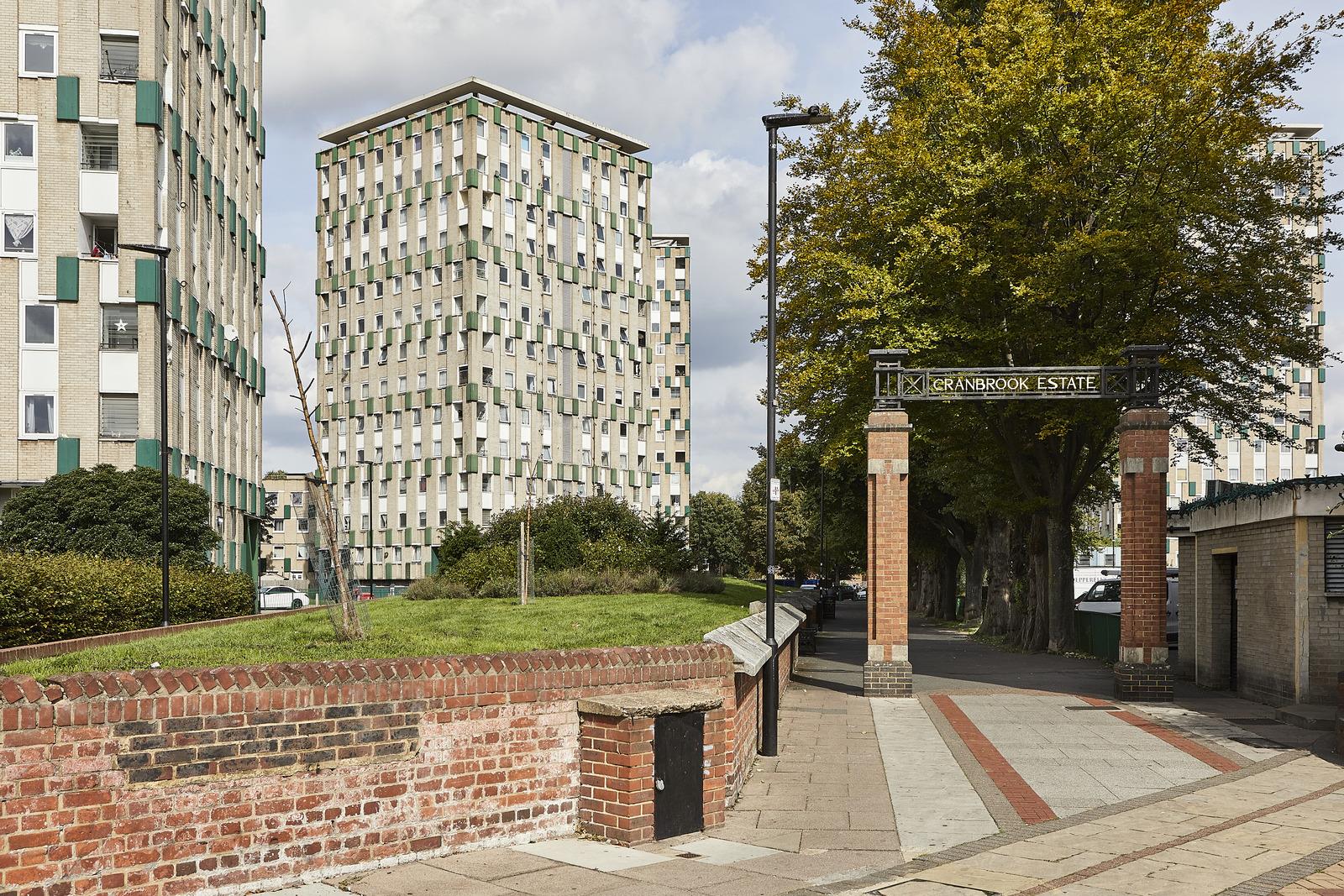
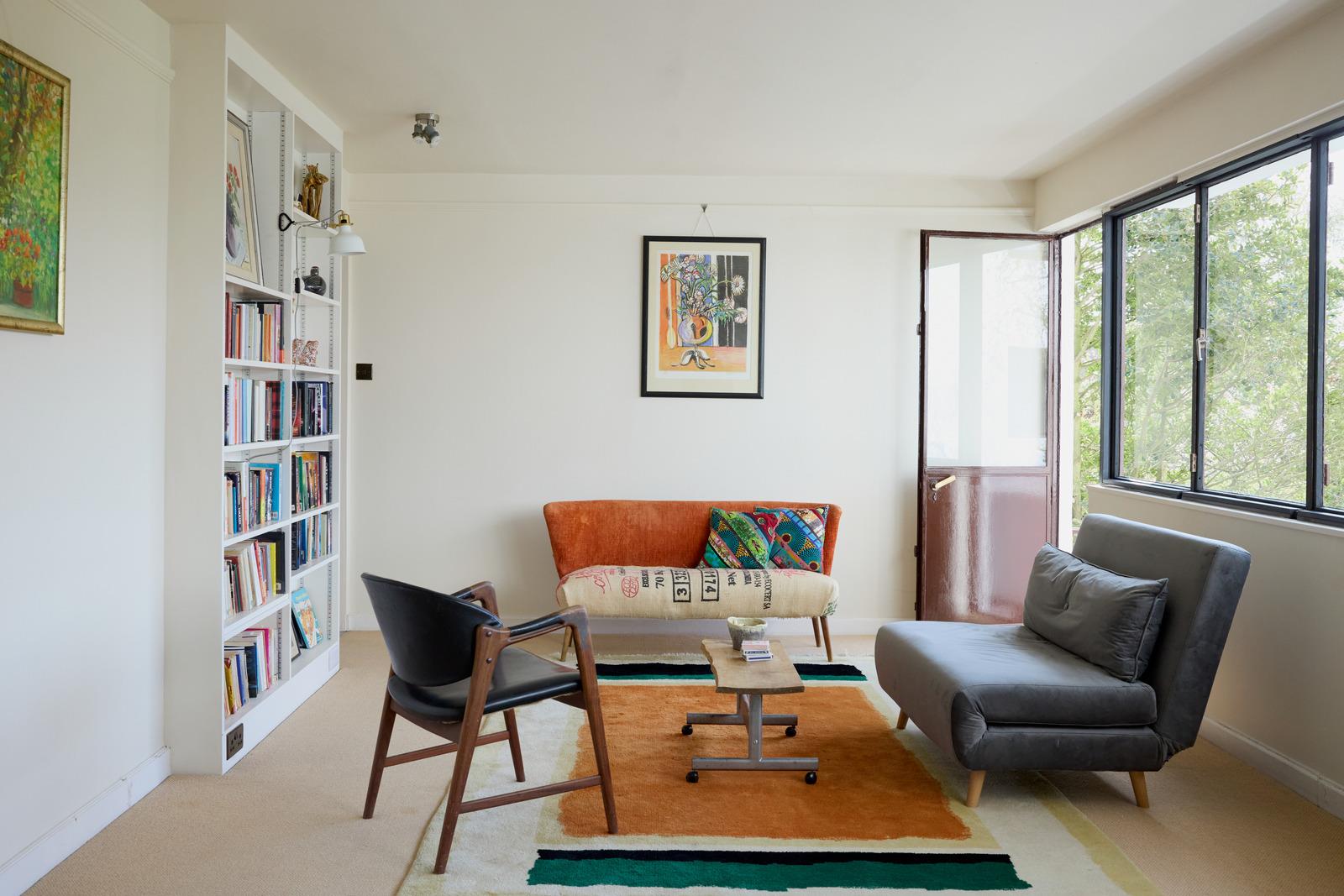
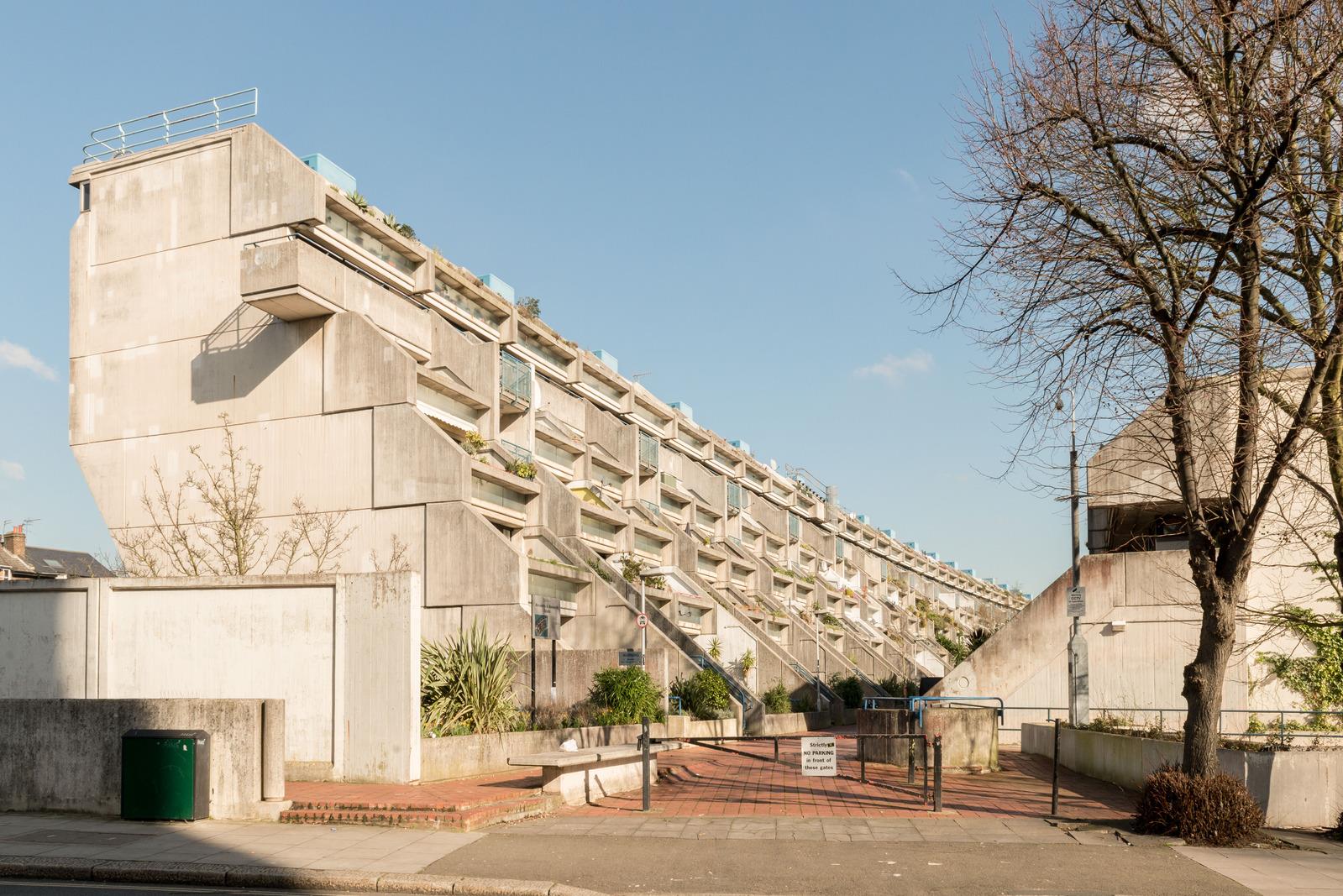
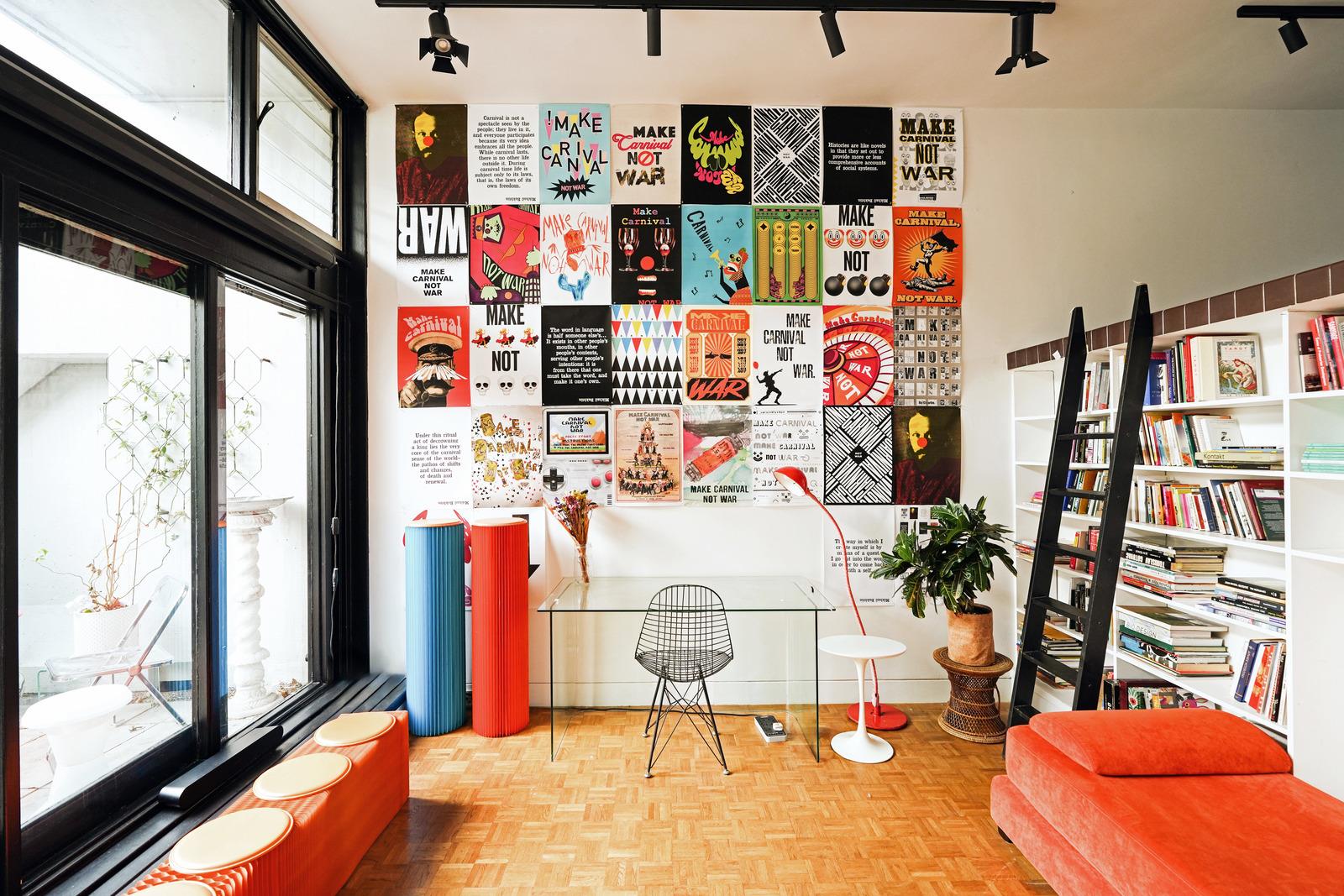
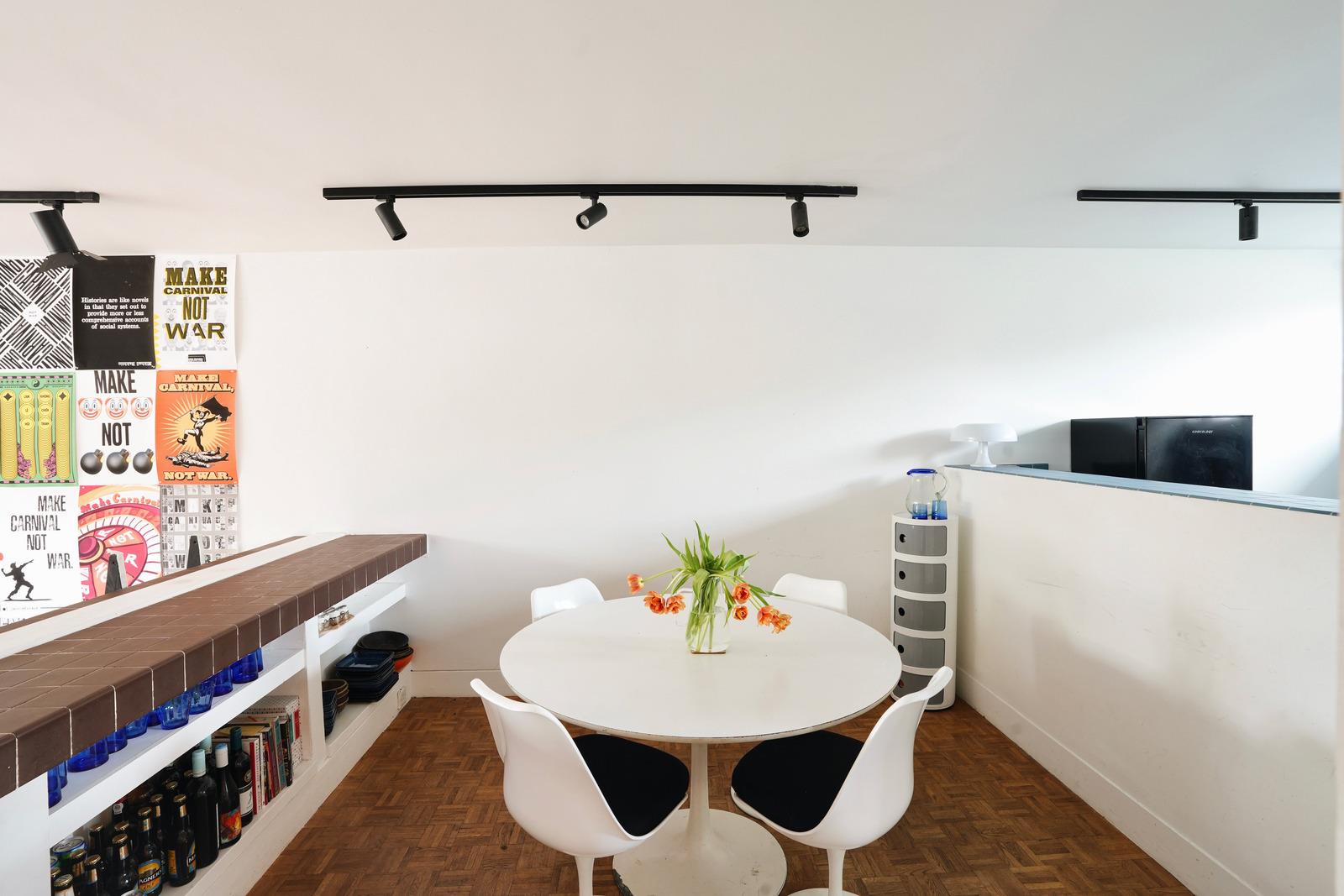
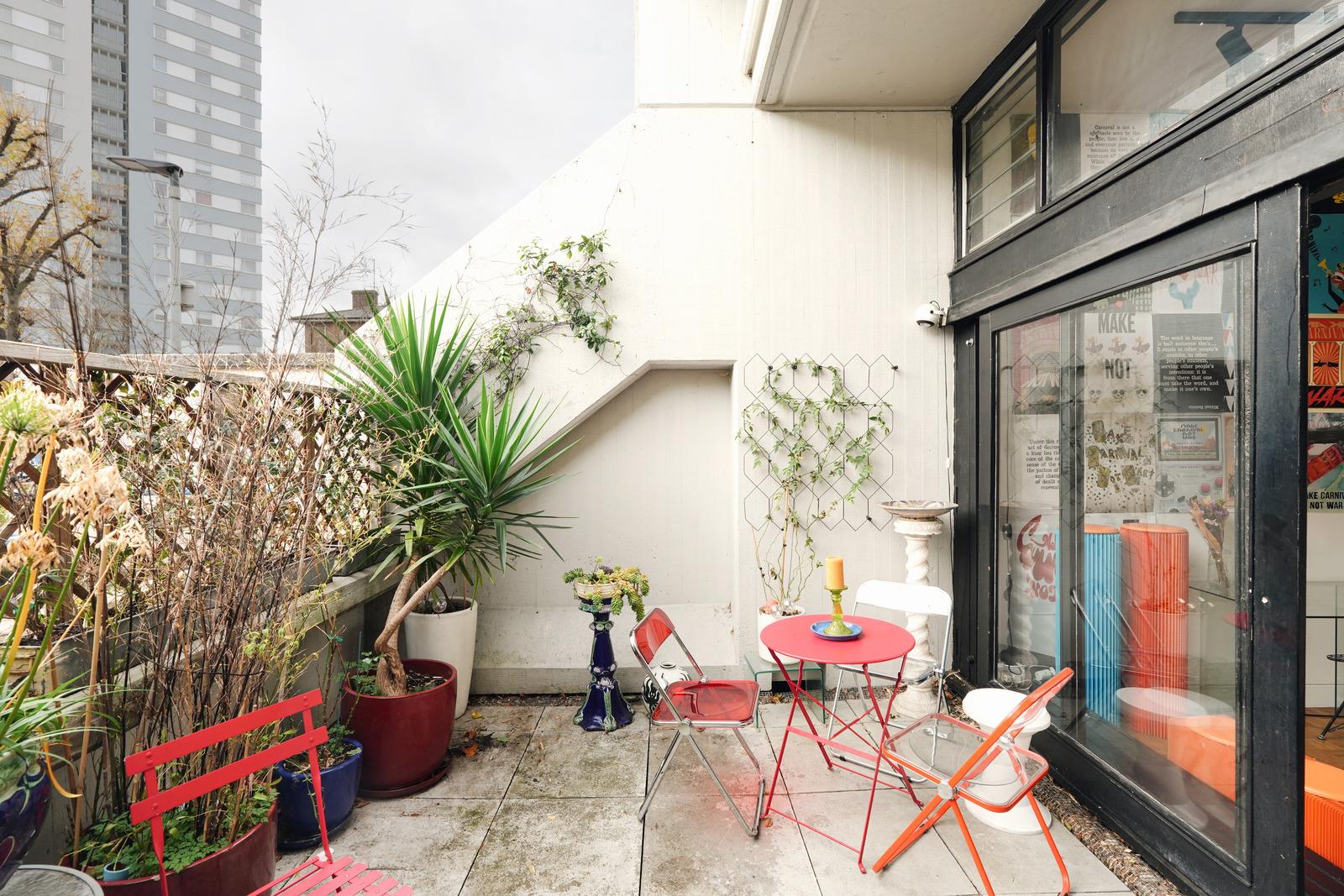
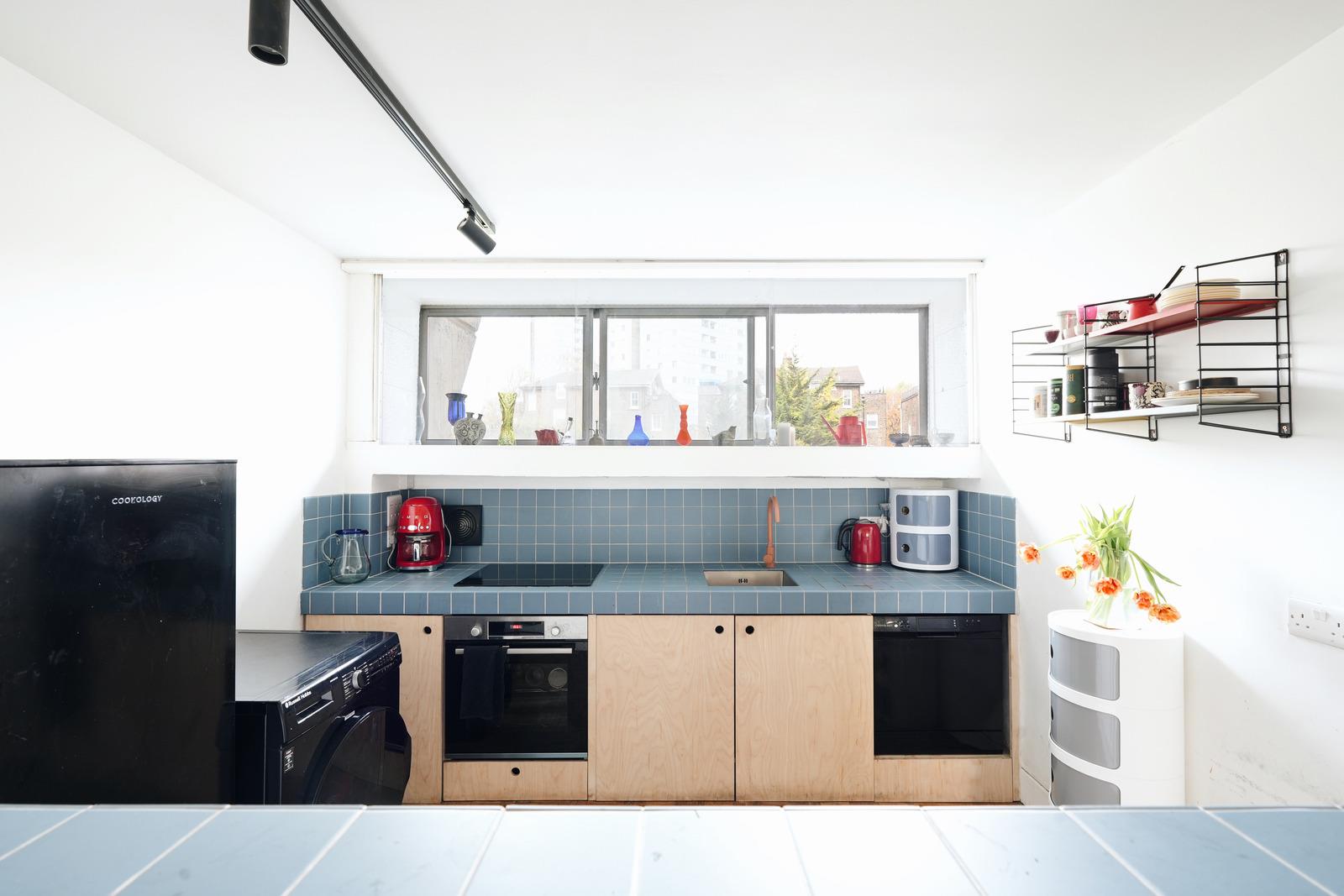
This exceptional three-bedroom apartment forms part of the iconic Alexandra & Ainsworth Estate in St John’s Wood. Built in the late 1960s to a design by the revered modernist architect Neave Brown, the development has been given a rare Grade II* listing by English Heritage. Inside, original features abound, including parquet flooring, ceramic tiles and expansive metal-framed windows. A double-height sitting room opens onto a generous private balcony, while a mezzanine is home to a smart kitchen and dining area. The building is well served by the shops, bars and cafes of St John’s Wood, with the green expanses of Regent’s Park also close by.
Rowley Way XII
SOLD
History
In 2011, Alexandra Road estate was the subject of a photography exhibition in the Tenants Hall. The following is some information that accompanied it:
“Creating a Piece of City: Neave Brown and the Design of Alexandra Road” by Professor Mark Swenarton, University of Liverpool
“…Alexandra Road immediately attracted architectural attention worldwide for its innovative design. In 1993 its exceptional importance was officially recognized by English Heritage when it was listed grade 2-star, one of a small number of postwar housing estates to achieve this status.
“But Alexandra Road was not just a housing scheme: it was, in Neave Brown’s words, ‘a piece of city’, comprising shops, workshops, community centre, four-acre park, special needs school, children’s reception centre and care home for handicapped adults, as well as more than 500 homes. And while it was designed to meet the normal requirements of local authority housing in terms of costs and space standards, Alexandra Road incorporated a dramatic centrepiece, a 350m-long curving pedestrian street, Rowley Way, lined on either side by stepped terraces that extend along its full length.
“In designing these projects, the Camden architects sought an alternative to the high-rise blocks that most local authorities were building. Brown believed that every home should have its own front door opening directly onto the network of routes and streets that make up a city; and that every home should have its own private external space, open to the sky, in the form of a roof garden or terrace. It was these ideas that he incorporated to such striking effect at Alexandra Road.
“Brown designed the scheme immediately after his first scheme for Camden, Fleet Road (now known as the Dunboyne Road estate), and the lineage is clear in the internal organisation of the dwellings: open-plan format with through views and sliding partitions; bedrooms on lower floors with living/kitchen areas above; and a private open-to-the-sky external space for every dwelling, whether house, maisonette or flat.
“When Brown presented the Alexandra Road design to the Camden councillors they applauded its ‘ambitious and imaginative quality’. But constructing so complex a project stretched the council’s management abilities to breaking point; and by the time the first tenants moved in, in January 1978, costs had soared. The council, now with Ken Livingstone as chair of housing, commissioned an independent enquiry but the resultant report (1981) proved something of a damp squib, with the council’s project management procedures - rather than, as some councillors hoped, the architects - taking the blame for the cost overrun.
“After leaving Camden, Neave Brown went on to build a number of projects influenced by Alexandra Road, including most recently the Medina project in the centre of Eindhoven in The Netherlands. He has been a resident of Camden for nearly 50 years and currently lives on the Dunboyne Road estate, the first scheme that he designed for Camden and the precursor of Alexandra Road.”
Interested?