Sold
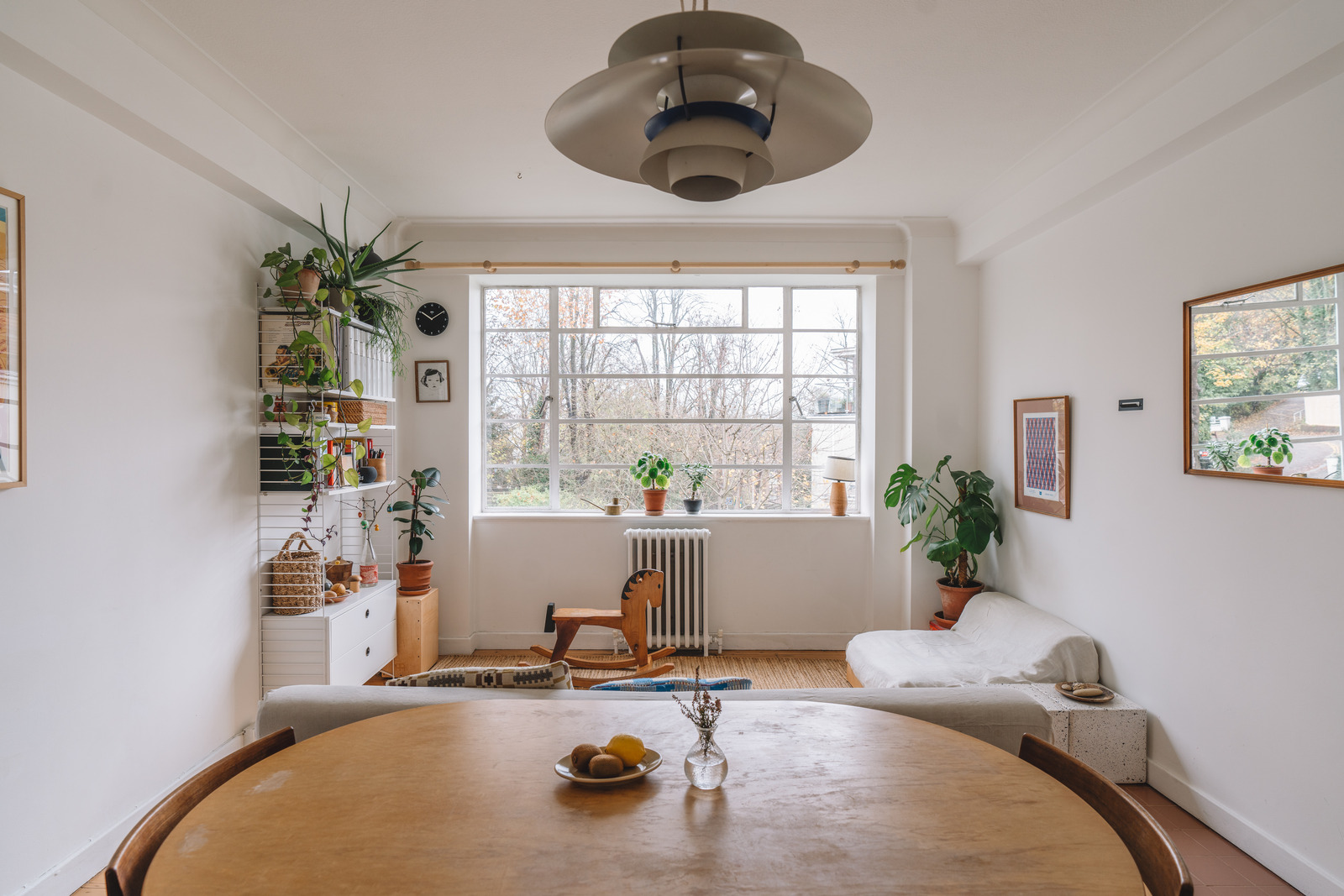


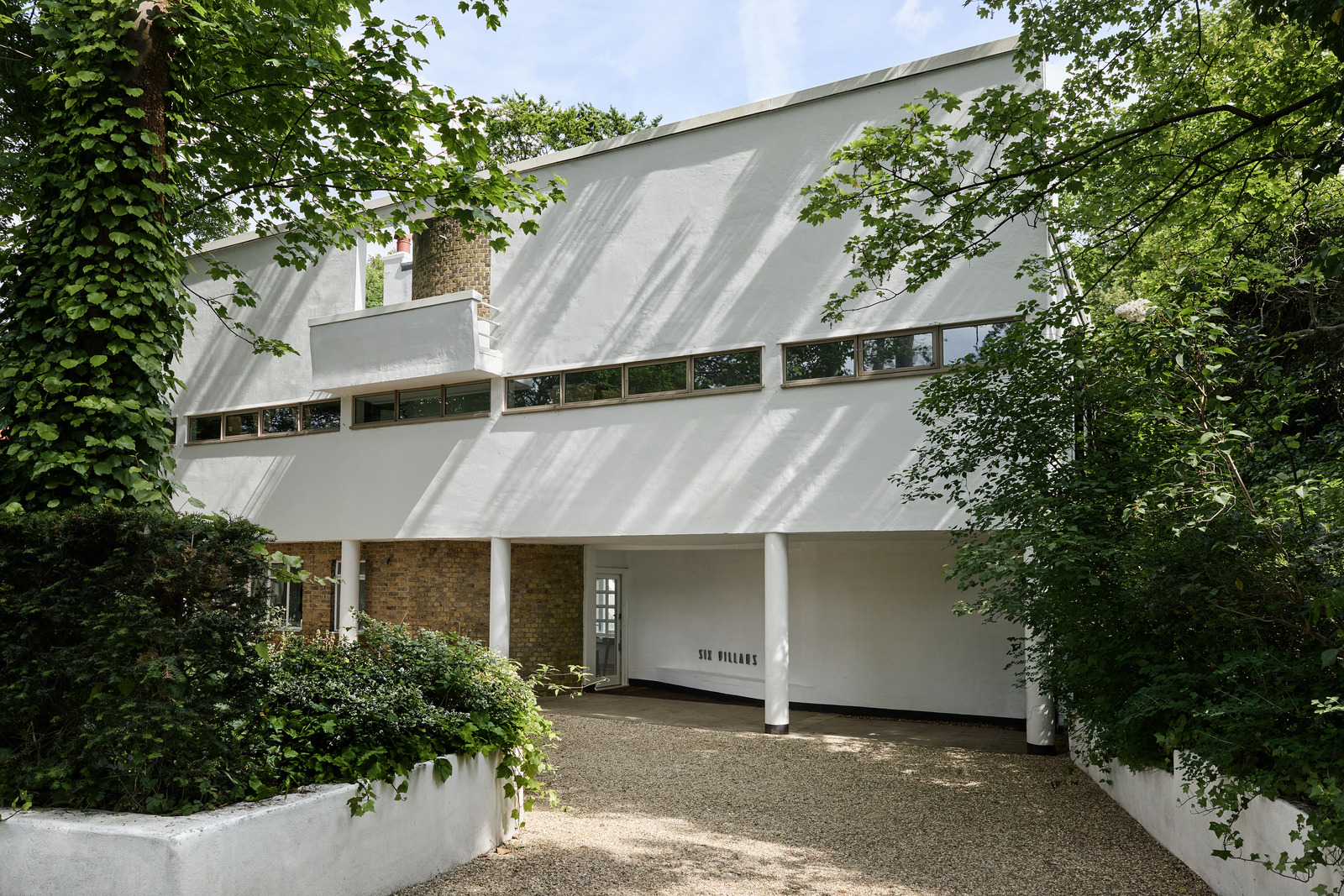
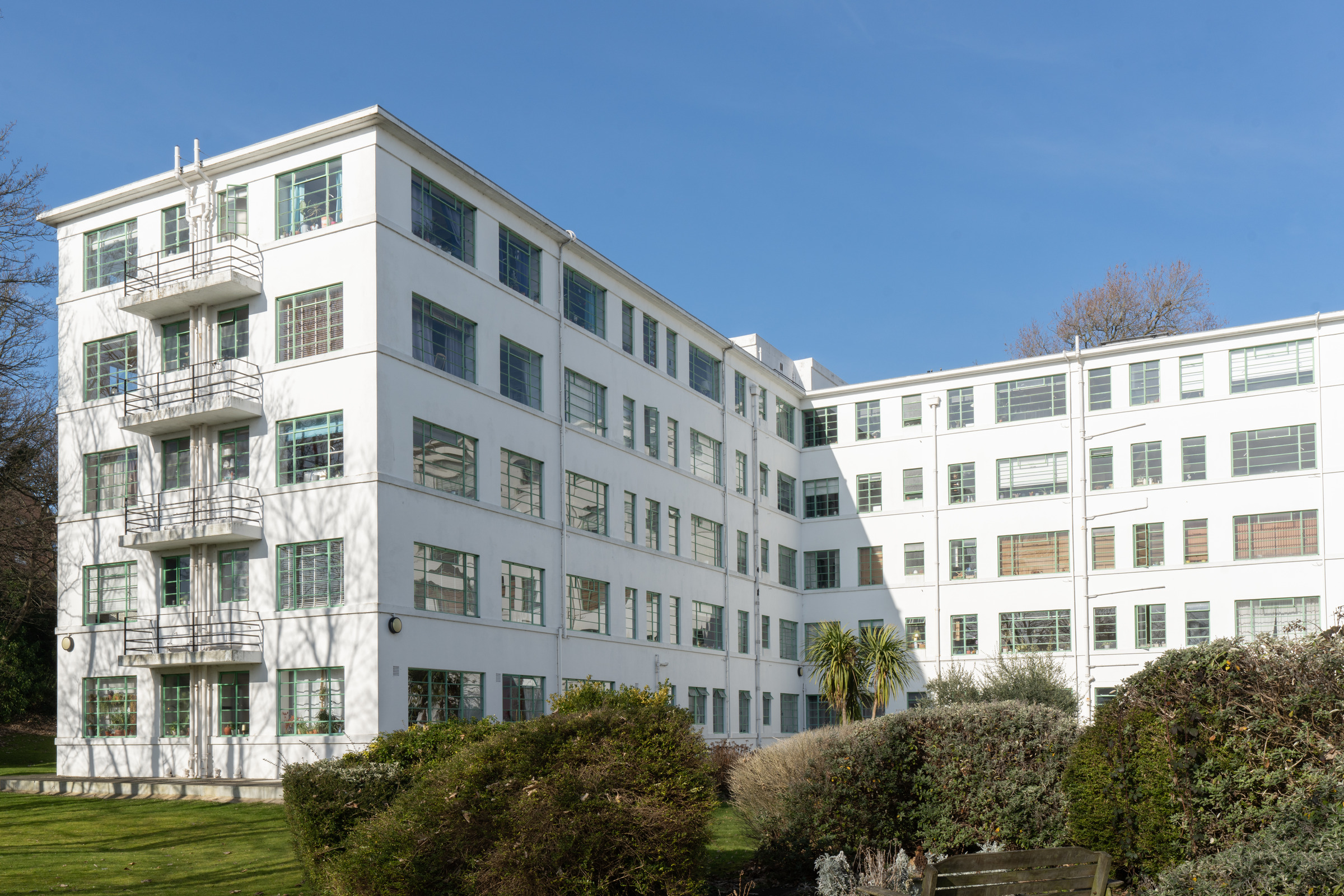
“A beautiful and well-preserved example of art moderne architecture”
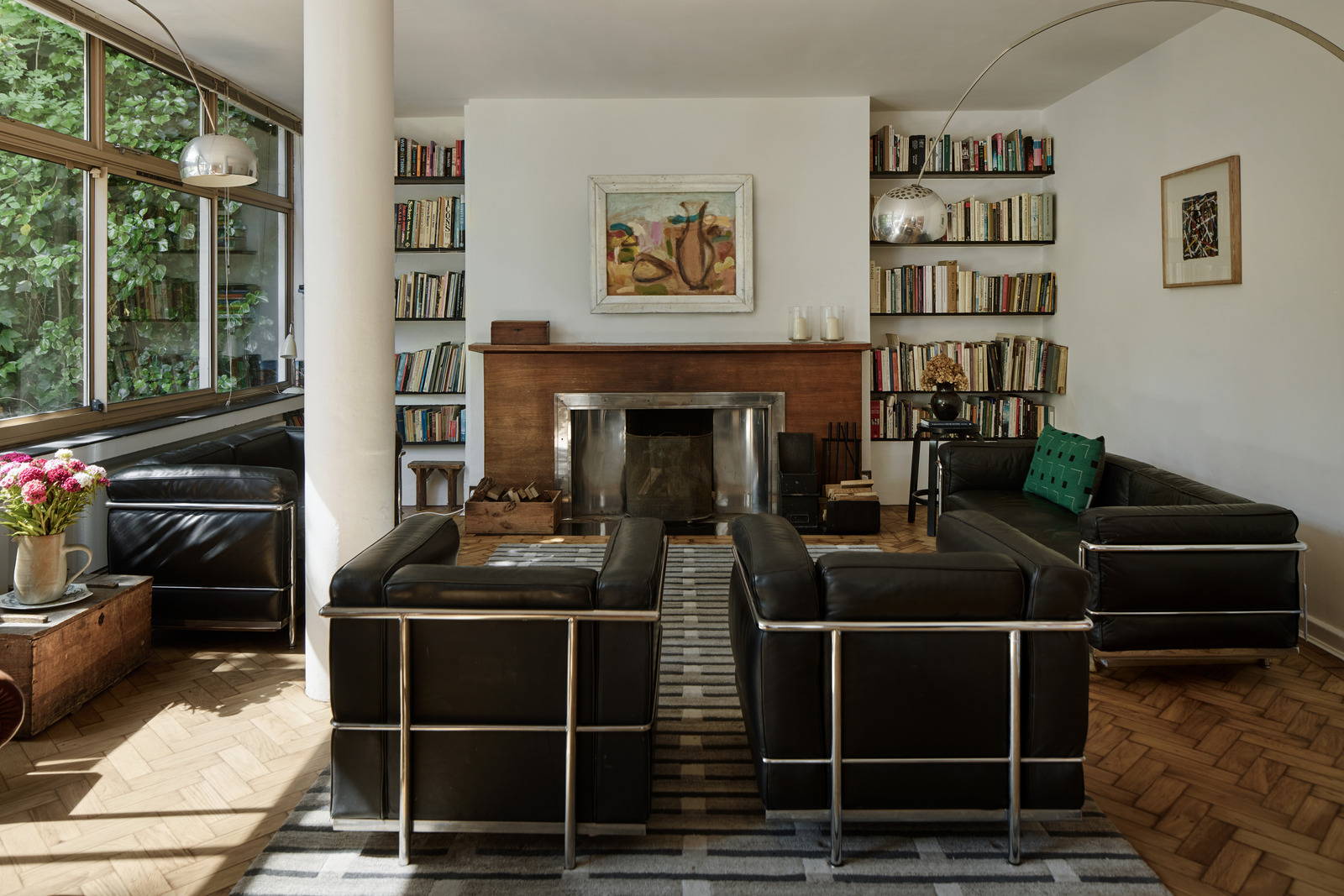
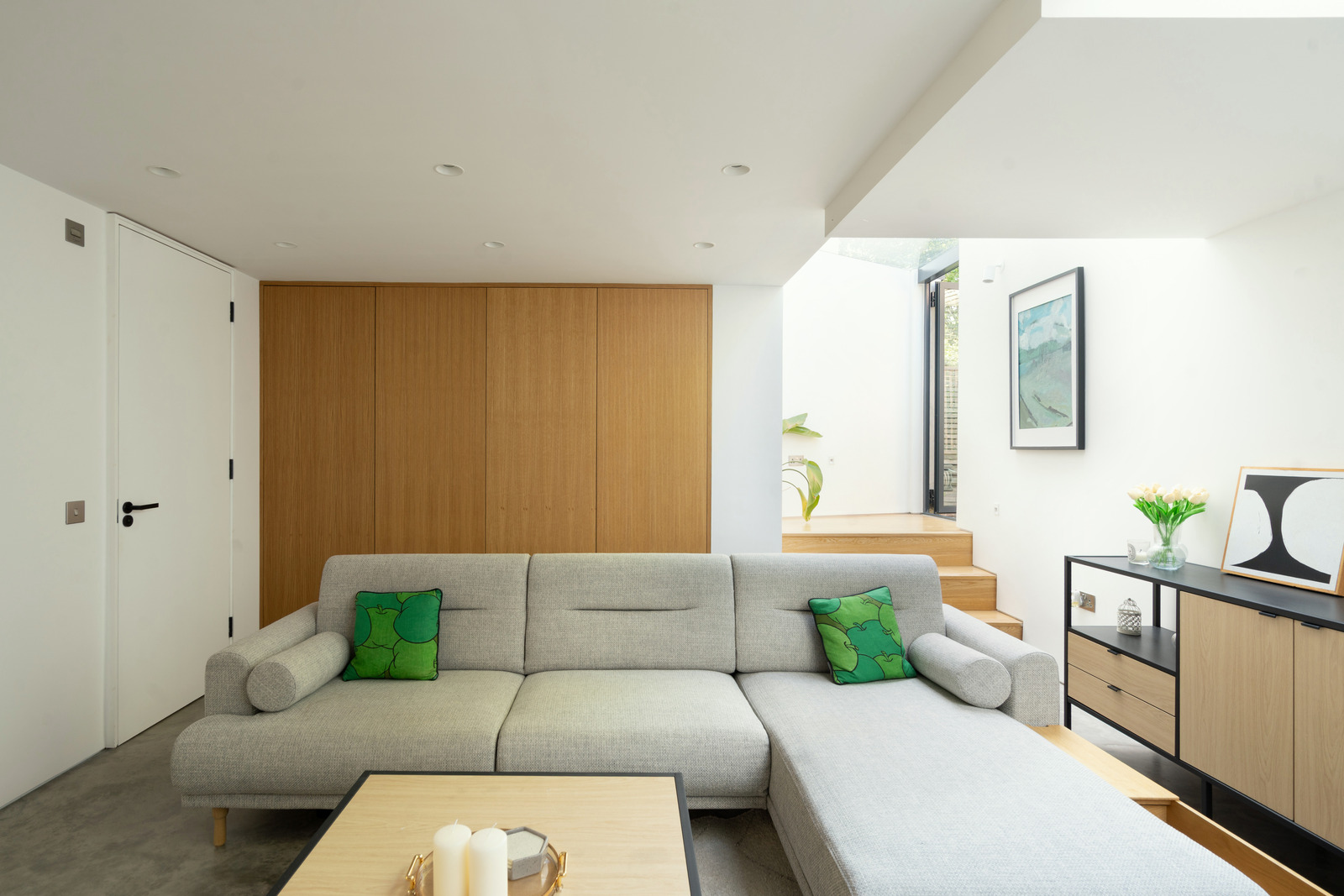
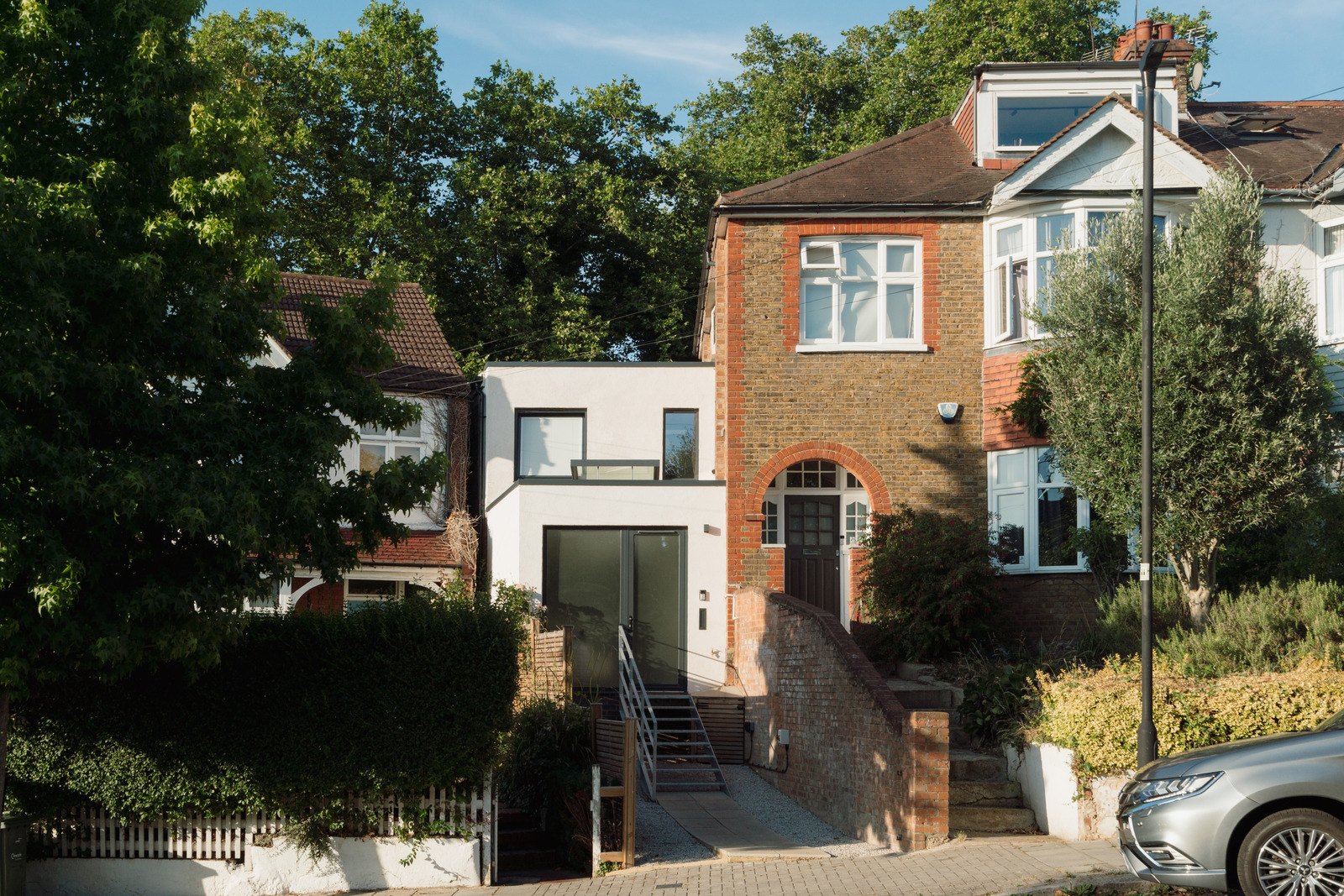
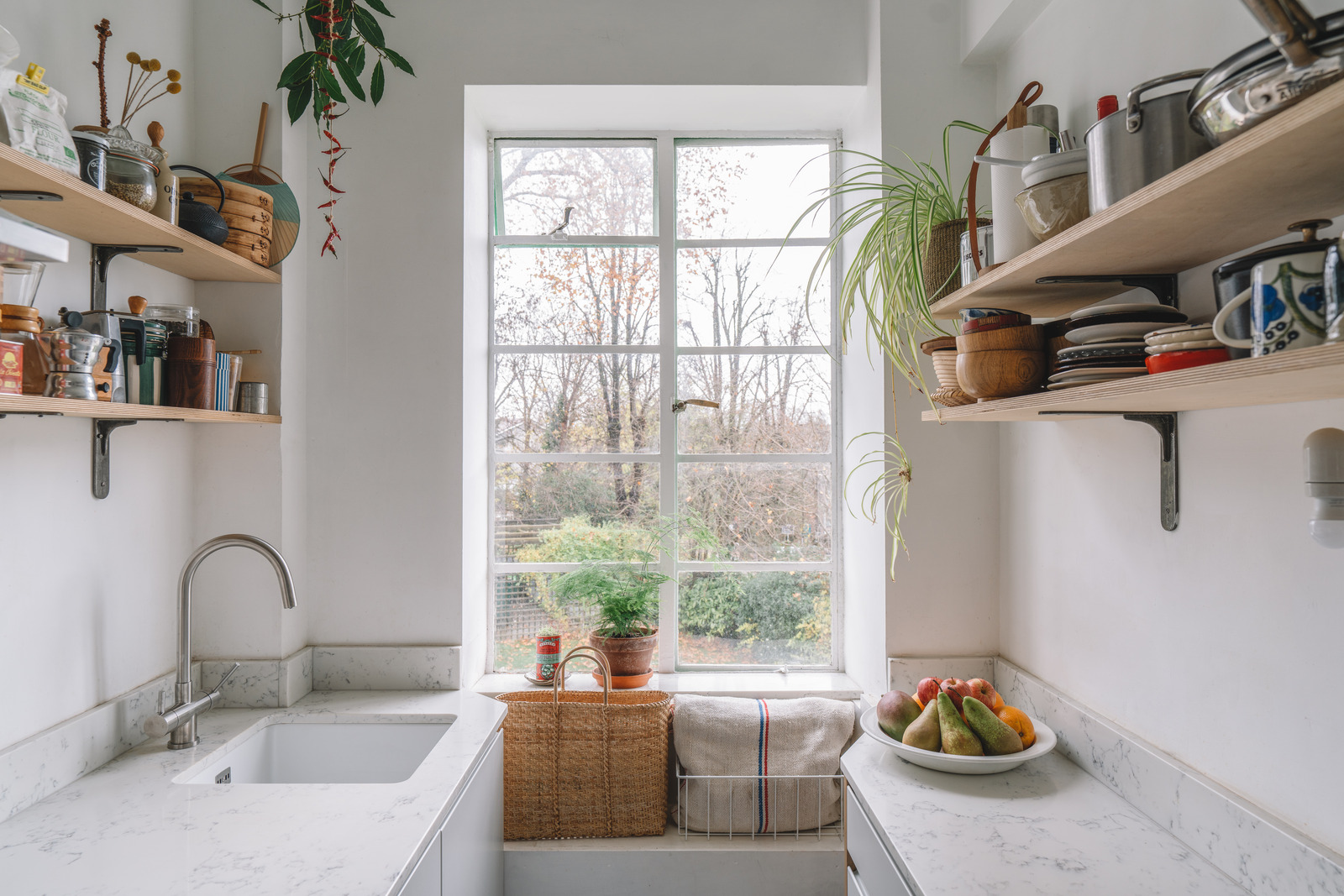
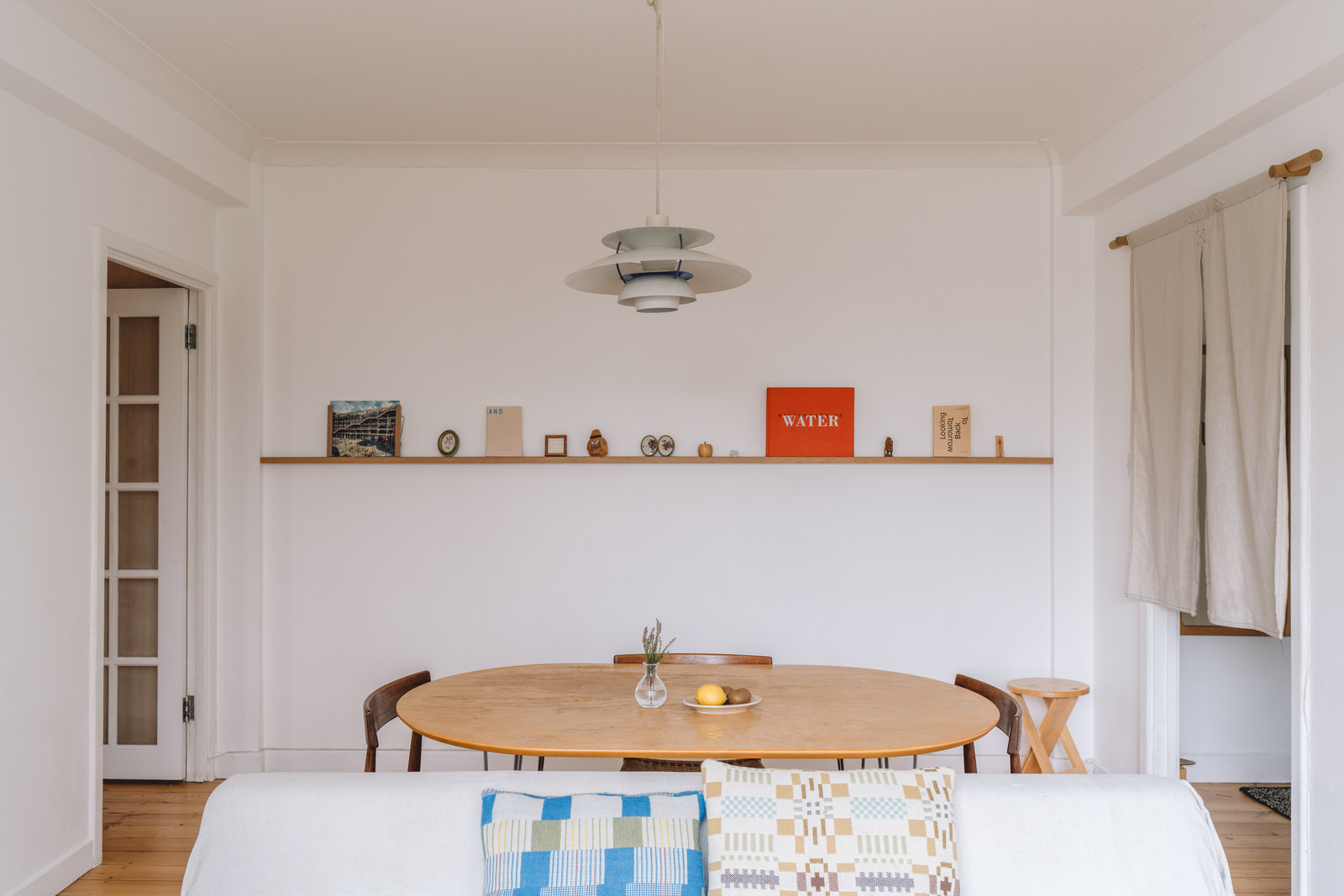
This sensitively renovated two-bedroom apartment sits within Taymount Grange, one of London's best-preserved modernist estates. Designed by George Bertram Carter and built between 1935 and 1936, the estate is on a wonderfully elevated spot in leafy Forest Hill. The flat occupies a highly sought-after corner position within the building and has been sympathetically updated with the original modernist ethos in mind. Surrounded by extensive communal gardens, allotments and wide lawns, the building sits close to all the area has to offer, from its woodland walks to the popular Horniman Museum.
Taymount Grange IX
SOLD
History

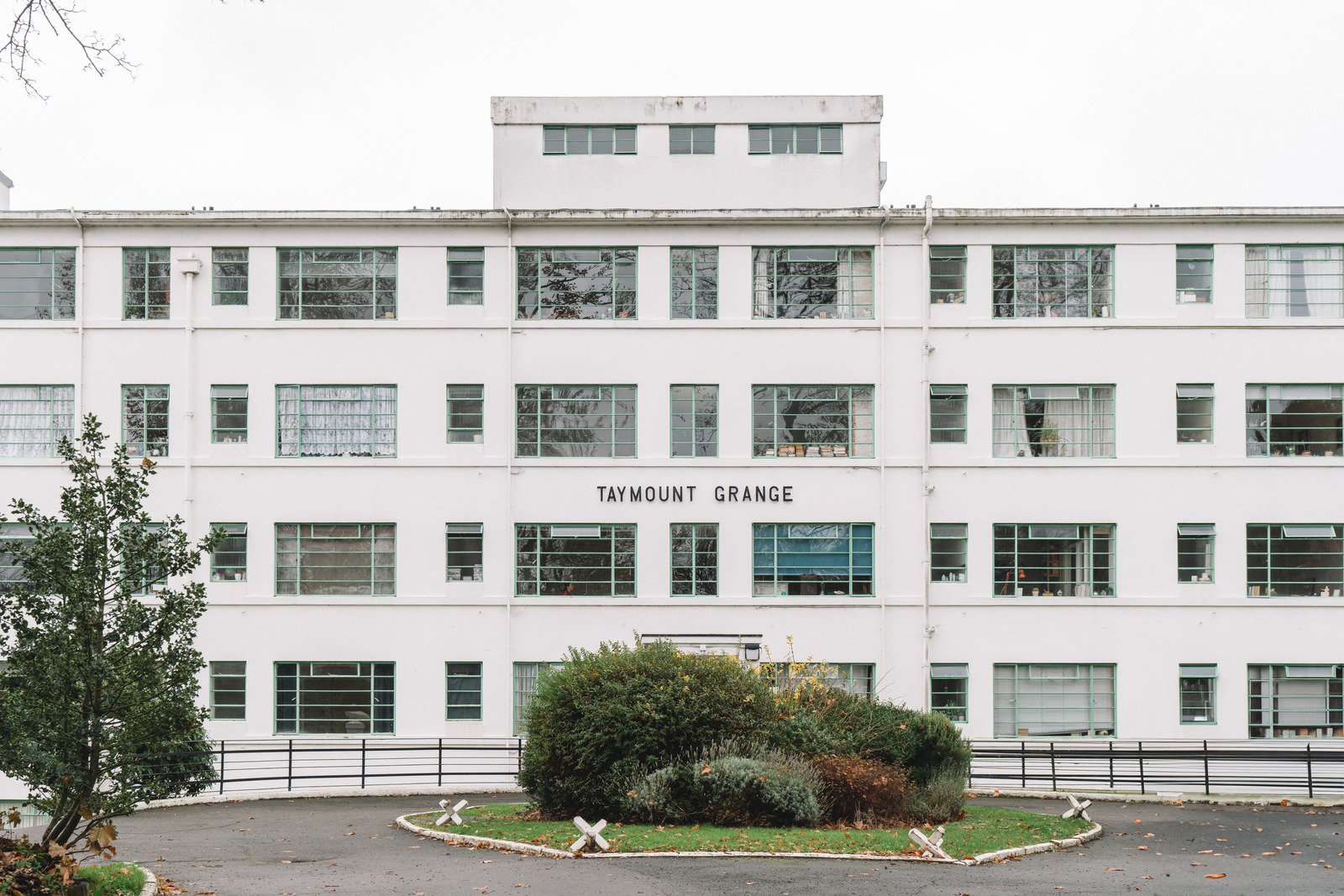
Taymount Grange was built in 1935 to designs by English architect George Bertram Carter. Carter had studied at Blackheath School of Art between 1911 and 1915 before joining the Royal School of Art. He worked at Edwin Lutyens’ office as a student before setting up his own practice in Clifford’s Inn in 1929. Prior to Taymount Grange, Carter was responsible for two large factory designs in Tottenham and Whitechapel respectively. Carter designed both Taymount Grange and Lichfield Court (now Grade II-listed) in Richmond in 1935.
Taymount Grange sits at the top of Taymount Rise in Forest Hill, on the previous sites of Taymount, a 19th-century house, and Queens Tennis Club. It embodies the 'style moderne' aesthetic that stemmed from the art deco movement during the 1930s. Unlike art deco, style moderne – also known as ‘streamline moderne’ or ‘ocean liner style’ – prioritised clean shapes, long horizontal forms, and a lack of ornamentation.
In his thesis The Servant Problem Solved: Modernist 1930s Residential Blocks, Damian Minto describes the history of Taymount Grange:
“[It] is built on the site of the original Queens tennis club. An important similarity with many modernist schemes was the fact that the existing earlier building (often a detached villa) was to be demolished to make way for the new block of flats. The site’s natural contours made it an ideal location for panoramic views of the London docks and rural edges of suburbia, a feature of which the flats take full advantage."
Interested?