Sold Subject to Contract
Sold Subject to Contract
The Lane
London SE3
£725,000
Freehold
Architect: Span
or call +44 (0)20 3795 5920
Share


“Pared-back materials and architectural similitude stitch together this award-winning mid-century terrace"
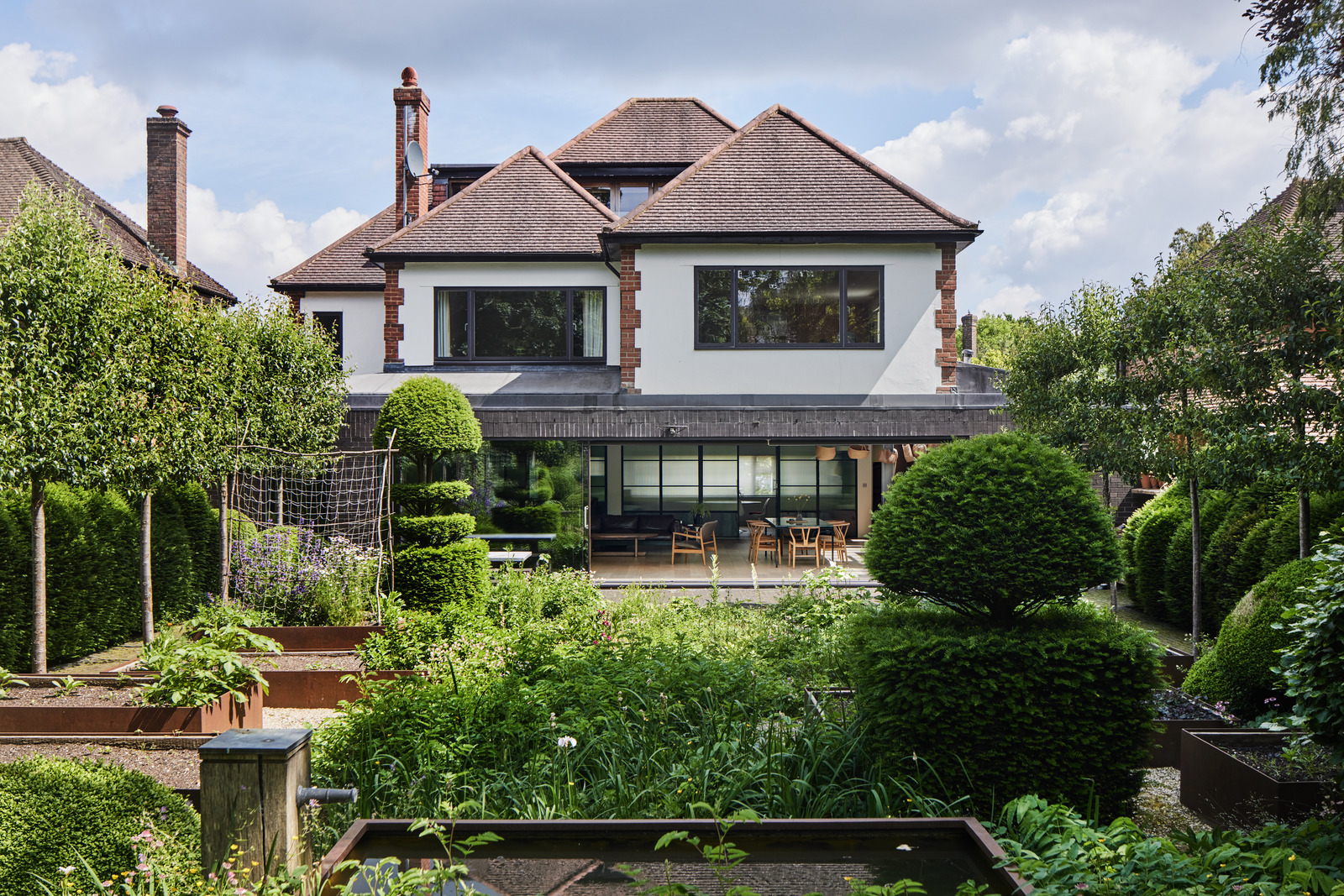
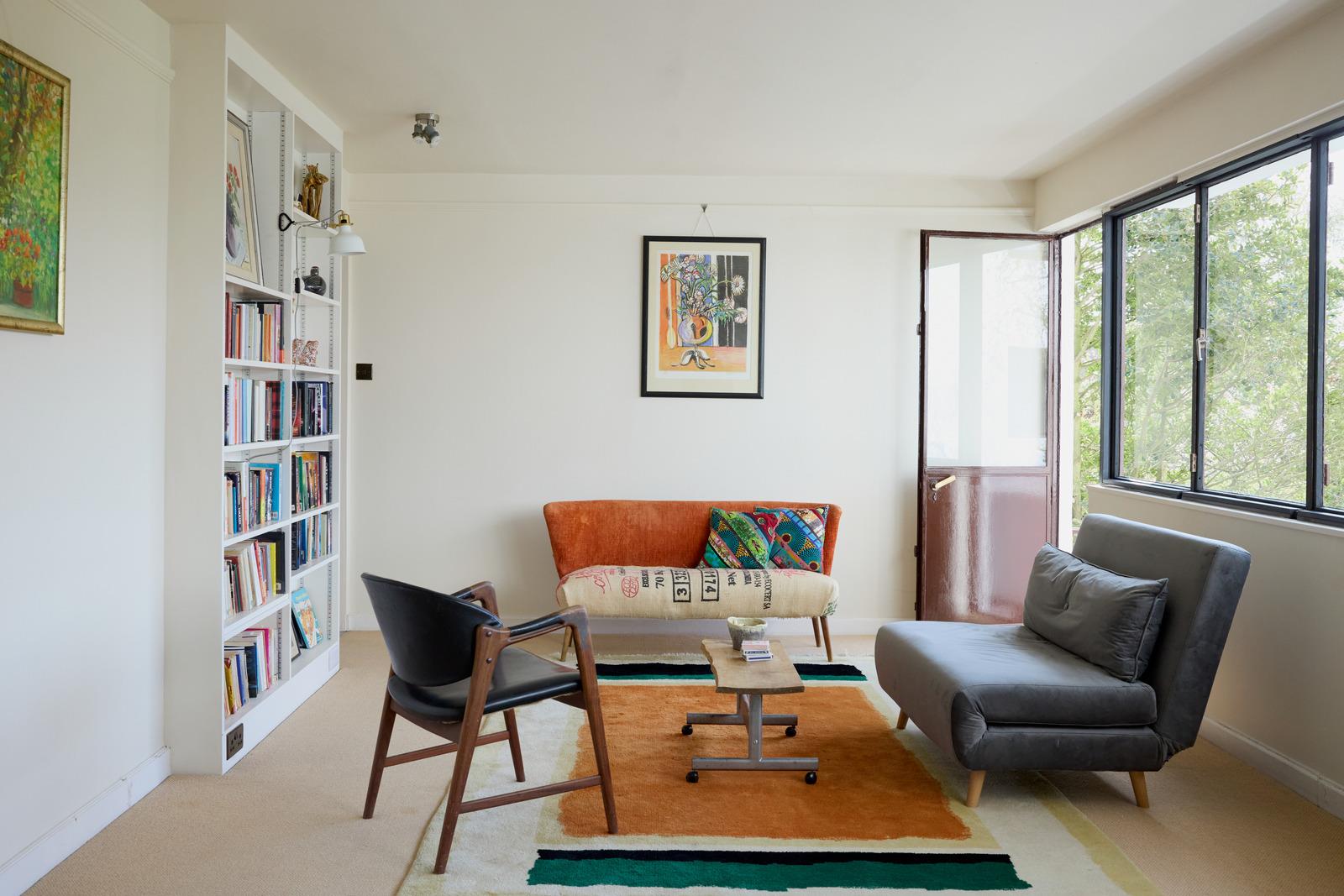
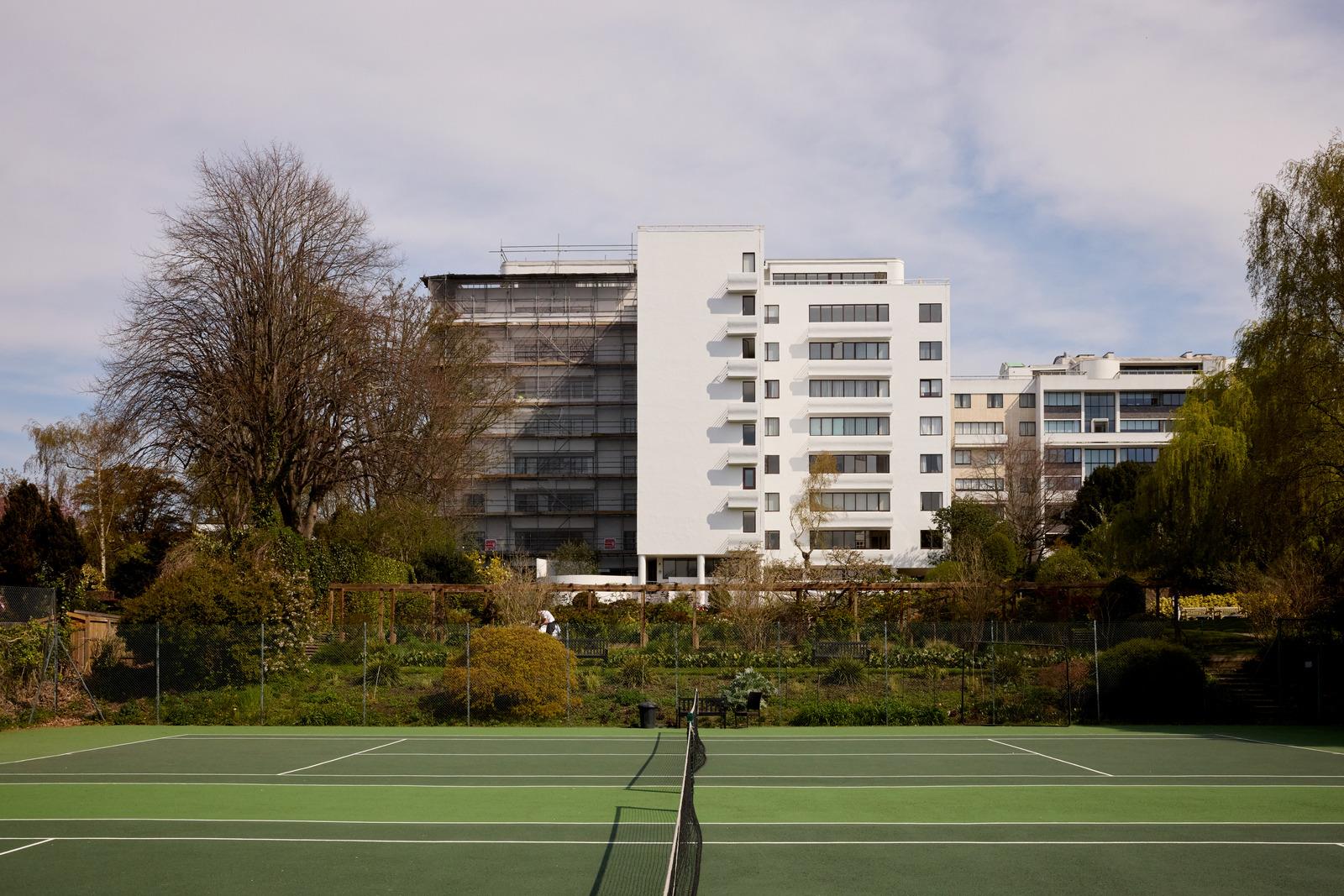
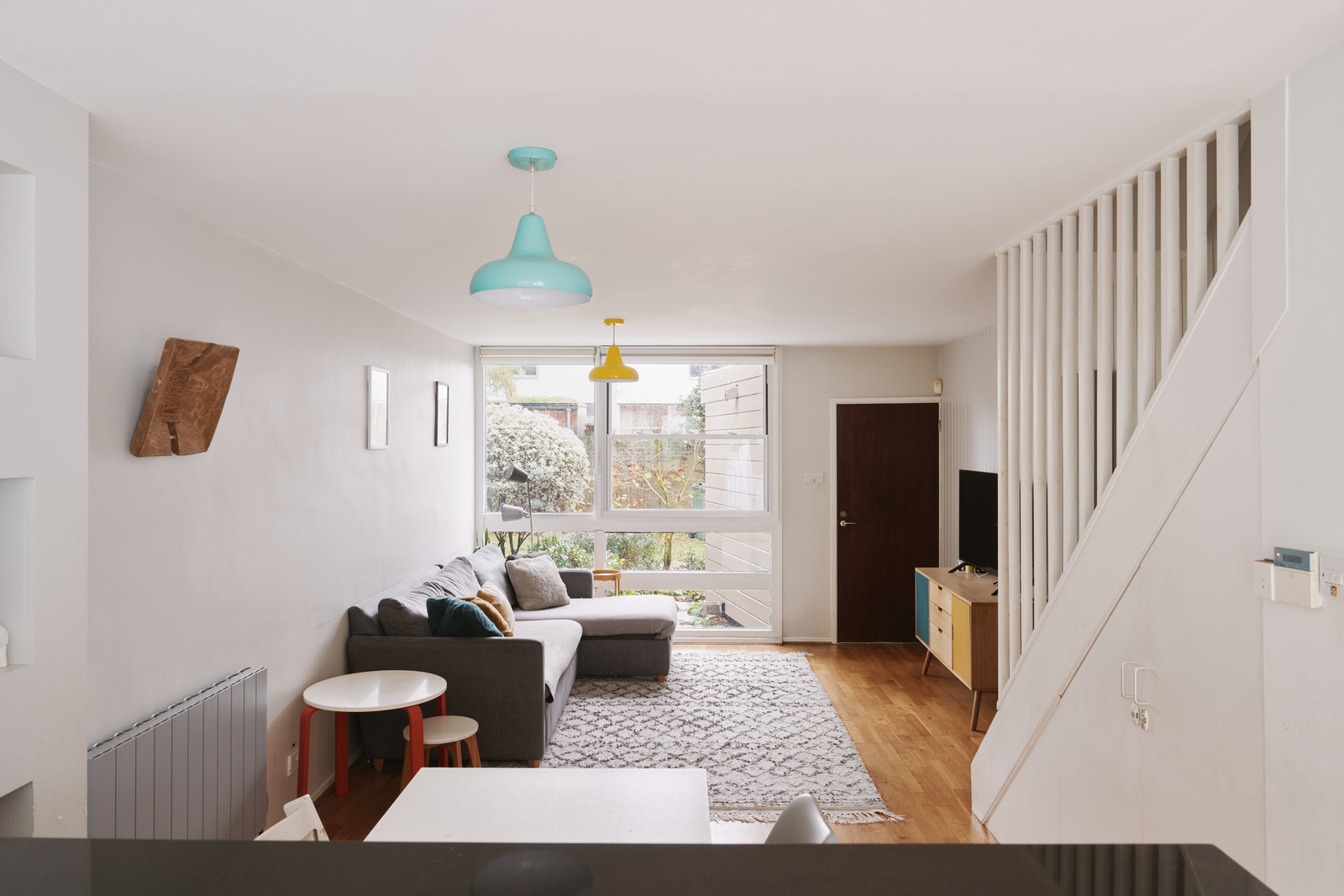
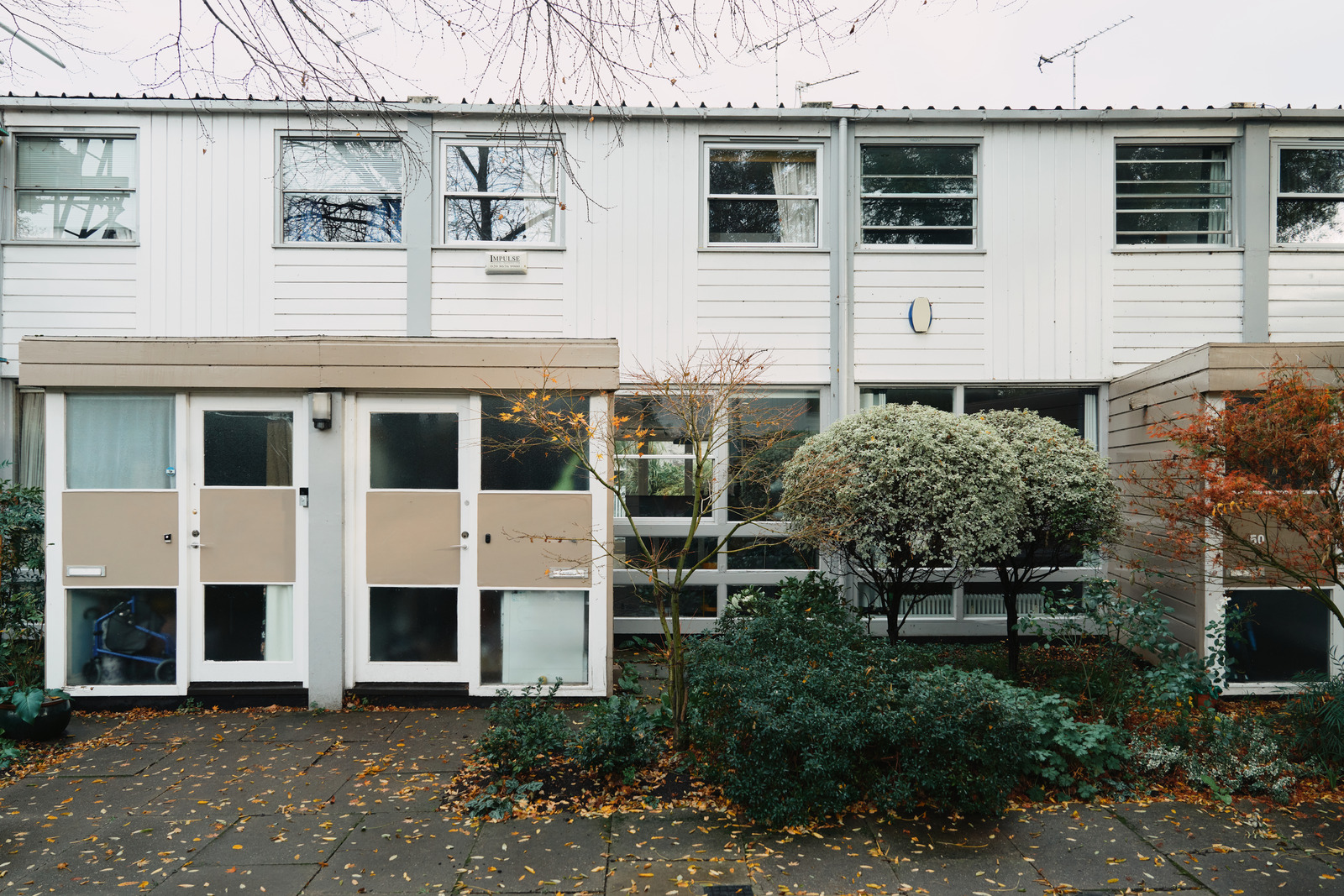
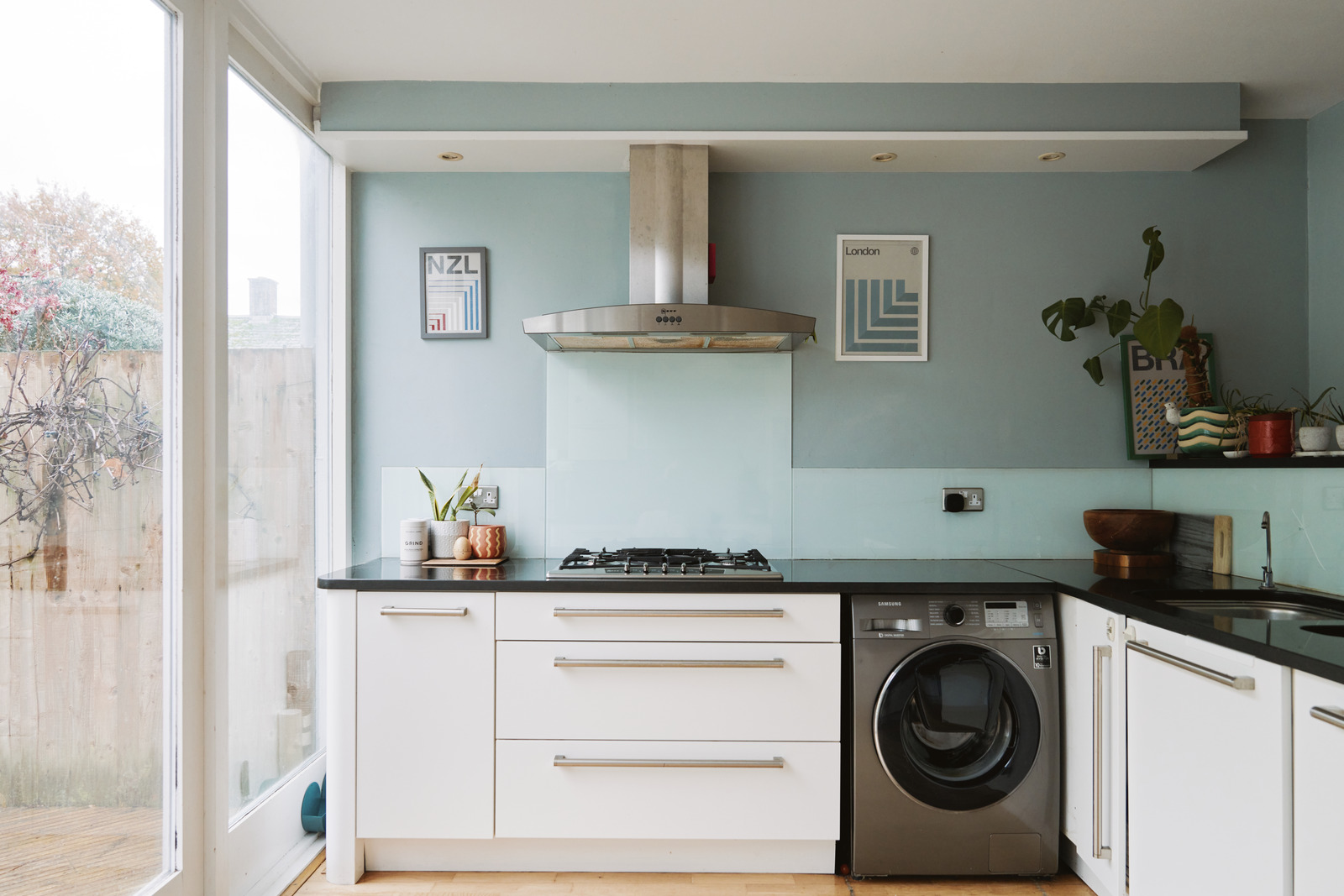
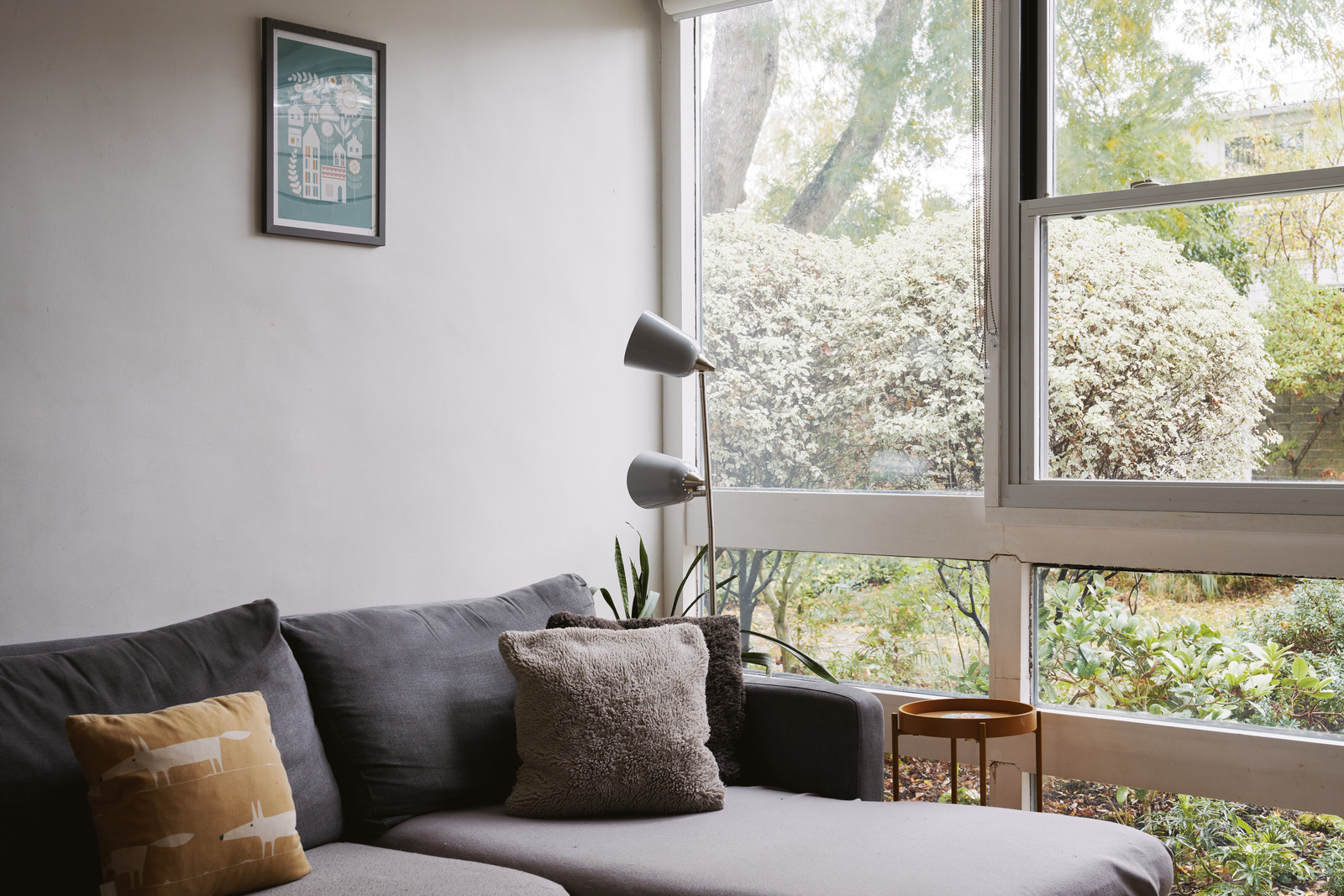
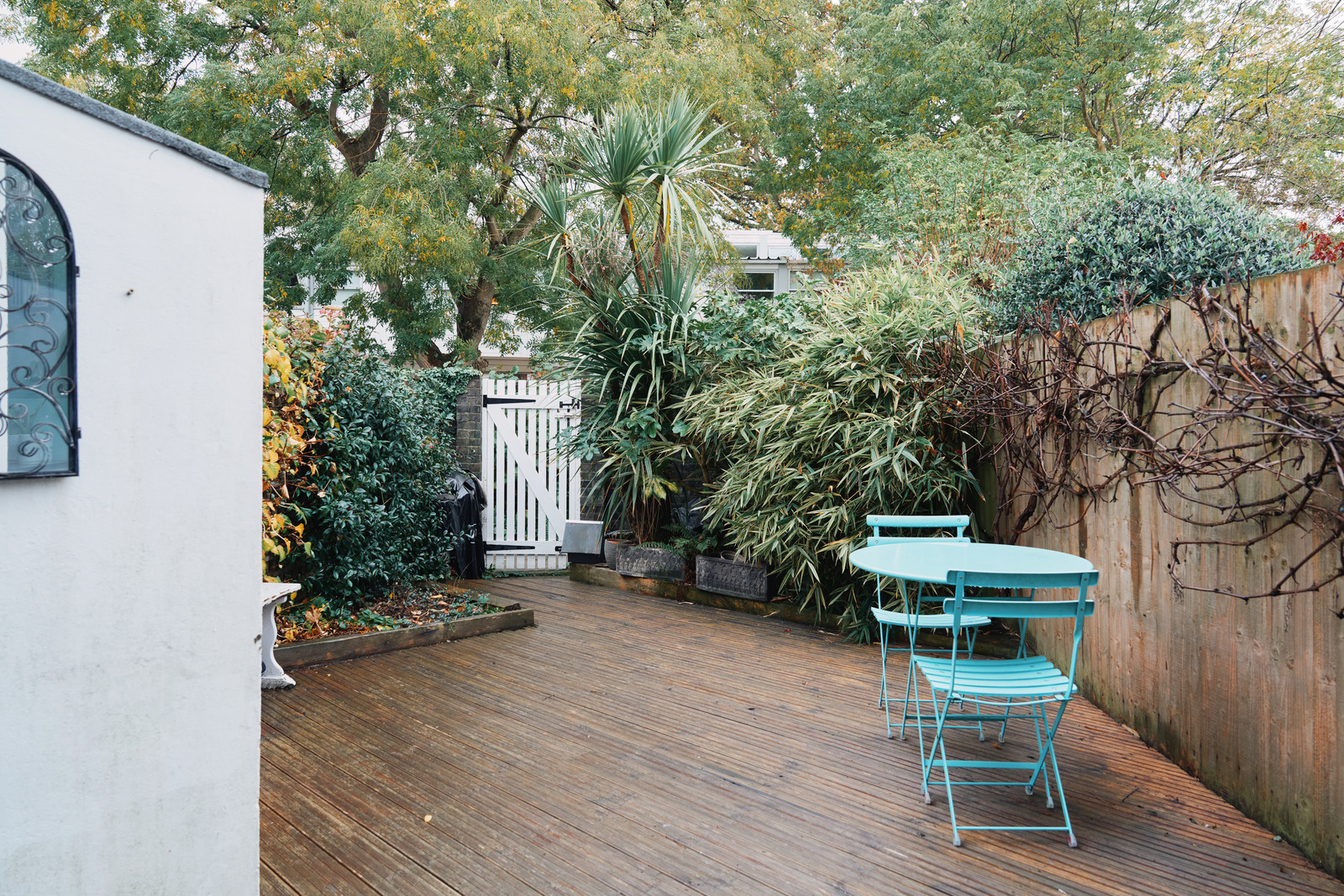
This typical example of a three-bedroom T-10 type Span house on The Lane – a gently winding row of terraced houses – is set within the sought-after Cator Estate in Blackheath. It was completed in 1964 by Span, a widely celebrated development company that took its inspiration from Scandinavian modernist architecture. The Lane won a Civic Trust Award for Housing in 1964 and is conveniently positioned a 15-minute walk from Blackheath and its railway station, which connects to London Bridge in 10 minutes.
The Lane
£725,000
History
The development company Span built 30 housing estates across the UK between 1948 and 1984. In his book The Spirit of Span Housing, James Strike writes:
“Span housing was the inspiration of two young men, who, during the 1930s, met as architectural students at the Regent Street Polytechnic. Eric Lyons and Geoffrey Townsend both had a keen interest in modern architecture… They believed that there was a market for well-designed houses in carefully designed landscapes for the sort of people who recognised good design when they saw it – and they were right.”
In 2006, Span housing was the subject of an exhibition at the RIBA, and the accompanying book, Eric Lyons & Span (ed. Barbara Simms), gives a comprehensive survey of its history. “The work of the architect Eric Lyons,” it states, “is as well-loved now as it was vibrantly successful when first constructed. Built almost entirely for Span Developments, its mission was to provide an affordable environment ‘that gave people a lift'".
Graham Morrison of Allies & Morrison Architects, who bought a Span House in the early 1980s, describes the joy of living on the Cator Estate: “I find it hard to imagine a more pleasant and safe place, so close to the city, in which to bring up young children. A shared garden made the making of friends easy and a sensible management structure helped to ensure the maintenance of not only the buildings and gardens but also the aims of the community.”
Interested?