Sold
The Round House
Frinton-on-Sea, Essex
SOLD
Architect: Oliver Hill / Marshall Sisson etc
or call +44 (0)20 3795 5920
Share


Sold
The Round House
Frinton-on-Sea, Essex
SOLD
Architect: Oliver Hill / Marshall Sisson etc
or call +44 (0)20 3795 5920
Share
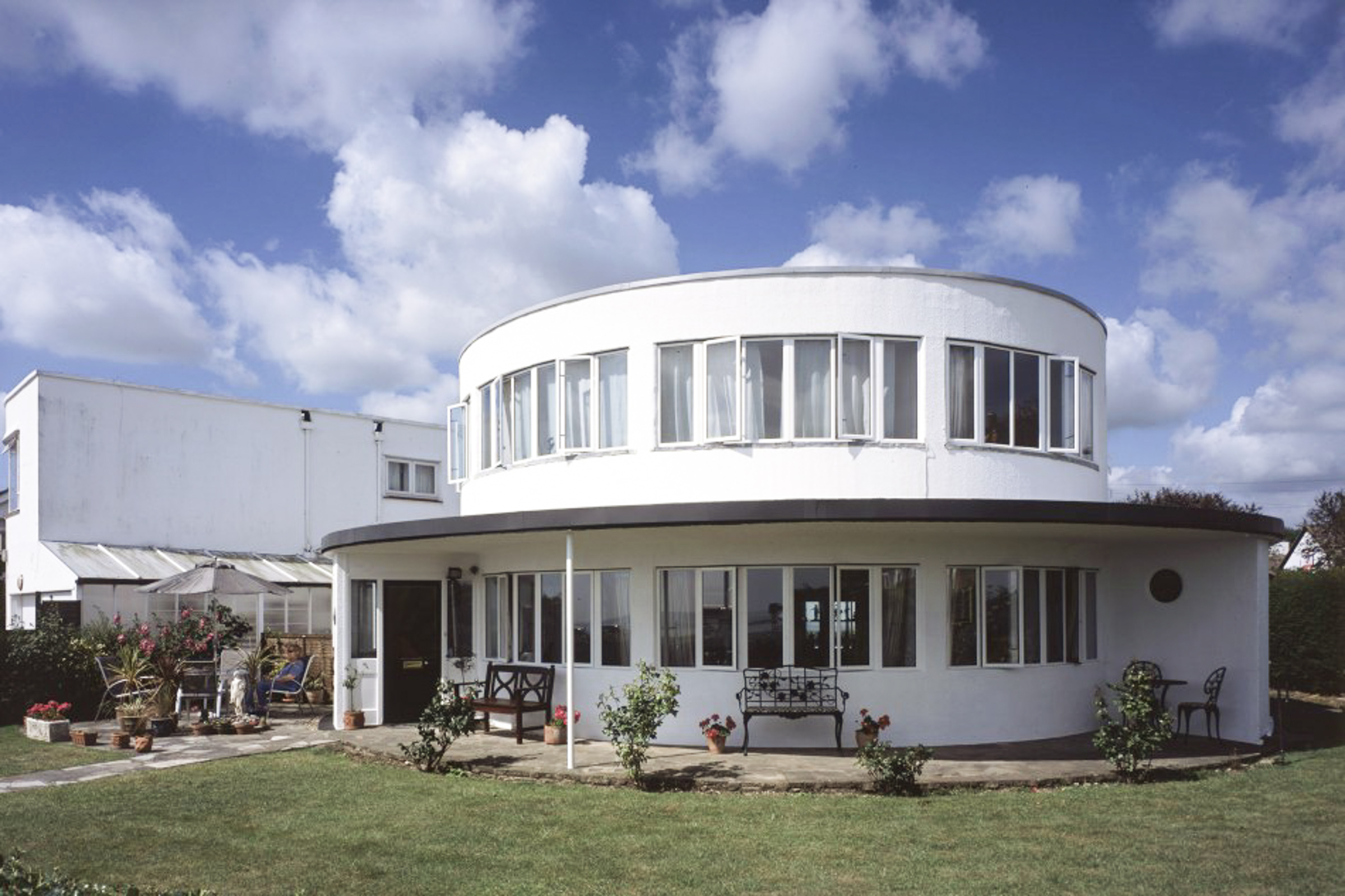
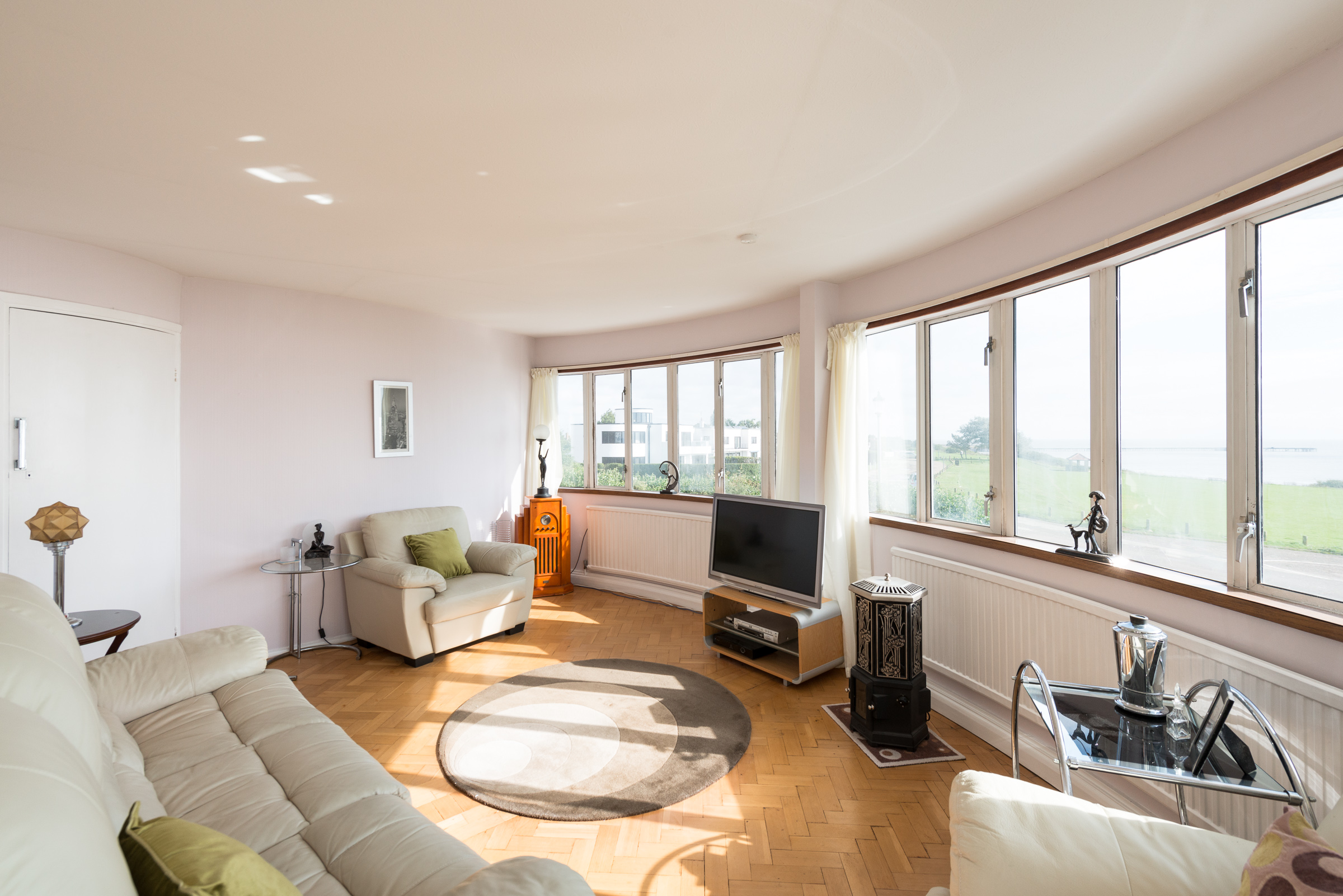
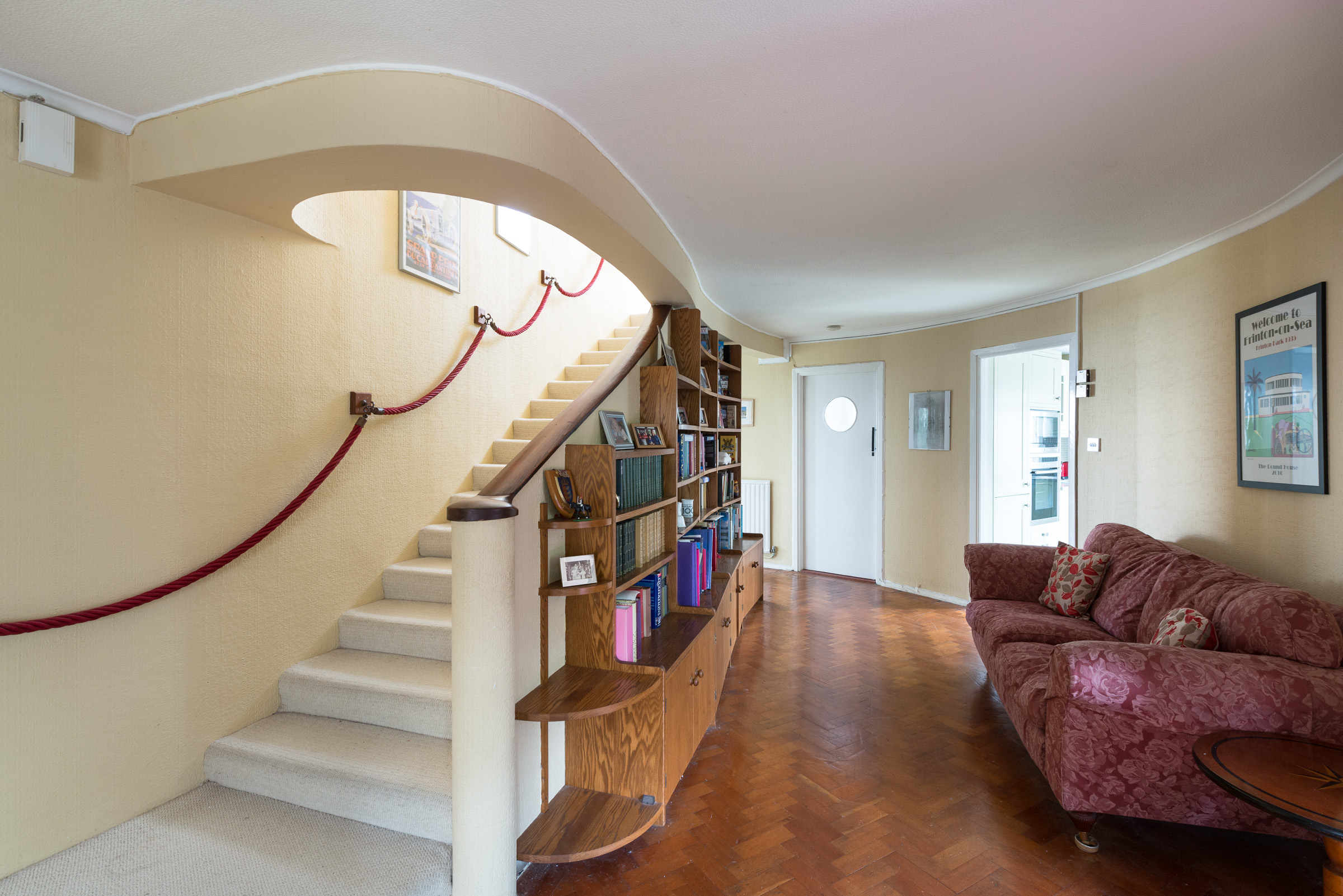
Designed by Oliver Hill in the mid-1930s, this remarkable Grade II-listed four-bedroom Modernist house is the most architecturally significant building on the Frinton Park Estate, and has a privileged location on the seafront.
The Round House
SOLD
History

In 1934 the South Coast Investment Company Ltd bought 200 acres of land straddling the railway line to the north-east of Frinton. They proposed an ambitious development, the Frinton Park Estate, which was to include 1,100 houses, a town hall, college, churches, a shopping complex, and a sweeping cliff-face hotel. The 40 acres east of the railway line and closest to the sea was designated as a showcase for modern houses, and Oliver Hill was chosen by the company as the principal architect for the estate, responsible for supervising its overall design and layout. Hill was insistent on the employment of a number of young, progressive architects, including Wells Coates, Maxwell Fry, Erich Mendelsohn and Serge Chermayeff, Tecton, FRS Yorke, Frederick Gibberd and others.
By the end of 1935 the project had foundered. Many of the architects had already withdrawn, and Hill resigned in August of that year. Ultimately, the scheme failed because of the conflict between the idealism of the architects and the need for profit, and because of the difficulty of selling experimental design and new materials (such as concrete) to a suspicious and conservative public. Only about 40 modernist houses and part of the shopping centre had been built. Oliver Hill had designed 12 houses, of which ten survive.
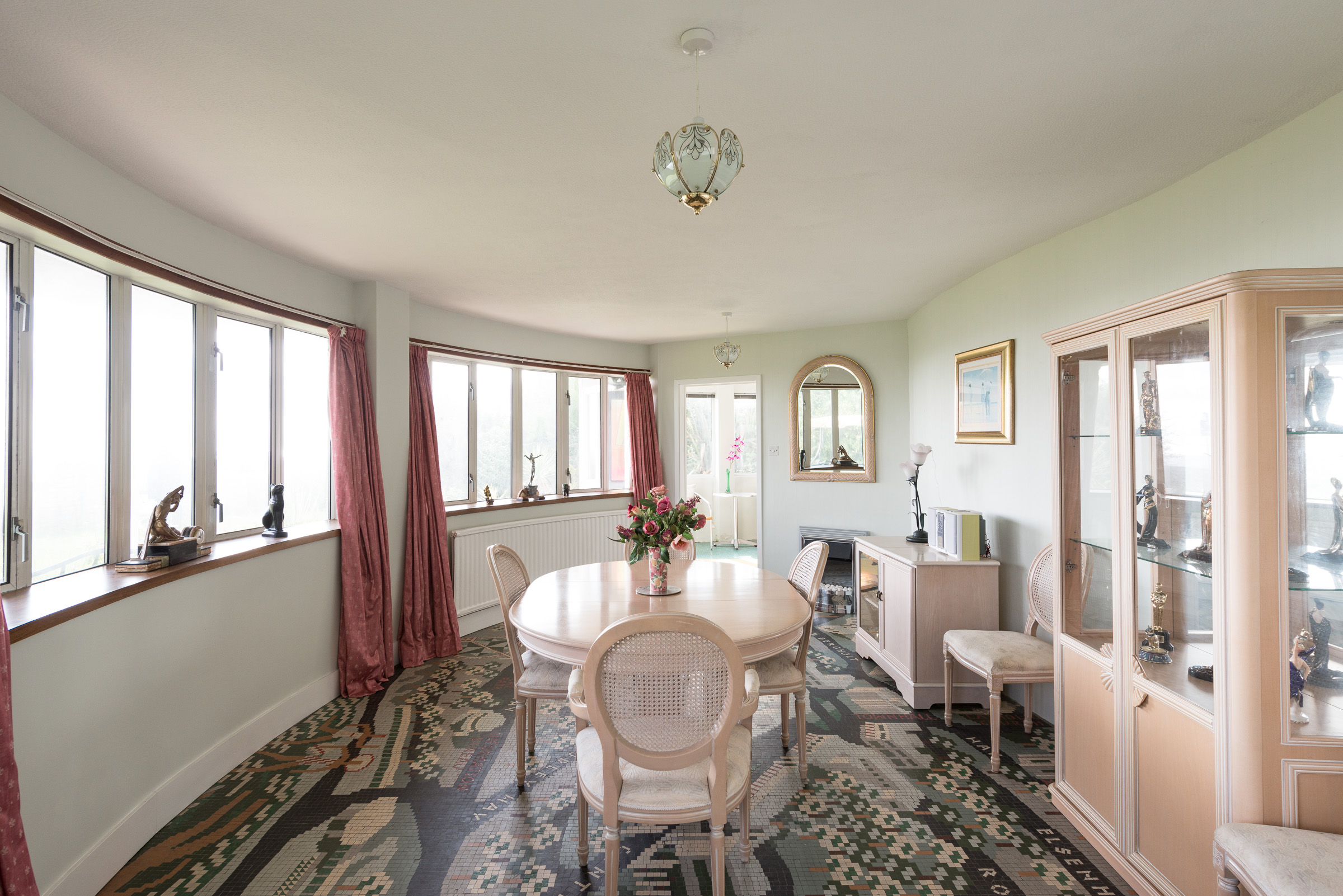
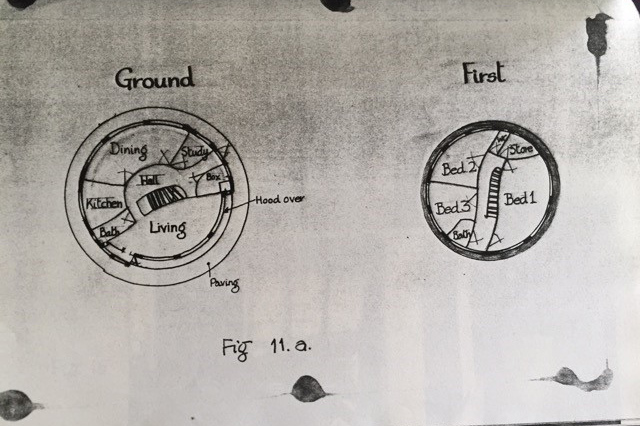
The Round House was the first to be built and was the focal point for the estate. It would exhibit products approved by Hill as well as photographs of modern houses from the Royal Institute of British Architects (RIBA); it also acted as the office for records and sales. The mosaic plan on the floor was designed by Clifford Ellis. According to English Heritage, “Despite the recent replacement of the glazing, the building remains a strong architectural statement with the striking use of the circular plan, projecting 'skirt' and the position of the building as a focal point of the model estate.”
Interested?