Sold
The Ryde VIII
Hatfield, Hertfordshire
SOLD
Architect: Phippen, Randall & Parkes
or call +44 (0)20 3795 5920
Share


Sold
The Ryde VIII
Hatfield, Hertfordshire
SOLD
Architect: Phippen, Randall & Parkes
or call +44 (0)20 3795 5920
Share
“A perfectly judged series of interlocking spaces, holding a harmonious balance of mid-century architecture and modern interventions”
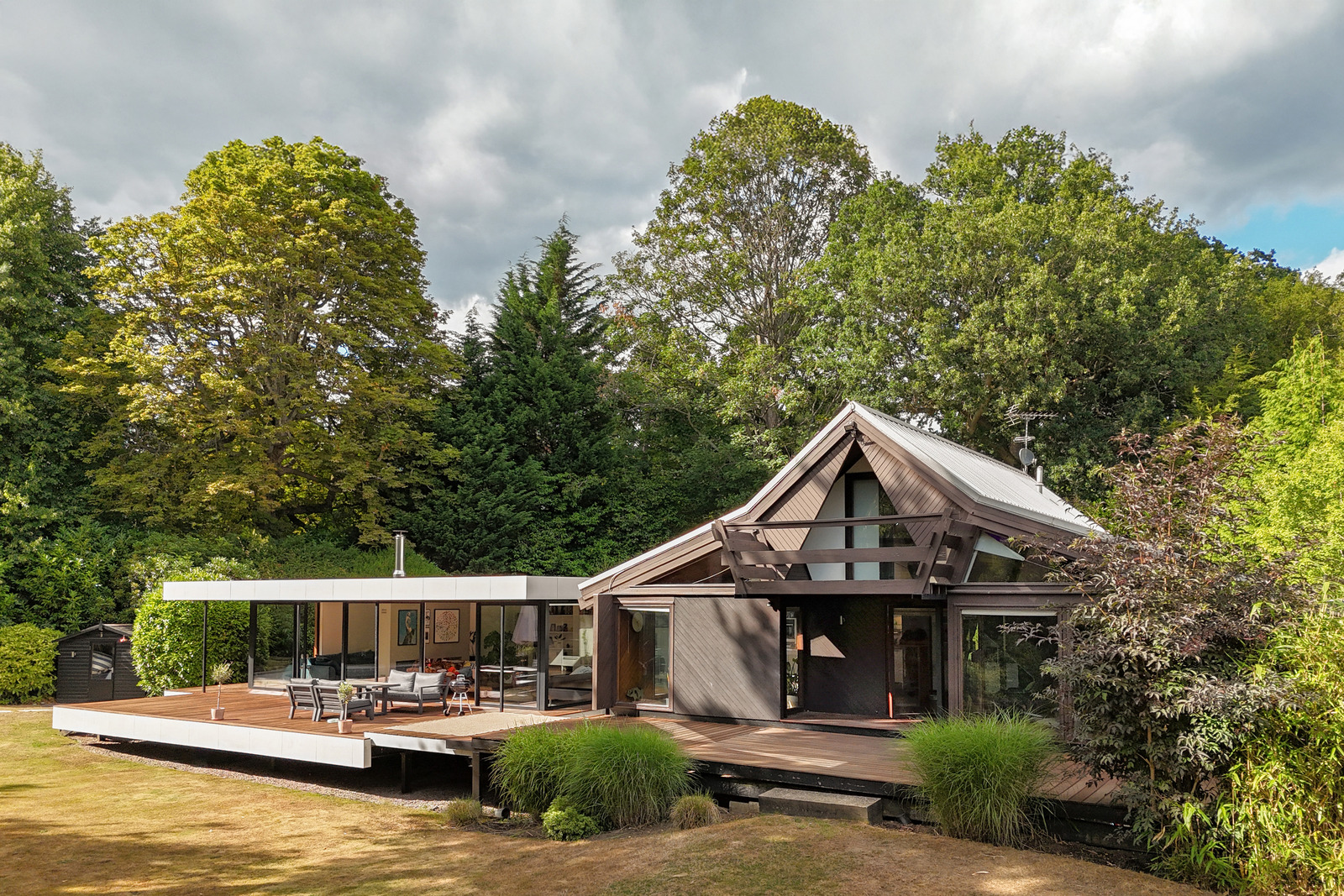
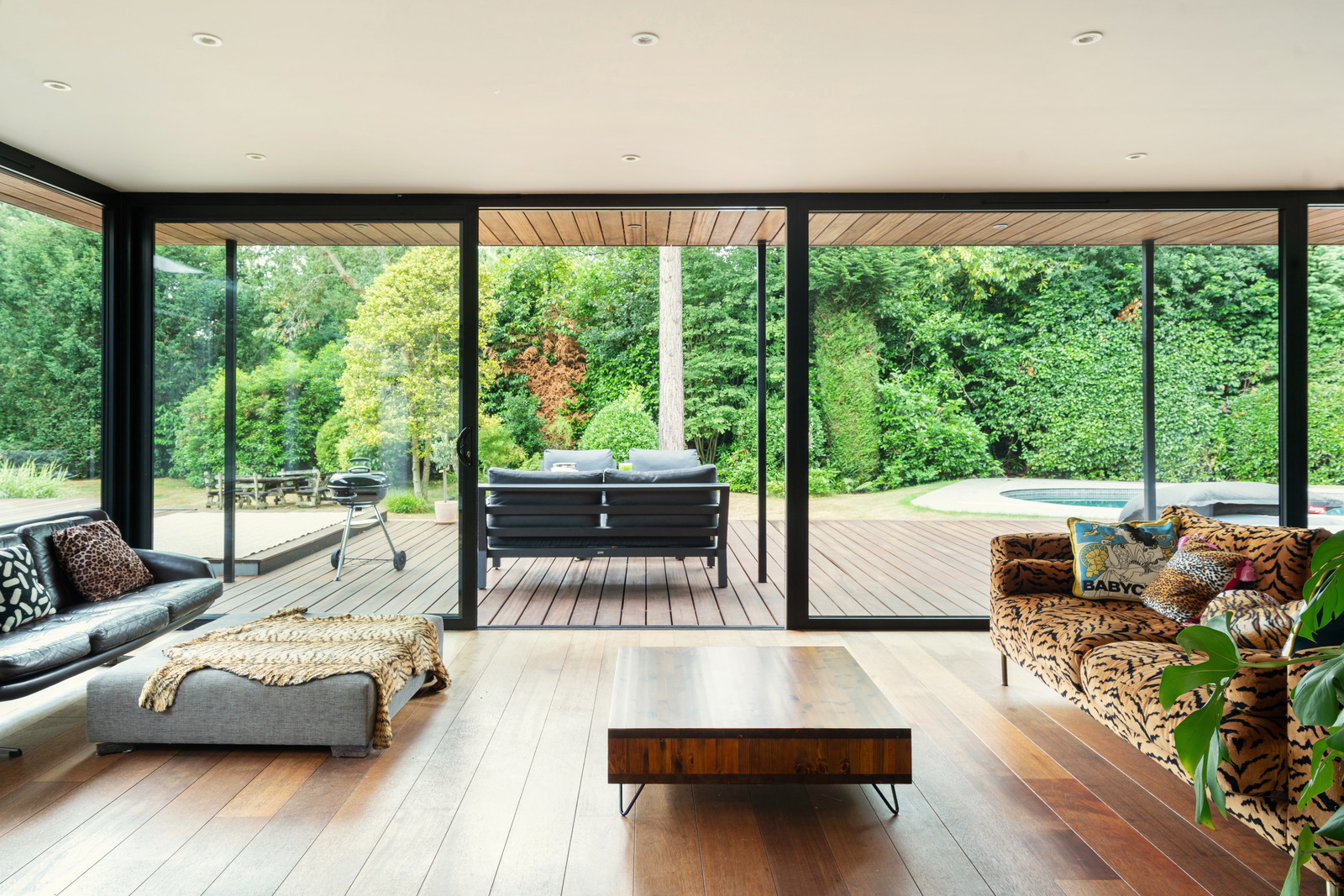
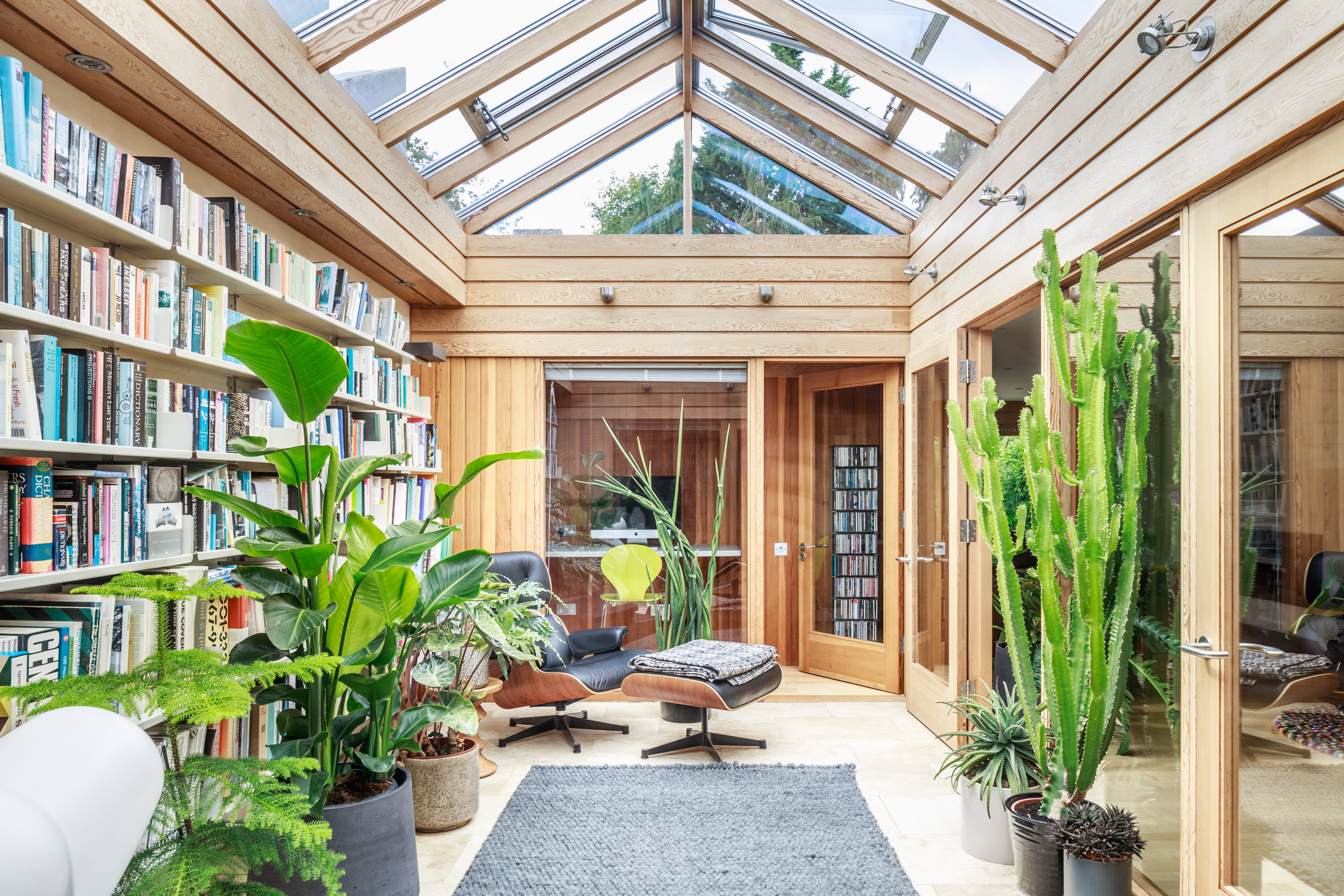
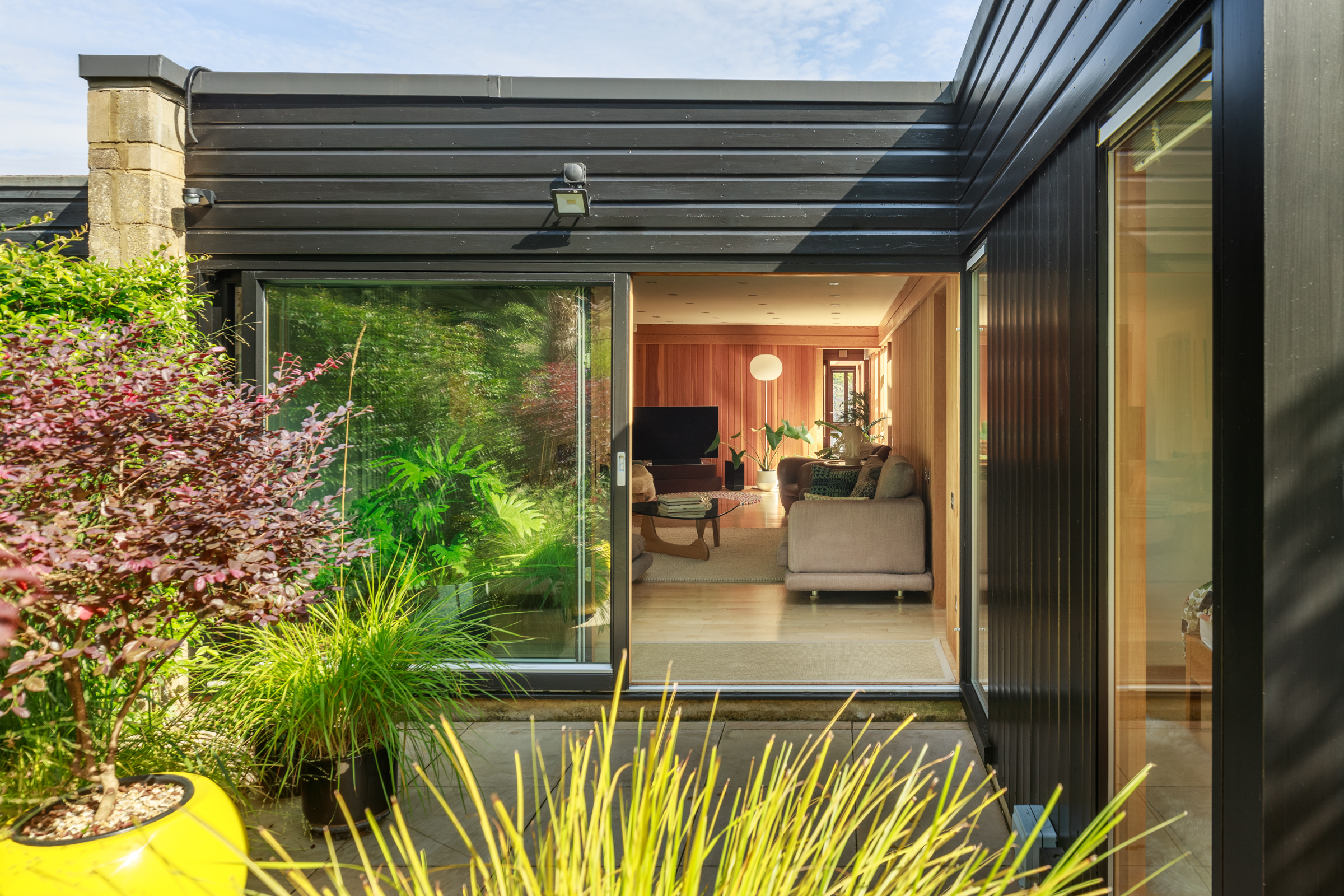
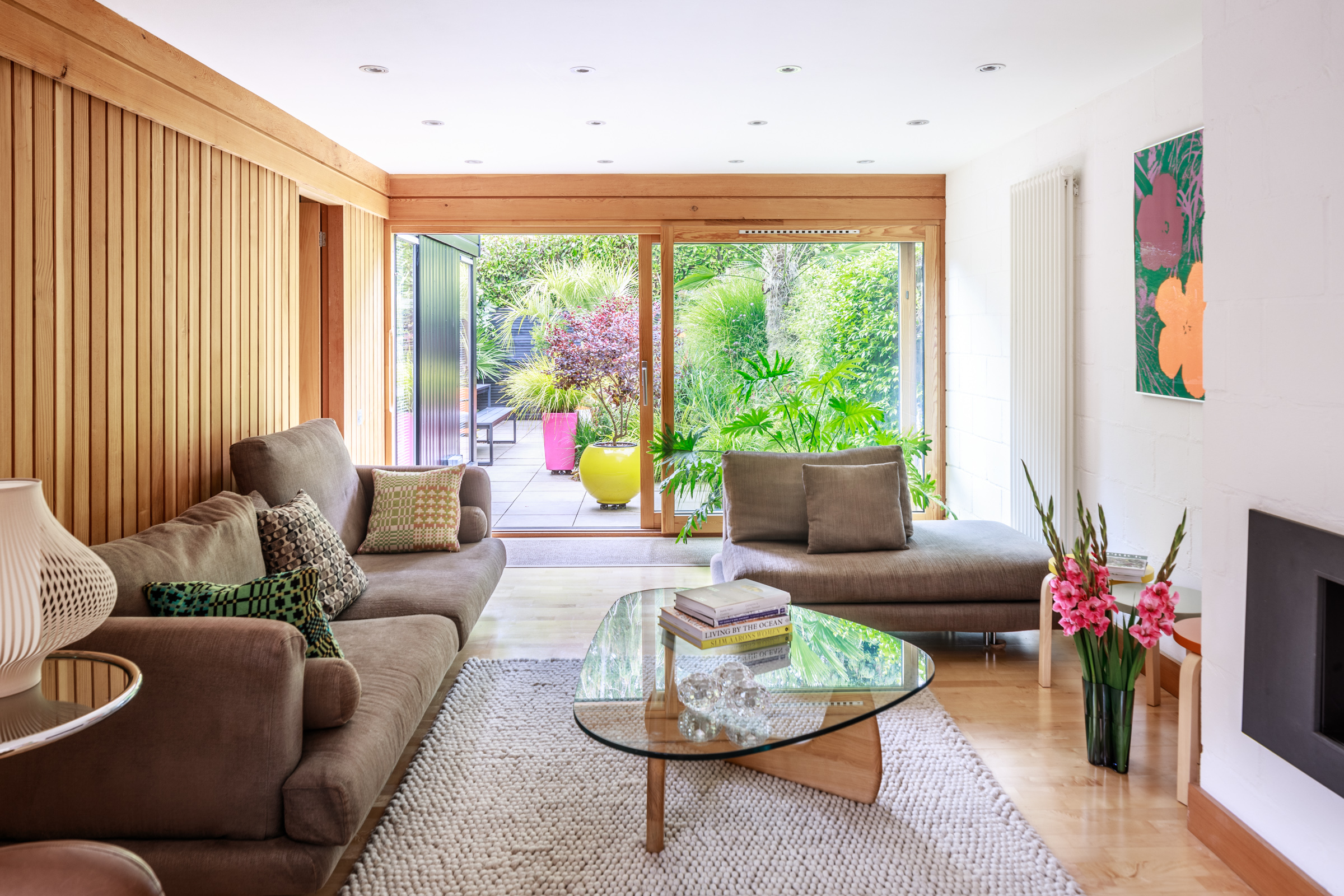
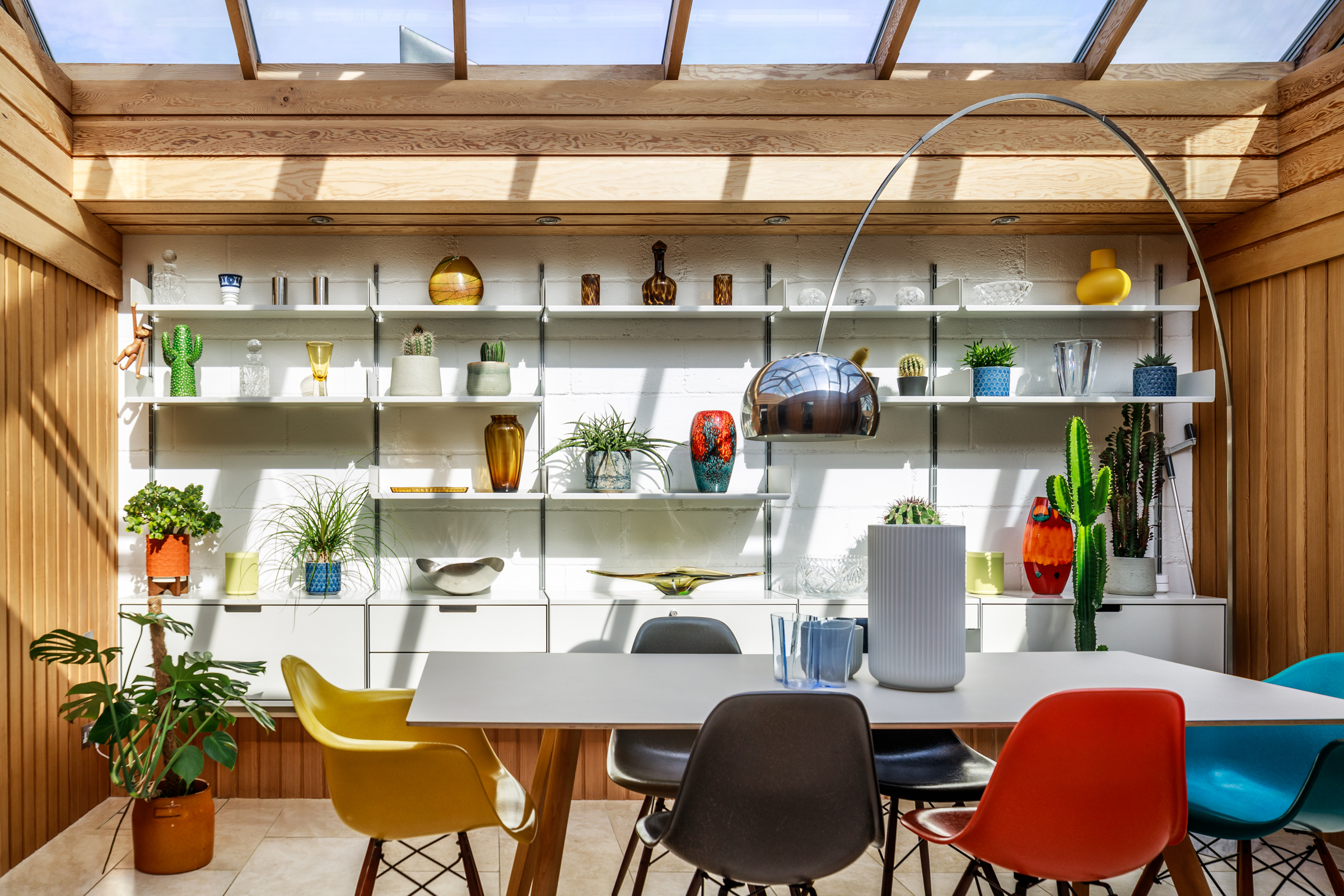
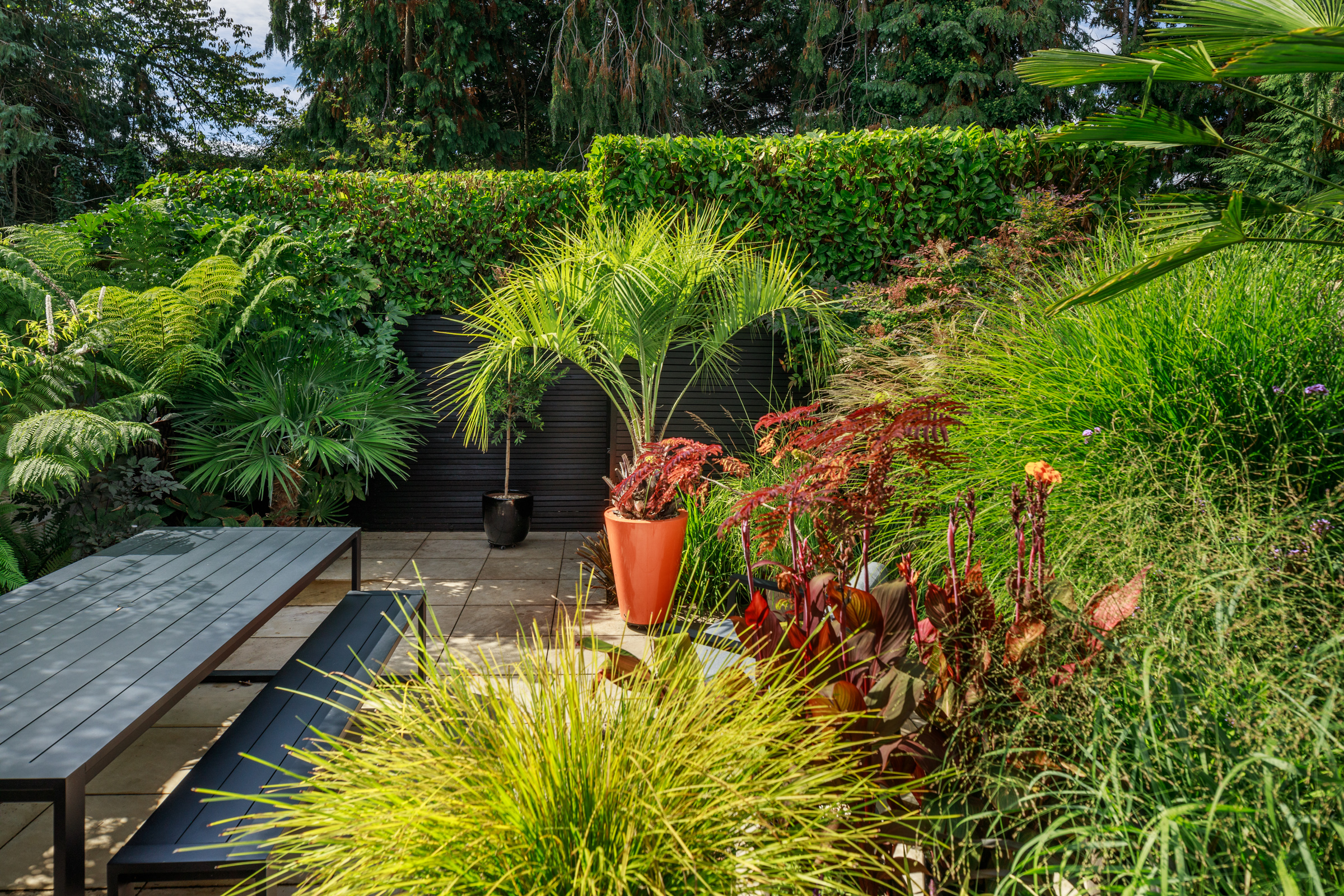
The subject of recent meticulous and sensitive renovations, this beautiful five-bedroom mid-terrace house in Hertfordshire forms part of the renowned Grade II-listed Cockaigne Housing Group. Configured over a single storey, the fluid living spaces unfold around 1,899 sq ft in a playful rectangular plan of grids and glazing. Bathed in natural light, the contemporary interiors are seamlessly interwoven with the house's mid-century bones. There is off-street parking, a garage and lush gardens at the front and rear. The house is a 10-minute walk from Hatfield Station, where regular trains run to London.
The Ryde VIII
SOLD
History
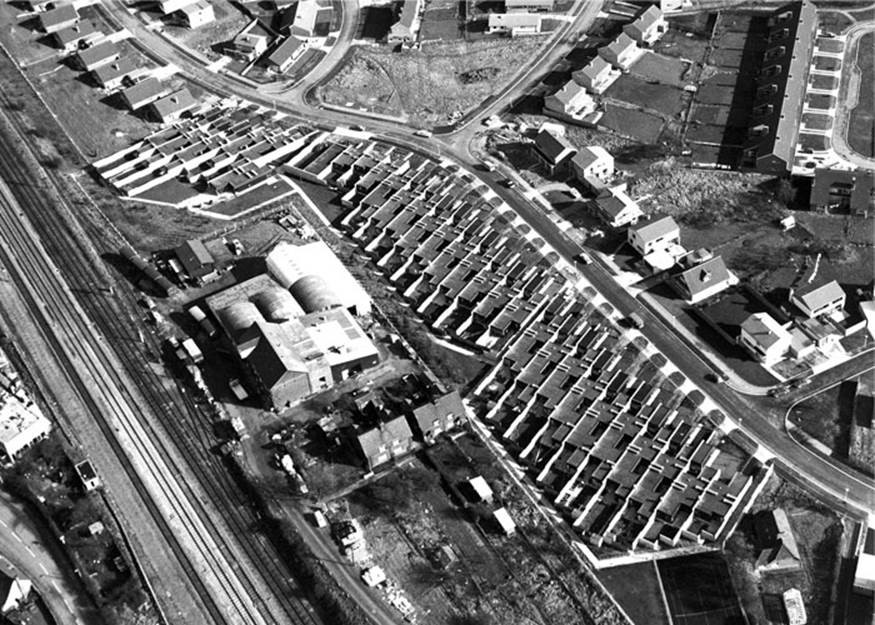
Considered by English Heritage as “the leading English manifestation of the courtyard home”, The Ryde is deemed to be one of the finest post-war housing schemes in Britain. The Cockaigne Housing Group was originally the idea of Michael Baily, a journalist at The Times, who was inspired by communal housing projects created in Scandinavia. In 1962 he placed an advert in The Times seeking support for his project and the response allowed him to put his plan into action. Later that year, Baily met the architects Peter Randall and David Parkes, both of whom had worked on an "adaptable house" that had gained a lot of attention at the Ideal Home Exhibition in London and were perfect for this project. However, Baily's efforts to find suitable land in London proved fruitless; instead, he persuaded the Hatfield Development Corporation to give over almost three acres of land on a long-term lease.
The Ryde was Randall and Parkes' first commission, enabling them to establish PRP Architects with Peter Phippen. The practice was hugely influenced by the brave new world spirit of the Festival of Britain and by contemporary research carried out by The Ministry of Housing and the Local Government Research and Development Group where Randall and Parkes had worked. The practice was set apart by its philosophy of designing for and with the individuals and the communities who would occupy the houses. Fundamentally they saw themselves as functionalists, at the zeitgeist of mid-century architectural thinking. They too looked to Scandinavia for inspiration, particularly towards Denmark.
With The Ryde, Baily commented, they sought “to work out afresh the needs of a family of today.” There was a desire to balance holistically communal aspects of the scheme whilst maintaining the privacy of each house. The scheme was conceived as a long, low terrace of single-storey houses. The focus, however, was on each individual dwelling and taken as a whole the community is without grand formal expression. Each house has its own street frontage of two staggered bays that stretch inwards towards a hidden communal garden. The wider of the bays, approximately 3.6m in width, contains the principle living areas whilst the subsidiary bay of bedrooms and bathrooms is approximately 2.4 – 2.6m in width. Numerous variations were generated from these fundamentals, giving one to four bedrooms and one or more internal courtyards that brought light and air into the centre of the deep plans.
This unique development of courtyard houses received widespread recognition and made way for similar PRP Architects schemes at Shrublands and Forestfield. Its historical significance was recognised in 2006 with a Grade II listing. It remains an iconic project of its day.
Interested?