Prime summer 2026 report: Why you should price for today's market
August 3rd, 2026

We get regular requests to share more “behind the scenes” colour on The Modern House business; how we work, the tools we use, the way things are done. So earlier this year, we started an occasional series across our channels that we’re calling ‘In-House’. It's basically, “the business of design-led homes”. Here, our Managing Director and Head of Prime share an overview of the Prime market and decipher what that means for serious sellers. Using recent case studies, they demonstrate how stand-out homes priced for today's market are still finding the right buyers.
Words Louise Willocks and Georgia Grunfeld
Photography French & Tye and James Tarry
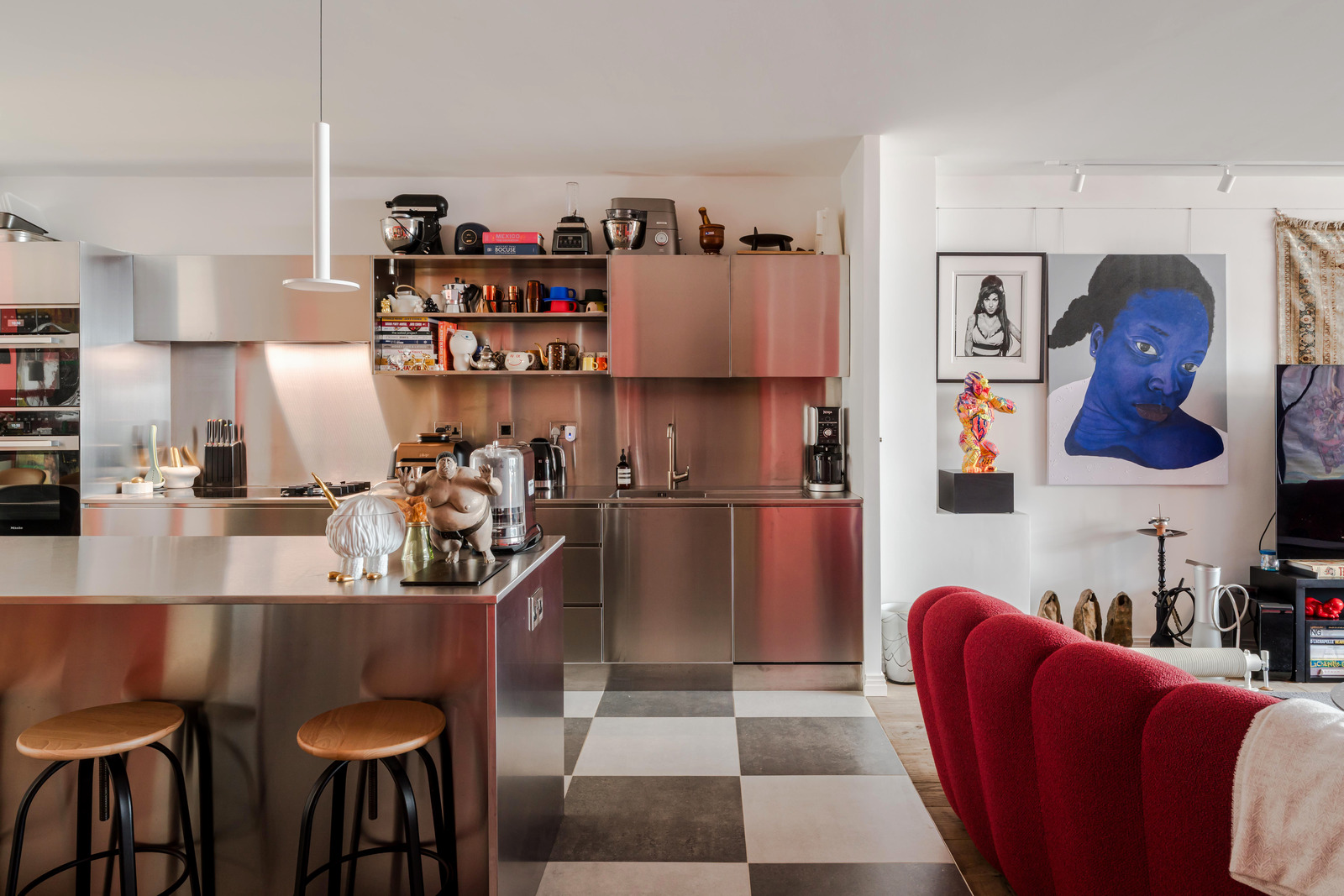
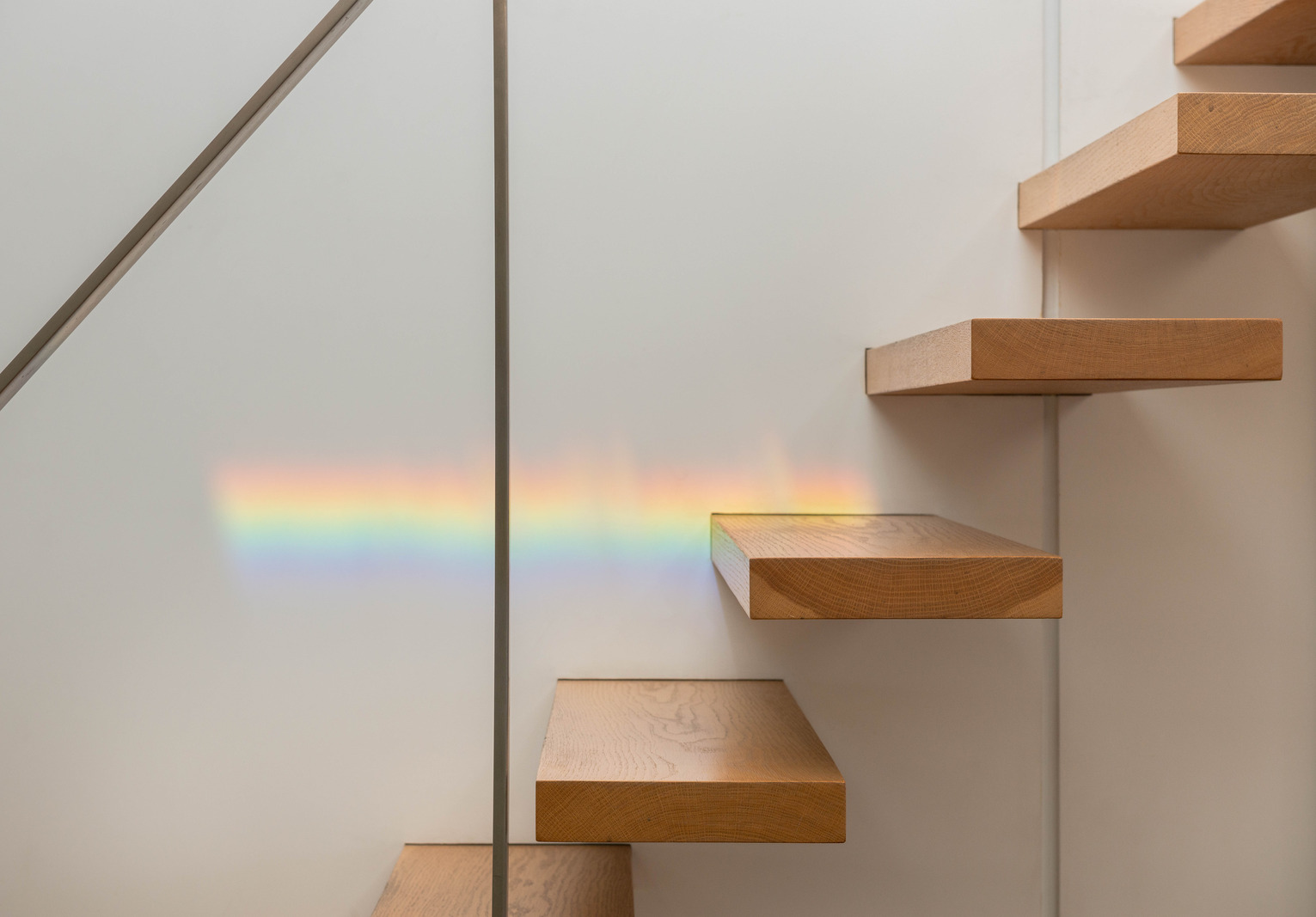
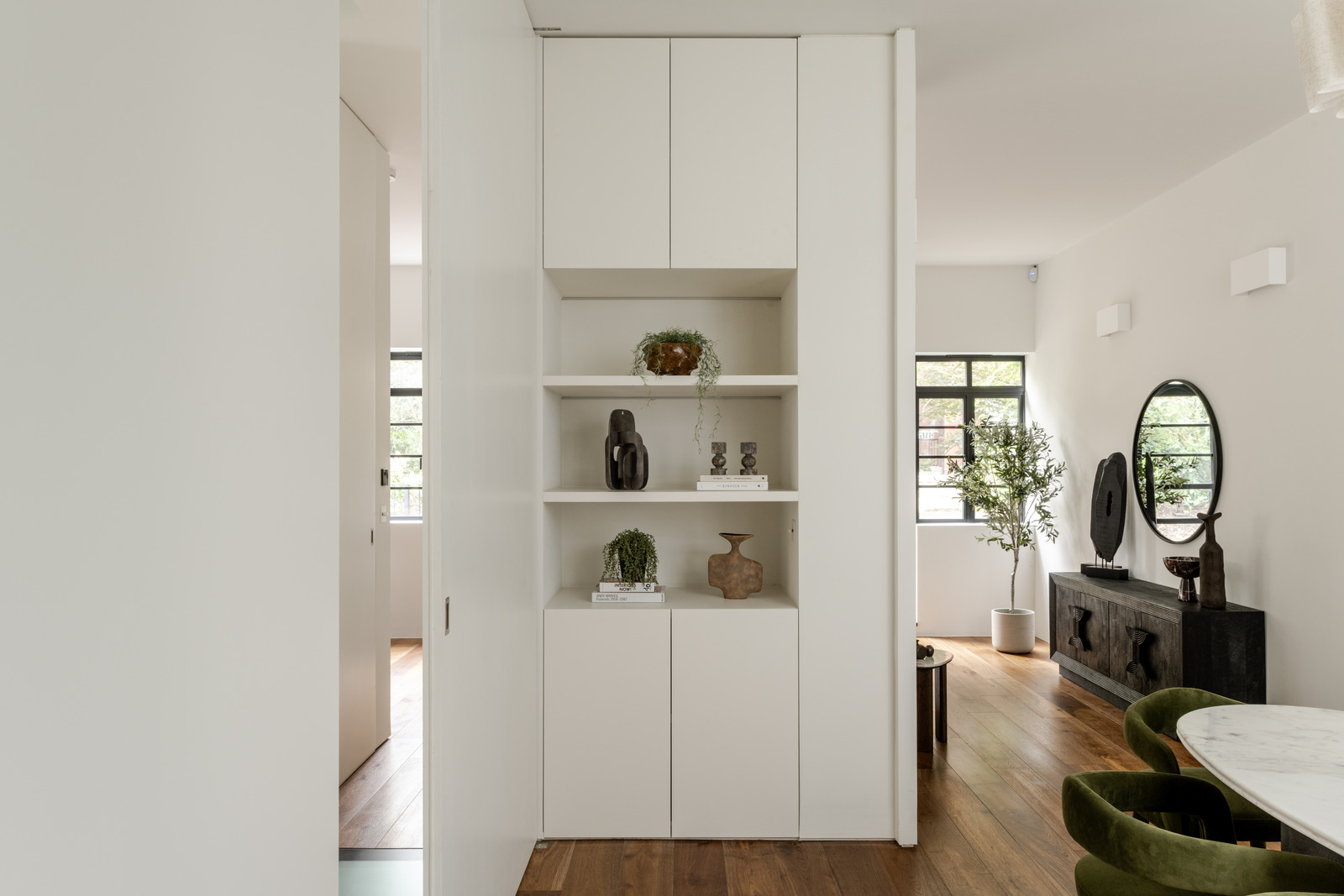
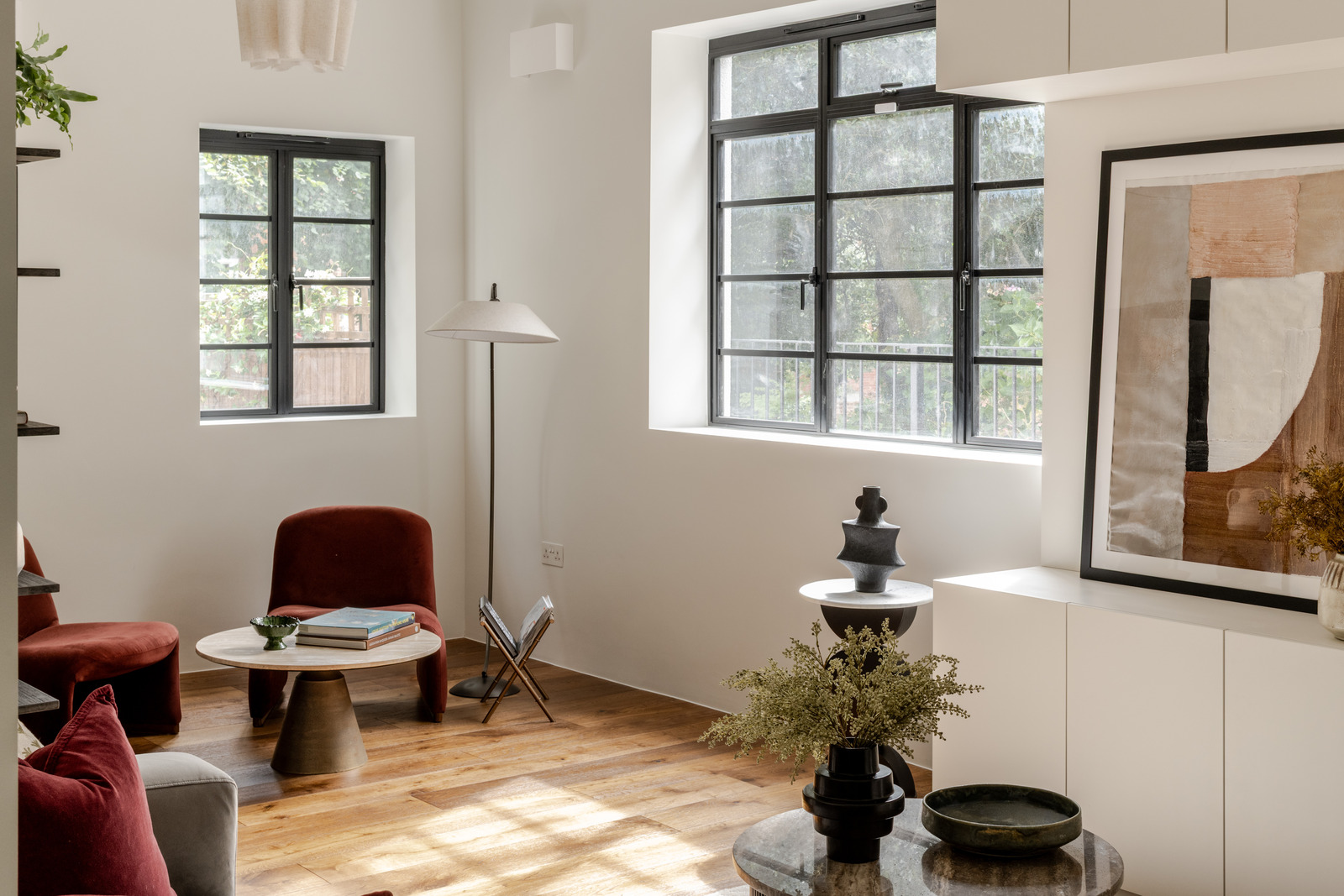
At Netherhall Gardens, oak floorboards and black Crittall-style windows run through over 2,330 square feet behind a red-brick chimney and clay-tiled roof – its Victorian and Edwardian bones reworked by the award-winning William Tozer Associates (pictures 1 & 2). Yet it had still sat unsold with two other agents for a considerable time. We listed it at the same asking price and found the buyer through our own channels, at close to that figure. The house had not changed, but the audience had.
Buyers have not gone anywhere – they are still viewing, offering and completing. However, a new Prime Minister and rumours of changes to property, wealth and capital taxes have made buyers careful. No one hurries while the rules are being rewritten.
You can still sell your home in this market, if you are realistic about the price. But a price set to flatter the seller rather than tempt the buyer will sit there doing neither.
A market finding its level
Prices in prime central London fell 3.6% in the year to May 2026, and the decline is speeding up: Savills recorded a 1.7% fall in the second quarter alone, and expects a further 2–3% decline this year before values stabilise in 2027. Outer prime London is holding up better and should return to growth first.
The market is busier than the headlines might suggest. Knight Frank found that while sales in prime central London were down 14% in the year to June, the number of offers made only fell by 4%. And in outer prime London, offers actually rose 5%. Buyers are still putting their hands up, but they’re not chasing.
Sellers have noticed and Frances McDonald at Savills says “increasing alignment in expectations has supported ongoing market activity despite a thinner seam of demand”.
Why the asking price matters
The average prime central London home is currently selling at around 14% below its original asking price, and buyers have plenty to choose from - supply is close to a 12 year high for this time of year.
Hesitancy is visible after offers are agreed, too: nearly every agent Savills surveyed said deals were taking longer. And in the prime market, discounts have become the norm – LonRes found that in June more than half of completed prime London sales were homes that had already cut their asking price at least once.
The picture is gentler in the wider, mainstream market: Rightmove looked at every home that sold and completed in 2026, and found that 74% of them sold without a price reduction. Those homes sold far faster too: an average of 36 days on market, against 127 days for homes that had to cut their price.
The sales that hold together tend to be the ones that started at a price both sides could believe in. Testing an optimistic price usually just buys a reduction and a longer wait.
A tale of two Londons
Not every London postcode is having the same year. Achieved prices are falling fastest in Kensington & Chelsea and Westminster, down more than 11% over the past year. Outer London is going the other way: prices have risen 17% over the same period.
The property type tells us as much as the postcode. London's high proportion of flats is the biggest drag on its averages: prices fell 6.1% over the year in London against 2.6% nationally, the only property type in decline across the country as a whole. Rising service charges and softer buy-to-let demand weigh on them most.
And outside London, the prime regional markets are not immune, down 3.8% over the year. But the pattern within them is instructive. The weakness is concentrated in the discretionary end: the top-end country house market has softened most, while urban markets, "driven by needs based buyers," have shown more resilience. Where somebody needs to move, the market still works.
The art of asking
None of this amounts to a market to be feared, and none of it means giving your home away. The homes finding their buyers this year are the ones priced for the present, and the buyers they are finding are serious.
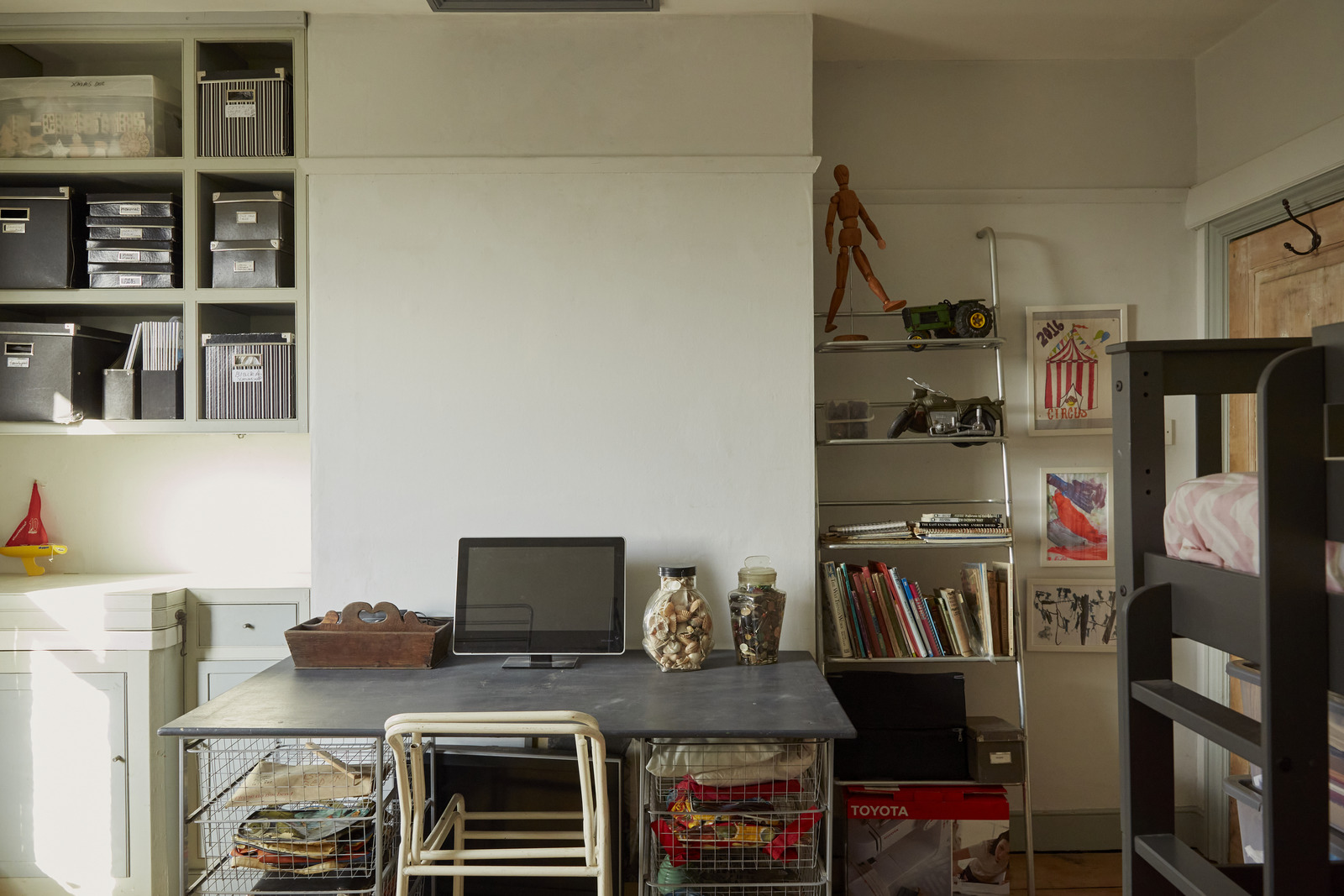
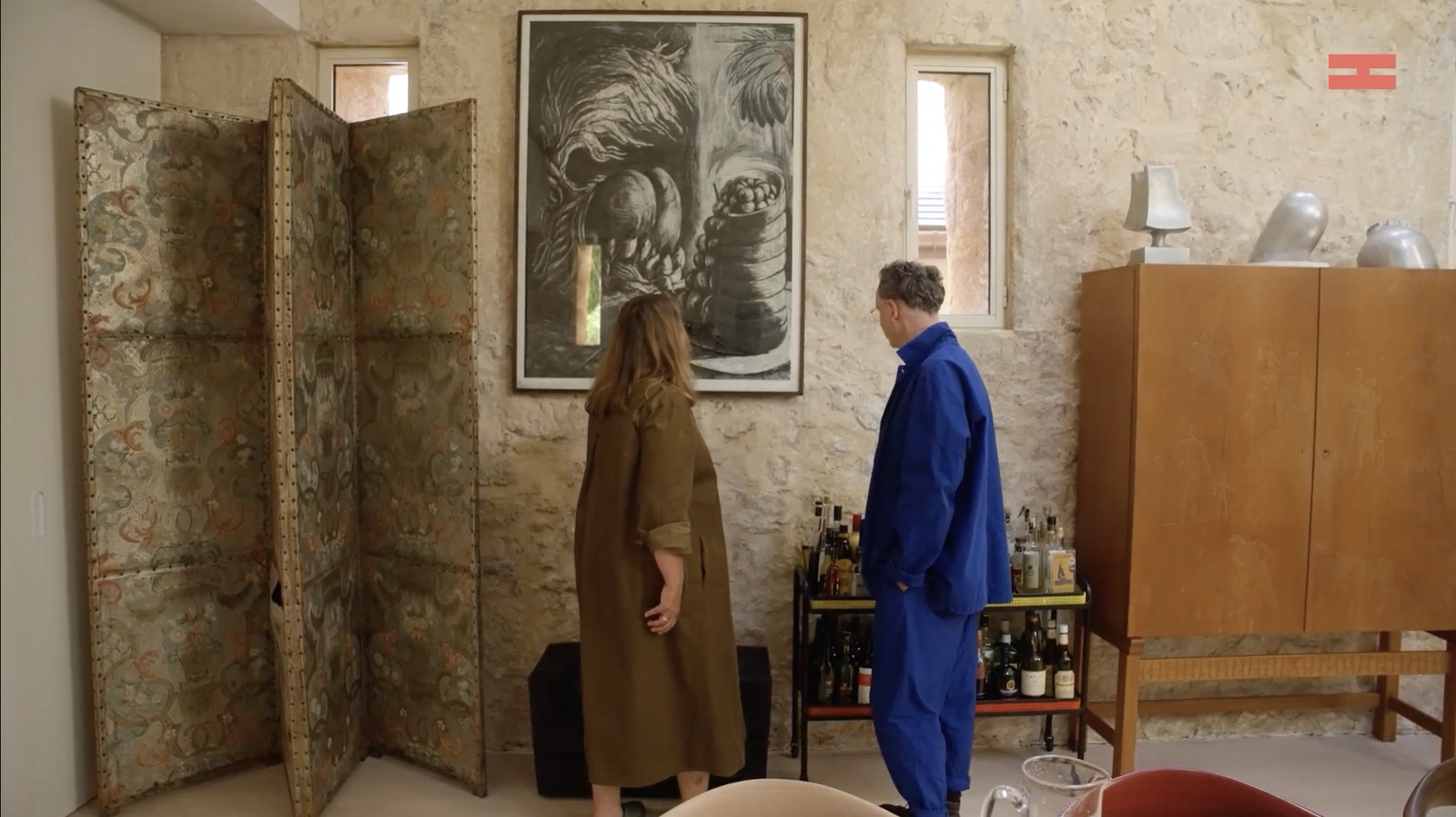
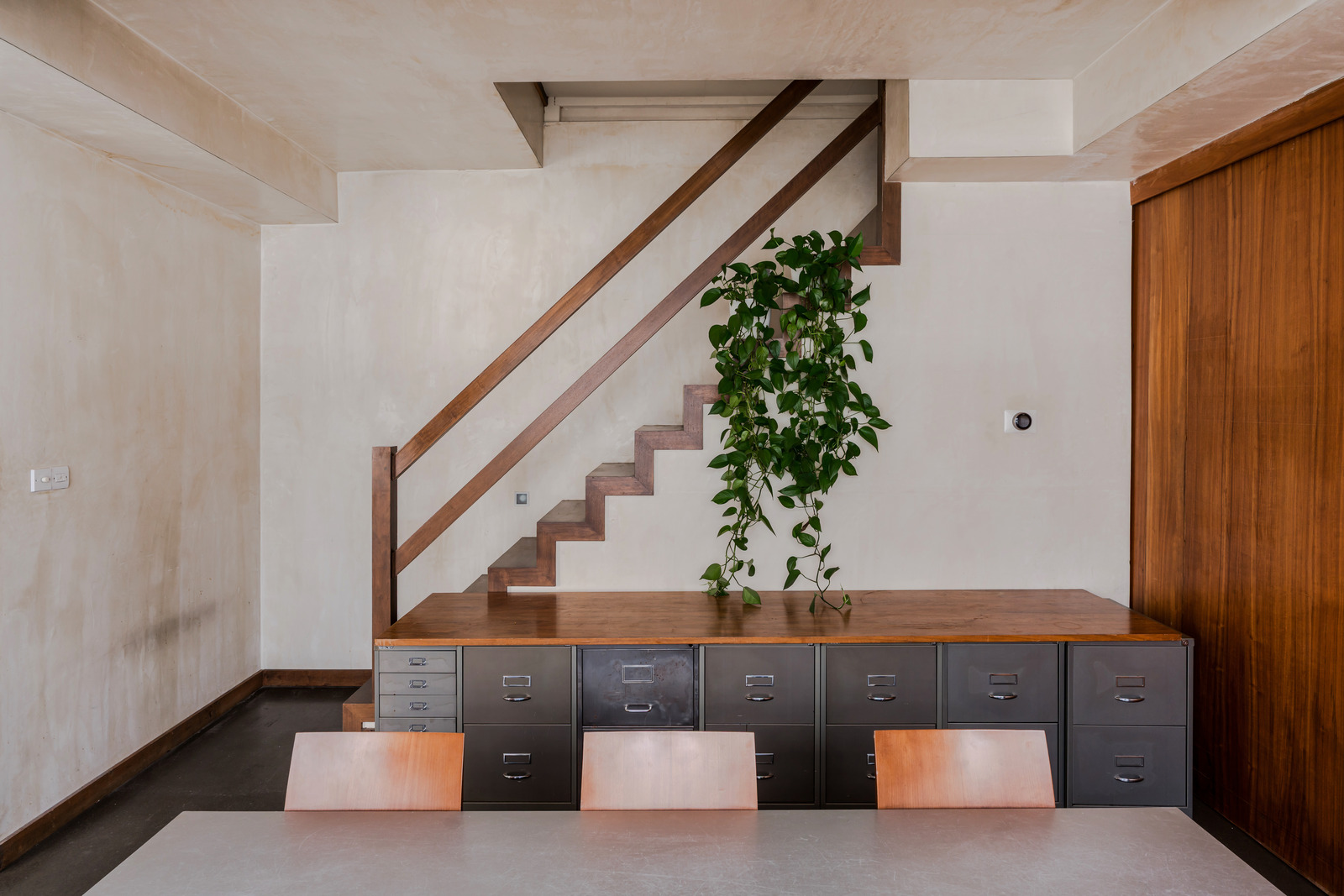
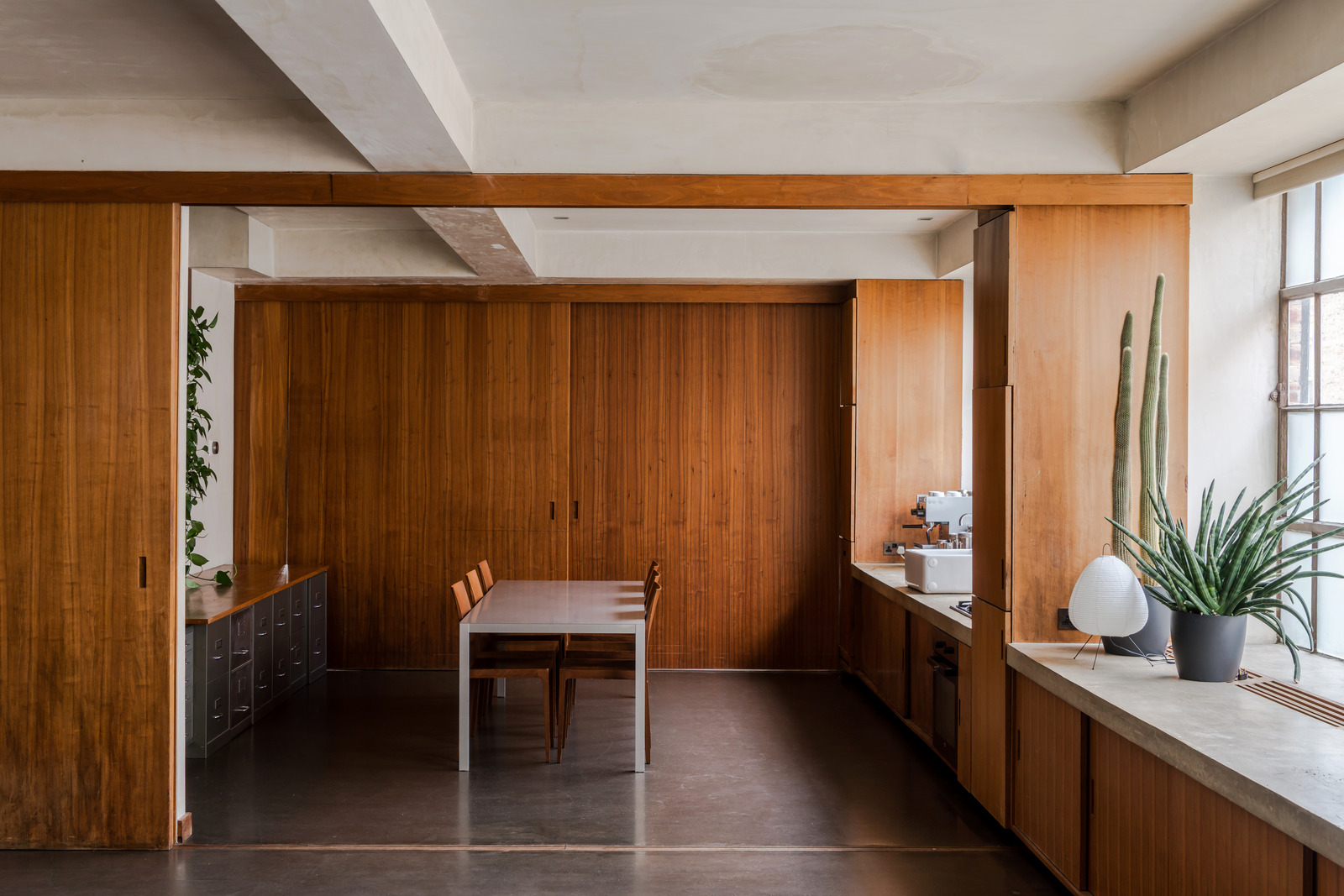
We saw this at Bowling Green Lane, a 3,600 sq ft warehouse apartment in Clerkenwell, where Spencer Fung set polished concrete against raw pink plaster and walnut (pictures 3 & 4). Almost 30 qualified enquiries led to a £4.5m+ sale to a buyer who stayed the course through complex lease and lending questions to completion.
Price well, present honestly, and the right person tends to walk through the door.