Landscape designer Jinny Blom on creating a peaceful home after 'a crazy life'
August 3rd, 2026
Words Ellie Hughes
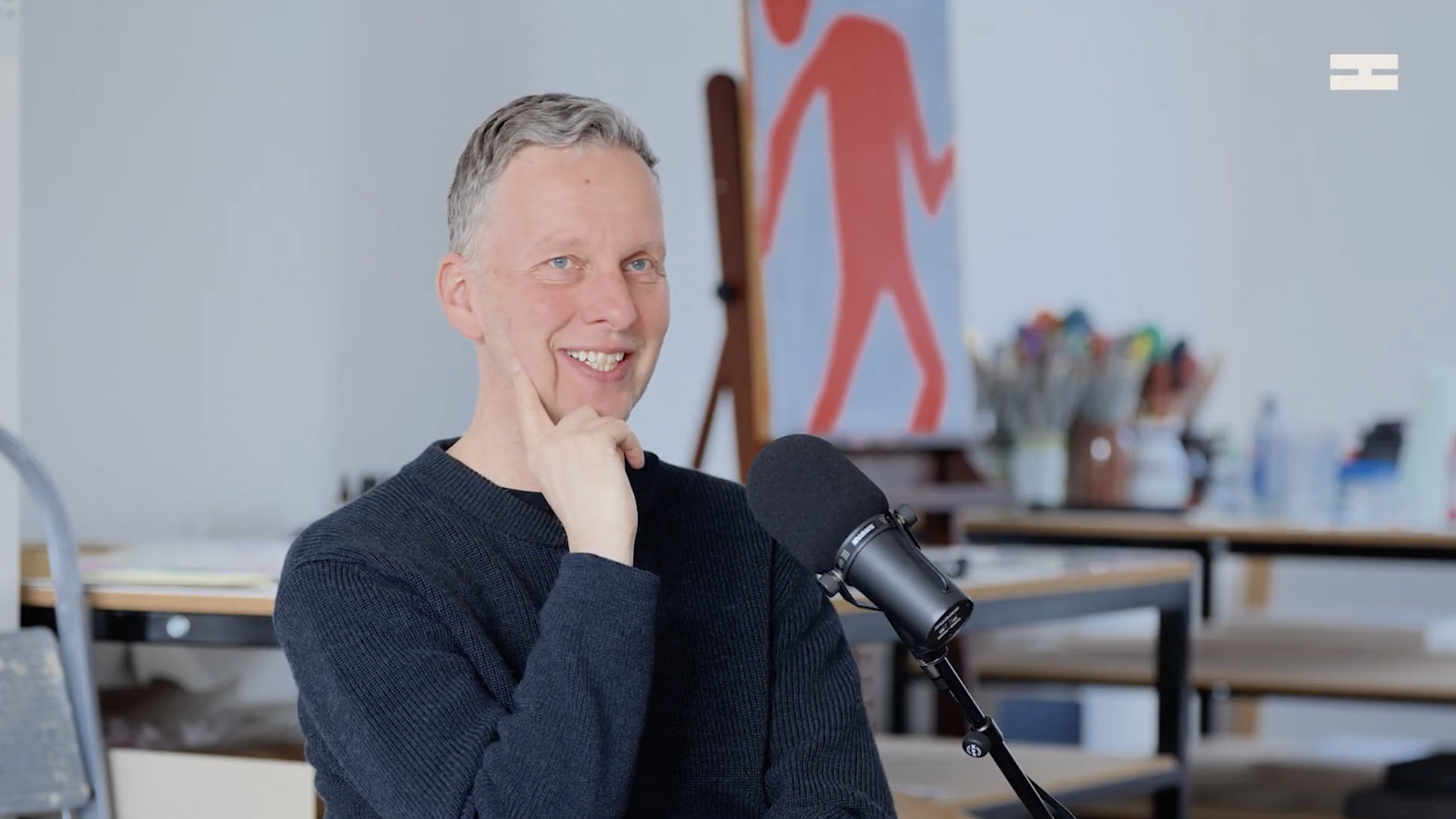
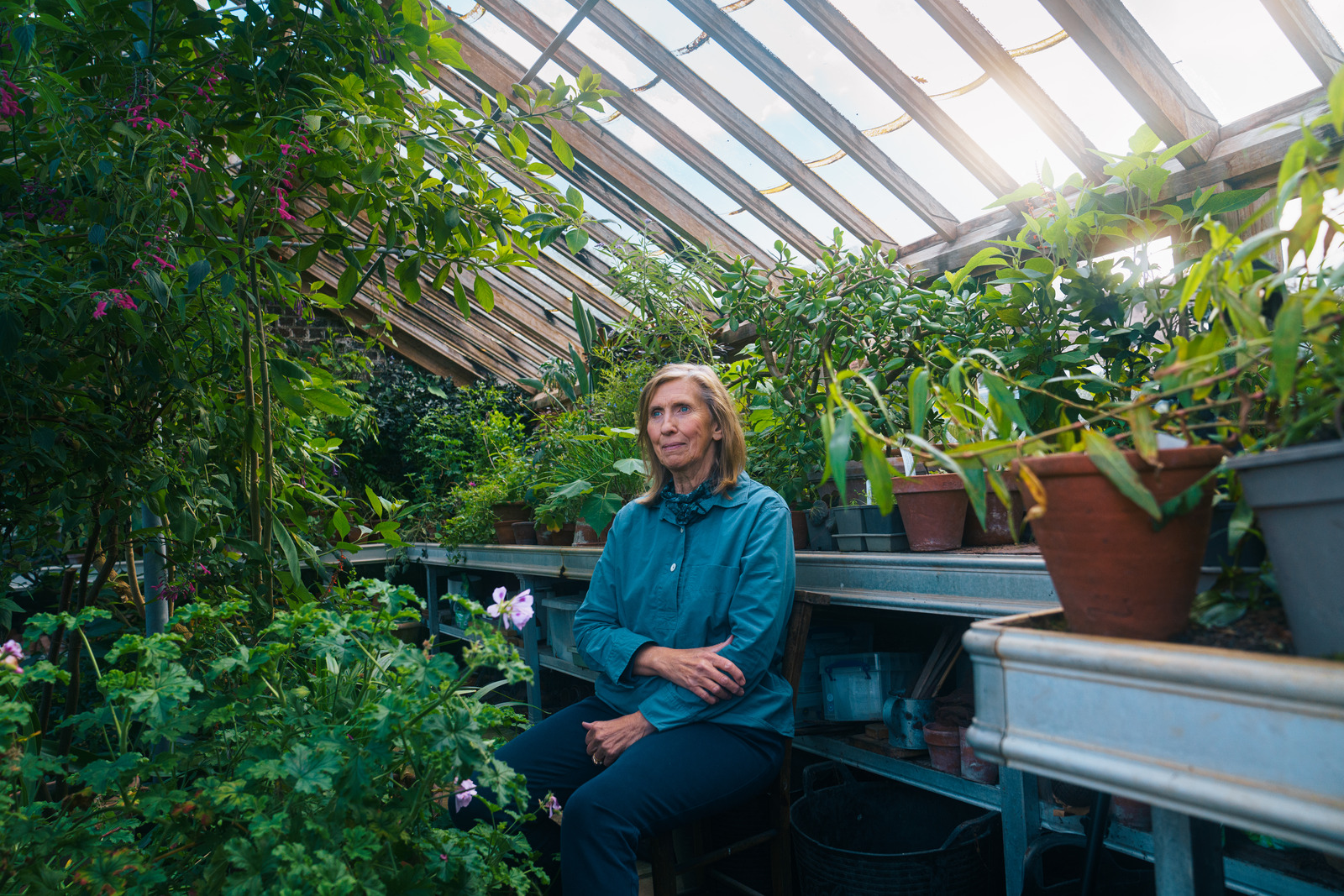
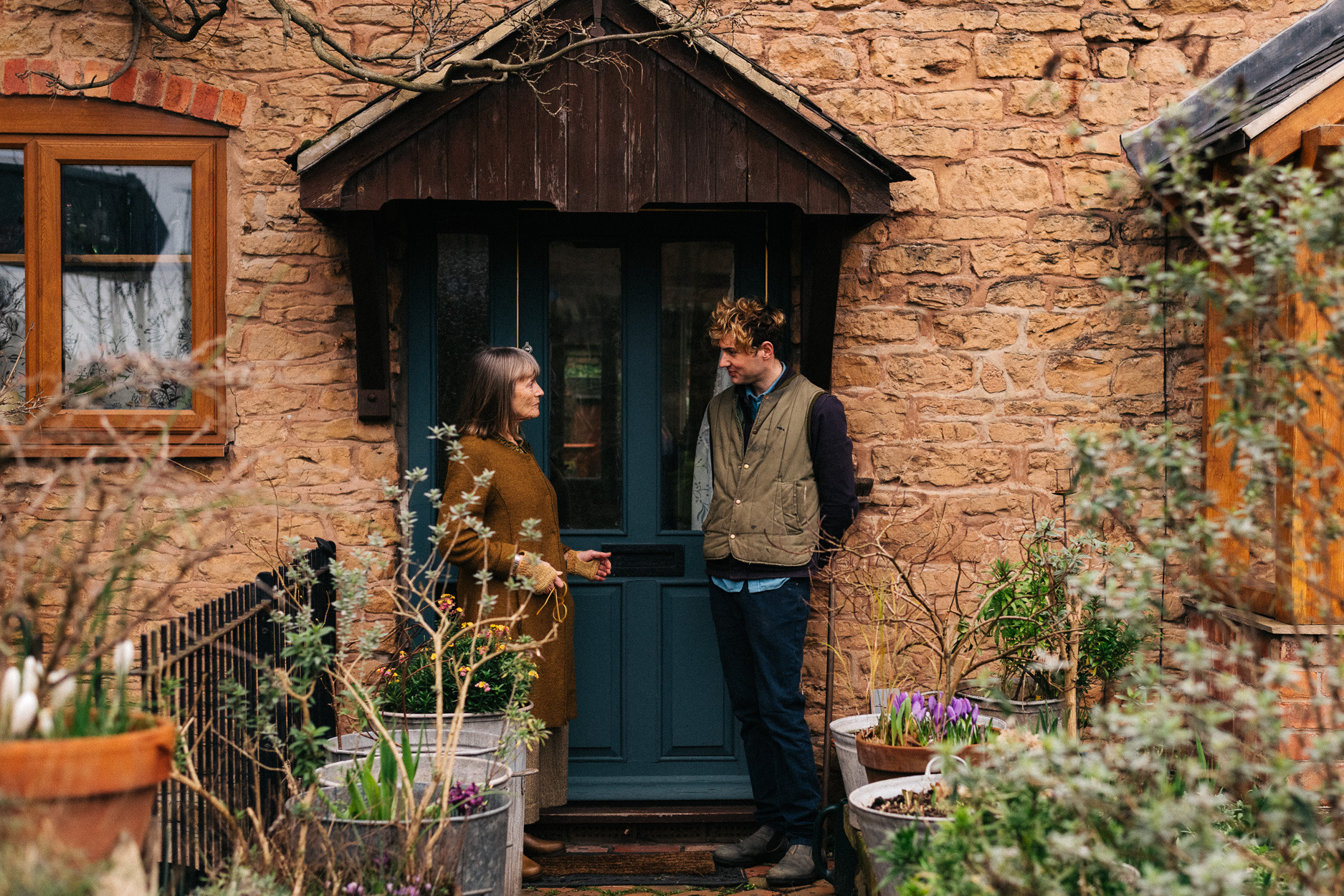
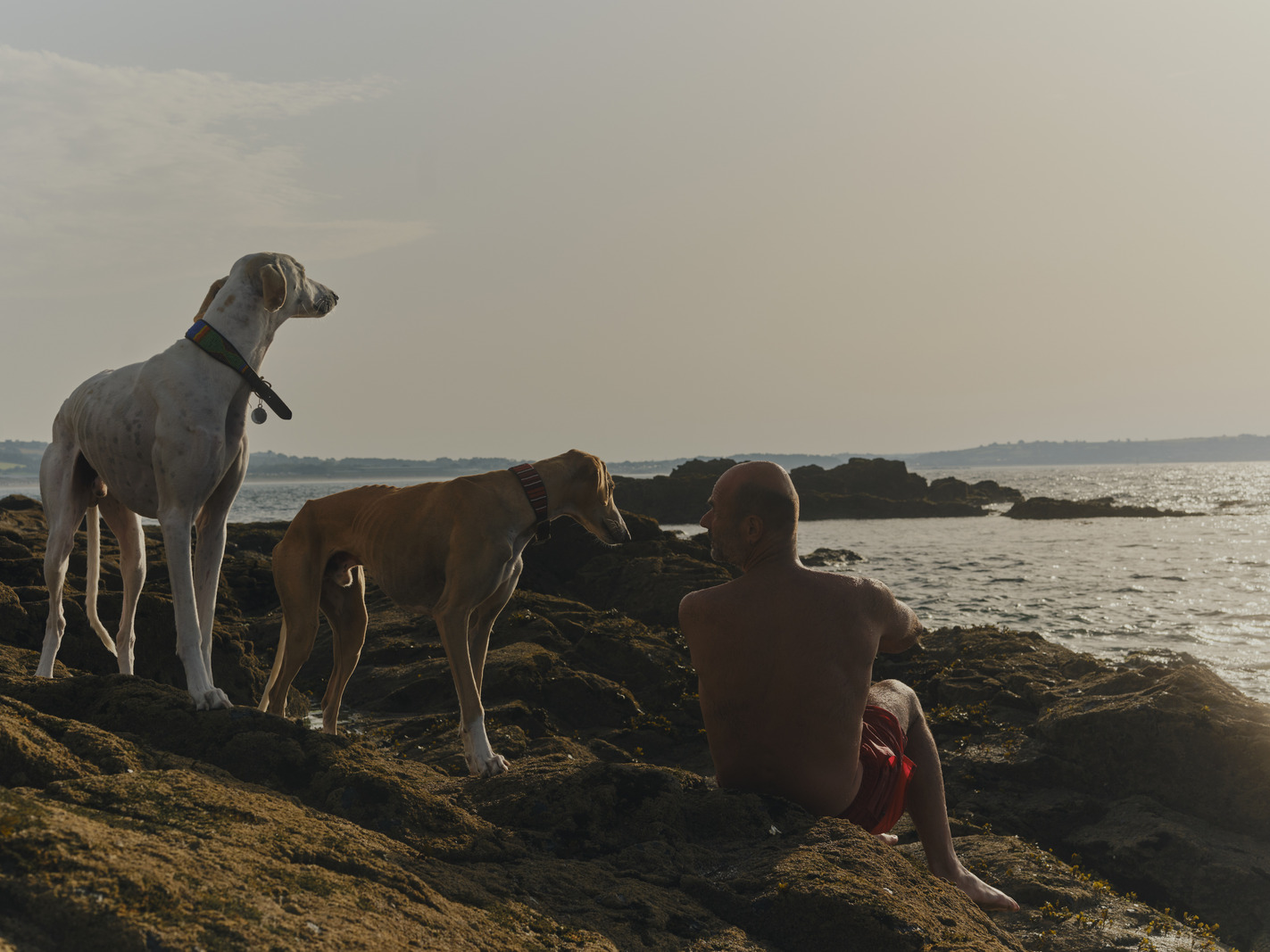
“From really early in my life I wanted to have control of my environment,” says polymath garden designer Jinny Blom. “I dreamt, always, of having my own house, my own space.” In the latest episode of the Homing podcast, the award-winning landscape gardener talks to host Matt Gibberd about her chaotic childhood, her unique “part modernist, part medieval” house that she shares with her husband, music executive Marc Fox, and how she created her garden to inspire psychological safety.
“I was left on my own from the age of 13,” reveals Jinny, in this open and honest conversation. Her inventor father, with whom she was very close, left for another woman when she was six. She barely saw him again. Her “volatile, narcissistic” mother moved to France with her younger brother when Jinny was 13, leaving her alone in a bedsit with no income. “That has a very particular effect on you,” Jinny recalls. “I just faded out of existence.”
“Trying to get to grips with what had been going on with them,” led Jinny first to a career in psychology. Nonetheless, she does not flinch from describing her childhood as abusive. “Pretty much everything you could imagine would go wrong, went wrong.” Part of the thalidomide generation (“kids at school were dying” she remembers) and then the AIDS generation (Jinny lost many close friends), she says, “Loss is an enormous motivator. Complete reinvention into a new way of life is how I process grief.”
A friend led her to a job in mental health, working with psychotic patients in residential care in Brixton. “I had terrible panic attacks for the first year after I was left. I was borderline psychotic, so I can understand the condition.” She stayed there for 12 years, before it all became too much. Then, on holiday, she had a dream about a Madonna concert and becoming a gardener. “It was as mad as that,” she laughs, recalling looking out of the hospital window, beside a very close friend who was dying of AIDS, and seeing, “The framing of nature outside and knowing it’s a bigger thing than you, that needs nurturing and caring.”
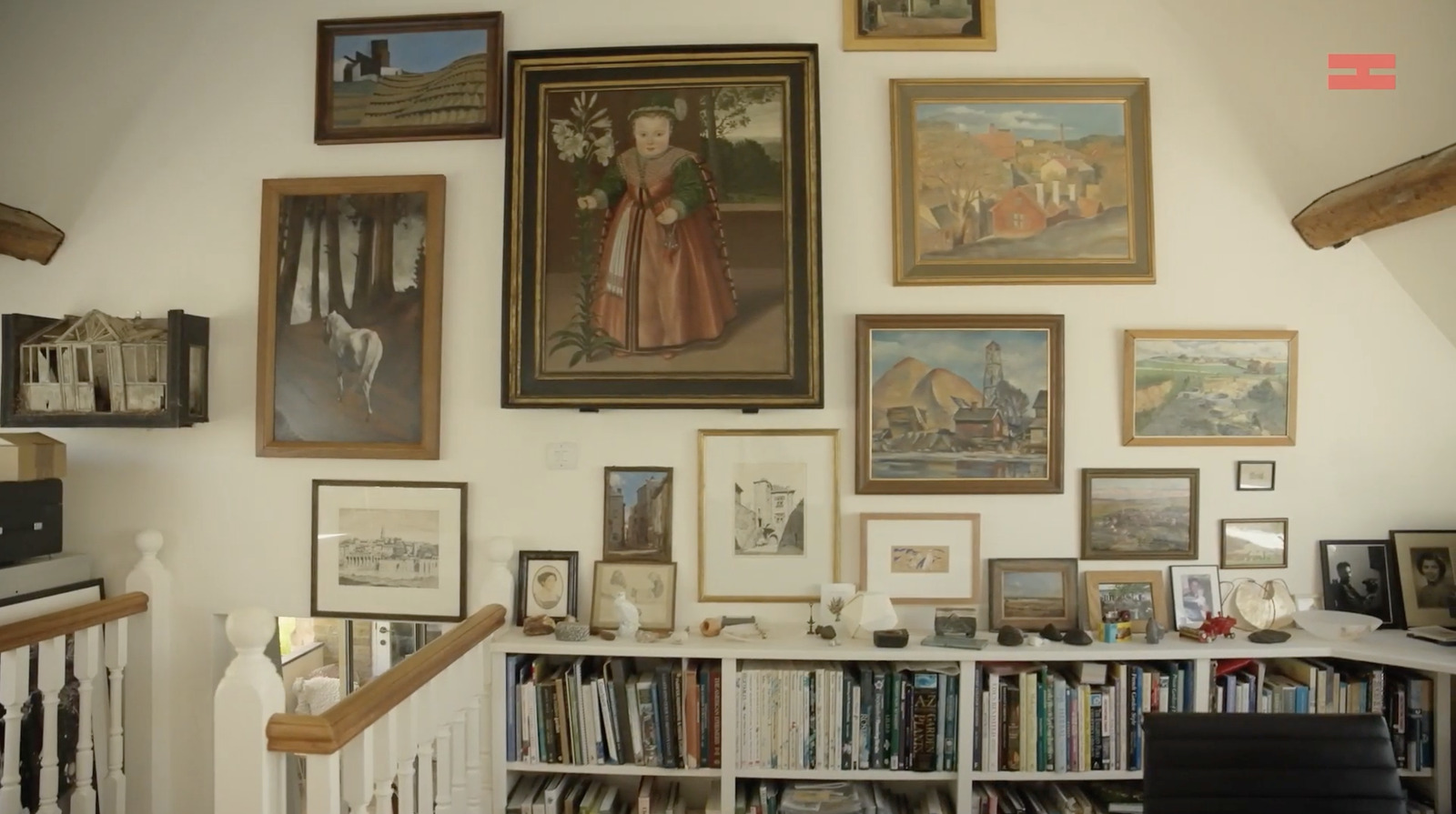
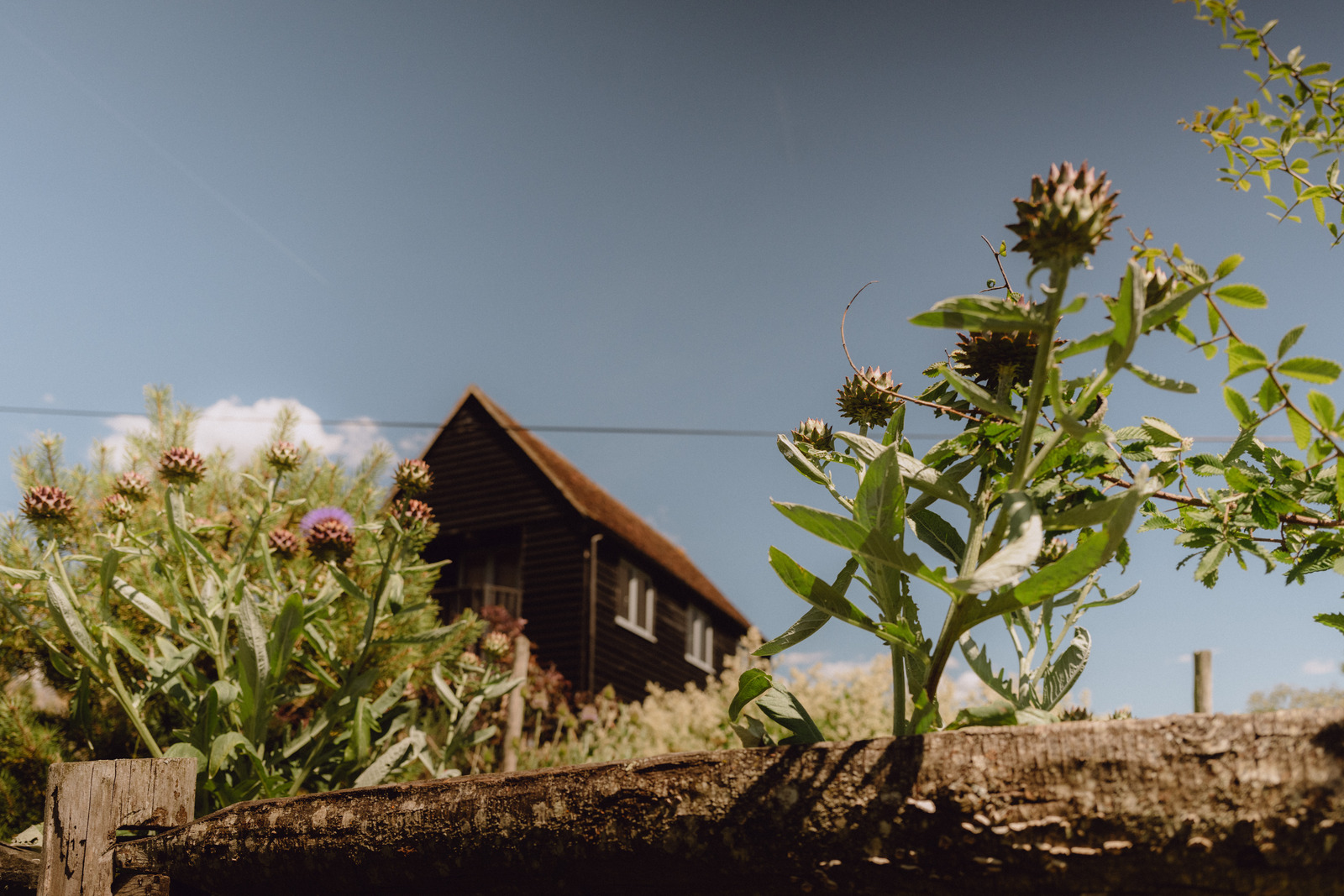
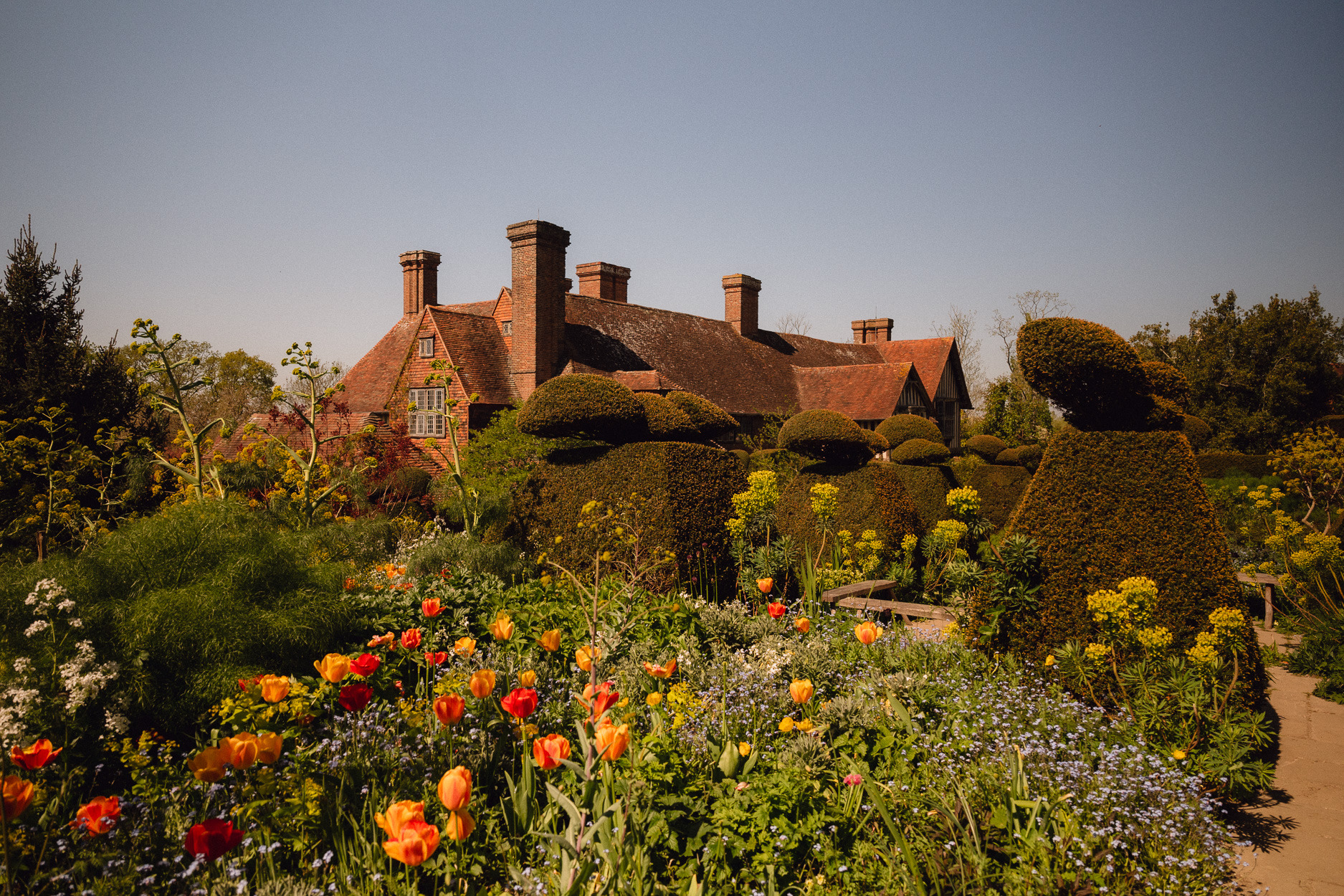
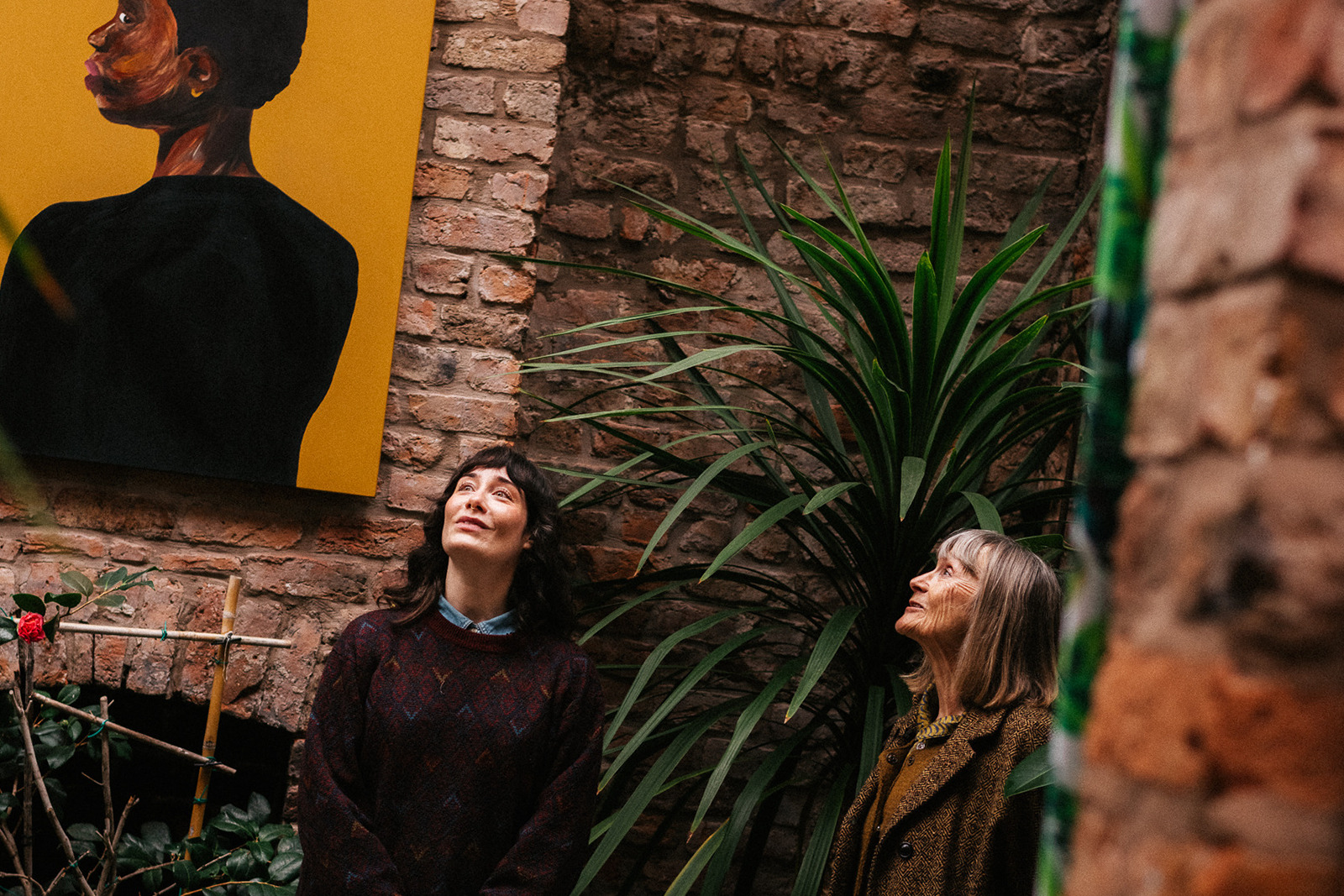
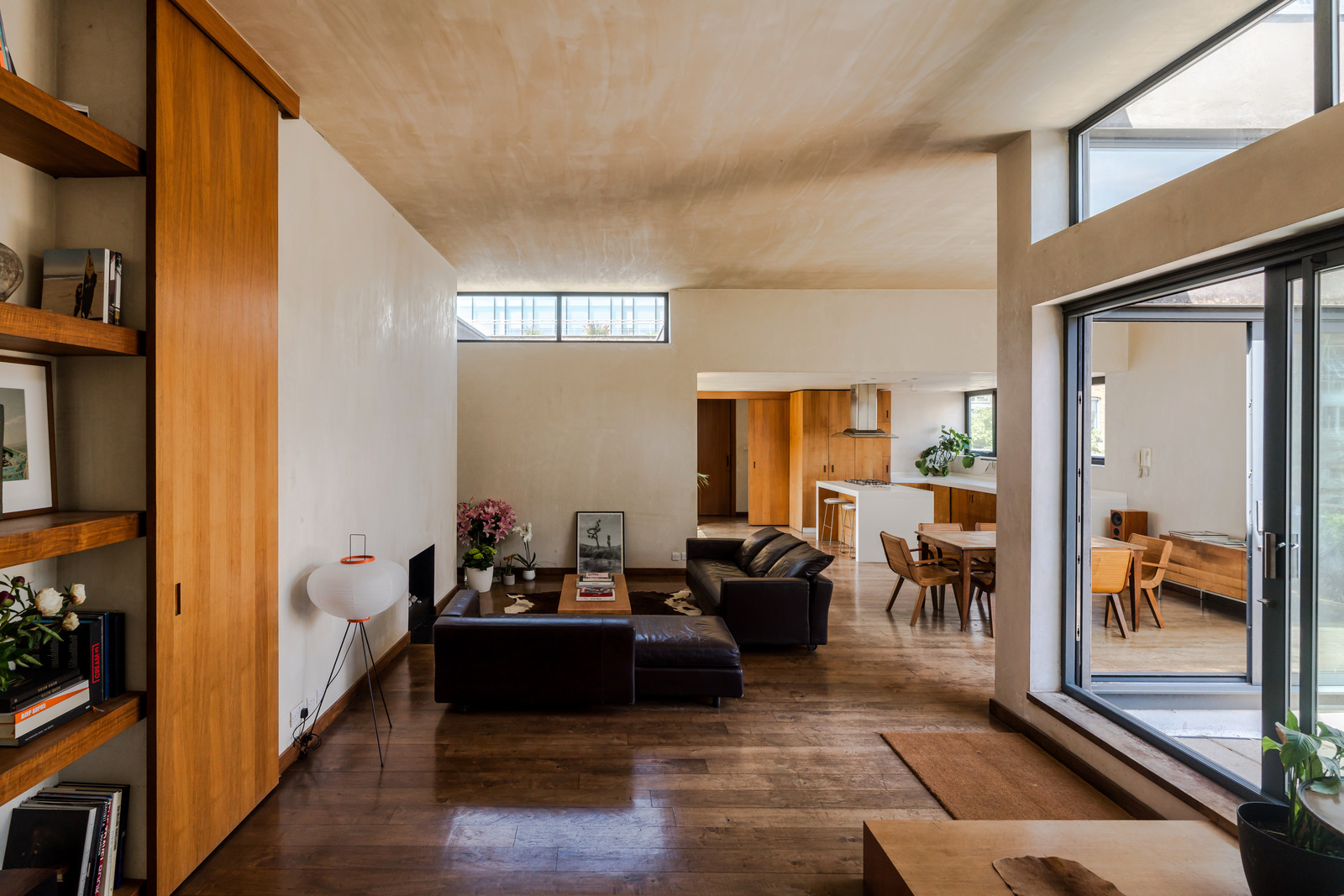
For the last 10 years she has shared this “house inside a barn” with Marc, in a conservation area in Oxfordshire. They bought it without Jinny ever seeing the inside, and have subsequently filled it with their art collection, which is focused on the period between the second world war and pop art. Marc has led the way, discovering overlooked artists, “nothing expensive”, and they are now creating a book about their collection.
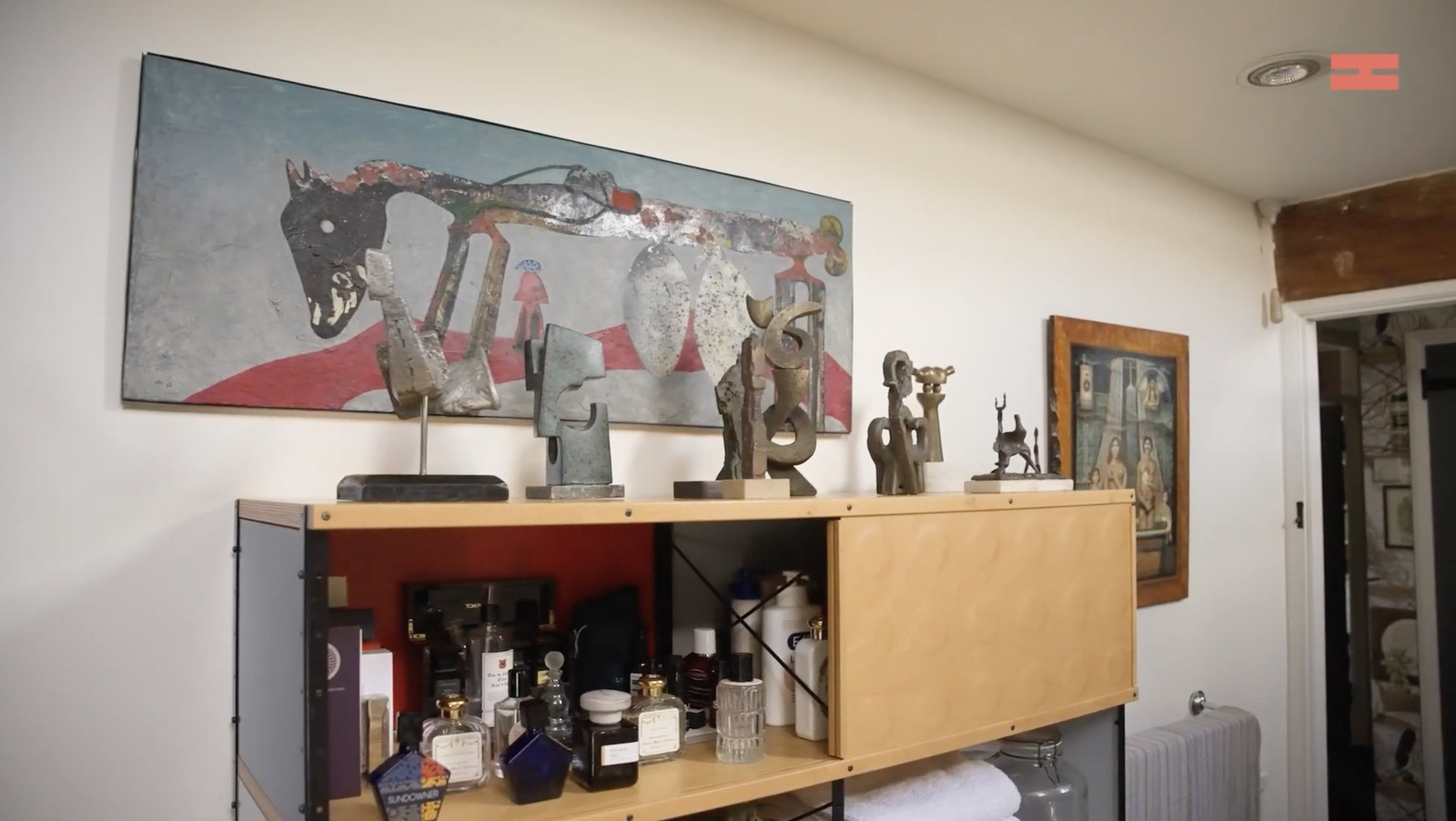
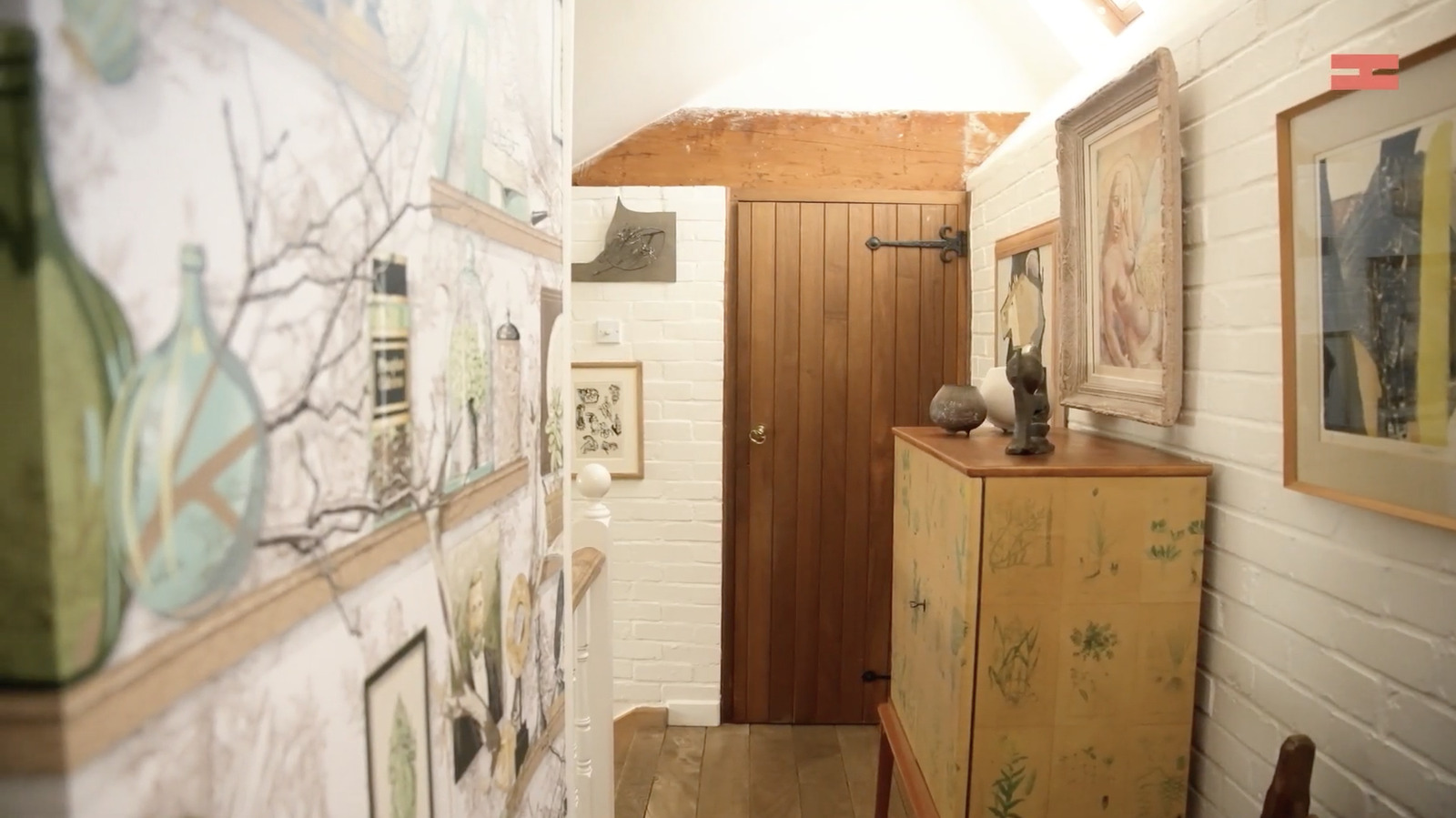
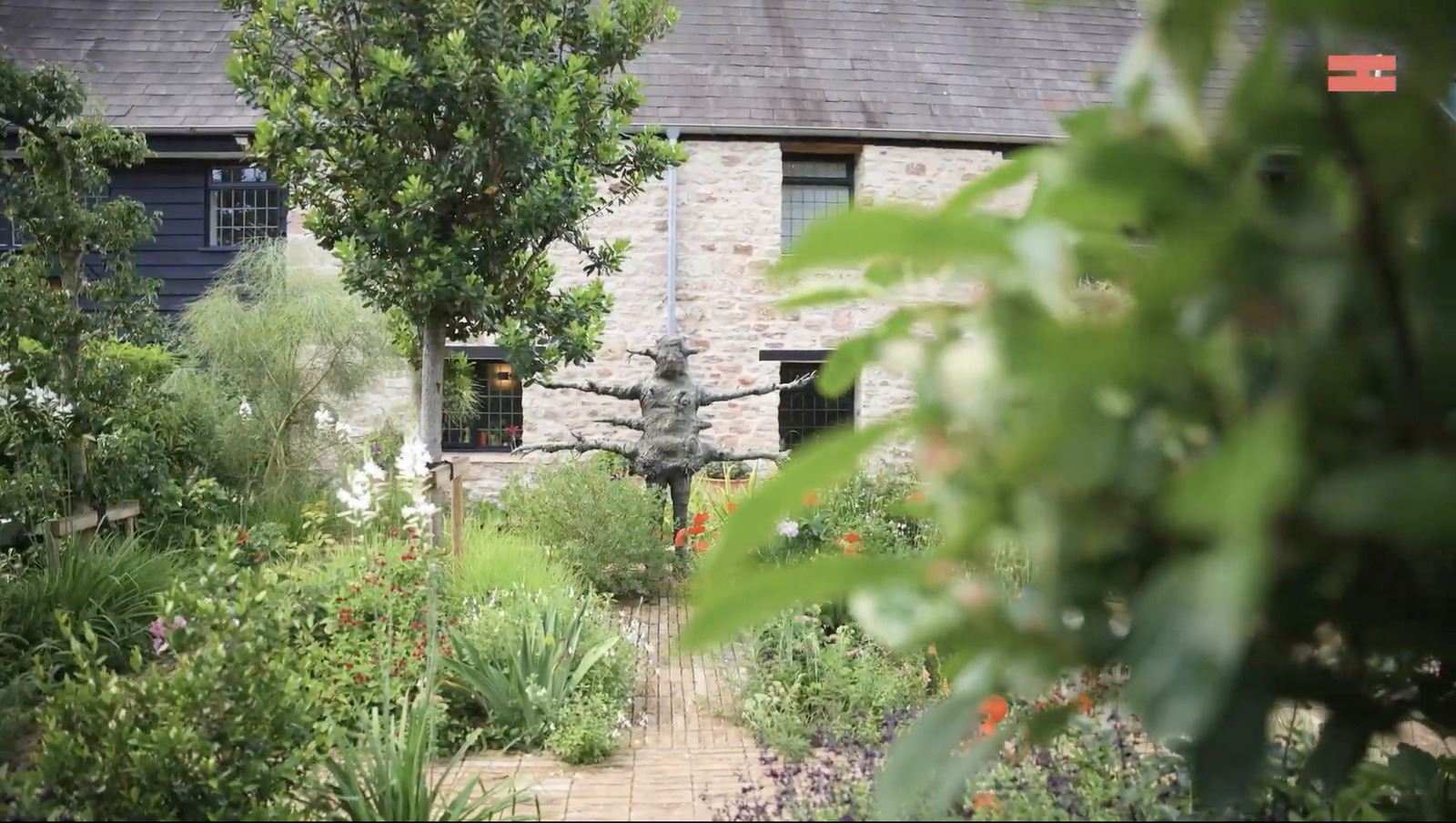
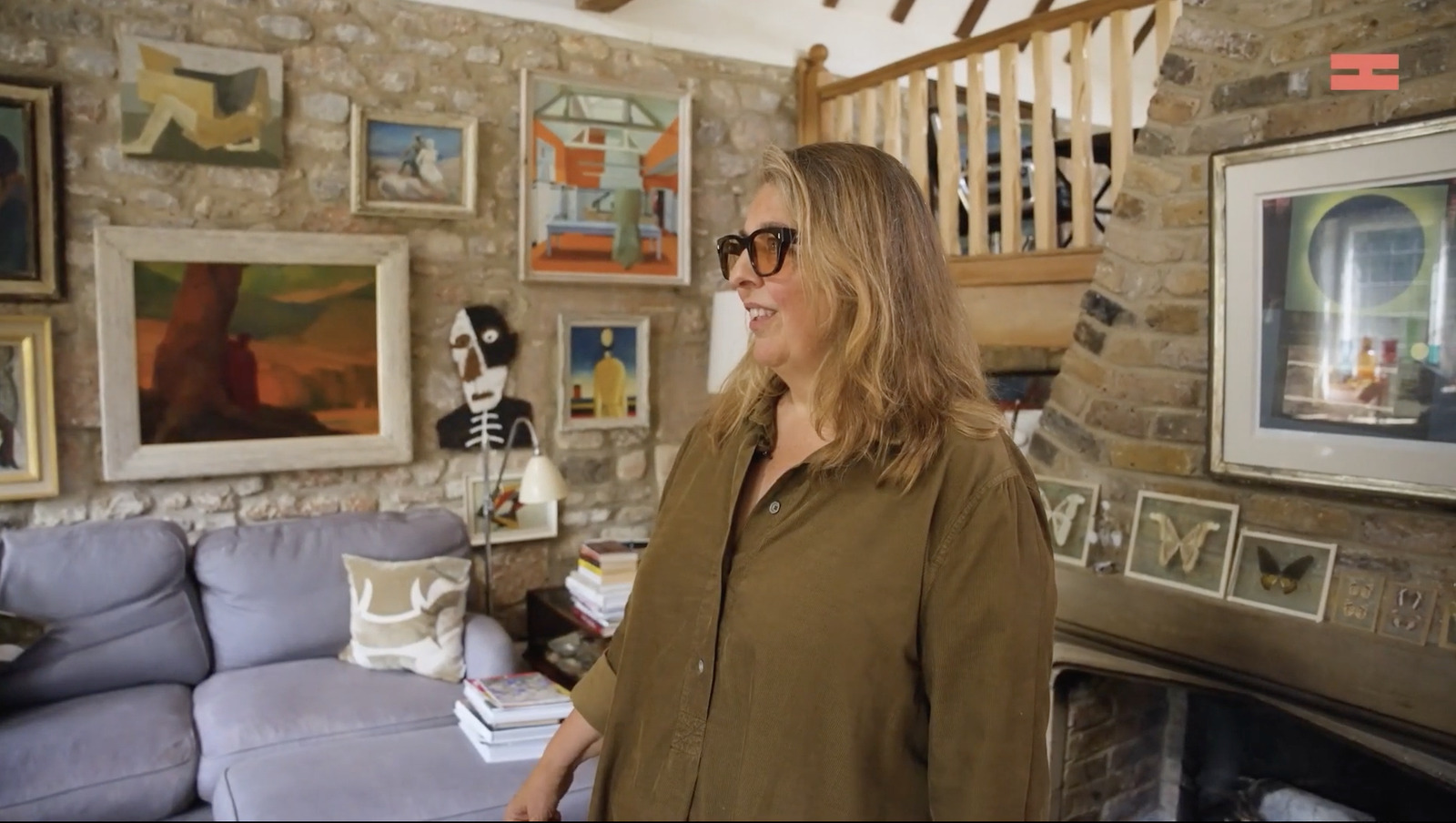
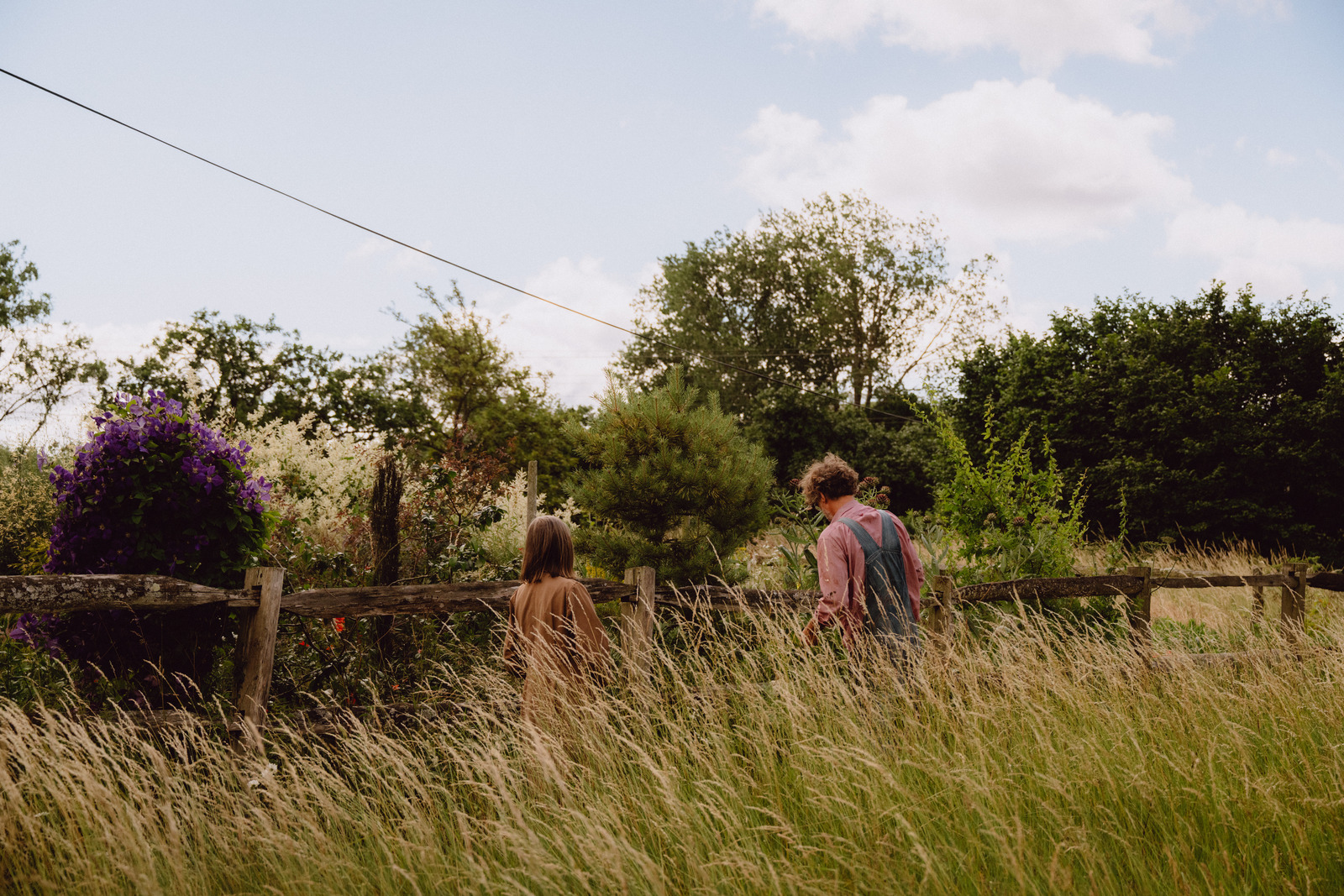
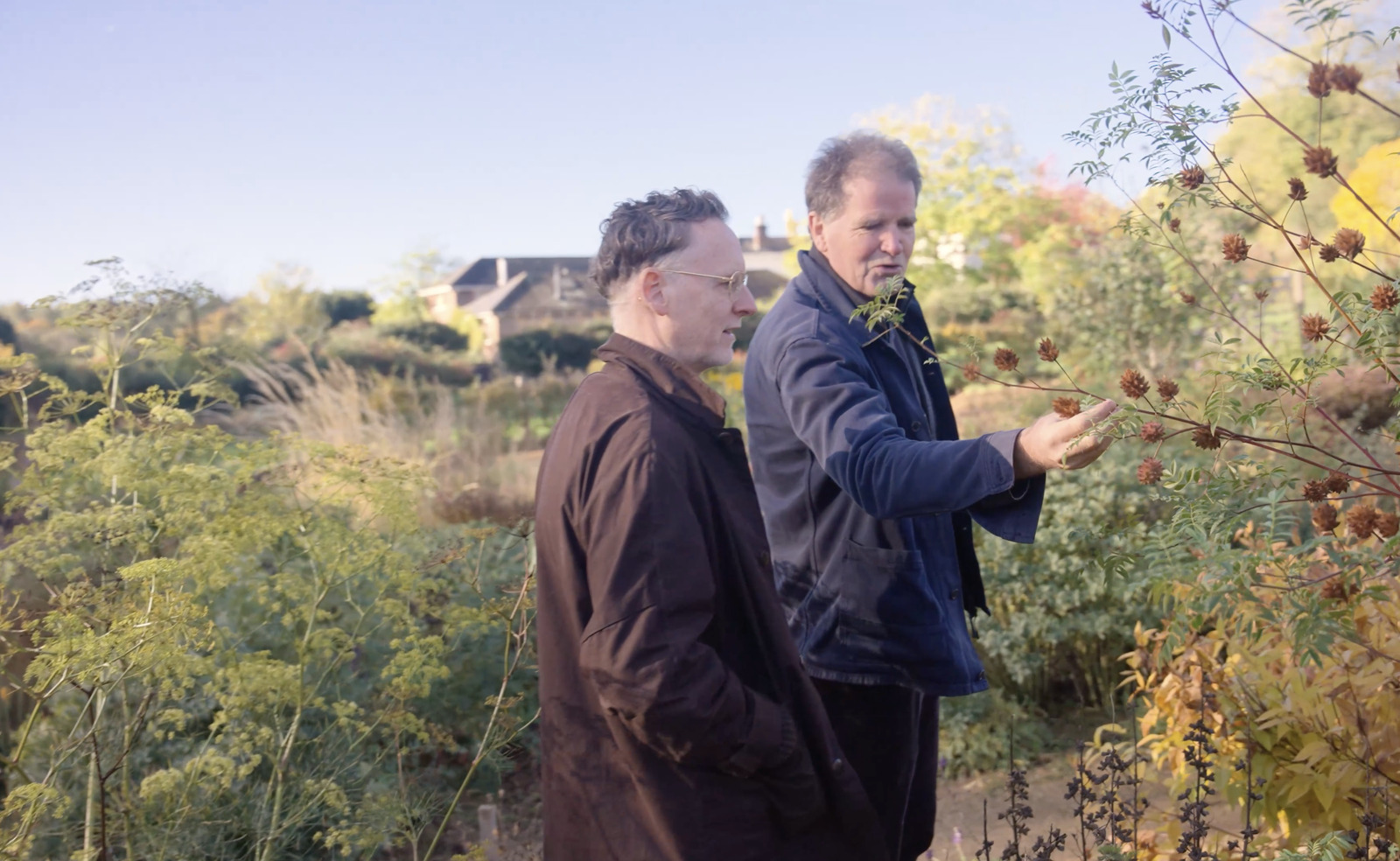
The barn was built in 1593 and converted into a house, with input from leading modernist architect Trevor Dannatt in the 1960s (you can see the exclusive tour on Patreon, priced £6 for members). “I’m gently trying to get it back to its modernist roots,” says Jinny. Last year she turned her attention to the garden, basing its highly structured layout on the proportions of the barn doors and building low stone walls, “so you can see what’s coming.”
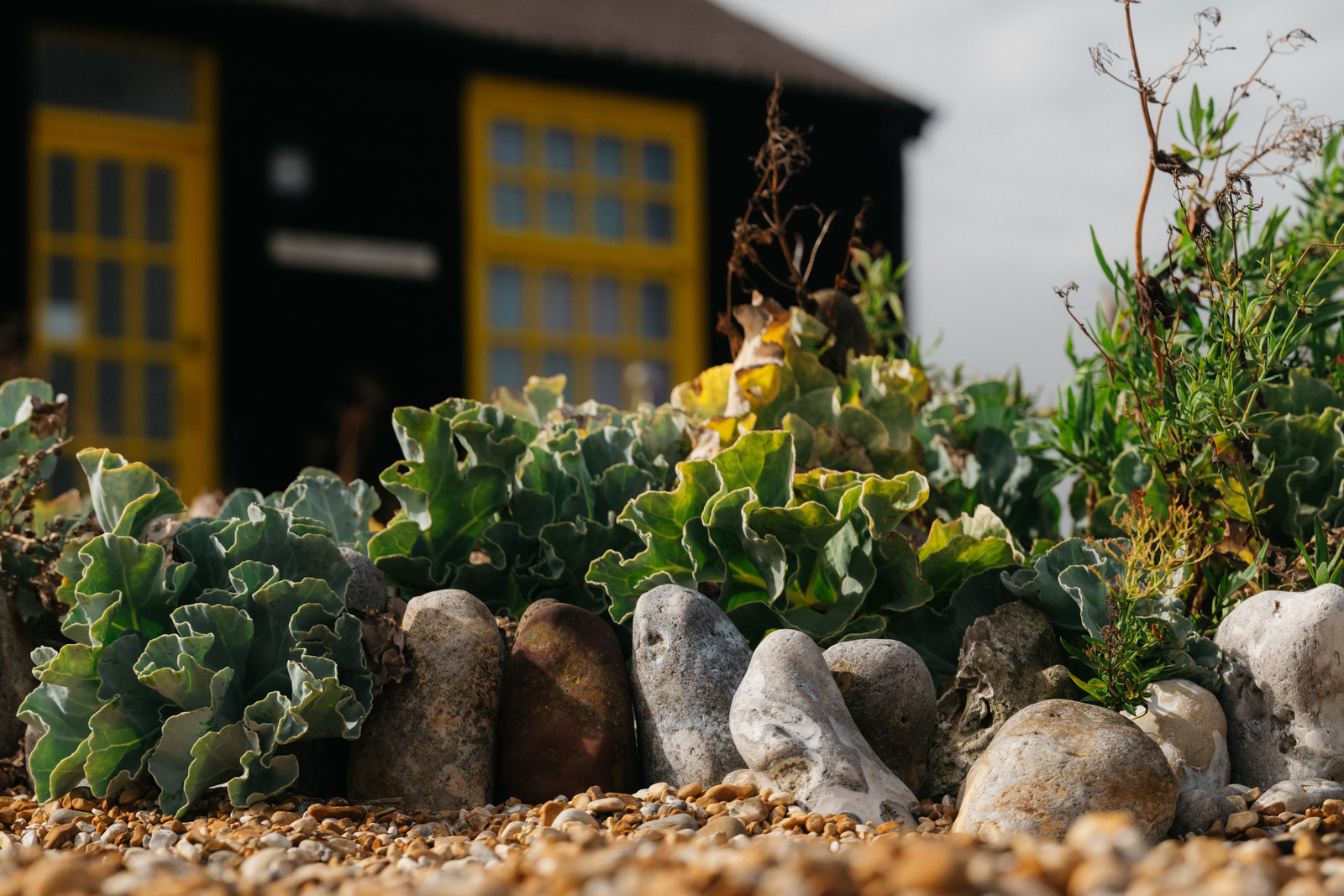
The garden is designed around a rectilinear grid-like structure, made invisible, to most, by the planting. Jinny has synesthesia and is very sensitive to proportion and colour: “There’s not tons of colour in the garden. I can get overloaded – it needs to be considered. Plants do their natural thing, but there is something about having the predictability of the form beneath them that I find satisfying and restful. I am always seeking peace in what I build.”
Nowadays, Jinny Blom Studio creates award-winning gardens and large estates all over the world. “I’ve learnt architecture, learnt people, learnt plants,” she says. “The natural world is much more understandable and predictable than people. The changing of land, work on a huge scale, can bring about enormous good if you do it properly. I feel lucky to have had a crazy life.”
Forthcoming episodes of Homing feature Anna Jones, Sean Anthony Pritchard and Erdem Moralioglu. Subscribe to Homing or become a member of Patreon and as always, happy listening.