The architect Sophie Hicks on creating a grounded space where everything has a place and a reason
July 6th, 2026
July 6th, 2026
Words Ellie Hughes
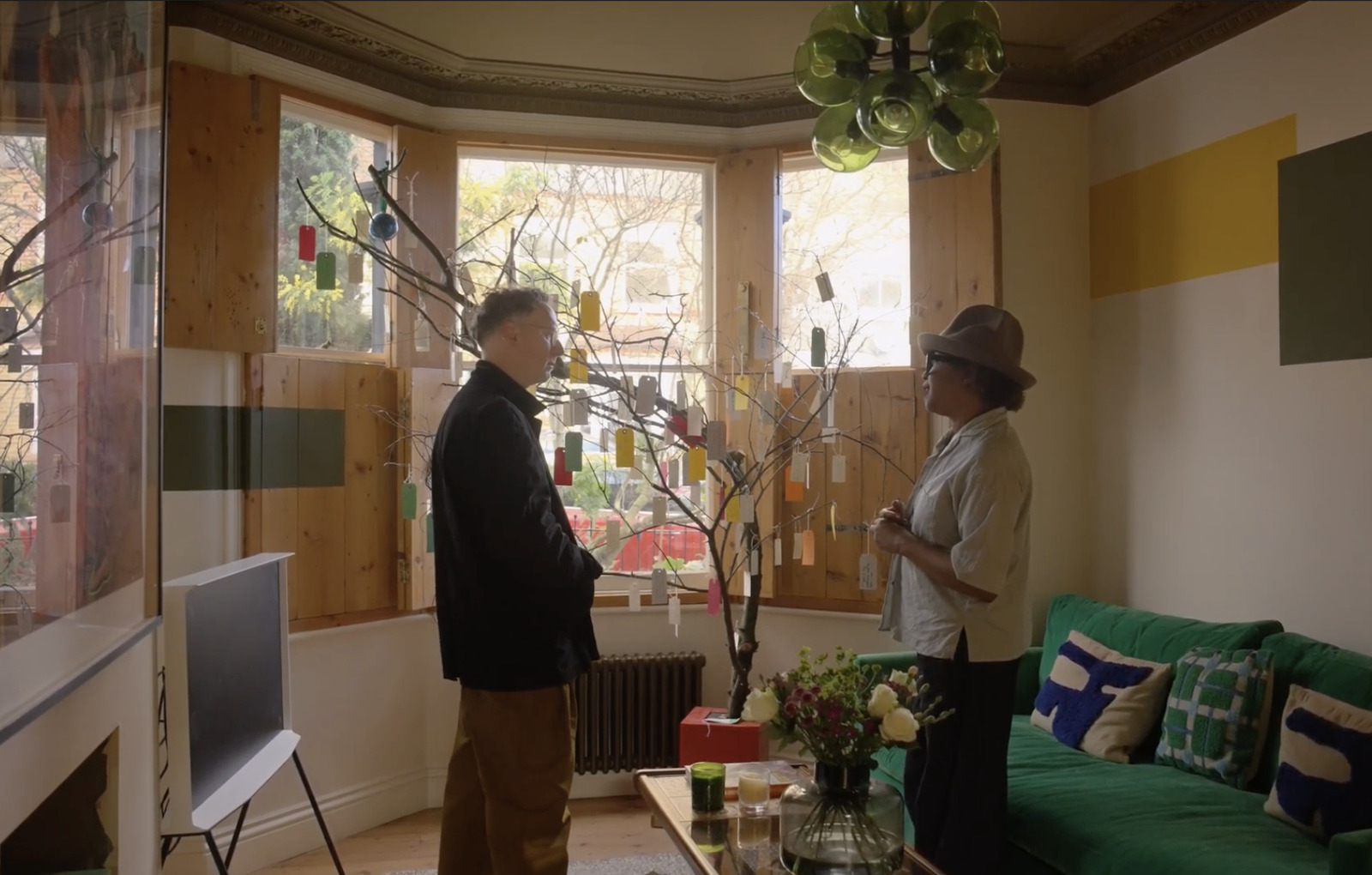
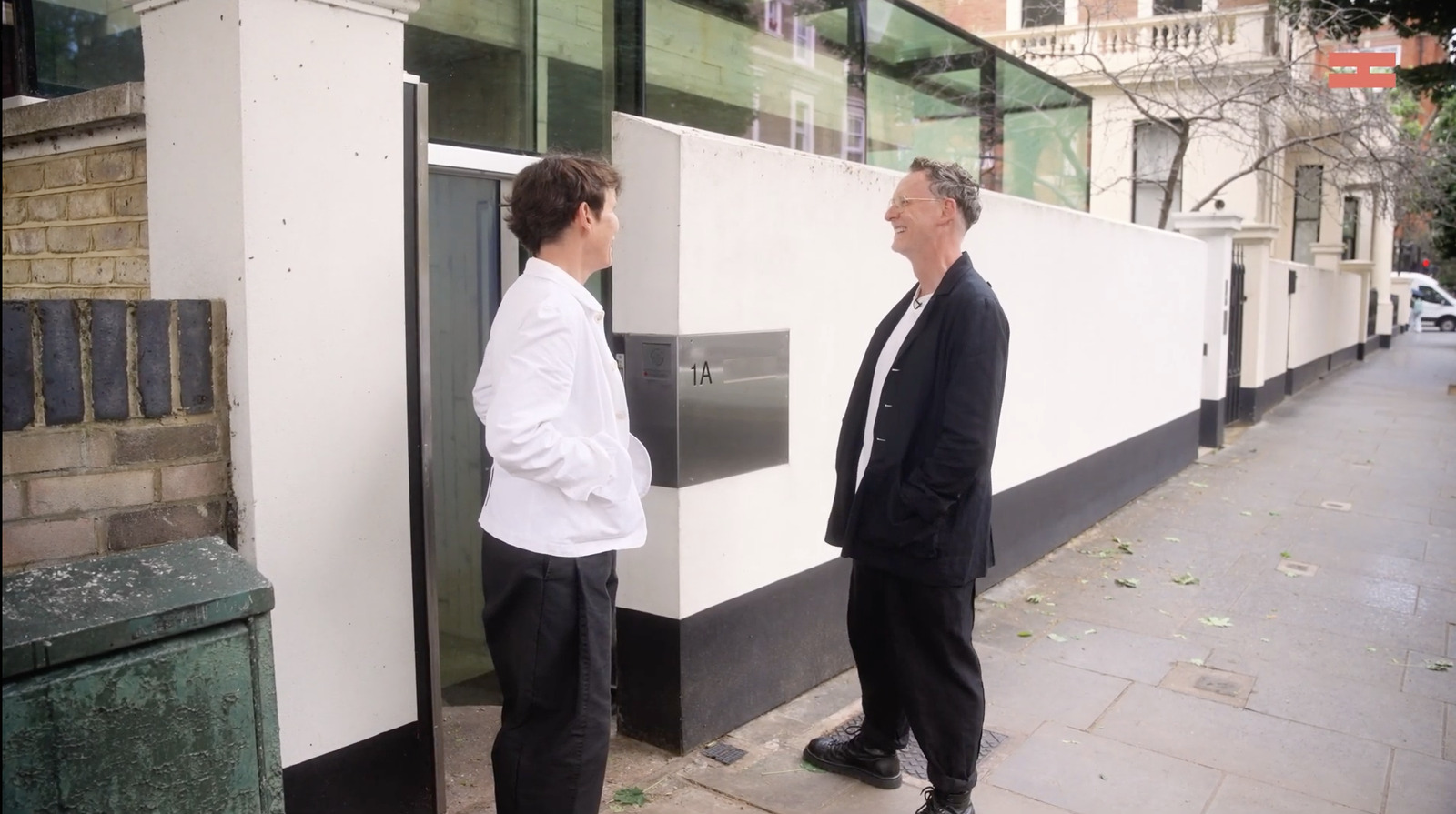
“This house might look quite austere but people who stay here, from all different backgrounds, so often tell me they feel good here,” says Sophie. How people feel in a space is crucial to Sophie. In the exclusive house tour (available on Patreon, priced £6 per month for members), she and Matt approach the house via the extended entryway. “It’s important to be able to go gently into the house after the battering of the city,” she explains.
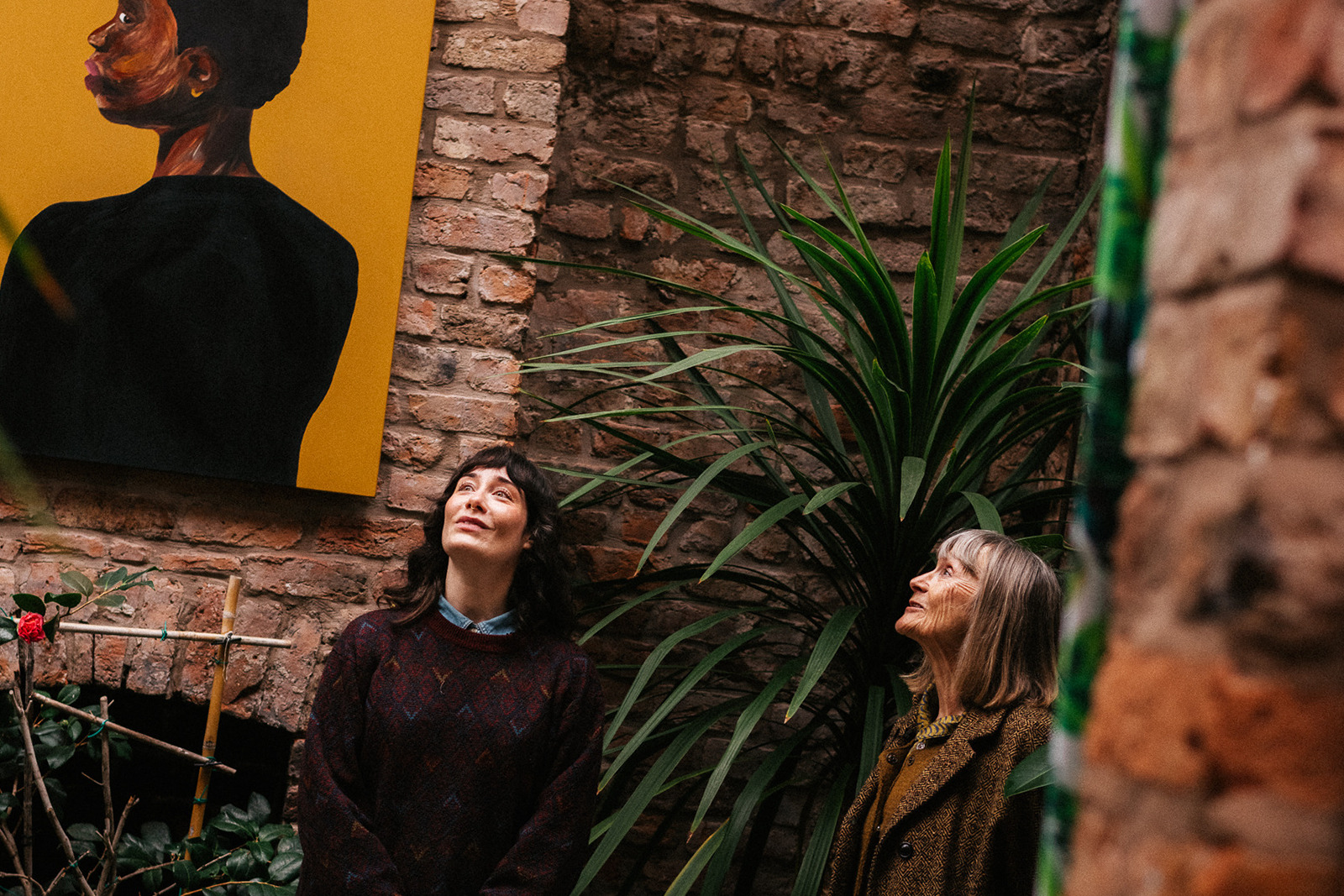
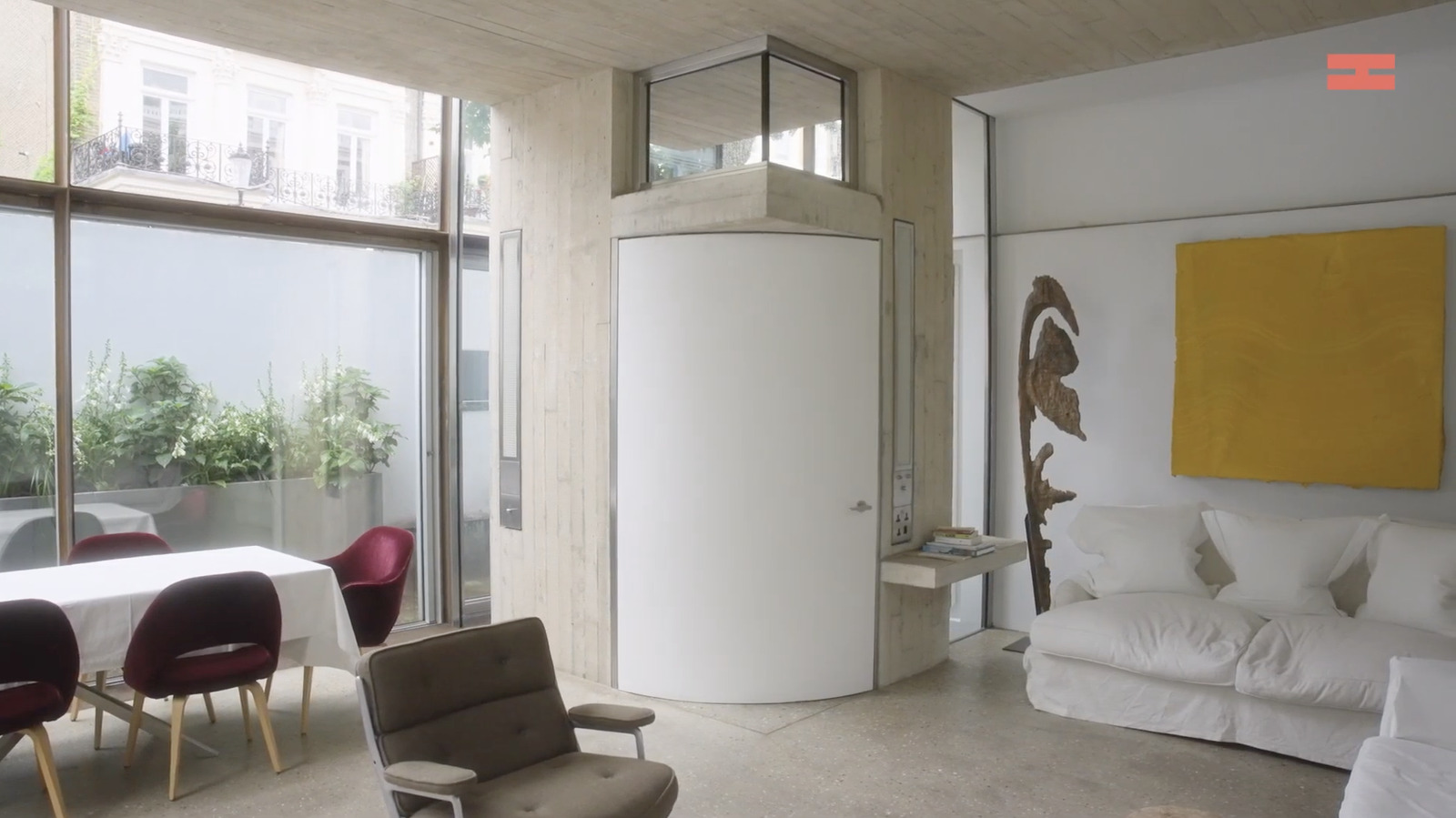
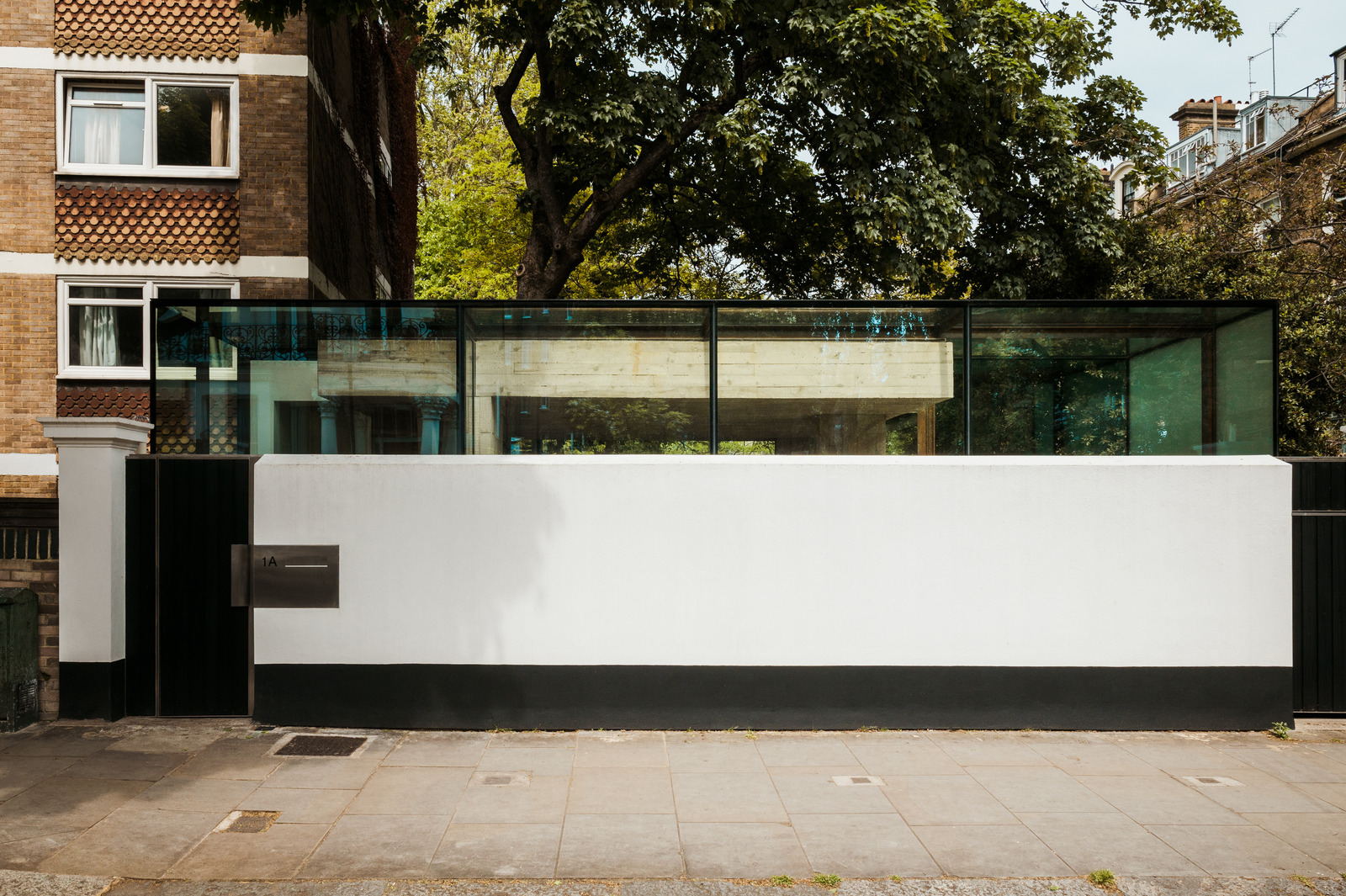
The house itself – “a concrete structure within a glass box” – is packed full of Sophie’s touches, from the way you enter on the diagonal “so you see the full breadth of the sitting room”, to putting the largest piece of art in the smallest space “to be contrary”. Art is chosen for the story it tells, the relevance it has to Sophie’s life. She describes balancing the light, privacy and views in this small space as a technically challenging 3D jigsaw puzzle that required planning absolutely everything from the start. The result – the electrics are concealed in slim stainless steel pillars, the ceilings are ‘clean’ and the light - even in the basement – is maximised. “The house has a feeling of being in a garden, the noise is blocked, you’re cosseted in the city,” she explains.
“I sprang a little out of nowhere,” Sophie says, describing her childhood in the family homes in west London and a remote Sussex house. She was part of a ‘very conventional’ family, stopping off in Biba on Kensington High Street on the way home from school. By 18 she had started in what would be her career for most of the following decade - working as a stylist on the biggest fashion magazines around, with the likes of Grace Coddington and David Bailey, who shot her for an I-D cover - and for the designer, Azzedine Alaia. It taught her how to be organised, prioritise and understand fashion creatives.
By the age of 26, architecture was calling her. “I was always making things as a kid - things on Blue Peter, with scissors and cereal packets and glue. I went from there to making buildings. It thrills me. That’s my thing.” Her background in fashion meant a ready network of creatives wanting to work with her again when she was ready - Paul Smith’s Westbourne House was an early project, as was working on Charles Saatchi’s Sensation exhibition.
She has gone on to create for the biggest names in fashion - recent projects include a camel coloured Paris shop for Max Mara to honour their iconic camel coats, an on-brand blue anodised aluminium shop in Shanghai for Mugler. Not to mention Chloe, Acne Studios, Alaia, Yohji Yamamoto, and more… “I don’t work from buzz words from a branding document,” she says. “I always want to psychologically understand the brand. It’s not about my taste - it’s who are you, where do you come from, where are you going?”
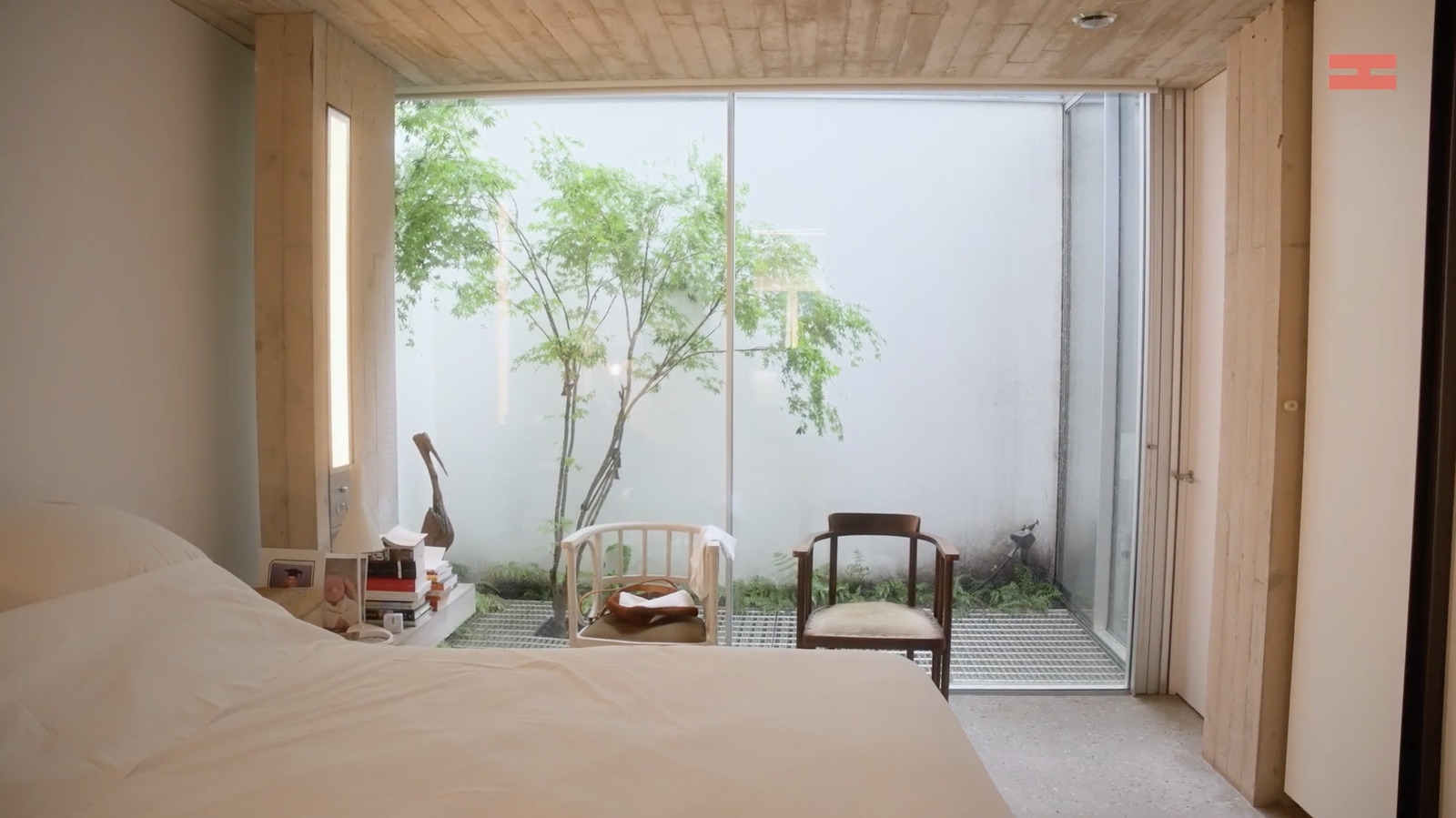
“How do people feel in their spaces, how do they fit in their cities and landscapes?” Sophie continues, explaining that these are crucial questions for her to understand when taking on a project. She herself is curious about places: “I’ve always moved around.” She has spent periods in Paris, the French Alps, Northamptonshire and Venice, where she now splits her time with the Earls Court house. “I like different landscapes. Venice is very special - the flat water and horizon, the water, sky, the fog and sun.”
With her three children now grown up, the small house in Earl’s Court, built in 2019, is Sophie’s space to live how she wants, the physical embodiment of her design philosophy. “What’s comfortable, what do I feel like showing, what’s going to give me pleasure?” she says. She doesn’t do coffee tables or clutter. “The place I live needs to have an integrity to it. Everything needs to have a place and a reason.”
Forthcoming episodes of Homing feature Anna Jones, Sean Anthony Pritchard, Erdem Moralioglu and Phin Harper. Subscribe to Homing or become a member of Patreon and as always, happy listening.
RELATED ON THE MODERN HOUSE