Landscape architect Tom Stuart-Smith on home, belonging and the restorative power of gardening
March 5th, 2026
Words Holly Nicholas
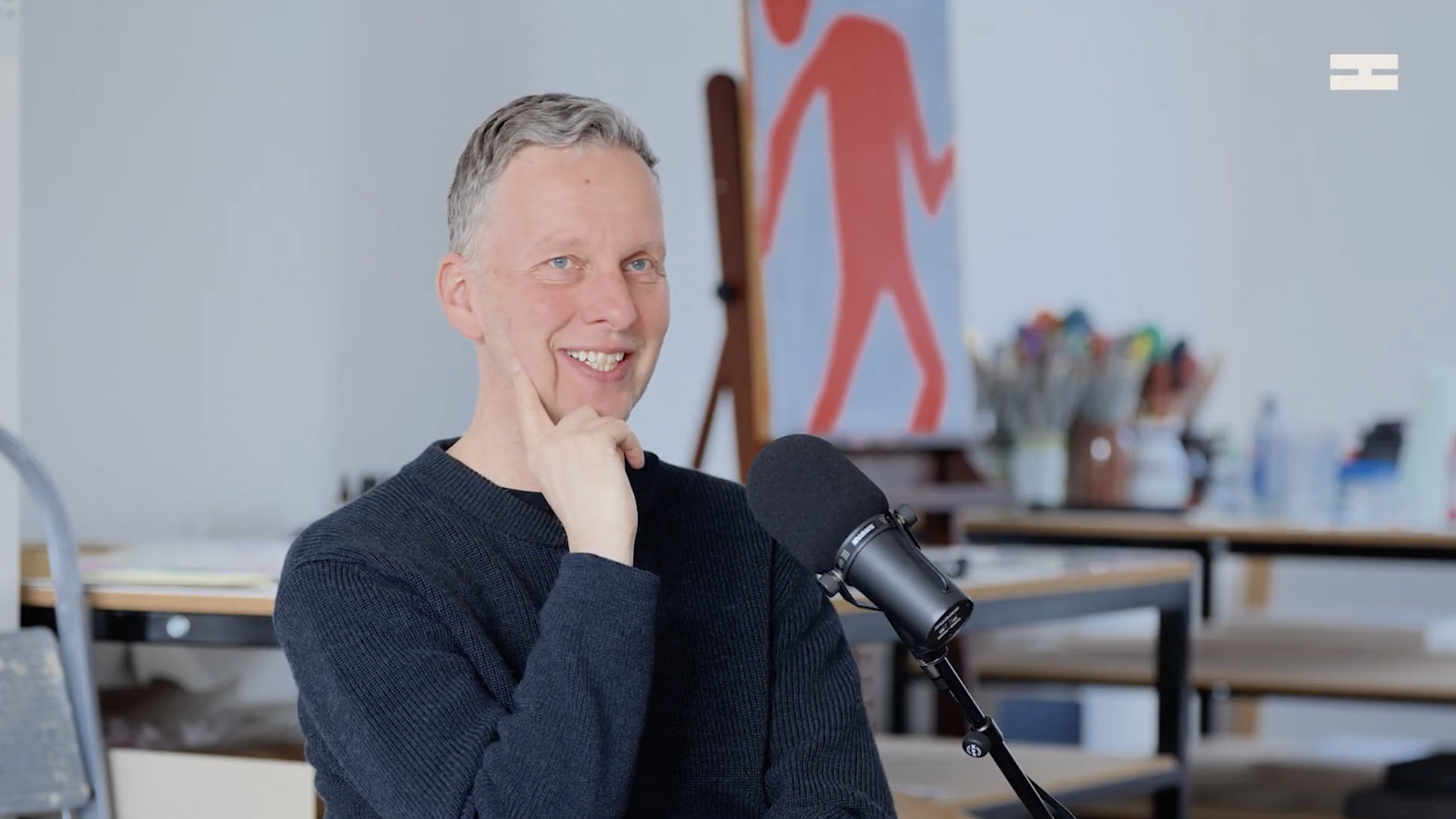
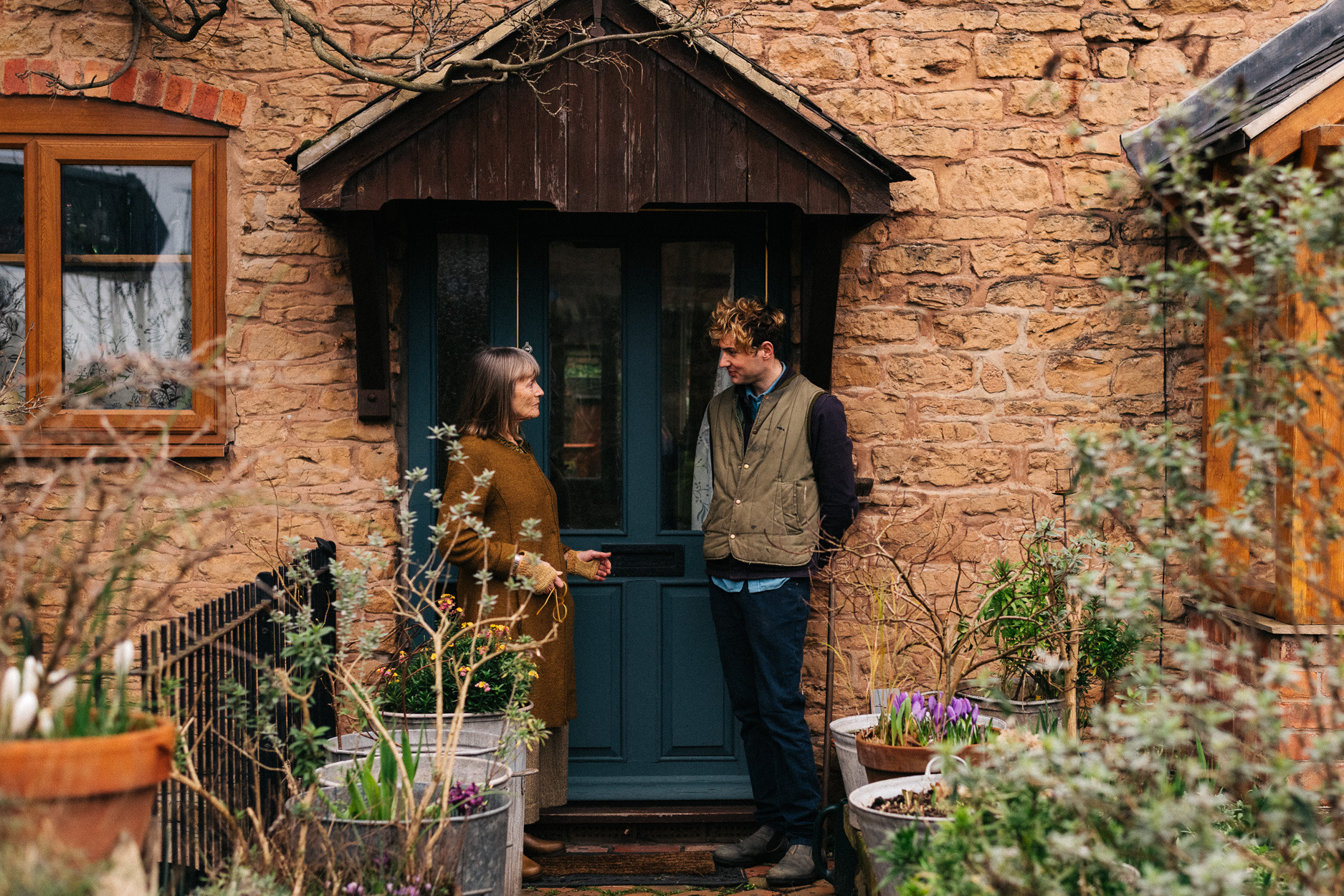
In the latest episode of the Homing podcast, landscape architect Tom Stuart-Smith describes the symbiotic relationship between gardener and landscape. He explains, “If you make [a landscape] and then live in it, you start off by propelling it into existence. Then it turns back on you and starts making you the person you are … you have the uncanny feeling that it is having almost more of an influence on you than you ever had on it.” As Tom welcomes Matt into his home and gardens in Hertfordshire, shared with his wife Sue, he reflects on a lifelong connection with his own “beautiful bit of world”, passed down through multiple generations.
In the podcast, Tom describes growing up in a Queen Anne house that remains just a few hundred yards from his current home: “It’s a lovely house. It has a glazed veranda with cast-iron posts and a very charming quality of light … it was a pretty heavenly place to grow up.” One of six children, Tom started gardening and planting trees as a teenager. After a brief diversion studying zoology at Cambridge – and the realisation that he was a “dilettante kind of scientist” – he was encouraged by his parents to “recalibrate” and undertake a postgraduate degree in landscape architecture.
In his mid-twenties, Tom and Sue moved back to Tom’s childhood home. Here he created his own garden, which became a springboard for setting up his own practice. An introduction to Chanel proved pivotal, and resulted in a garden with Karl Lagerfeld at the Chelsea Flower Show in 1998. Nine gold medals later, he moved away from the show to focus on creating larger private gardens and public gardens, including projects at Chatsworth, Windsor Castle and RHS Wisley.
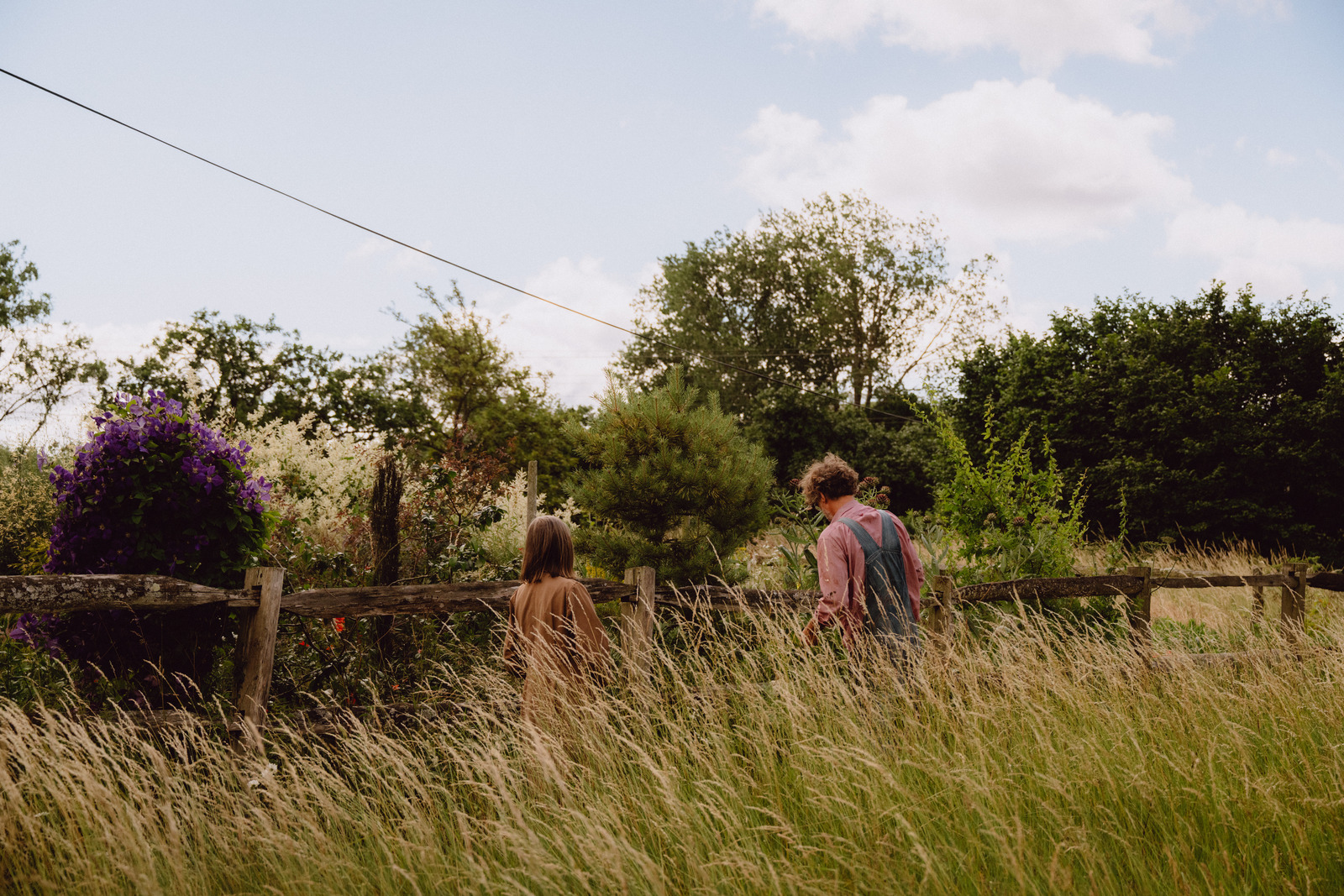
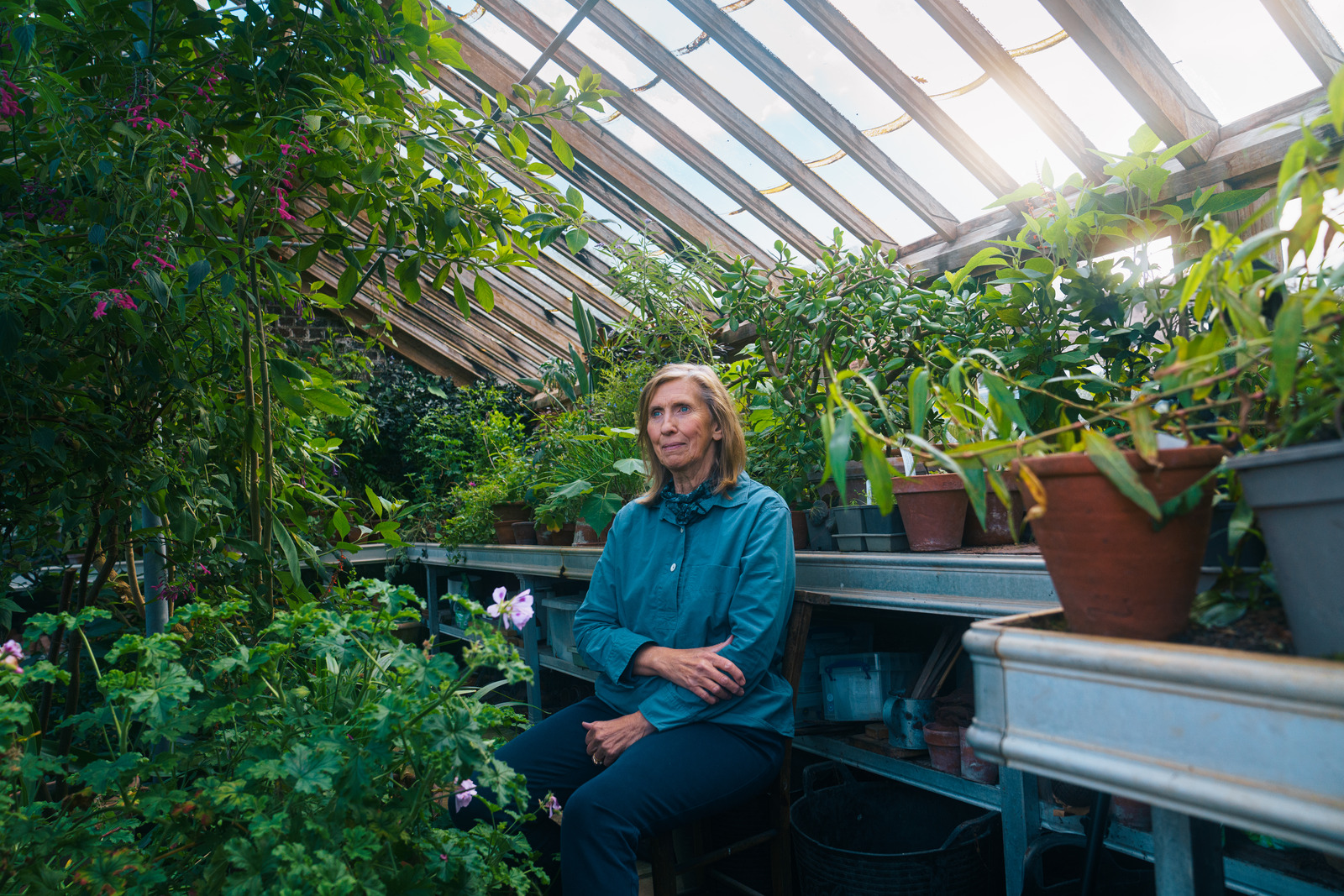
In recent years, the gardens Tom created at his home over almost 40 years ago have evolved to serve a new purpose. The Serge Hill Project for Gardening, Creativity and Health was set up in 2023, a not-for-profit initiative recognising the transformative effect that working with nature can have on people’s health and wellbeing. An acre of walled gardens brims with diverse varieties of plants, carefully tended by volunteer gardeners.
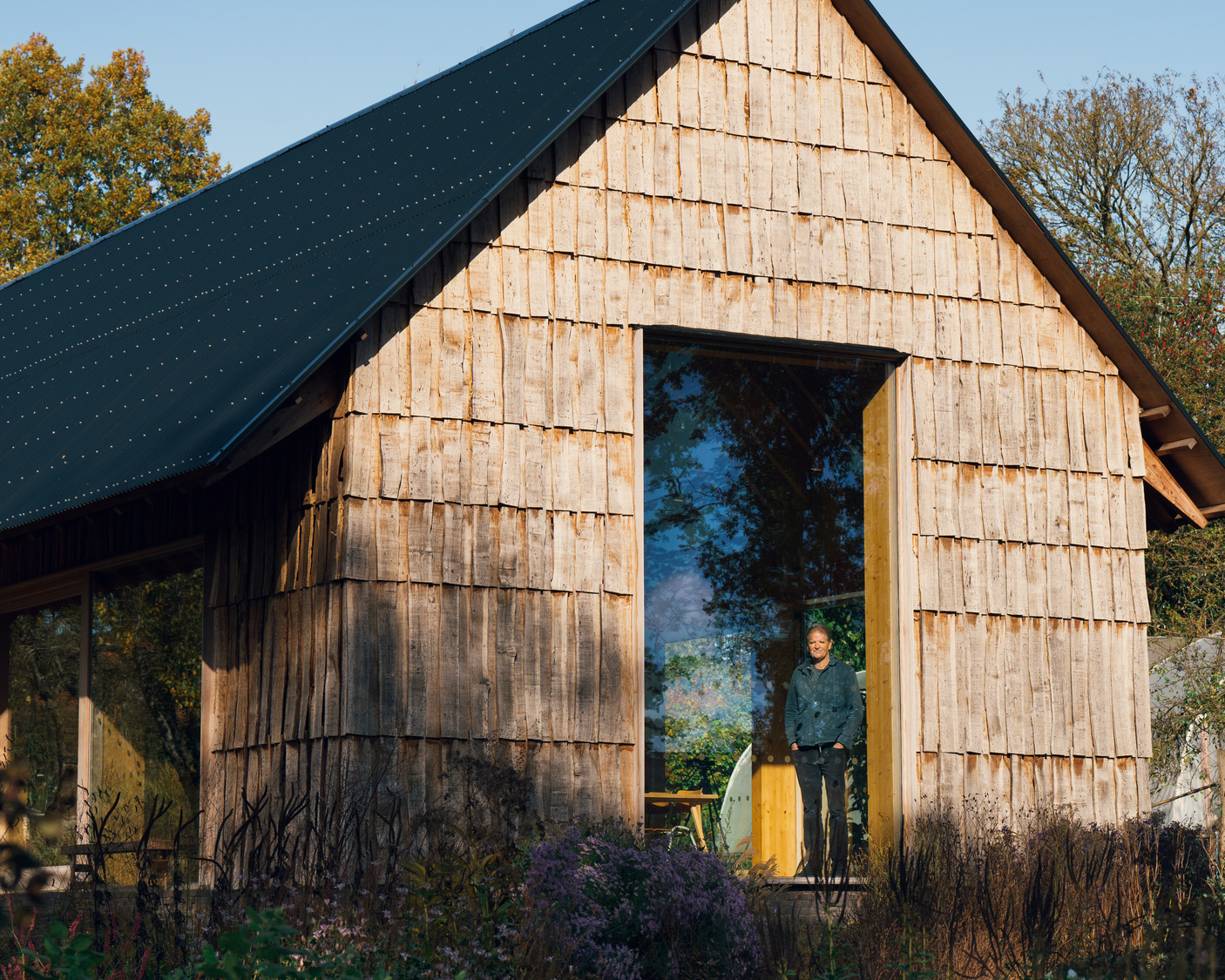
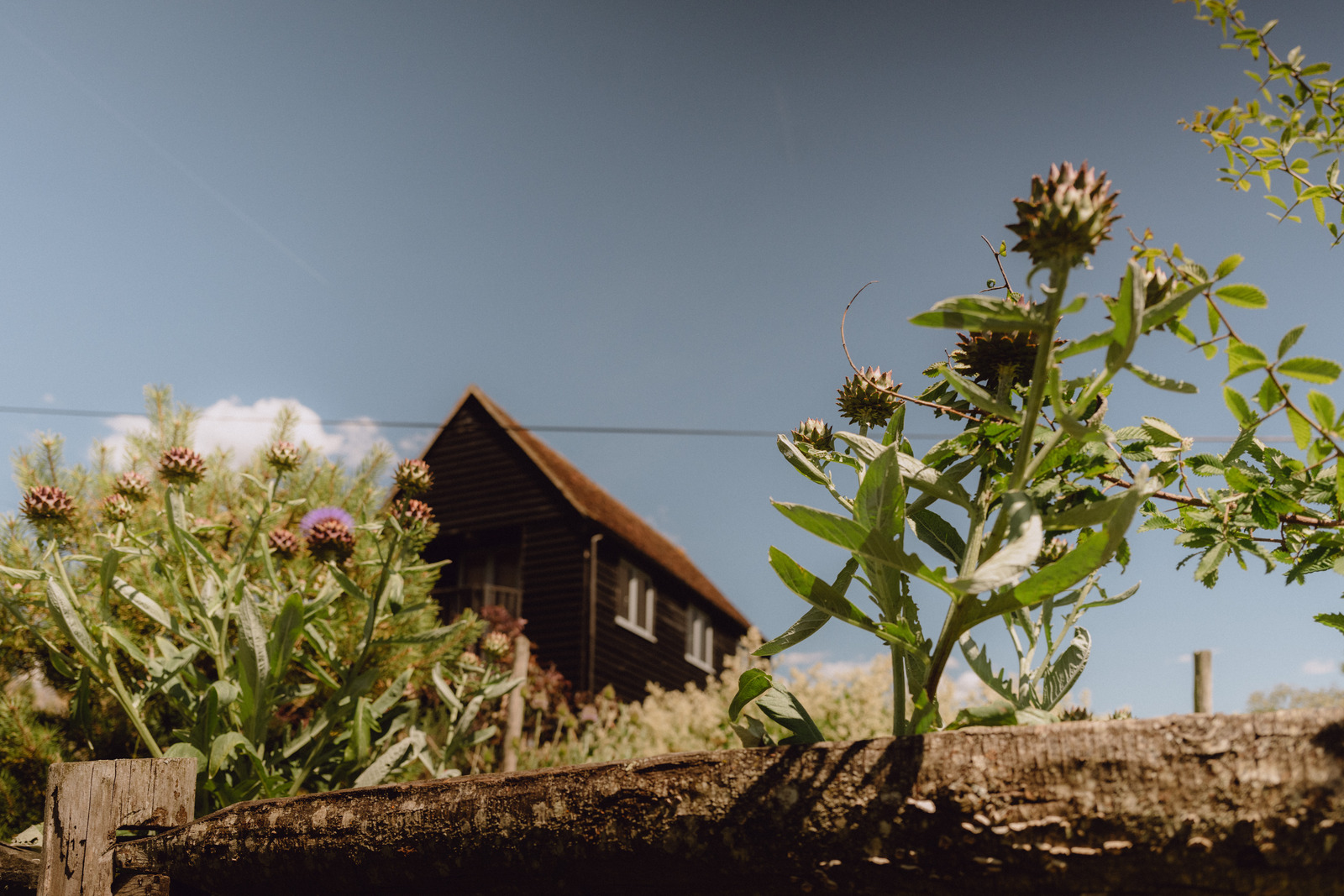
A purpose-built barn designed by Tom and Sue’s son, Ben Stuart-Smith, acts as a community hub within the site. Positioned on the site of an old orchard, The Apple House hosts regular visits from local schools and therapeutic groups, such as young offenders or those recovering from cancer. Tom explains, “We wanted a space which felt welcoming and natural, and is very outward-looking into the garden.”
Constructed from natural materials, including unfired clay blocks, hempcrete and ply, The Apple House reflects the “joy of a building made from not-quite-living stuff.” Home to nesting wrens, seven species of bat and a “slightly less welcome” woodpecker, its distinctive split-oak cladding is crafted from trees grown on site. (An exclusive video tour of Serge Hill is available for members on Patreon, priced at £6 per month.)
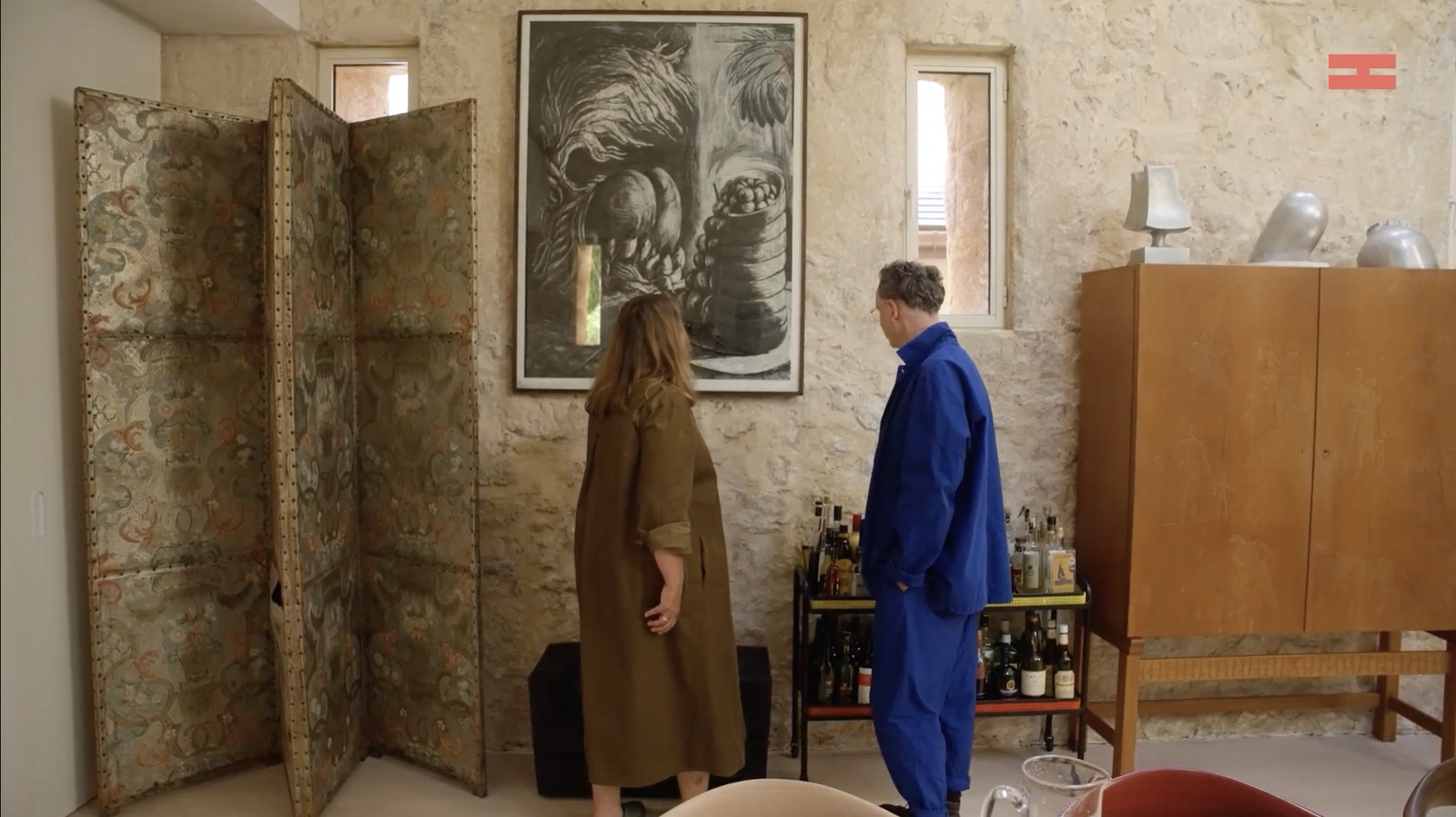
A medieval barn forms Tom and Sue’s living space. He explains, “It’s quite a small barn, which makes it deeply habitable and quite cosy … We don’t cook in it or watch telly in it or sleep in it, but it’s just one big room up to the beams. And that’s a wonderful thing. It’s very light.” Additional rooms are arranged around three sides of a courtyard, “all attached together and pretty much on the footprint of what was there from the 17th century onwards.”
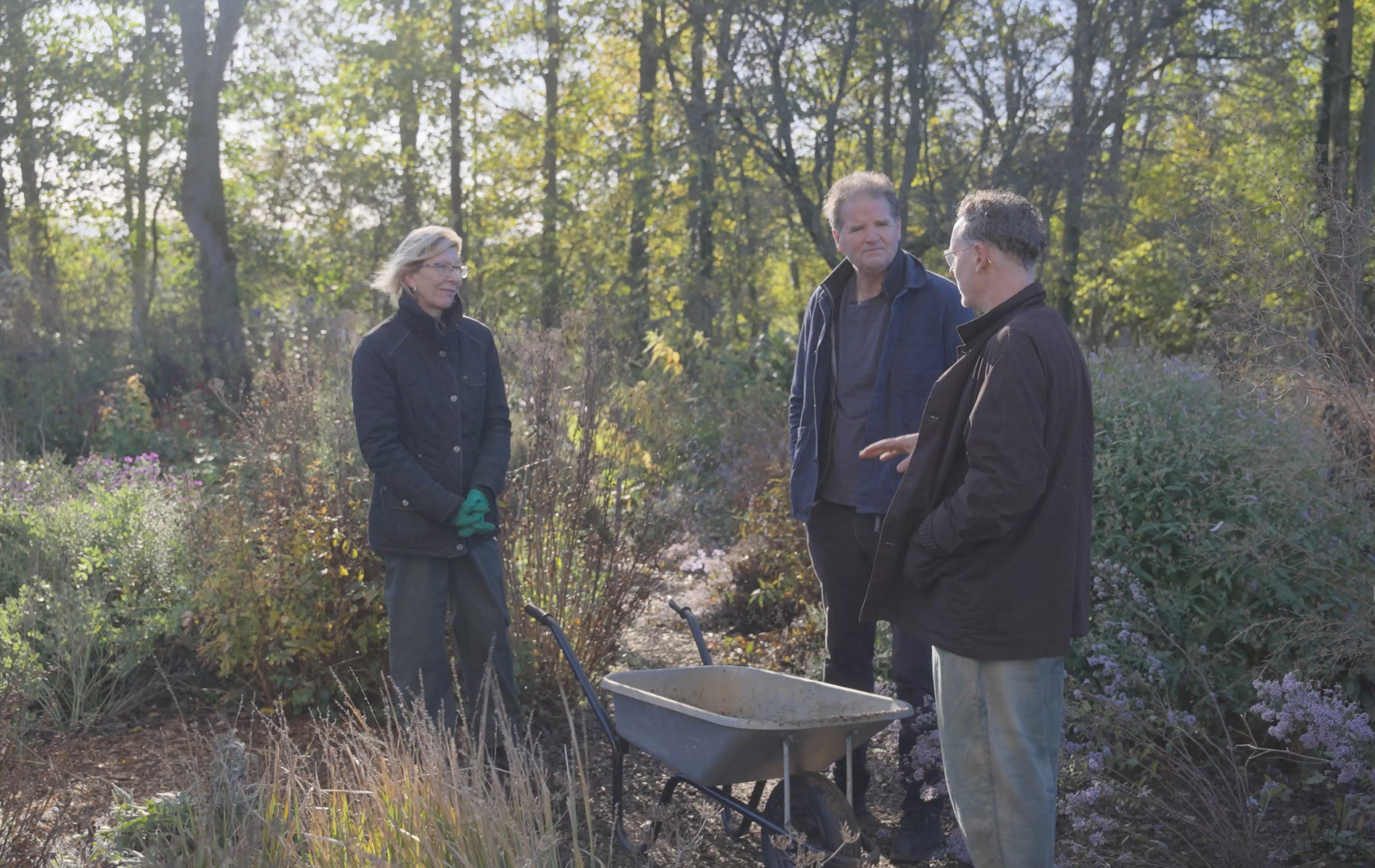
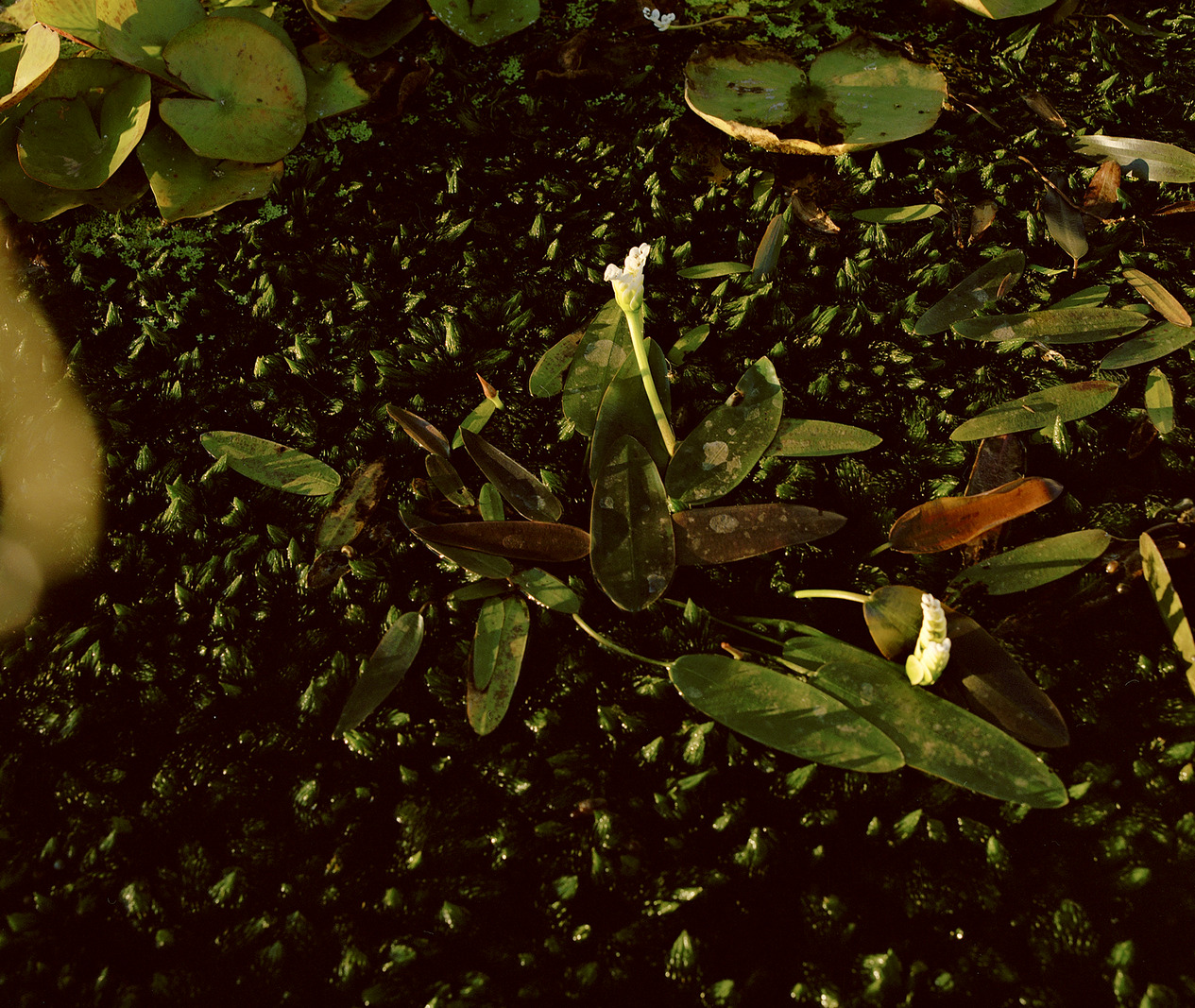
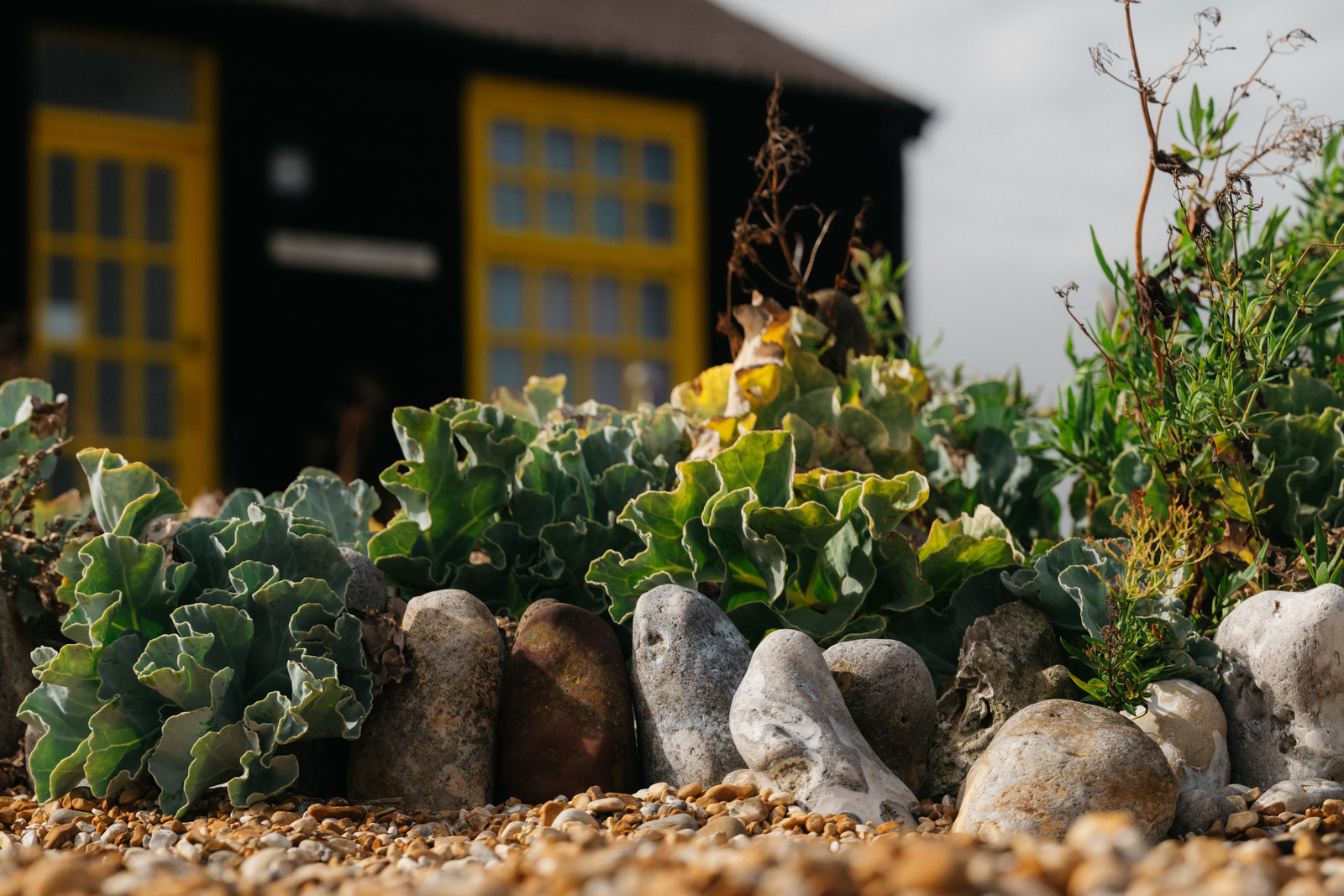
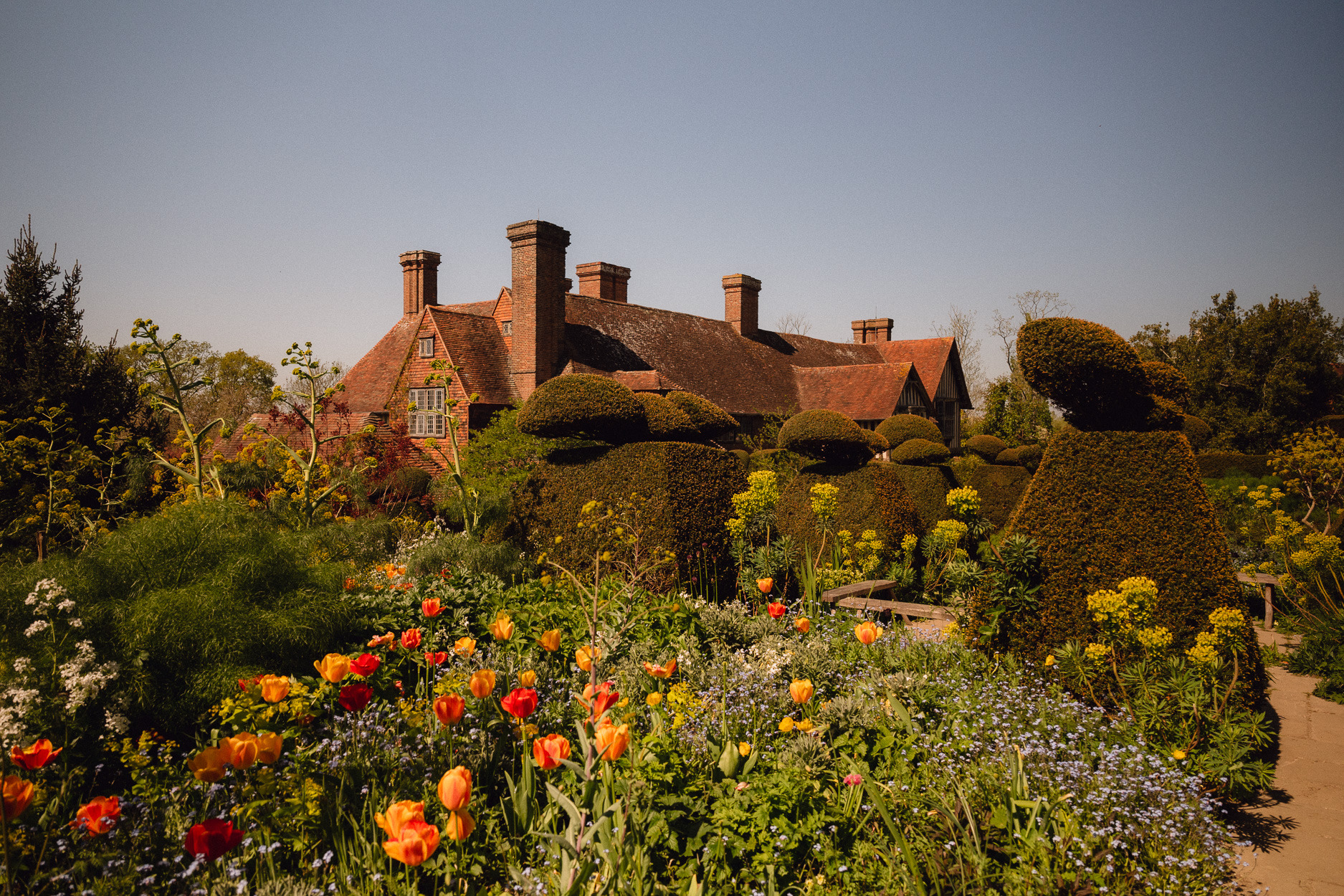
Tom describes the evolution of the garden over the years, explaining: “It got a little bit out of control about 15 years ago, as I just wanted to experiment with more ways of looking after things. The garden is almost a tapestry of different ways of looking after vegetation.” As well as meadows and a North American-inspired prairie, Serge Hill is home to the Plant Library, a volunteer-maintained garden that serves as an interactive catalogue of around 2,000 varieties of plants. Tom describes the latter as “a mixture between beauty and utility”, where both experienced and new gardeners can learn about different plants, and perhaps decide to use them in a project of their own.
Reflecting on a sense of belonging to the land that has become his lifetime home, he says, “At the same time as we started a family, we started creating this environment. My children, who are now in their 30s, have fortunately grown up slightly slower than the trees. It's almost like having two parallel families, a sort of vegetal family and a human family growing up at the same time. It’s been an amazing thing.”
Forthcoming episodes of Homing feature the author Alain de Botton and the artist Sam Taylor-Johnson. Subscribe to Homing or become a member of Patreon and as always, happy listening.