How to fall in love with your architect, by William Foster
August 15th, 2025
This article is more than a year old and may contain information that is out of date. Sorry about that.
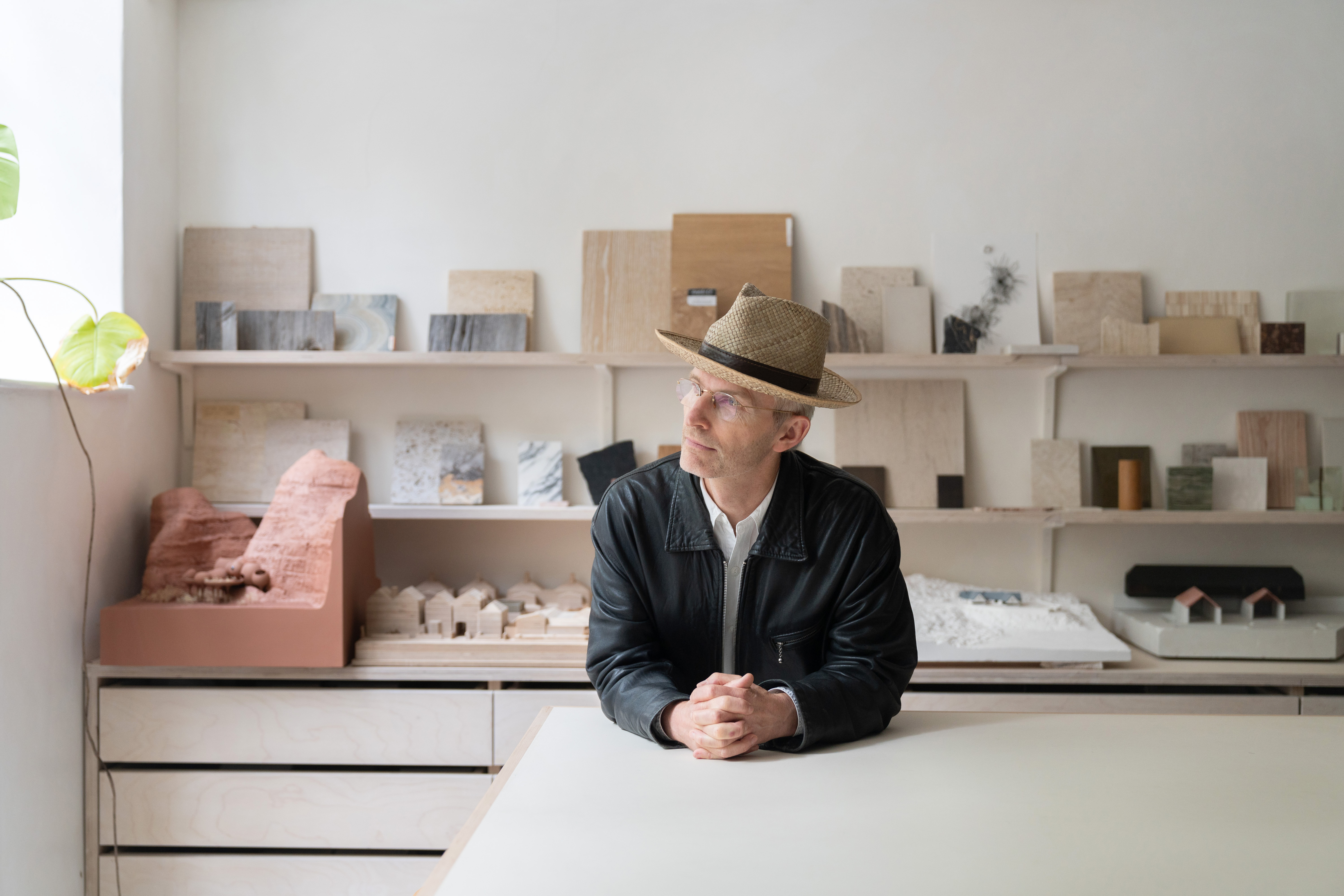
William Foster, co-founder of the award-winning architecture practice Foster Lomas (and a familiar face to those who watched BBC’s hit TV series, Your Home Made Perfect), has worked with private clients for over two decades. In that time he’s learnt a thing or two about the client-architect relationship. And it is a relationship. There should be chemistry and there should be non-negotiables. Here, he writes his rules for finding – and keeping – that perfect (professional) match.
If you’re about to start your own search for an architect, William will be answering readers' questions from his London studio in September. Email your question to info@themodernhouse.com or via voice note or DM on Instagram before 31st August. We'll share William's answers with you next month.
Words William Foster
Photography Rachel Ferriman and Richard Oxford
Congratulations! You have finally made the decision to build your dream home or destroy the one which has been the bane of your life for many years. You’re fairly certain you’d like to work with an architect, but you’ve never even met one before, so where do you start? My experience of working with private clients over the last 20 years has taught me that finding the right fit at the right time is akin to matchmaking. You don’t necessarily need to fall in love with your architect, but you do need to find someone with whom you can have a trusted and rewarding working relationship. Chemistry is involved. Both parties should be attracted by the shared end goal for the project. Here’s my advice for finding that perfect match …
Work on your brief first
It can be hard to grasp your ideas at the beginning of a project. This is quite normal. However, it's important for you to understand your own brief before you meet your suitor. Don’t look in the usual places for inspiration. It can be tempting to look online but I’d urge you not to base your decisions on imagery. Instead, gather together memories of places, books, films and music that mean something to you. Learn about the history of your house and/or its location: what are the views, what’s the weather like, what grows here, who was the house built for and how has it been lived in the past? This will help you define your feelings towards the project.
Ask around
The RIBA website is a good place to start, and their free Find an Architect service is easy to use. Alternatively, look around where you live and see who has been delivering projects in your area. Our most successful matches have come through referrals from existing clients – maybe because we share common values and a good sense of humour (which is essential in architecture). Always ask friends and family for recommendations.
Your “first date”
Taste is one thing, but the meeting of minds and shared values is another, and this requires face-to-face discussions. Once you have identified an architect you’d like to meet in person, don’t be afraid to let them know you’re speaking to other architects – you’re in the dating stage after all. And don’t get your hopes up. You’re unlikely to discover the perfect match from a first meeting. It’s a huge decision. It is not often you have the opportunity to invite a professional into your personal life, sharing your values and aspirations and allowing them to translate your needs and desires. The result will be life-changing.
Working with an architect to reshape a home will also most likely be the largest amount of money you will ever spend, so please put some thought into the kind of relationship you want. In my experience, the best client-architect relationship is a creative partnership that is based on trust, enthusiasm, and that aforementioned chemistry. You need to know your architect will listen to your views and inspirations: remember you are looking for a collaborator as well as an inspired design leader. Ask yourself: ‘Would I invite this architect for dinner?’ If the answer is yes, you should probably book a second date …
Be prepared to answer some questions
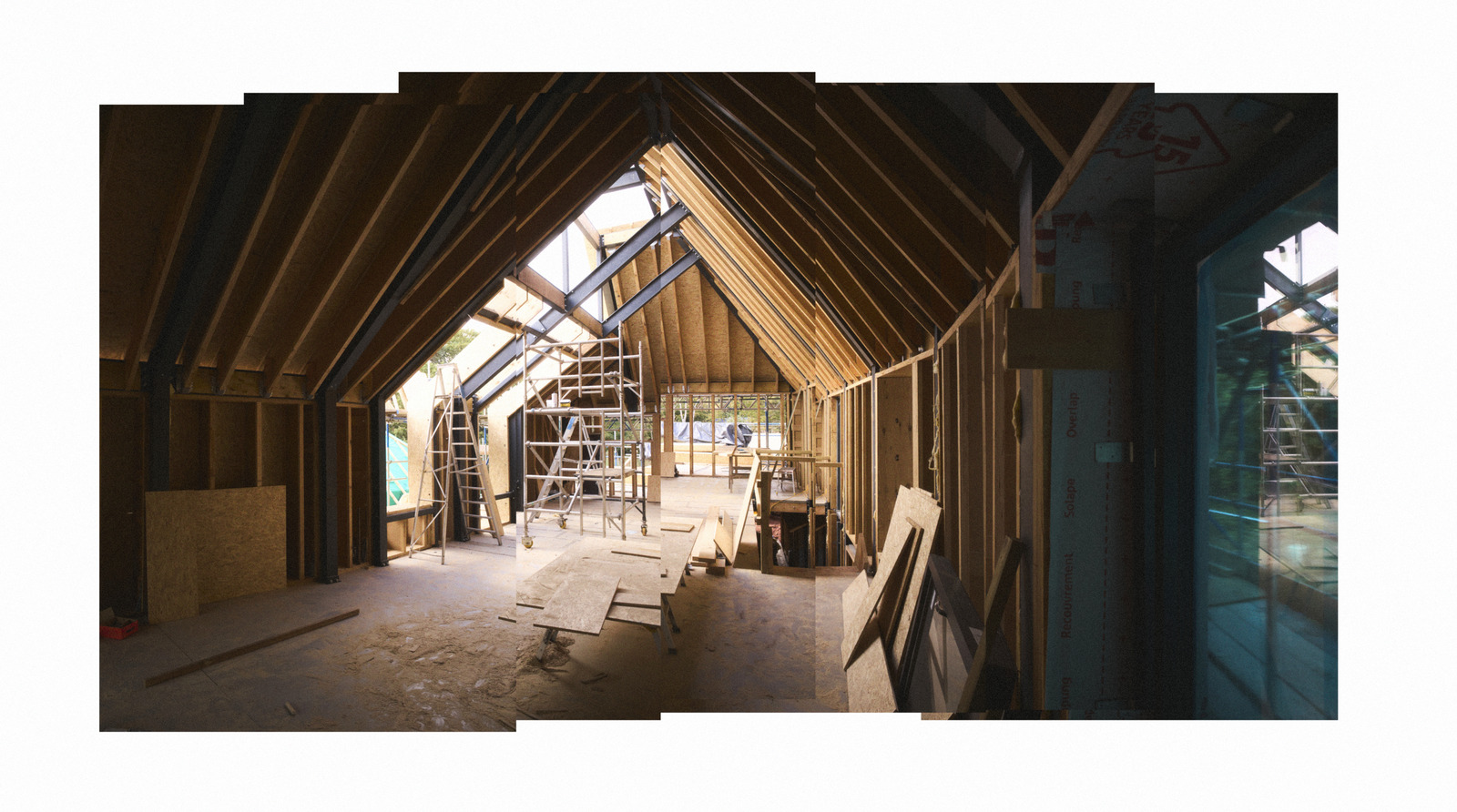
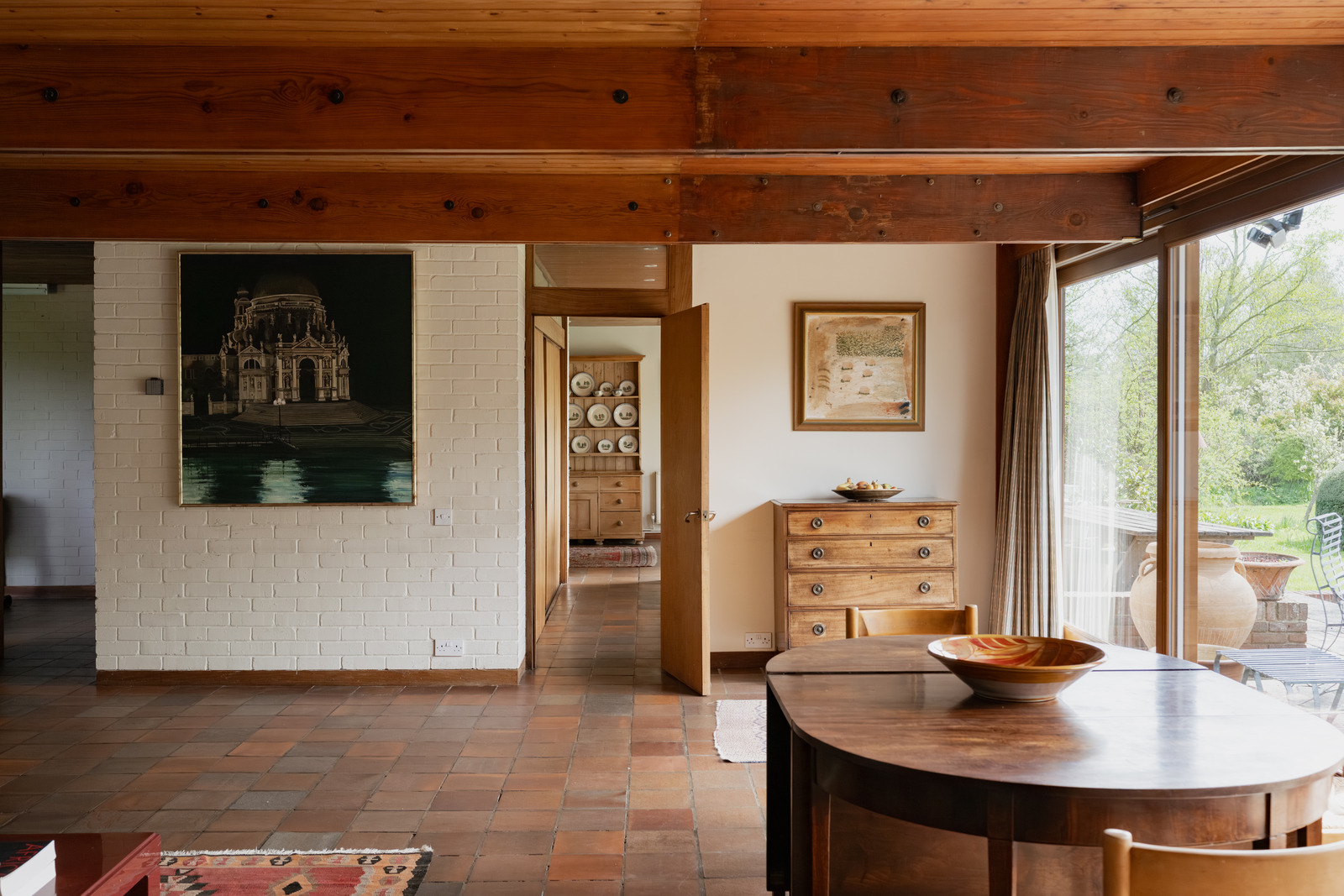
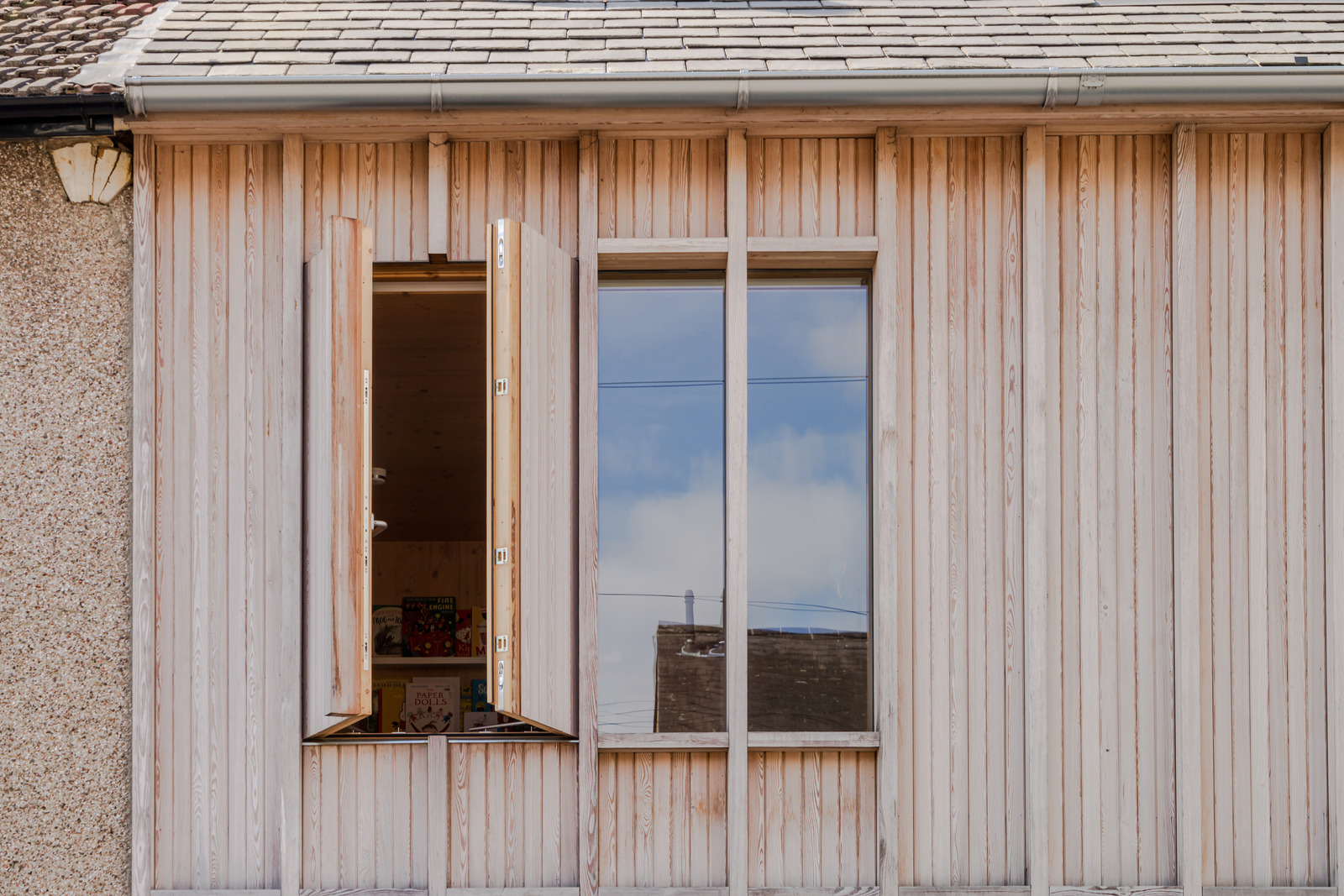
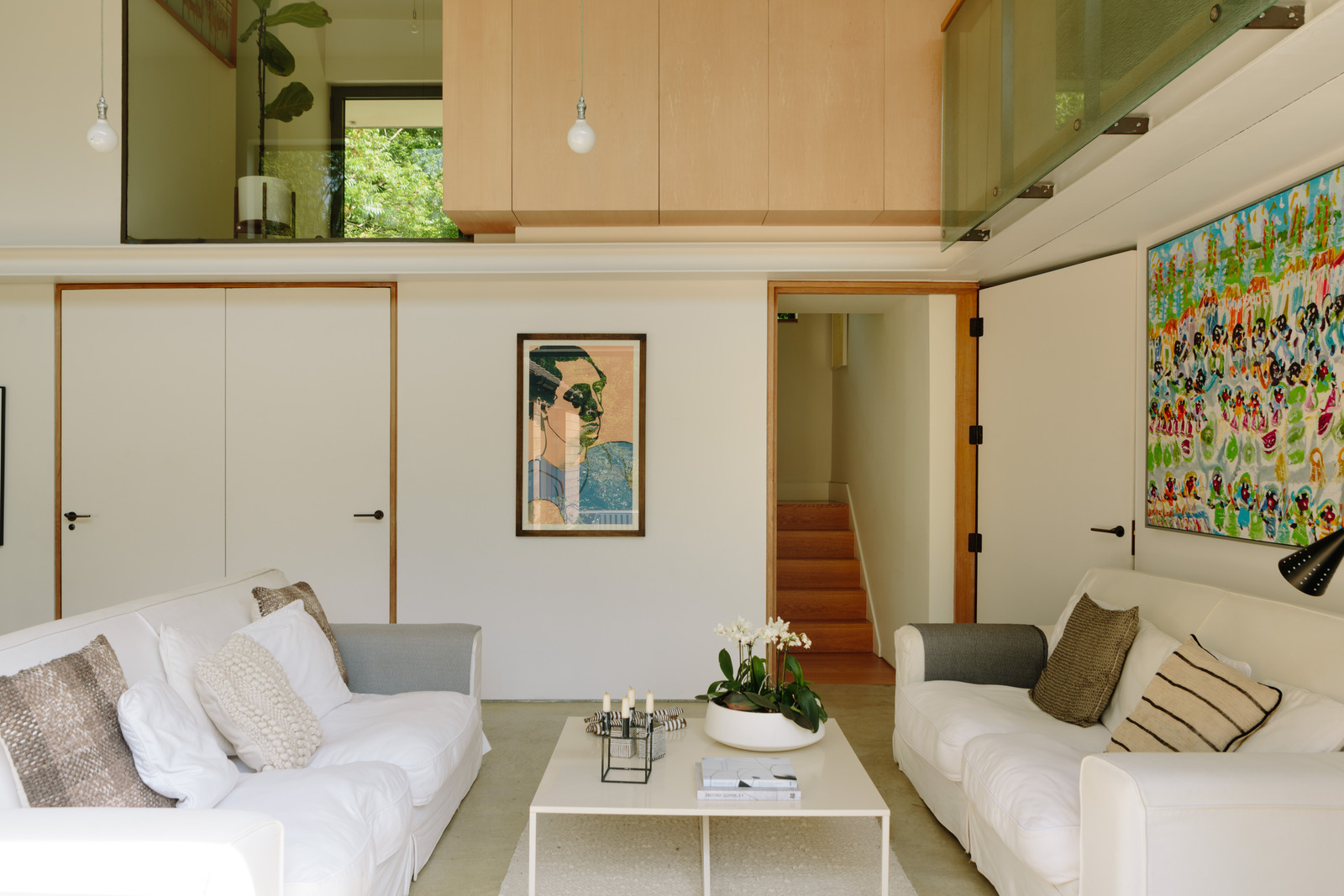
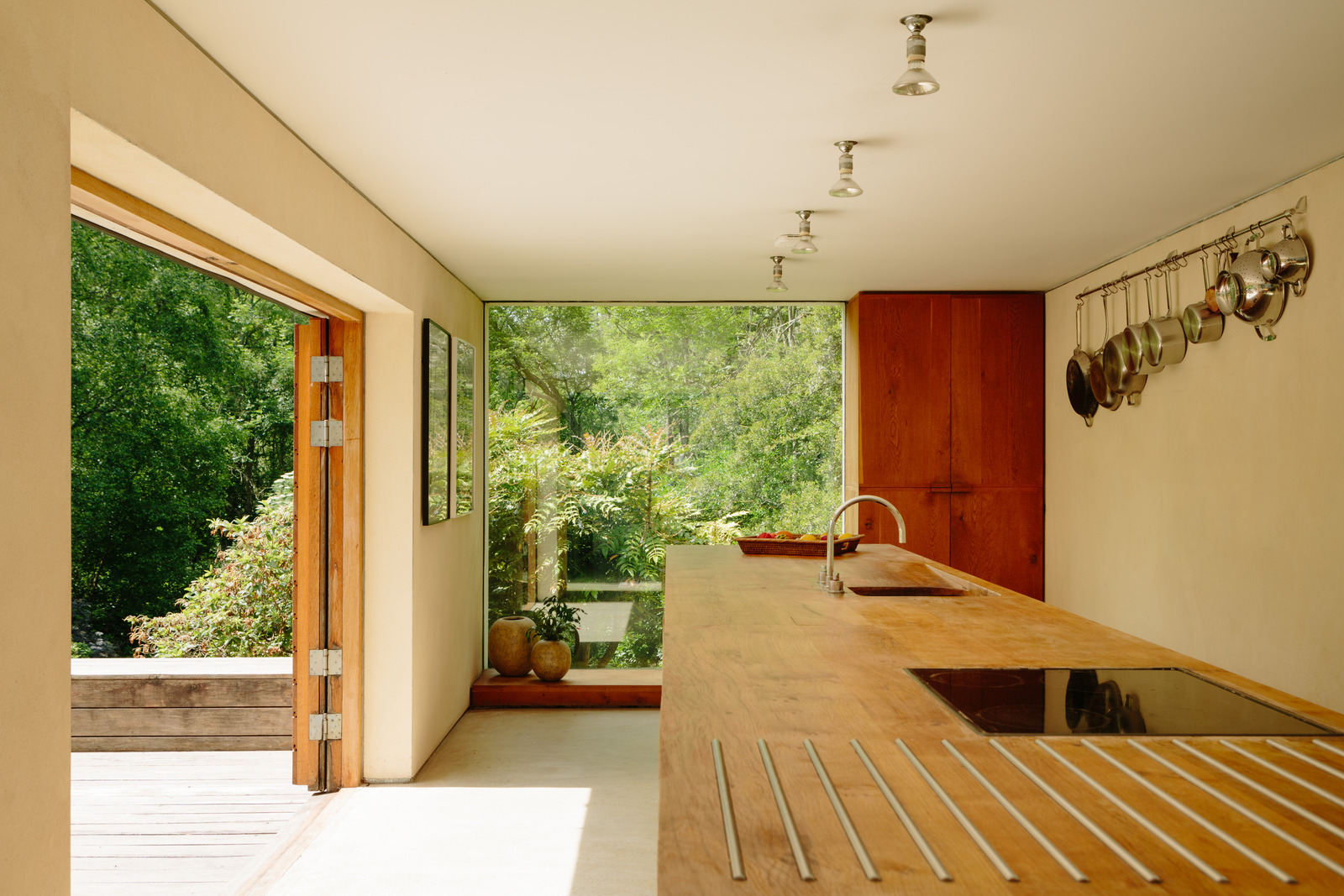
Every architect will bring their own questions and experiences to this “first date” and you’ll probably find that you can learn a lot about yourself from these initial discussions. I once had one client who was a creative director and was tired of giving and receiving briefs. Instead, he gave me four words to work with: light, unpredictable, entertaining and texture. We spent many weeks exploring what those four words meant together. The final home gave him an unpredictable entrance which provided him great entertainment as guests tried to work out how to get into the house with secret doors and large windows which could be a view or mirror depending on lighting. The rest of the house (pictured above) explored daylight and reflections of natural materials. (TMH sold this house a few years back.)
Another client wandered around their beautiful garden with a blank sheet of paper writing a vague shopping list of ideas (two receptions, four bedrooms, a practical kitchen, etc.). It occurred to me that they were happiest in the garden, so I designed their home accordingly. The final project included a tranquil rooftop garden that wove its way through the entire interior. In that instance, their clear enjoyment of nature unlocked the beauty of a unique house design. So try and stay attuned to your own passions and communicate them to your architect.
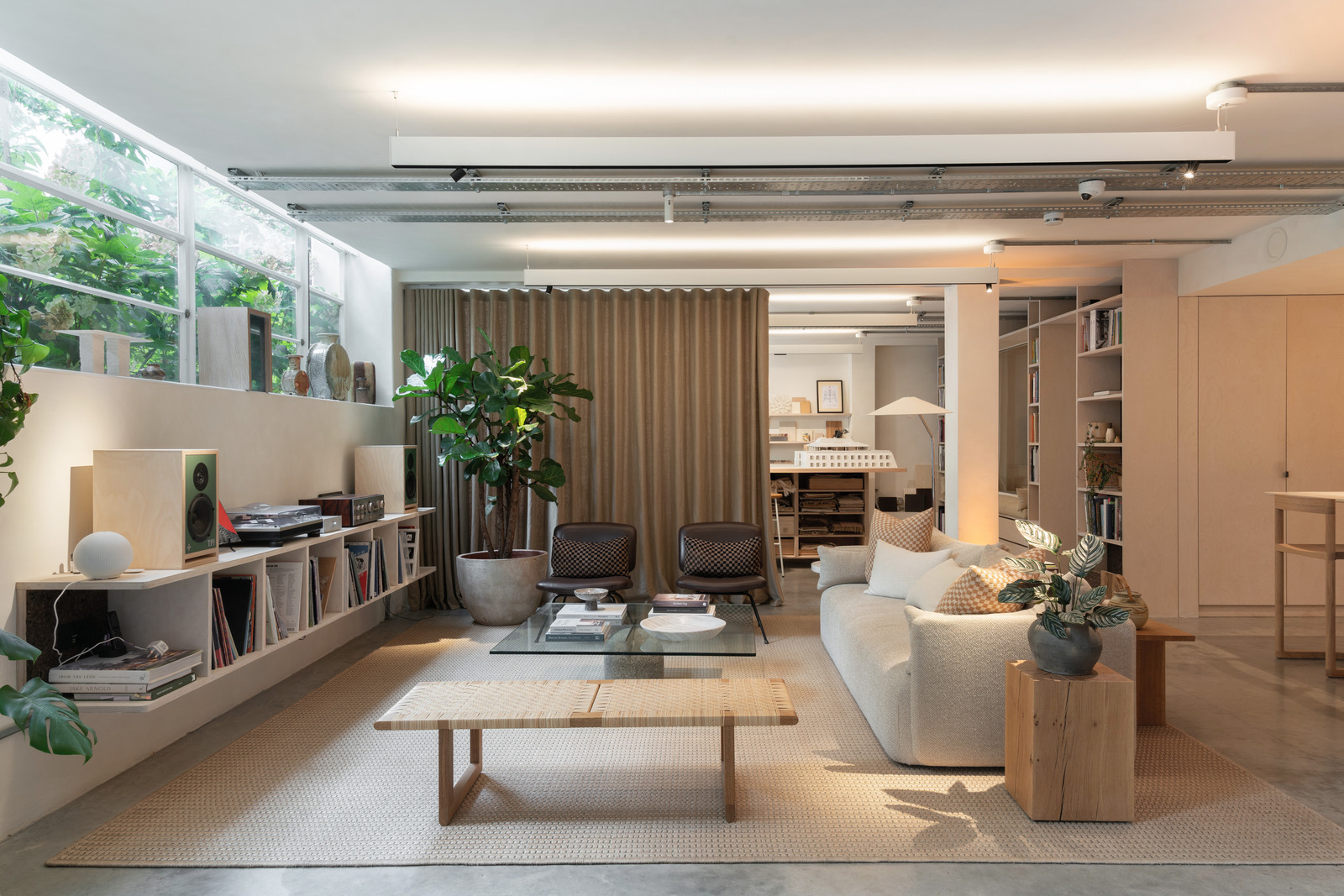
After the honeymoon period
After the honeymoon period is over, you need to start thrashing out your haves and have nots (or, as Carmy from The Bear would say, your “non-negotiables”). The stark realities of your project – by which I mean money, time, quality – need to be out in the open.
It’s vital to clarify everything before you push the red button on your build. My advice is to make sure you take important decisions together in person wherever possible. Actually stand on site and check the view from each window, experience the light and choose the merits of materials and finishes together.
The unpredictability of construction and how people perform under pressure creates constant decisions that need to be made and issues that need to be solved, all under the immense pressure of it being a home. If you’ve spent a good amount of time getting to know your architect, your build journey will be smoother for it.
Cooling off period
In the end, I think a good sign of success is a continued relationship after the project has been completed. It can be intense working together to create a home, and normally I would expect a cooling off period – not a split – after moving in, followed by a re-connection once you’ve had a chance to truly enjoy the space. Who knows, the relationship could be strong enough to survive another project, if not at least another meal around the same table.