One of a kind: a 1960s home designed for an artist, now for sale
June 18th, 2026
Words Dale Berning Sawa
Photography Adam Firman
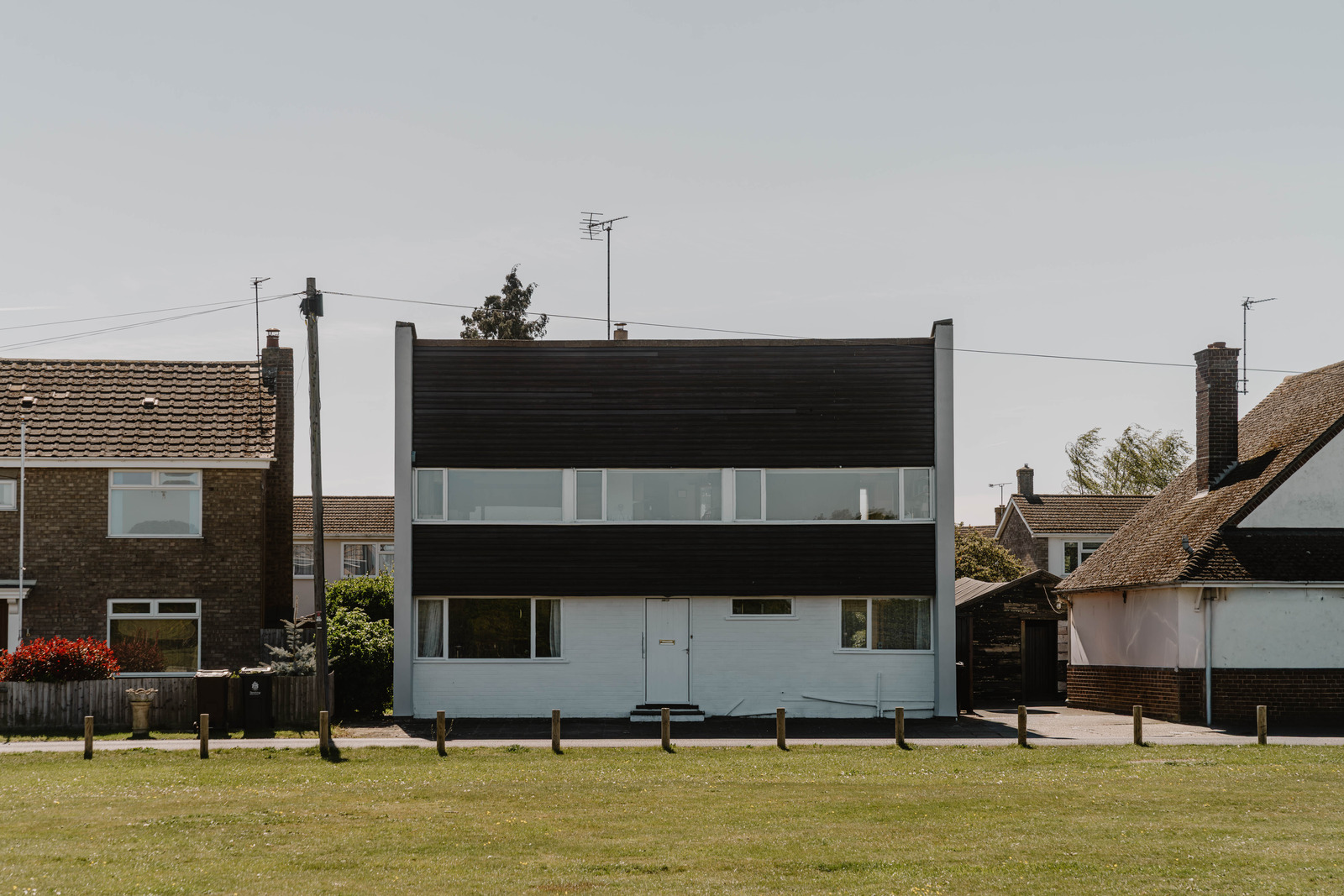
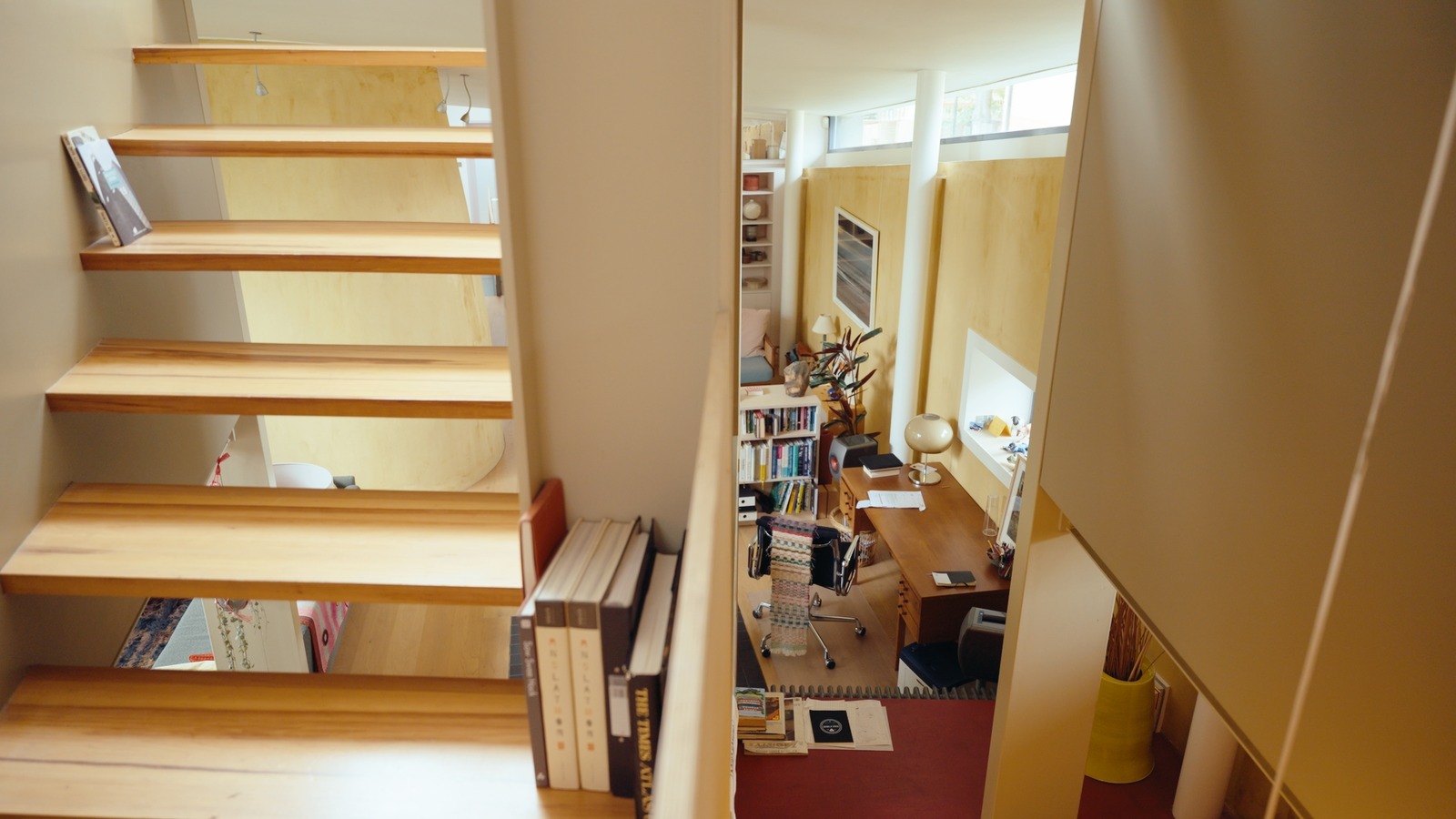
When Helen Sadowski and her sister Sally were little girls, they would travel down from Yorkshire to Essex during the holidays to visit their Aunt Enid. The Crowther family was from the West Riding, that Brontë country of cold stone and dark cloud, but their Aunt Enid, a landscape painter, had made her home in the Essex village of Great Bentley. She had found her spot in the sun. “Aquila was one of those houses you didn’t forget,” says Helen. Partly this was because of what the girls thought was a curiously upside-down layout, with the kitchen and living space upstairs. But mostly, it was because of Enid herself.
Born in 1926, Enid attended a grammar school in Heckmondwike, a village midway between Huddersfield and Leeds. She then trained to be a primary school teacher and an artist. After an accelerated stint at Leeds College of Art, where she finished the two-year course in one, Enid taught at Clacton College of Education before being appointed Head of Art in Kingston Polytechnic’s division of educational studies – the second-largest teacher training department in England at the time. “In every aspect of her life, she was formidable,” Helen recalls. “She had a soft spot for us girls, but she had a streak of complete and utter ‘Who do you think you’re talking to?’”
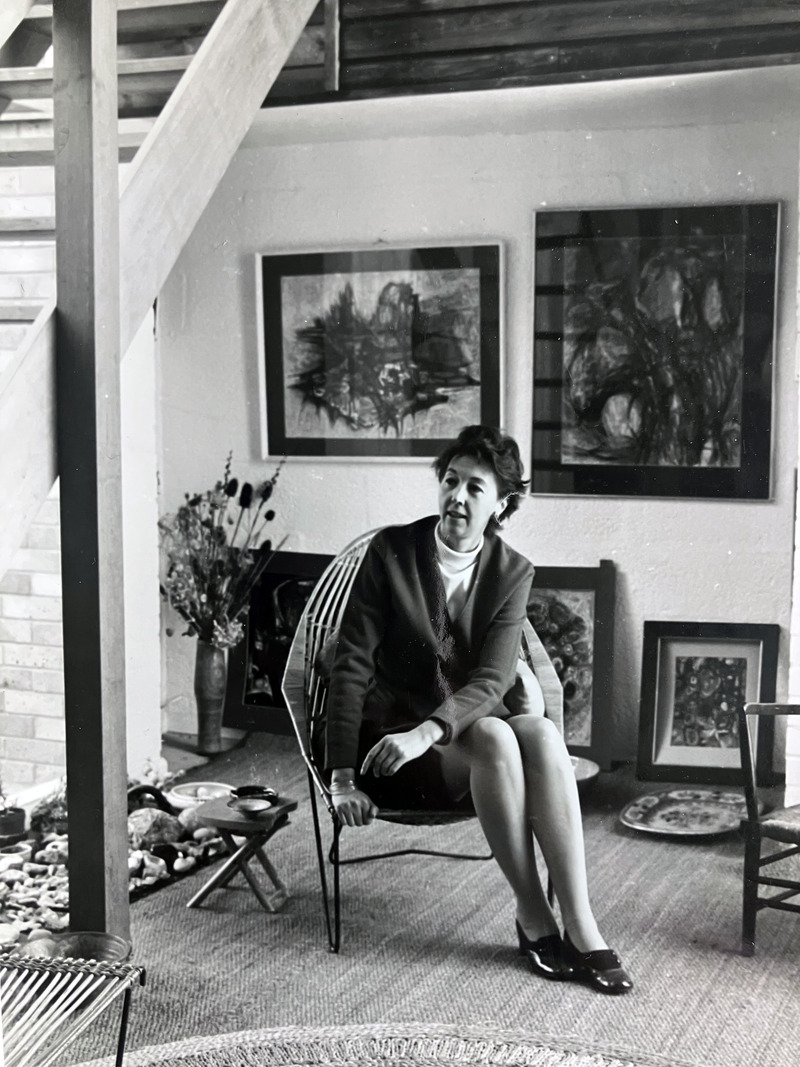
It is in this spirit that Aquila came to be. As a single professional in the early 1960s, Enid earned a decent income at Kingston, and so set out to find land near the coast. She struck what she saw as gold in Great Bentley, right on the edge of the 43-acre village green. “It didn’t have any water or electricity,” recalls Helen, “it was just a bit of dirt ground, really. But she had the vision to see beyond that.”
Enid needed a mortgage for the build, so she headed to a local bank. “The manager said, ‘You need your father. I can't give you money.’ And she turned around to him and said, ‘I earn more than my father.’ And she actually walked out of the bank with a £300 loan. She wasn’t to be trifled with.”
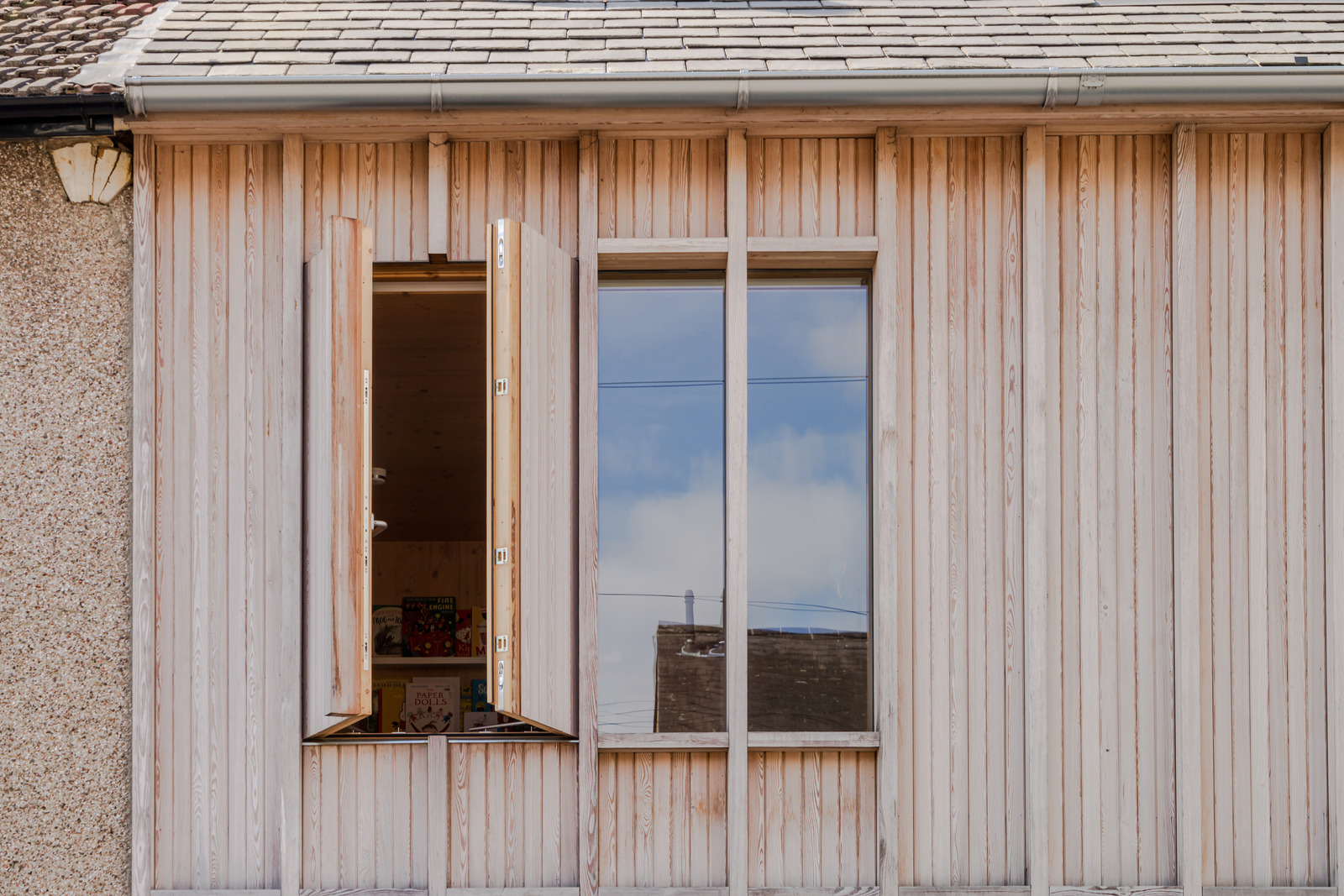
Within a year of purchasing the plot, the first iteration of Aquila was built. Helen says that to begin with, it was absolutely ridiculed. “People have learned to accept it, but when it was built no one had ever seen anything like it. And actually, nothing has ever been built like it since.”
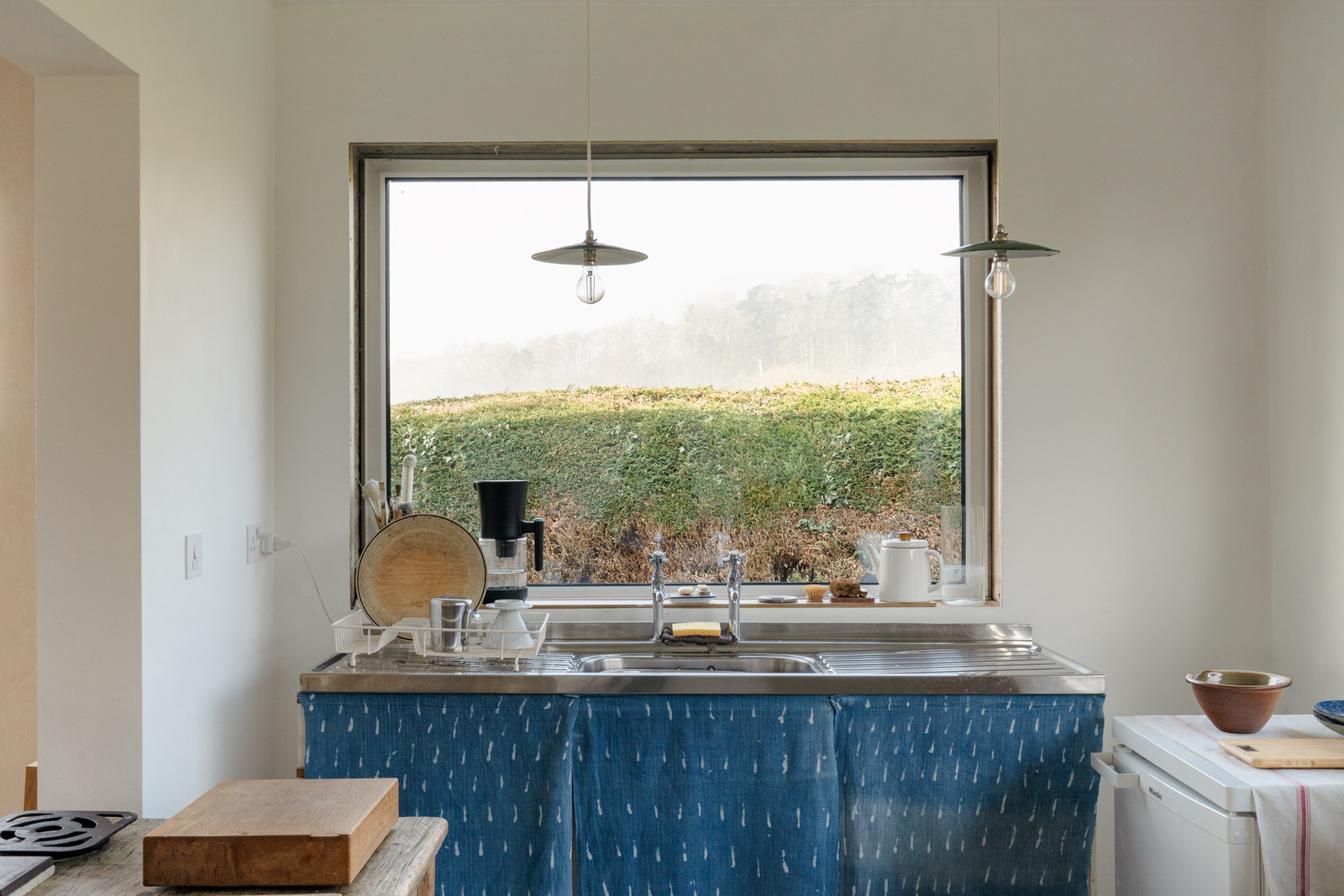
The house featured a garage on the ground floor and above it, a tiny galley kitchen and living space, replete with picture windows that let the outside in. Once Enid had saved up enough money to build an extension, she enlisted the help of renowned local architect Bryan Thomas. Another of his projects was the nearby White Barn House in Elmstead Market, where the pioneering horticulturist Beth Chatto set up her radical garden. Helen says this connection is telling. The two women were the same age, and of a similar mindset.
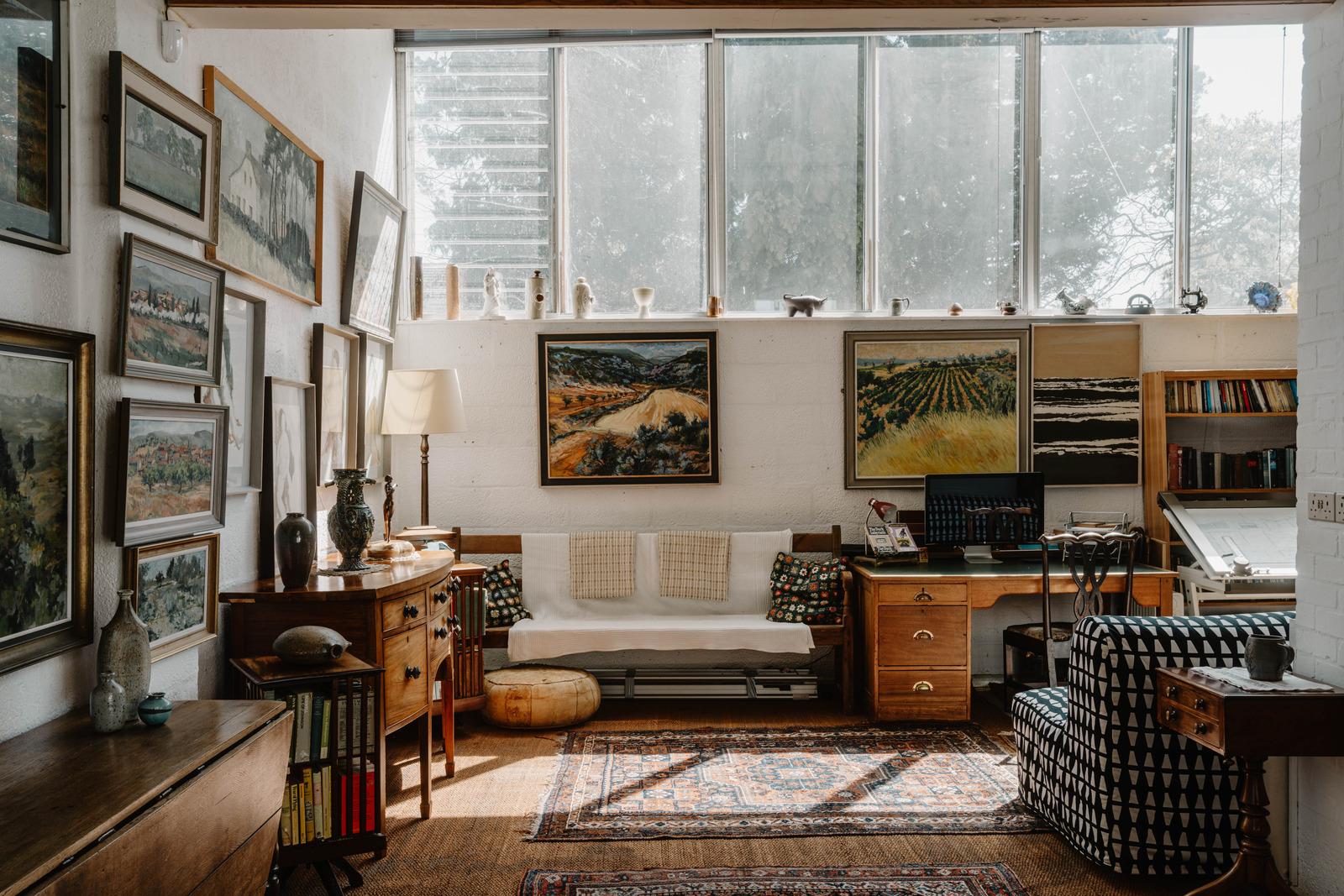
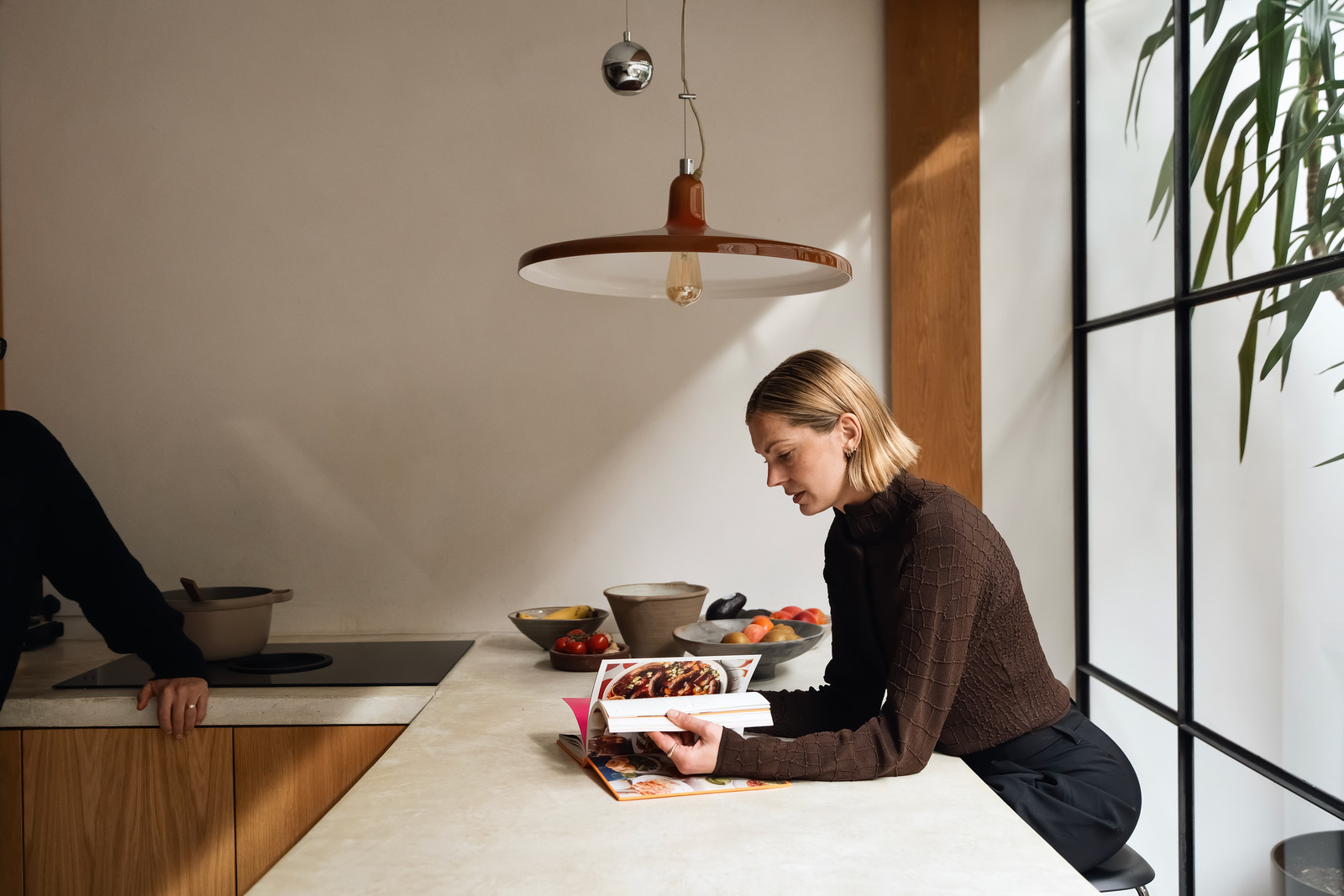
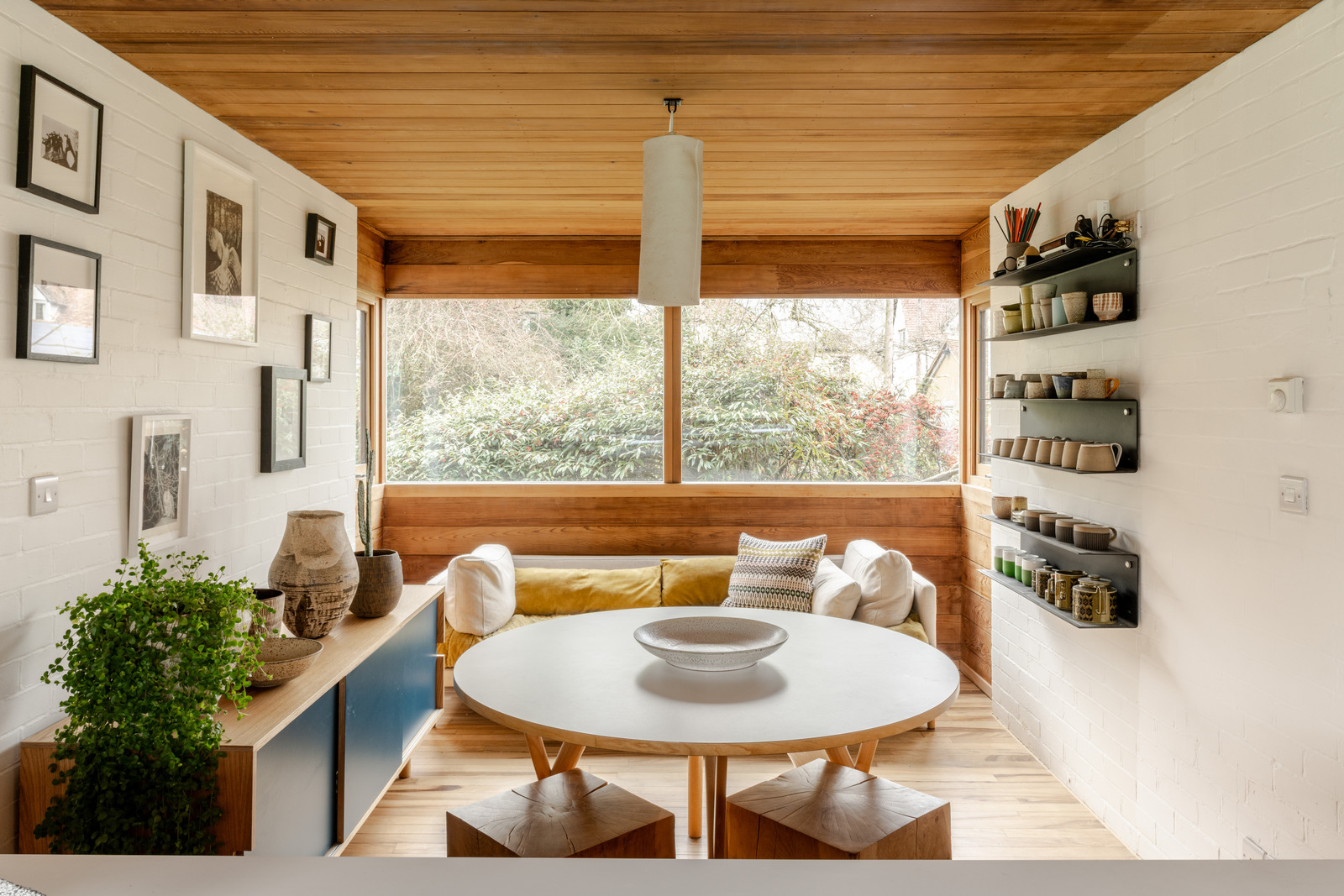
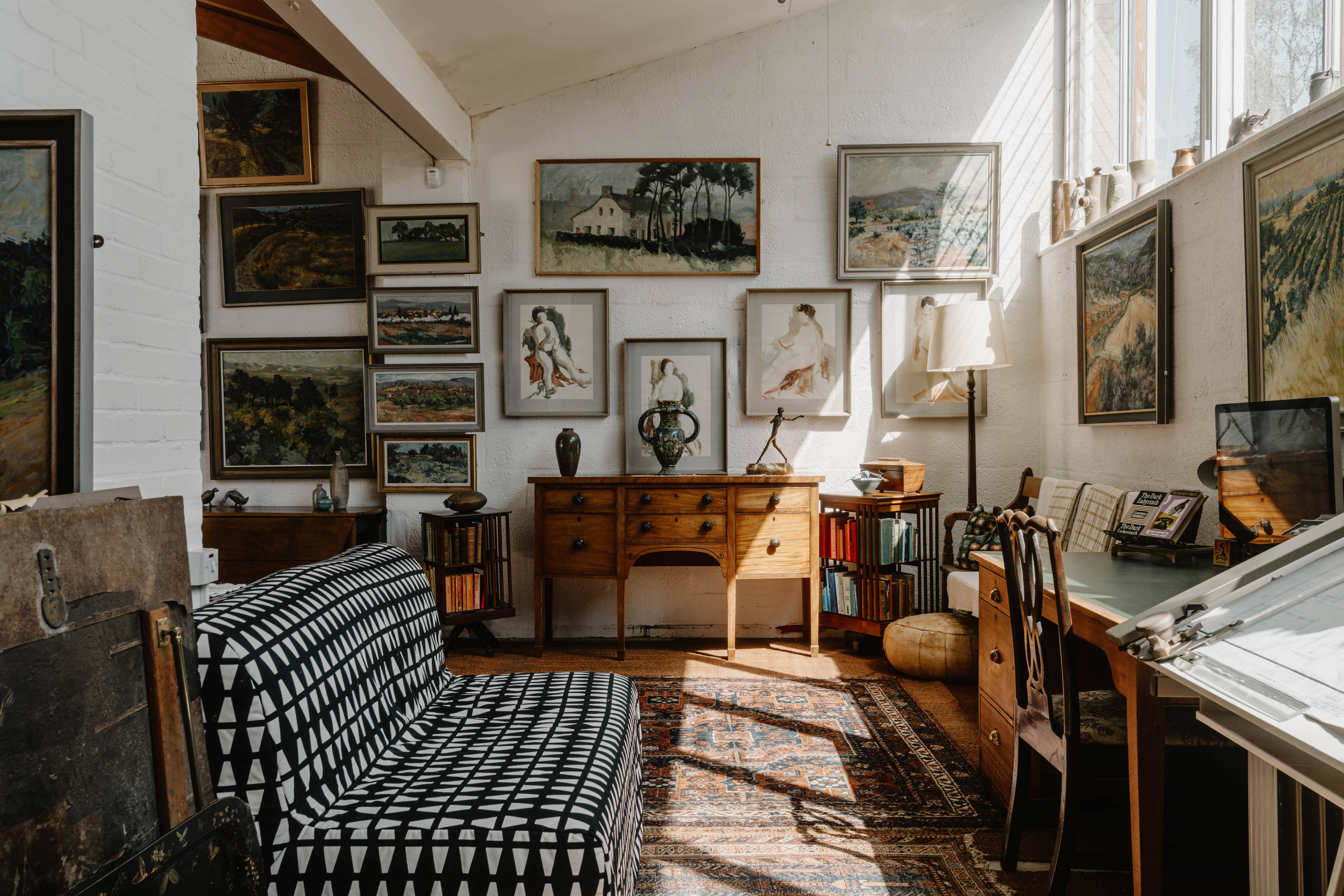
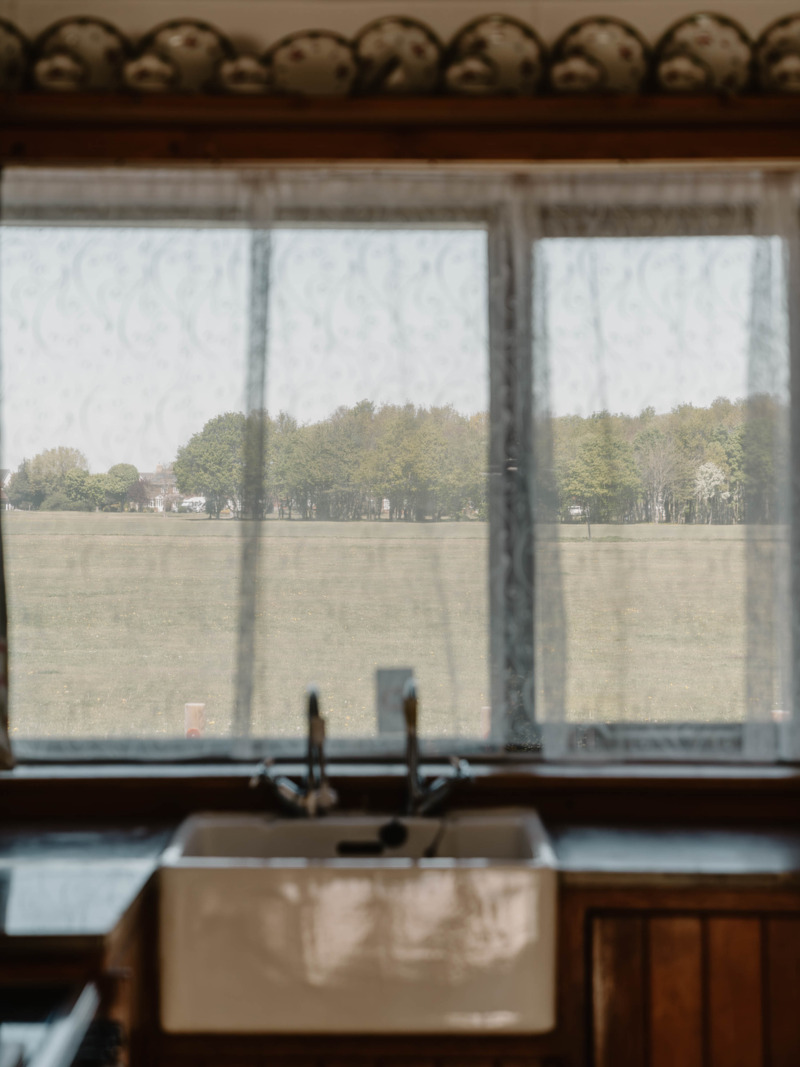
At Aquila, Thomas transformed the garage into a generous wood-panelled kitchen and added a studio – both spaces crucial to Enid’s approach to homemaking. (She loved making food and had many frequently referenced Elizabeth David cookbooks on her shelves. Helen associates the smell of herbes de Provence with that warm kitchen.)
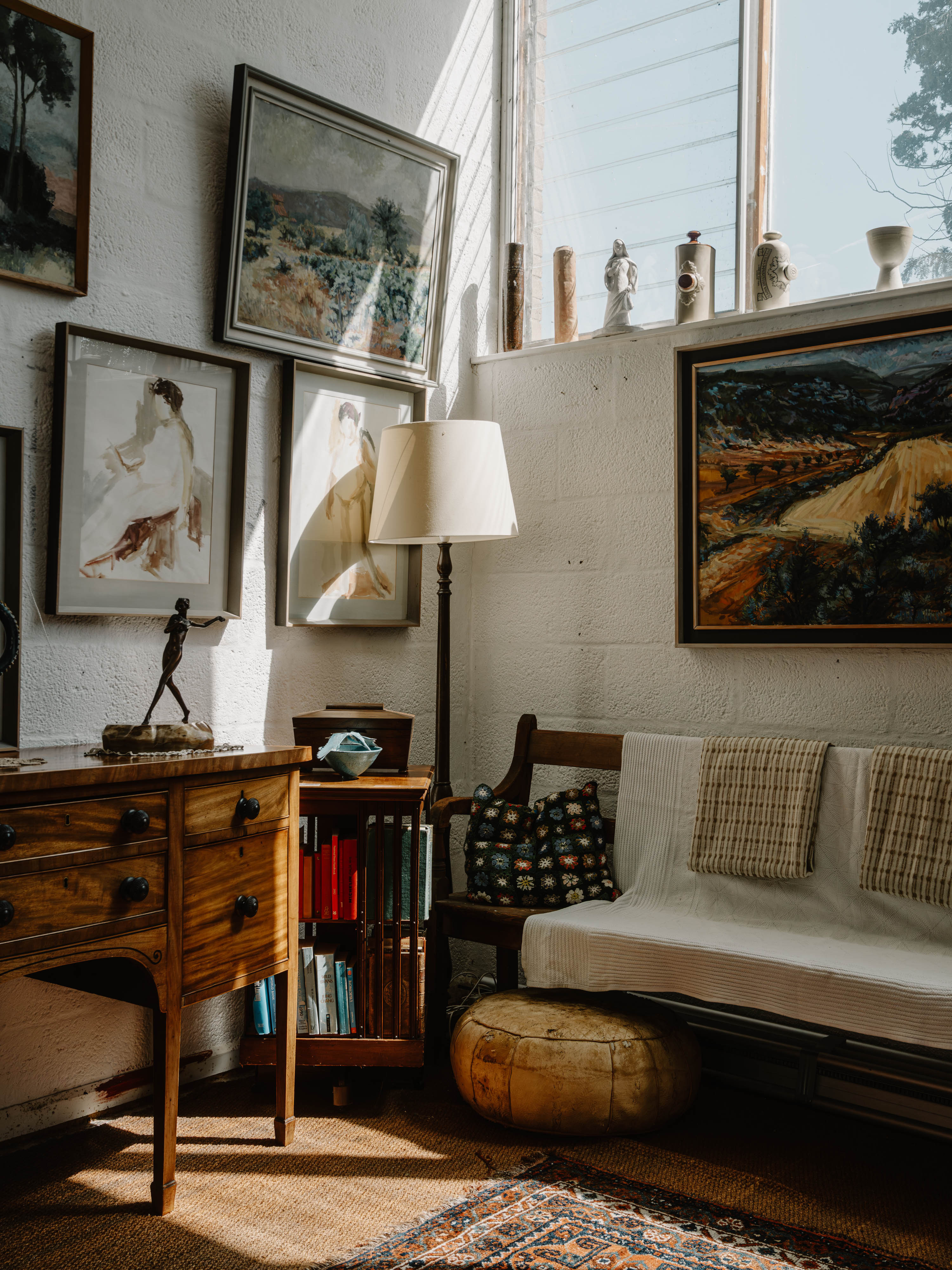
The rooms beyond were filled with spoils from Enid’s compulsive antiquing and regular trips abroad, where she loved trawling through braderies for wooden pitchforks and old wine wicker baskets. Helen used to go with her to the Reeman Dansie auction house in Colchester. One day, she recognised an Antiques Roadshow presenter (she was a great fan of the show). She was staring at him when he turned around and said “Do you know who I am?” Helen remembers Enid retorting, “Do you know who I am?”
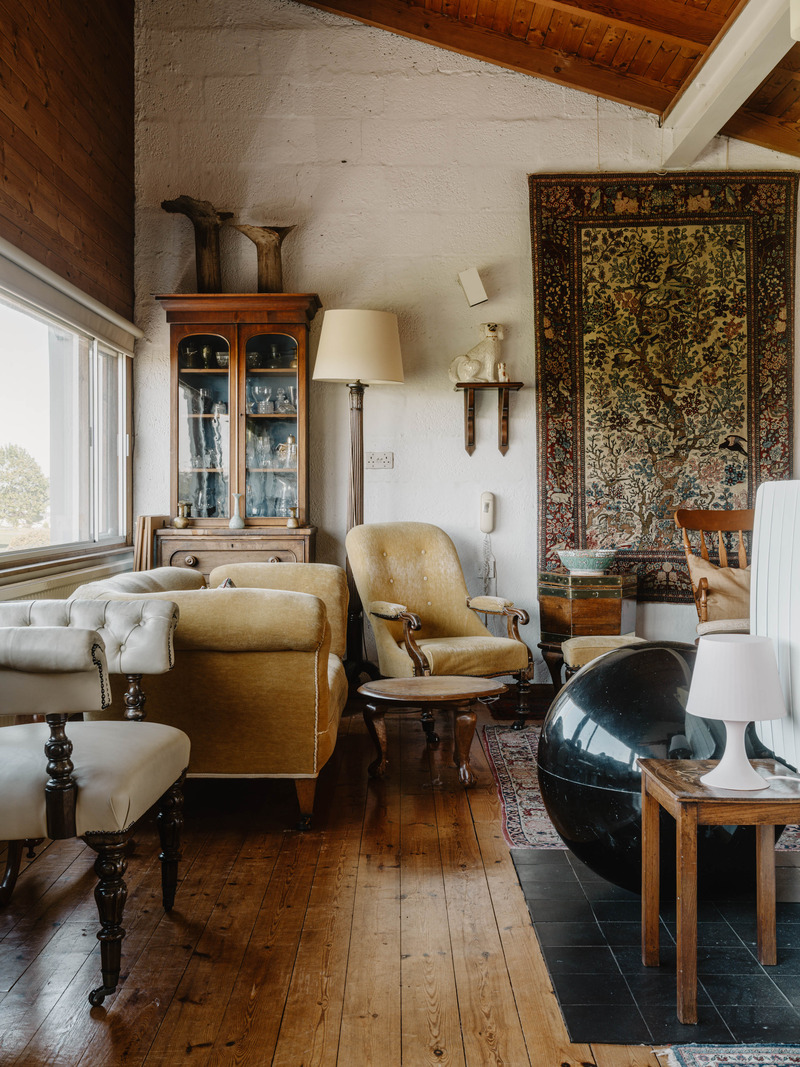
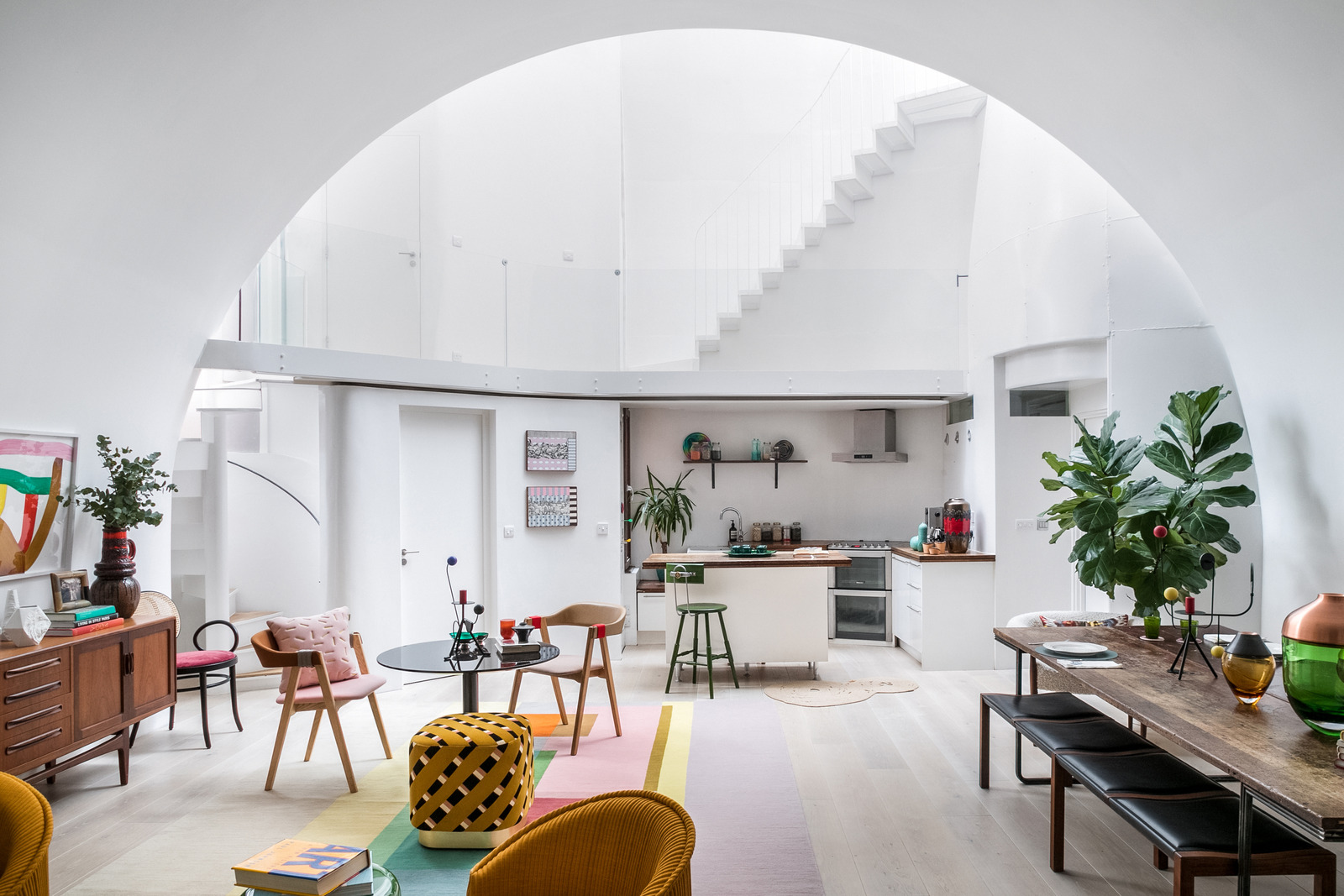
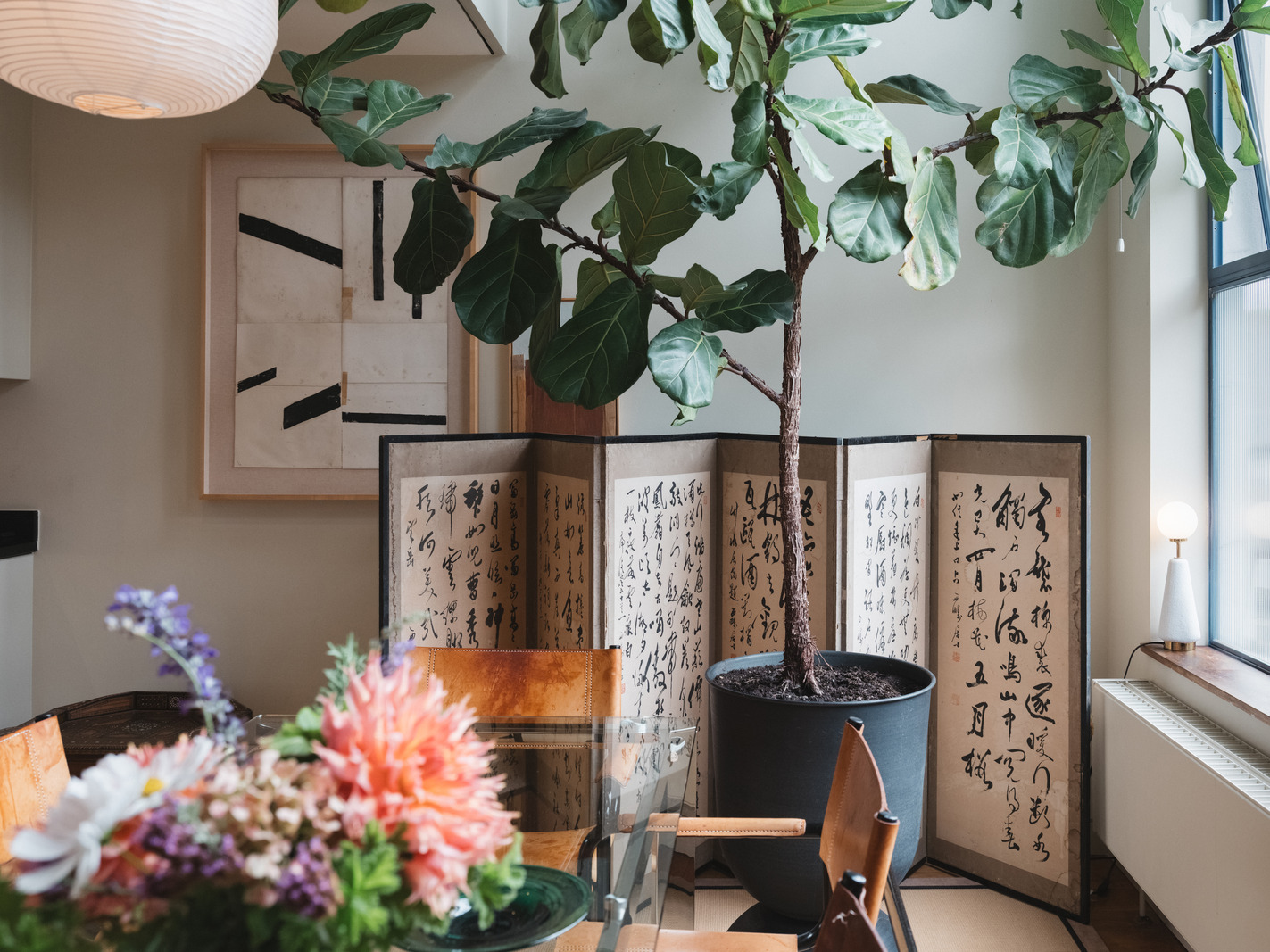
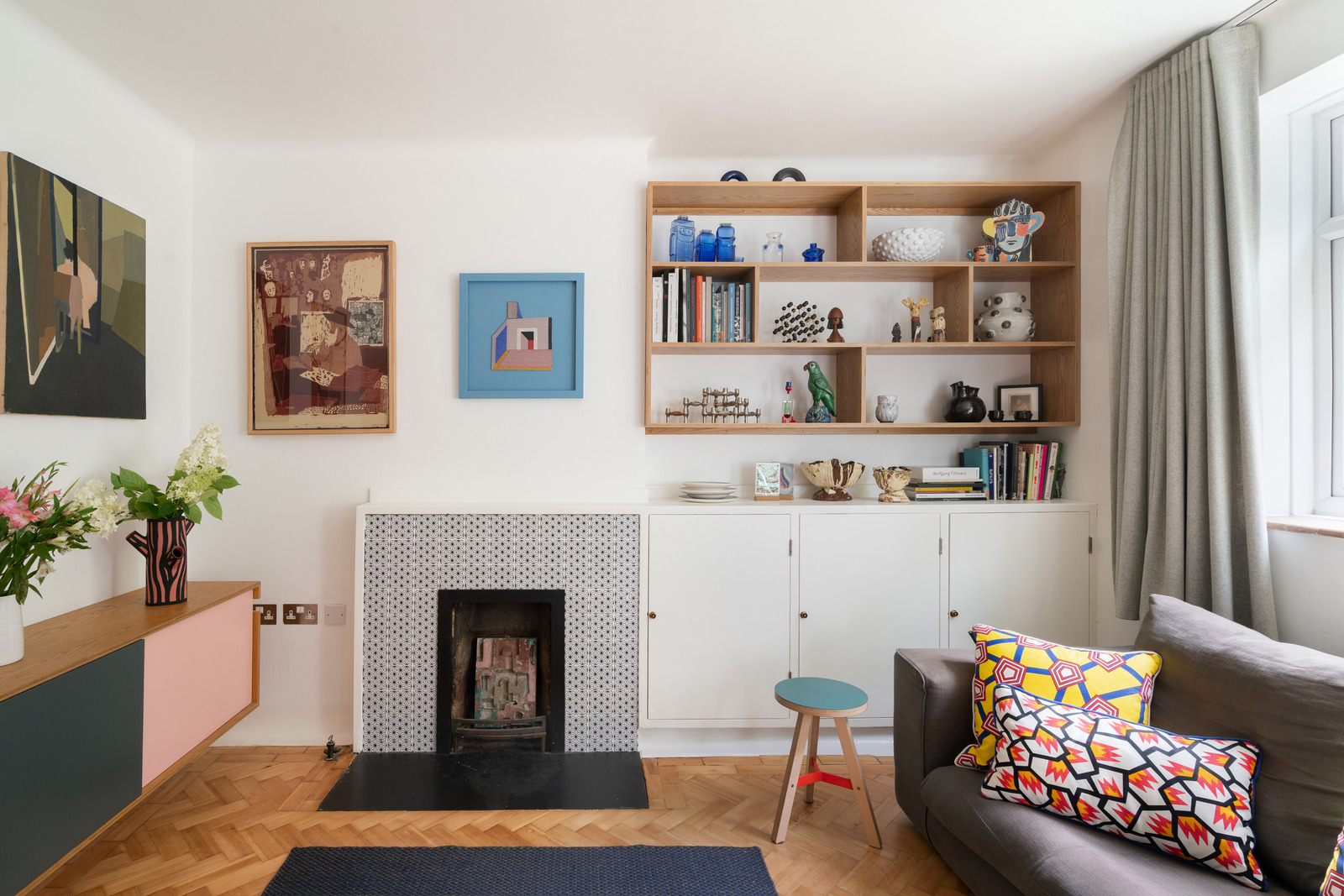
Intriguing objects and pebbles, a rich array of tapestries, carpets, textiles and weavings, and strictly vintage furniture betrays Enid’s deep admiration for both Barbara Hepworth and her affinity with Jim Ede’s approach to life in Kettle’s Yard. But mostly, the house was where she both made and hung her work. She had studied under the Austrian painter Oskar Kokoschka and was friends with John Nash. She wasn’t an amateur. As a member and then chairman of the Colchester Art Society, she exhibited regularly – once, in 1964, in the home of James McNeill Whistler in Westford, Massachusetts. But commercially, she never found success as an artist because she worked full-time. Great Bentley was where she came at the weekend: a place of blessed focus.
Helen carried on visiting her aunt for decades. She recalls that view from the picture windows upstairs, looking out on to the vast green beyond, was mesmerising. “We used to sit upstairs of a night with our wine and watch people,” Helen recalls. “Every year she’d draw some event happening on the green.” Asked whether Enid ever painted her home, Helen shakes her head. She wasn’t interested in buildings. For her, it was all about the landscape, the water and the light. (The titles of her works in the exhibition she staged with Robert Clitherow at The Minories in Colchester in 1978 give as much away: Estuary, Scorched Vegetation, Mud Flats, Roughening Water, Swell ...) “Her museum was the house, really.”