TMH x London Review of Books in ‘a small act of analogue resistance’
November 25th, 2026
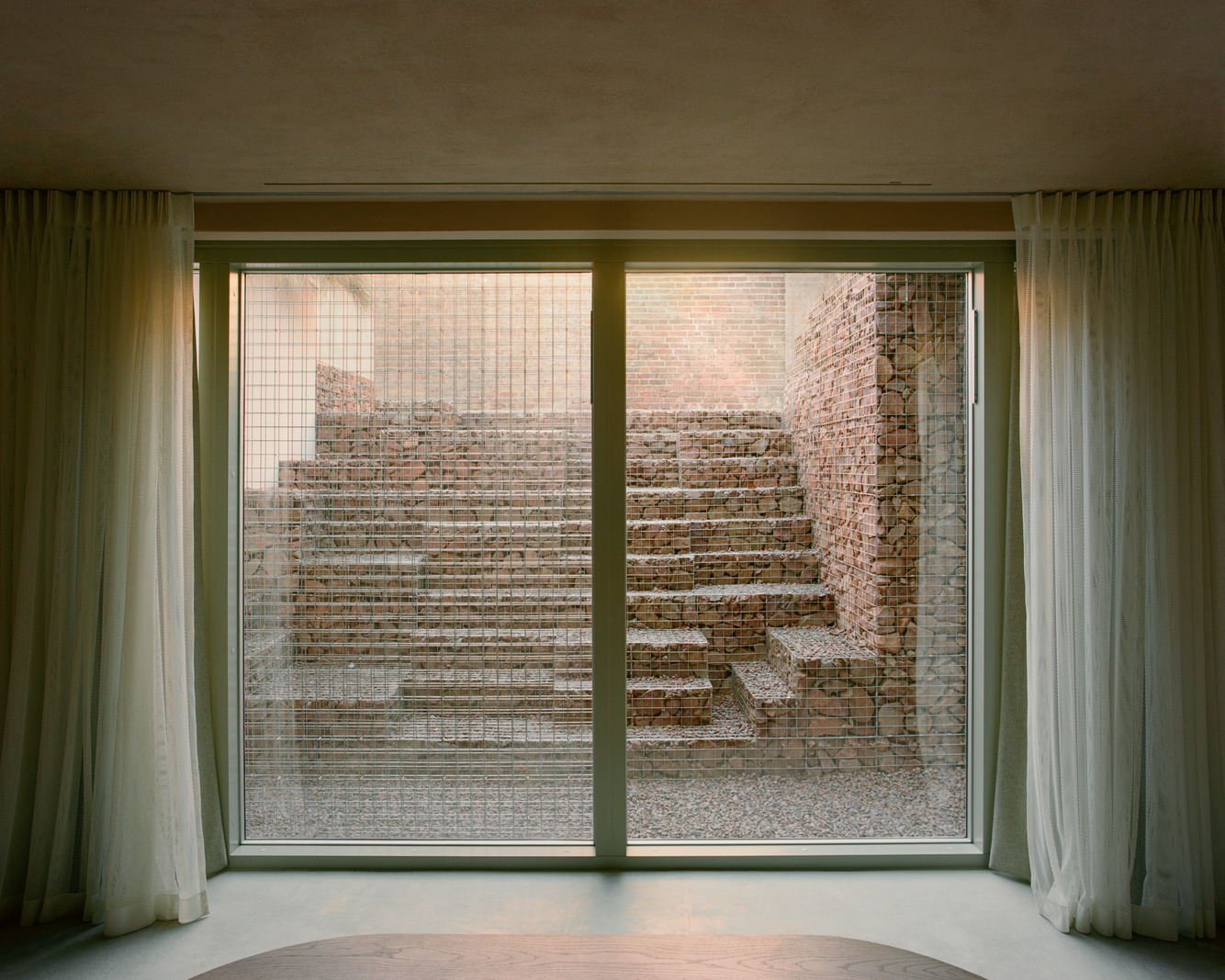
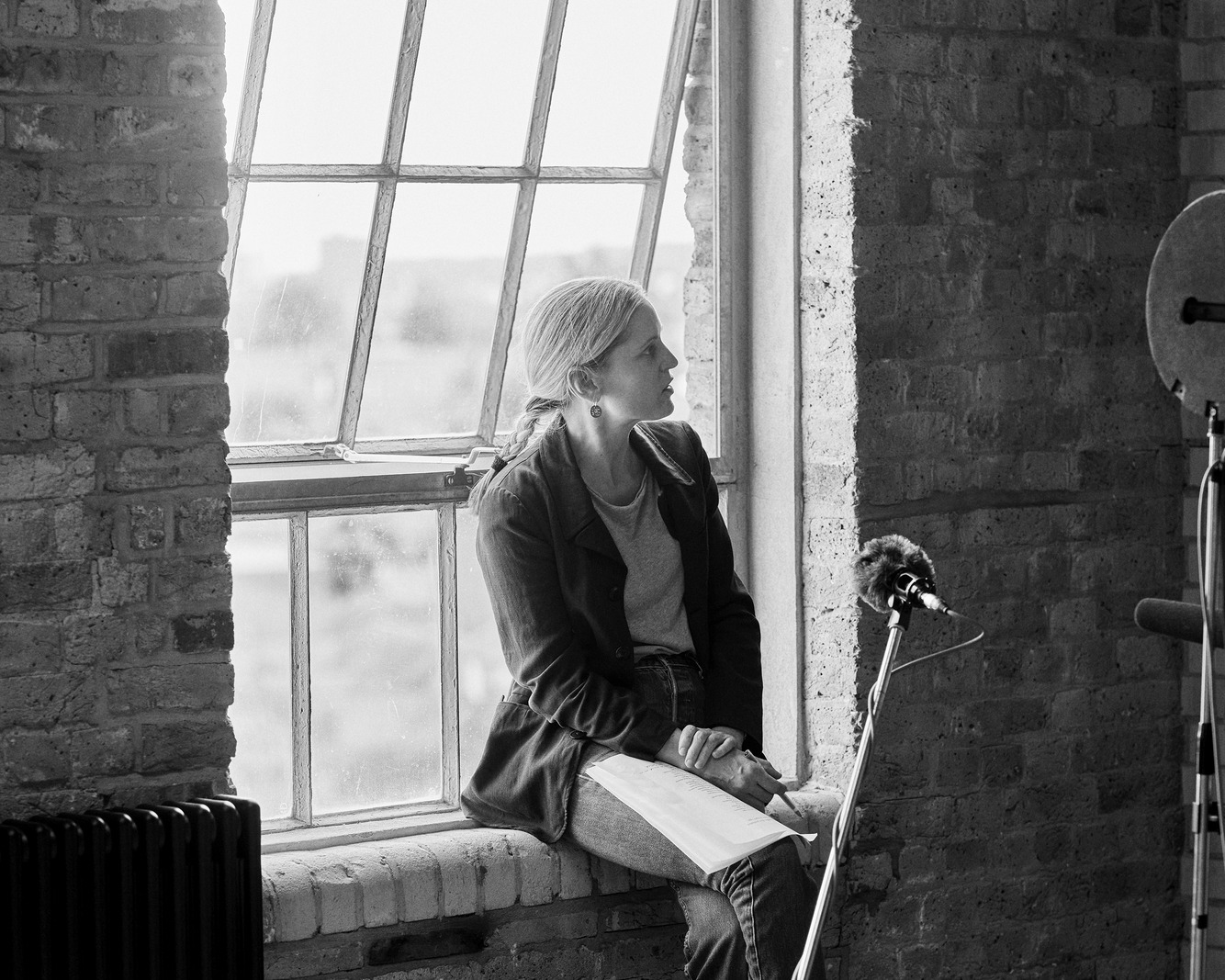
When the London Review of Books asked for the keys to an apartment we were selling in the Alaska Buildings, we were intrigued to hear what they were up to. Here, Sam Kinchin-Smith, the LRB’s head of special projects, explains the idea behind an ambitious listening project that aims to connect poetry and place …
Words Sam Kinchin-Smith
Photography Aloha Bonser-Shaw
Psychoacoustics is the study of how the human ear and brain perceive and translate sound into meaning, emotion and spatial awareness. It is, in other words, a classic example of something most people have quite a profound sense of, without needing to reach for the theoretical term. I hadn’t given it much concerted thought until the London Review of Books decided to mark its 45th anniversary with a series of new recordings of great poems first published in its pages, released exclusively as 7-inch 45 rpm vinyl singles: LRB 45s. One justification for going to the (considerable) trouble of doing this was as a small act of analogue resistance to the rising tide of digital slop. Could a highly considered alignment of text, reader and recording location, painstakingly cut to wax, somehow mean something, make us feel something, greater than the sum of its parts?
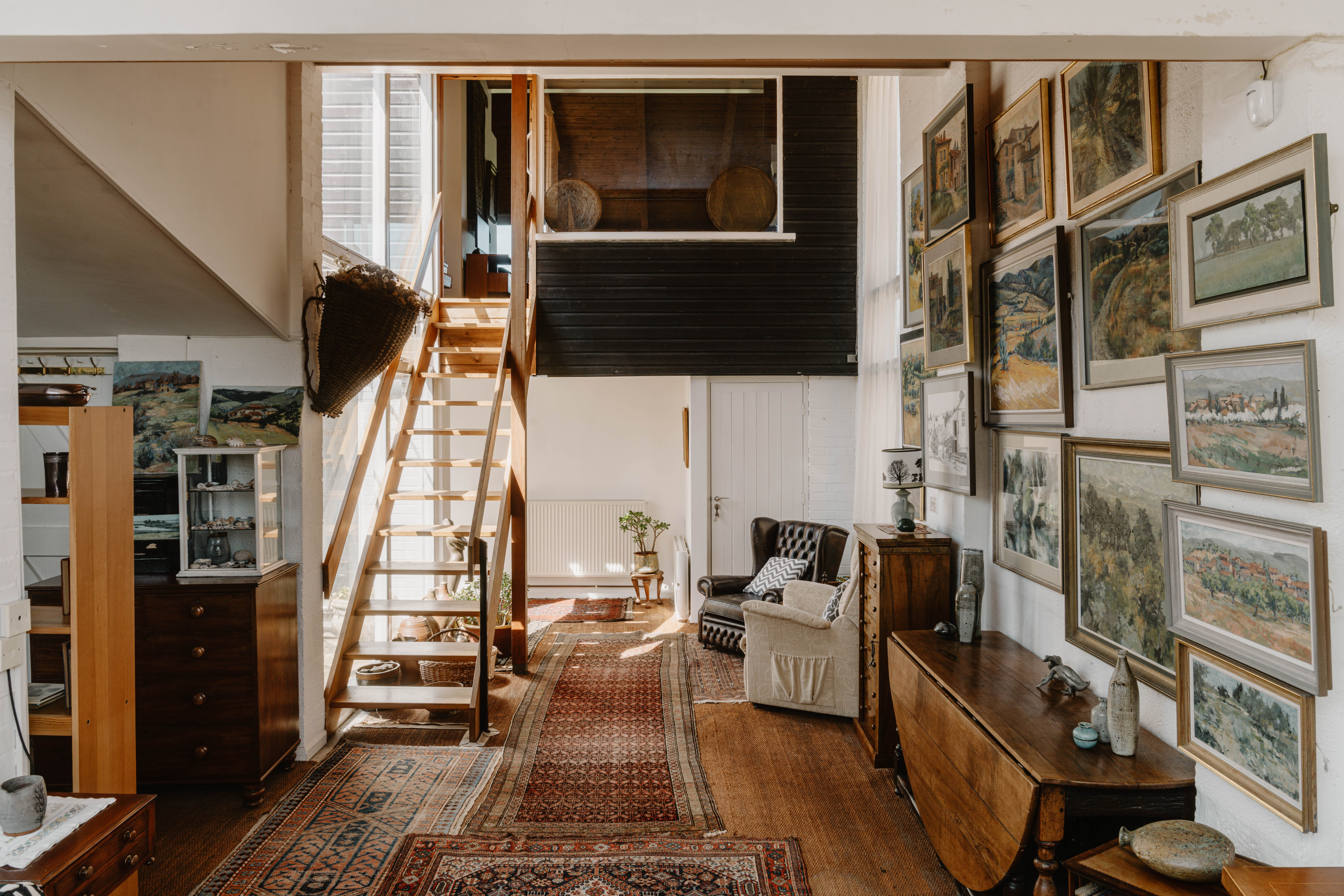
We made the 10th and final recording at an apartment on the top floor of the Alaska Buildings in Southwark, formerly an industrial warehouse at the centre of London’s trade in sealskin furs and a building that, from time to time, appears on The Modern House. I’d found a poem in the LRB archive by a writer named Susan Fromberg Schaeffer, better known (if remembered at all) as a novelist, with the excellent title ‘Ski Lift’. It’s a dramatic monologue, possibly autobiographical, in which the narrator/poet tries to make sense of the absurd way in which her father has died – falling from ‘a ski lift,/In summer, in Alaska’, ‘a place I don’t believe in anyway’, whose faraway connotations are impossible to reconcile with her present state, as her husband breaks the news:
“you might as well
Have been the hunter who comes with a club
And bludgeons baby seals, their bodies,
Were all around me as you talked, it’s not worth being
The messenger, is it, someone had to do it, and all I thought was,
There are six people coming to dinner and my hair is still
Wet, why make up a story like this”
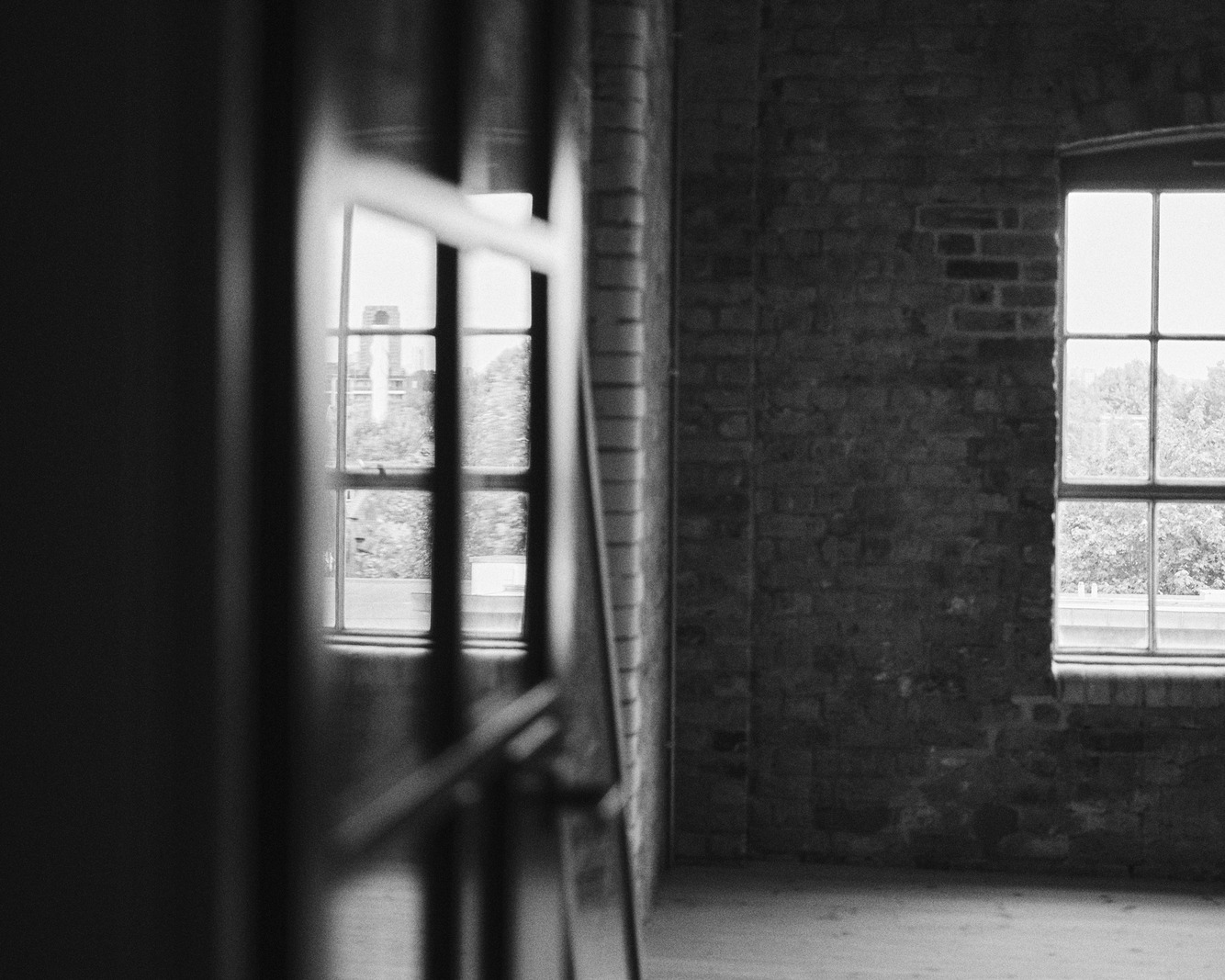
We tried to find locations for each recording in the series that were resonant in both senses of the word. A connection between poem and place would bring a particular charge to the reader’s performance; the acoustic properties of the location and its surrounding soundscape would contribute audible texture to the recording. We recorded Dominic West reading a poem about Byron next to the very fireplace in which the only copy of the poet’s memoirs was destroyed, with the sounds of the street outside drifting in through the window. Maxine Peake read Tony Harrison’s famous account of visiting his parents’ grave, ‘v.’, against a backdrop of birdsong, tree surgery and planes overhead in Highgate Cemetery. Gwendoline Christie’s performance of ‘Wildly Constant’ by the new Nobel laureate, Anne Carson, benefitted from the considerable aura of Sigmund Freud’s study, which made up for its auditory deficiencies as a recording location. Cushioned by heavy curtains that haven’t been opened for decades, the acoustics – or perhaps that should be psychoanalyticacoustics – resembled those of a submarine, or a bunker.
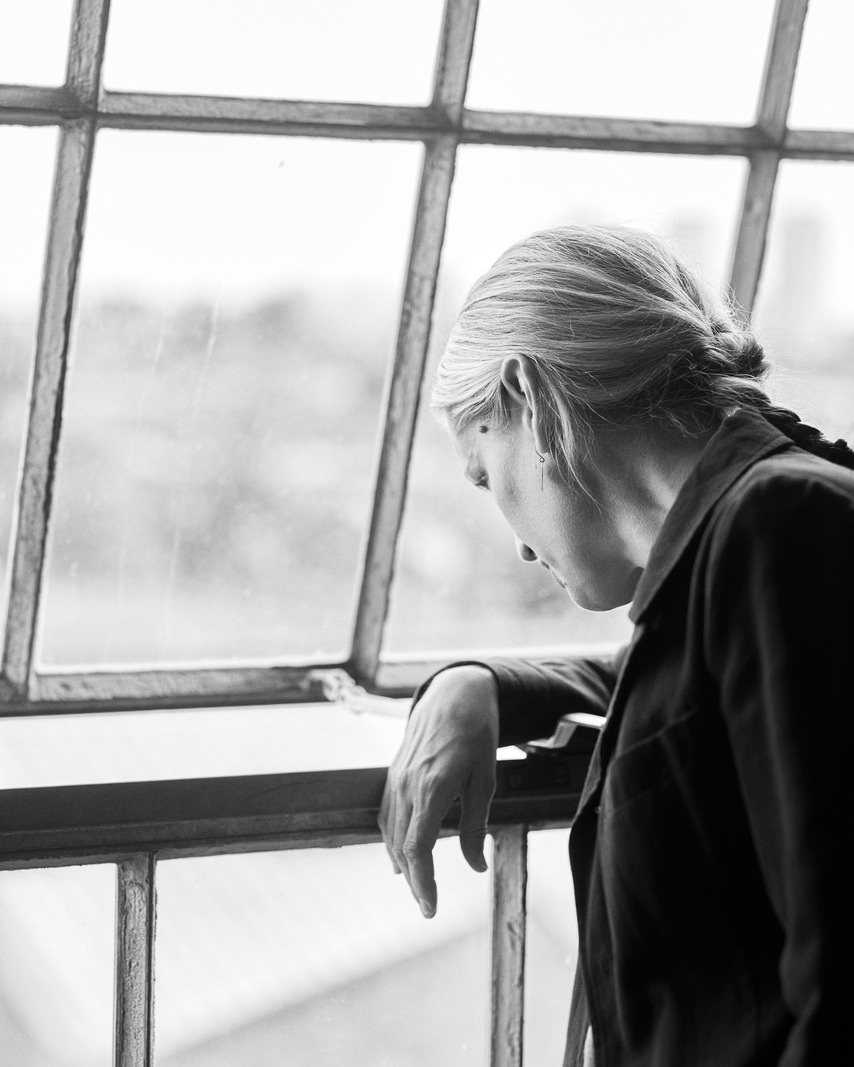
Compared with these locations, the Alaska Buildings felt at first like a bit of a stunt. We positioned our reader, Denise Gough, next to an open window in the apartment’s main living area, to capture something of the sound of the water feature in the courtyard outside, and whatever else floated in. But this effect, which had worked so well for Dominic West’s reading of a poem in which Venice and the weather are always flickering outside, left ‘Ski Lift’ and Denise’s exploration of it in an uncomfortable limbo: between public and private, ironic and sincere, casual and intense. I’d read the poem as a self-aware performance; it quickly became apparent that Denise’s reading of it, as a quiet transcription of private grief, was a much more sensitive interpretation. The particular resonance of the location wasn’t Alaska, it was the fact it was somebody’s home. Like the one in which Susan Fromberg Schaeffer’s narrator, her hair still wet and with guests expected for dinner, discovers her father’s fate.
We closed the window. Denise sank into herself, in the newfound domestic silence, and unlocked the poem in a single take. As the philosopher Gaston Bachelard, who preferred the word ‘reverberation’ to ‘resonance’, puts it in The Poetics of Space: “the house shelters day-dreaming, the house protects the dreamer, the house allows one to dream in peace.”
Of course, making all of this audible in the balance of the recording required the ingenious arrangement of particular microphones and much else besides. A good sound engineer with an acute ear for psychoacoustics is a joy for ever, and ours, whose name is Andy Groves, deserves the last word.
Volume 4 of the LRB 45s, which includes Denise Gough’s reading of ‘Ski Lift’ at the Alaska Buildings, is released today, and is exclusively available at the London Review Bookshop and online from the LRB Store. Its release will be marked with a listening party at the bookshop tomorrow night, 26 November from 7pm. Tickets are £1.45
With thanks to the owner of this top-floor apartment, who generously welcomed the LRB team into his home. We are currently selling a second-floor apartment in the Alaska Buildings.