'Nature moves gently through': the daily rhythms of a Welsh countryside home, now for sale
July 8th, 2026
Words Ellie Evelyn Orrell
Photography Katarena Joy and Leia Morrison
It’s a rainy day in early summer when I sit down to write about life at Sorrento. I’m sheltered in the front porch, watching silver sheets of rain drifting over the landscape. Resting my back against colourful stone veneer and my feet on speckled terrazzo. The jasmine is growing up towards the porch and there is a single foxglove swaying wistfully in the breeze. The feverfew, which is in flower, has taken over and is attended to by all kinds of insects. Honey bees and cabbage whites moving in unhurried patterns between the plants. The blackbirds have been making nests in the hedges for years and yesterday we saw a fledgling hopping around the garden. It has now gone into hiding beneath the elderflower, waiting to be grown enough to fly.
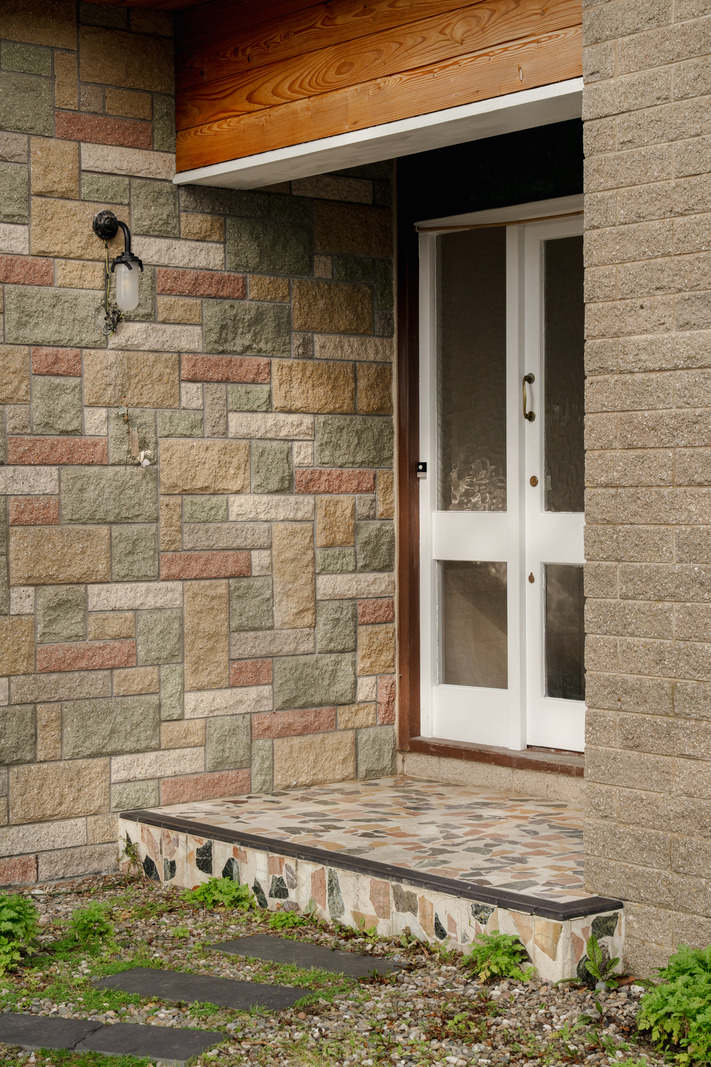
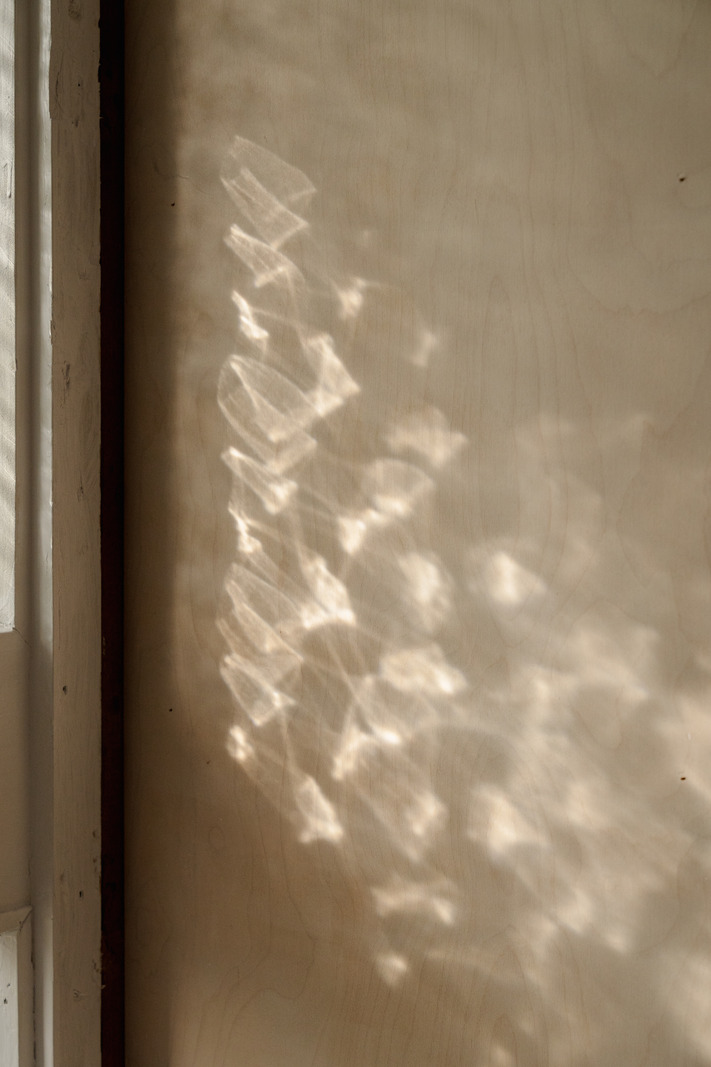
The rippled glass of the front door is catching a few rain drops and reflecting the white sky. Inside, it casts water-like patterns onto the plywood walls of the hallway. There are only subtle separations here, between indoors and out. Nature moves gently through. These were the ideas of Rural Office, who thoughtfully considered the use of materials and lighting to create a space which is open, flexible and in harmony with the surrounding landscape.
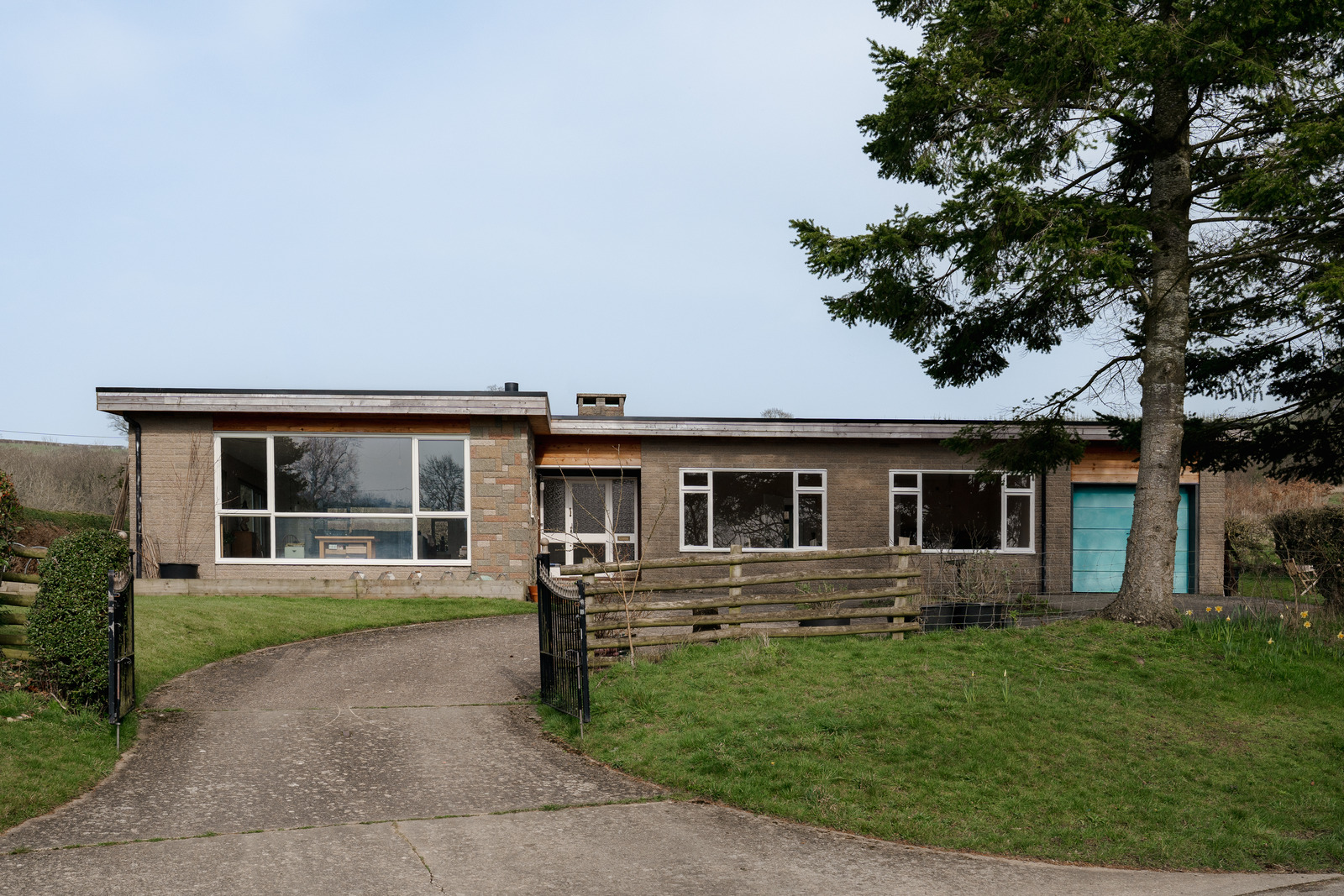
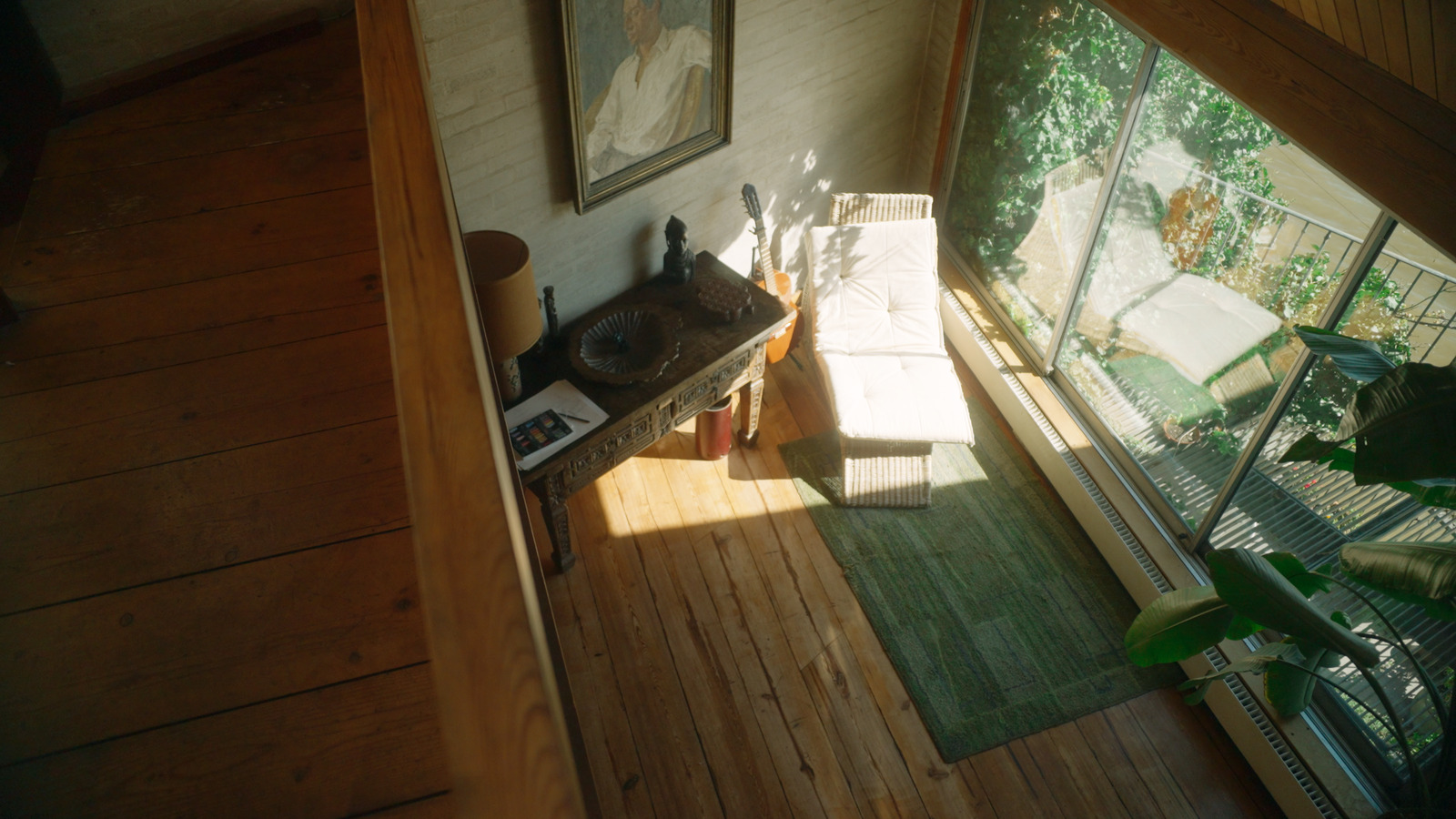
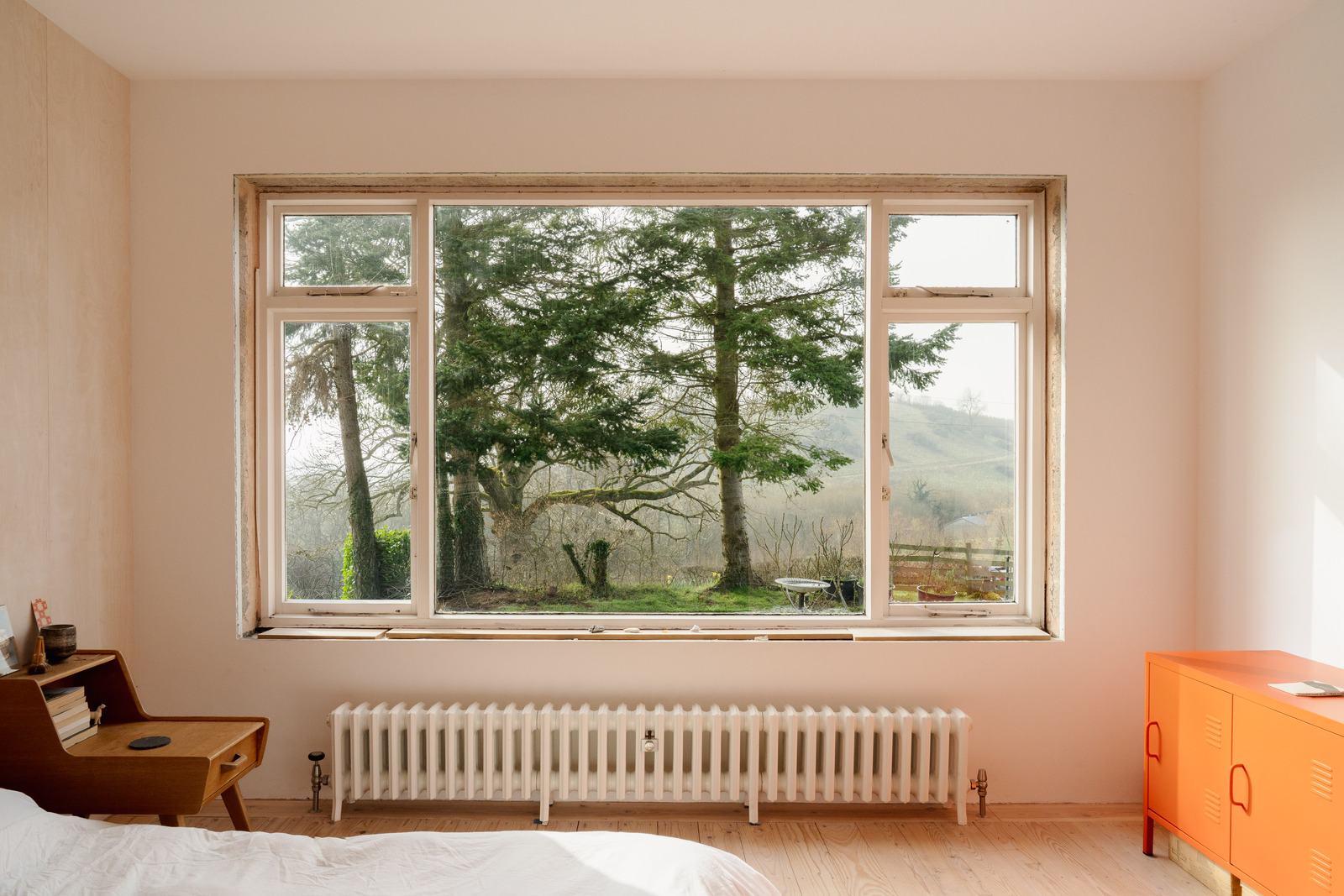
The landscape wraps itself around the house and the generous windows in each room offer a variety of perspectives out onto it. You are rarely without natural light here. On cloudless nights when the moon is full, you can walk through the house without needing to turn on a light. You might also glimpse barn owls diving to catch mice in the front field or shooting stars darting across the sky.
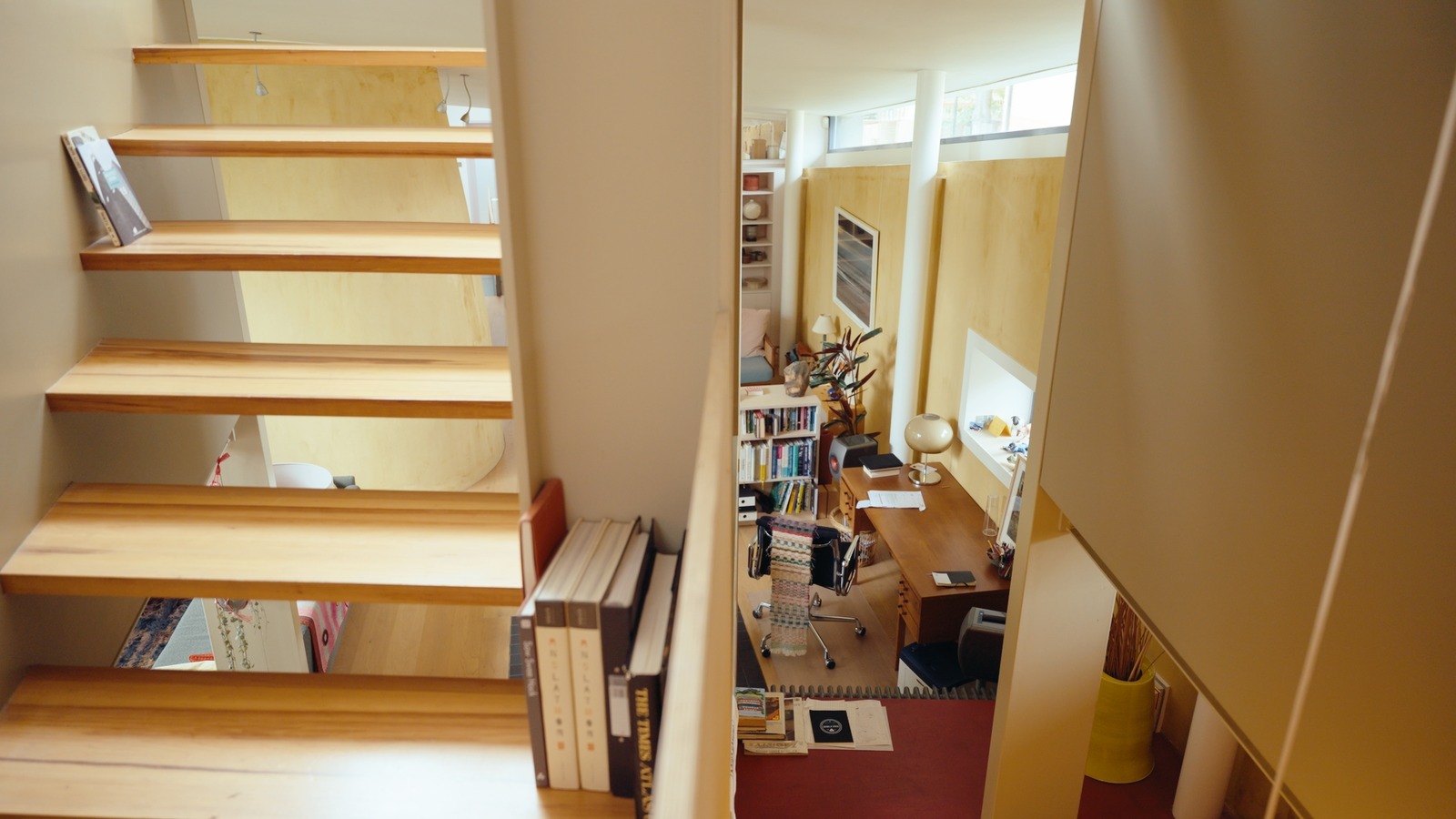
The daughter of two artists, I have always been acutely aware of light. I grew up watching my mother working in a small loft studio from a desk placed directly under a skylight. When my parents moved to this house around ten years ago, they quickly pulled up the turquoise carpets and replaced the grooved wood wall panelling with birch ply and plaster. The bathroom – which was previously also turquoise – is now tiled with pale stone. It has a deep, stone bathtub from which you can watch the blackbirds flying to and from their nests in the hedge. Each decision made was a conscious effort to bring ever-more light into the space.
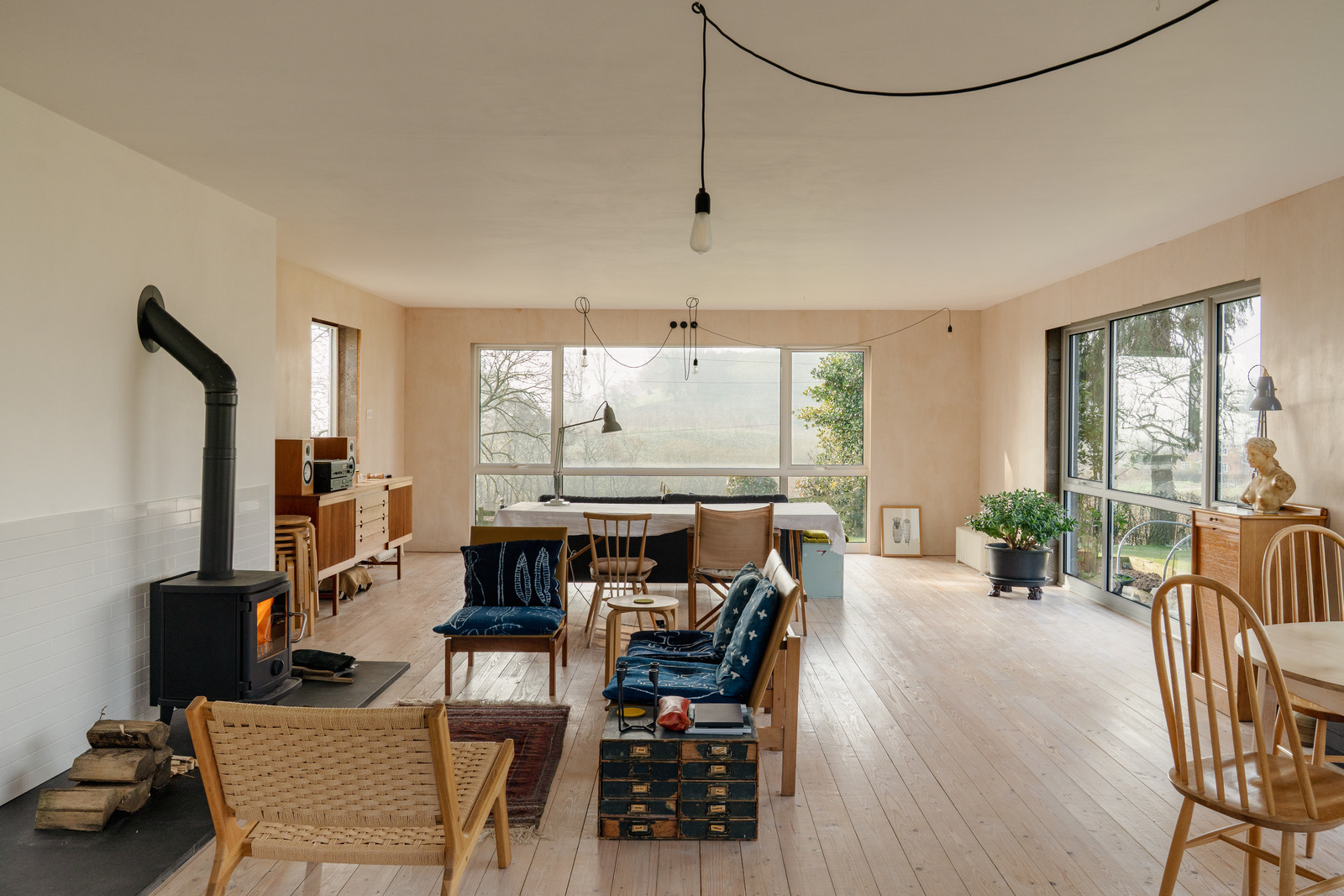
It is a house in which to experience the seasons and notice as they change. The soft greens of spring moving through to the quiet taupe of winter. The leaves of the ash tree dancing all summer then scattering in a sudden blaze come autumn. I have watched these steady changes from the kitchen table where I sit to work most days, accompanied by a jar of snowdrops, daffodils, lilacs or harebells depending on the time of year. Glancing up you’ll see murmurations of fieldfares and hovering red kites. Today, I look over to the vegetable beds which curve around one side of the house and are filled with courgettes, beetroots, frilled lettuces and climbing peas. The borage is covered in a spray of blue flowers.
Over the road, the field has been planted with cherry trees and the pale clouds of blossom are visible from the living room all through March and into April. In summer you can gather the cherries and although they are the kind that are more stone than fruit, they make a perfect jam or quick snack along a walk. Beyond the cherry trees there are brambles, meadowsweet, hazelnuts. A few strides from the doorstep you’ll find a whole larder of wild food.
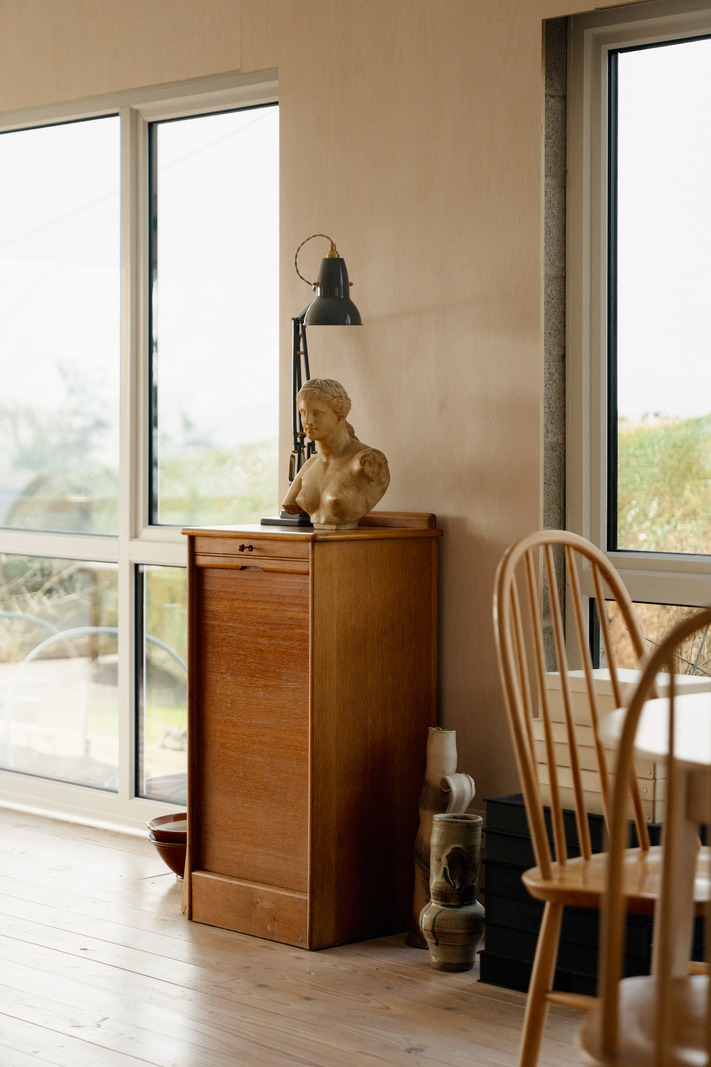
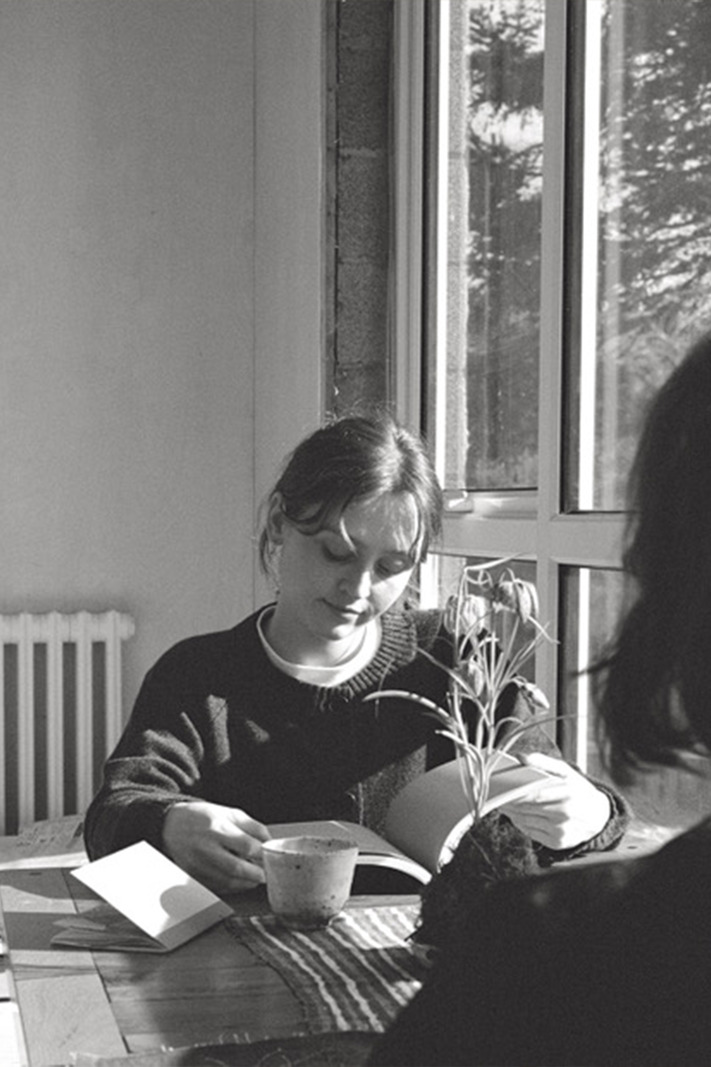
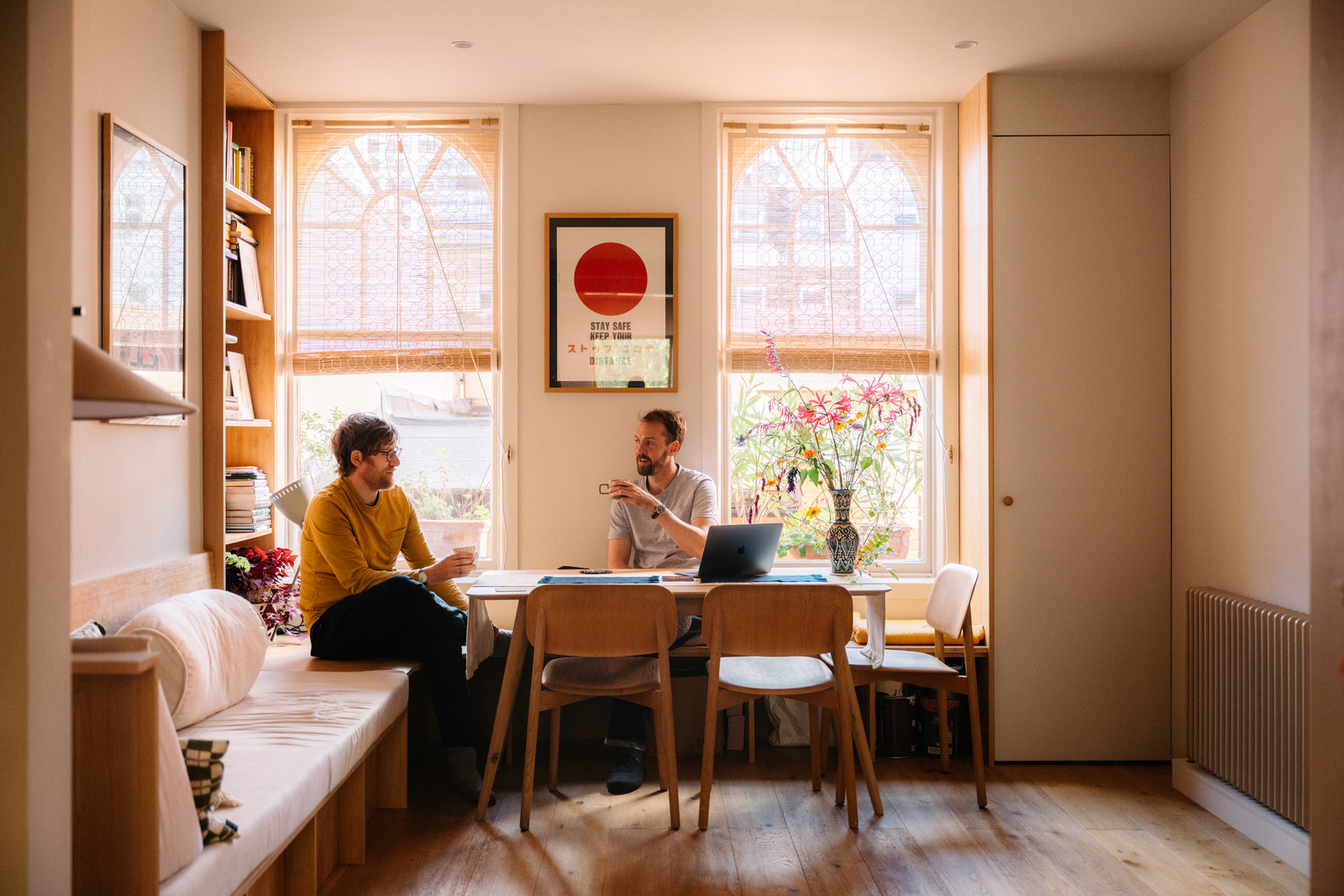
You can learn a lot from living in a space – the way the light falls and illuminates the perfect spot to sit for morning coffee or to read a book in the last rays of sun before it sinks below the hill. Working from home brings these things into relief. Like the sunlight, I can move around the house over the course of the day and feel entirely refreshed by a new seat or view. I have always felt that this was a house to live and work in. There is enough space to allow for both.
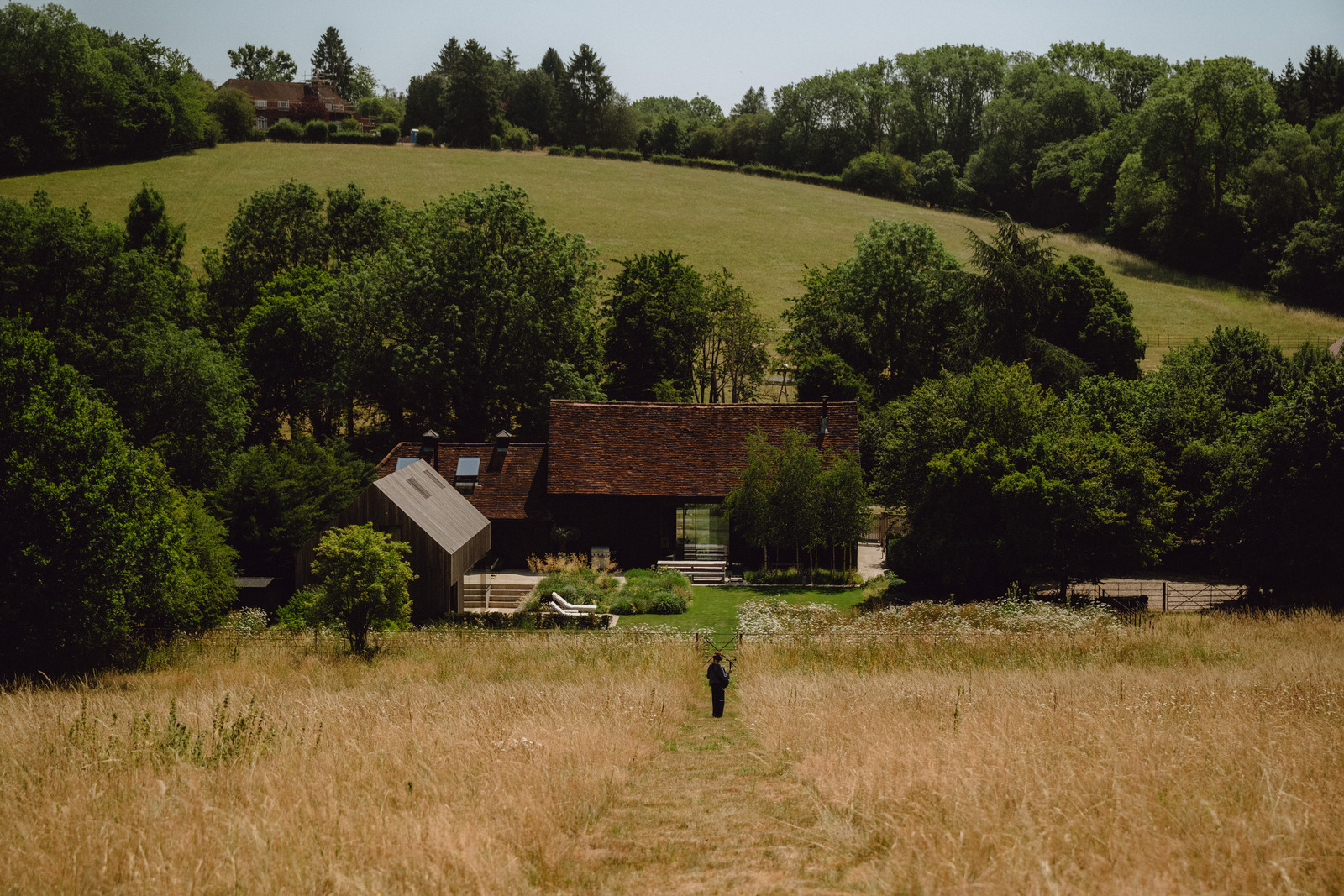
I moved here four years ago, needing a retreat from London and space in which to consider my next move. For a while I thought of the house as a temporary place, convinced that I had moved home briefly before going elsewhere. However the universe had other plans and I stayed longer. I found myself building a life here – running indigo workshops in the garden with my mum; writing a book about our walks over the fields; working occasional shifts at the village pub and realising that although many things in our lives might be temporary this doesn’t make them any less valuable. As I poured beer and allowed it to settle, people often told me that they remembered the house being built in the late ‘60s. Their stories conveyed a sense of its unique place here; a piece of modern design tucked behind the trees and lying low in the landscape. Driving past, you might easily miss it. Noticing only the glimmer of sunlight on glass at the very last moment.
In Welsh there is a term, cynefin, which loosely translates to “a familiar place” but connotes a deeper sense of belonging that can be difficult to articulate in translation. It is a word that accounts for the way a home might be composed not simply of rooms but of all of the other things that surround it. The fields, hills, plants and people. The rhythms of a day that anchor us to a place and imbue a sense of fulfilment in the peace we might find in whatever place we call home. It’s nice to imagine that this space, which has been so wonderful to live in, will one day find new meanings and routines. There is something beautiful about the continuity of a house – the idea that a place can grow and change over time when met with different hands and minds.
• Ellie’s latest book, Gathering Days, is out this August (University of Wales Press, £14.99)