Inside architect Ben Allen’s modernist ‘cottage in the sky’
February 13th, 2025

This article is more than a year old and may contain information that is out of date. Sorry about that.
Words Cat Olley
Photography French + Tye
There’s a certain irony in recalling Joni Mitchell’s adage that “you don’t know what you’ve got ‘til it’s gone” at Keeling House – but this brutalist Bethnal Green landmark is another lucky survivor. “Tower Hamlets council was going to demolish it in the 1990s,” explains architect Ben Allen, who lives here with his wife Frances, and their young son. “They levelled two neighbouring low-rise blocks, also by Denys Lasdun, which never seemed to get much credit, but there was a preservation order put on this one last minute.”
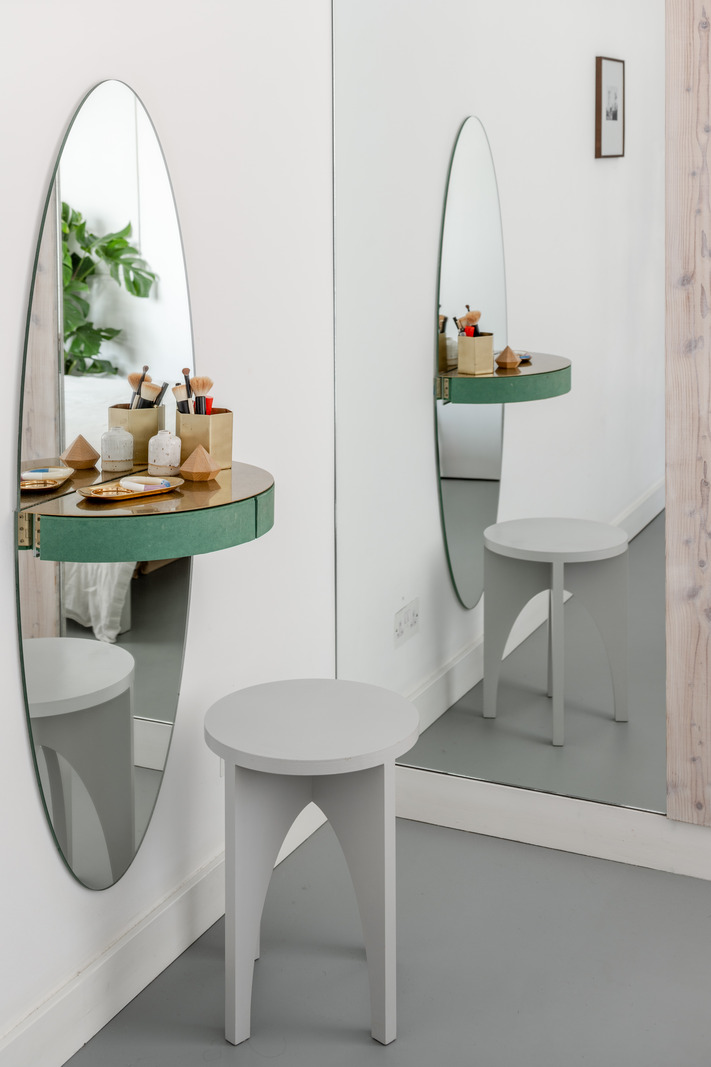
Ben and Frances arrived in 2016, almost two decades later. “We had very different ideas of what we wanted – it was either going to be a total wreck, or something fun and architectural that didn’t need much work,” says Frances. Their slow renovation was limited by what can be done with a listed building with concrete walls, but carried out with an architect’s verve. “We spent ages trying to work out the mirrored cabinet in the bathroom so when you came up the stairs you’d see an infinity of arches, but I don’t think anyone’s ever noticed,” laughs Ben. As the flat comes on the market, the couple reflect on the home they’re leaving behind.
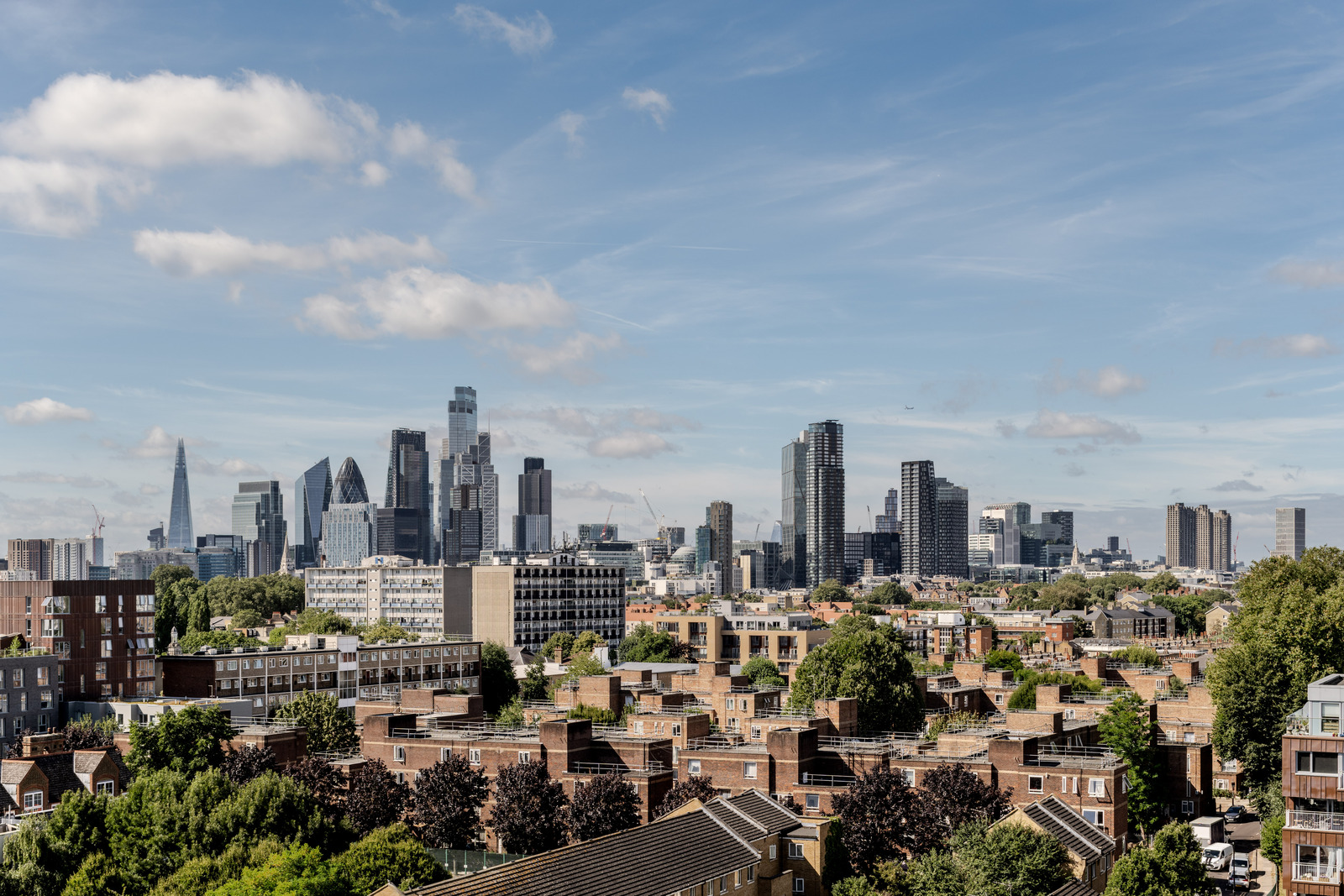
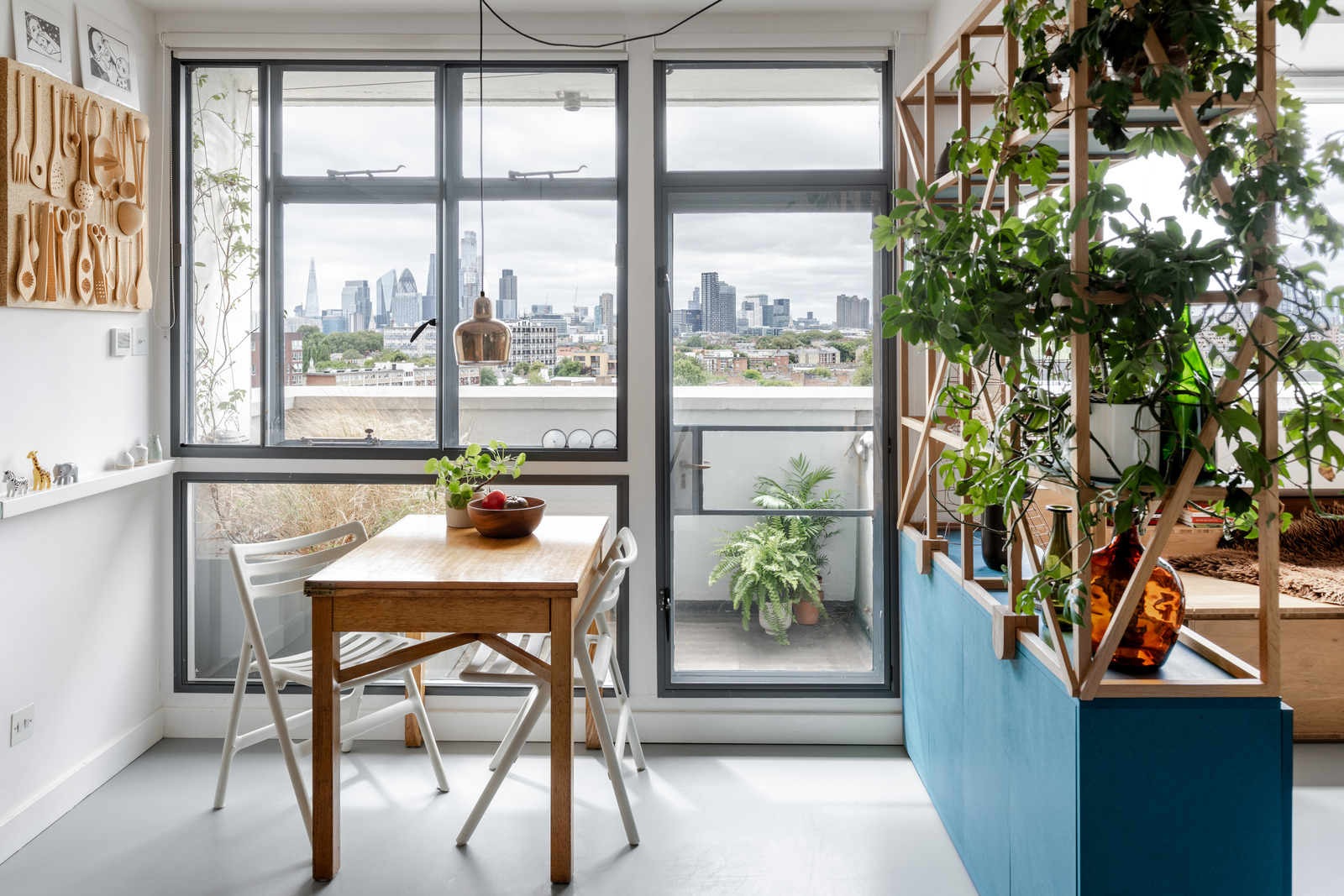
Frances: “We’d put an offer on another place first. That one ended up having subsidence and other complicated issues. Then we saw that one of the flats in Keeling House was for sale. As locals, we'd always dreamt of living here. When we bought it, it was very minimal with bleached floorboards and all- white everything – but it had these incredible views. We’d been looking at all these grotty basement flats so it felt really special.”
Ben: “We decided to make our lives easy. Frances works nearby, I knew I could get a studio, we had a lot of friends locally. The area’s quite unique even by London standards, and the building is very community minded.
“The building was designed in 1959, so it’s pretty early in relation to something like the Trellick Tower. A lot of the mid-rise 1950s blocks around here took a very standard residential typology for that time and just stacked it up, but I think Lasdun was trying to make something that looked more modern.
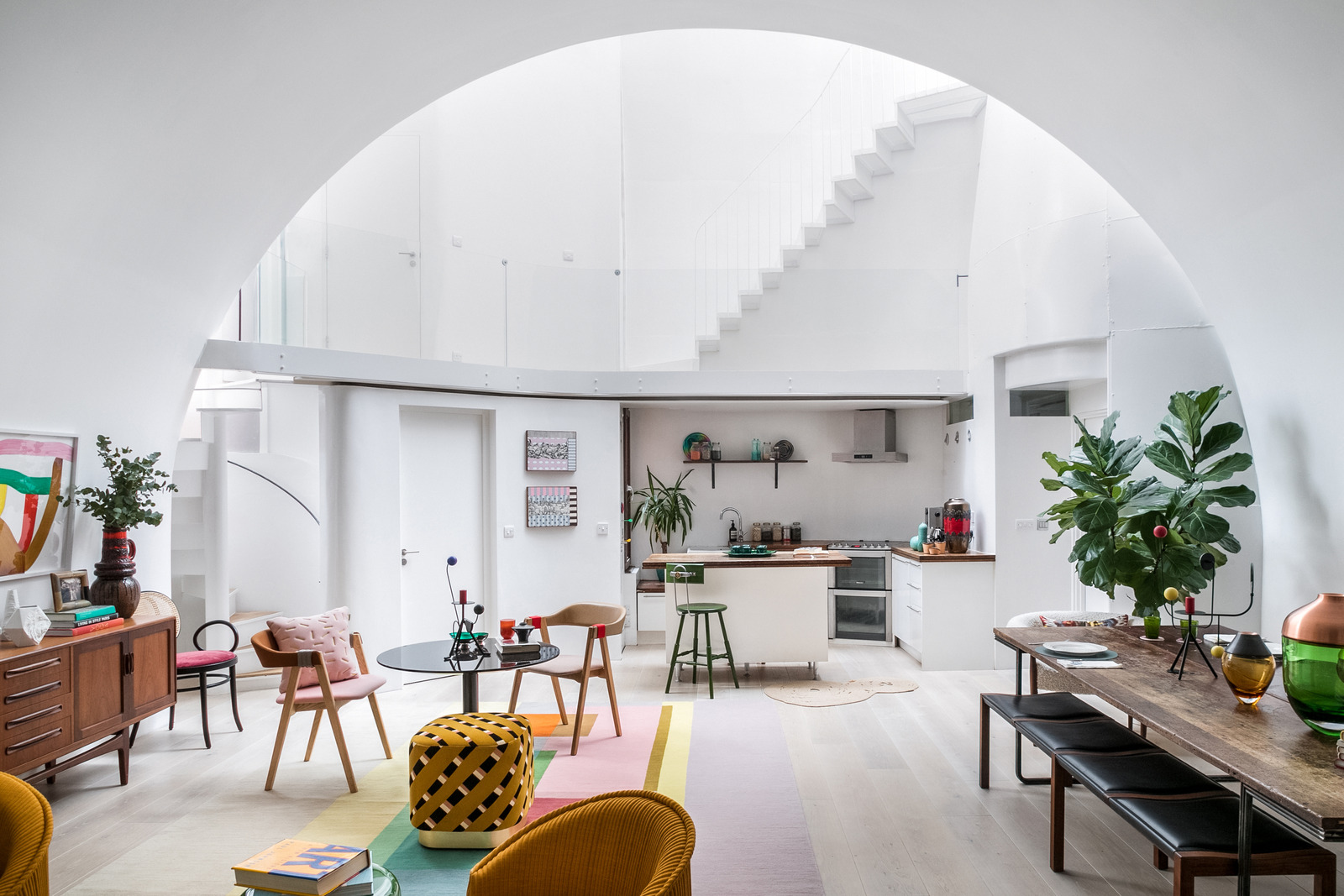
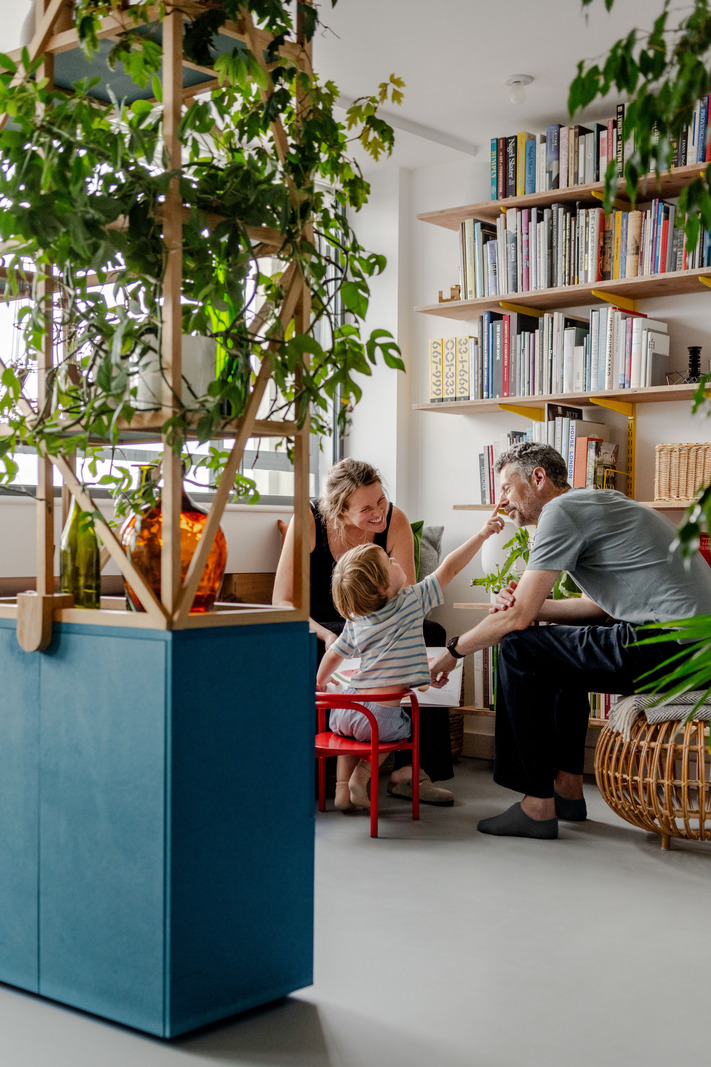
“That said, these are almost like cottages inside, because they’re maisonettes and they have really charming proportions. I always think of them as cottages in the sky. It’s a sweet size.”
Frances: “We had this mad idea of buying the flat above and turning it into a four-storey house, which would be pretty amazing but presumably not allowed. In the end the renovation was about two years, from beginning to end.”
Ben: “The flats were done up in the late 1990s, when the building was sold to a developer. They painted everything white and, other than new kitchens and bathrooms, spent most of their efforts on the Crittall windows, which are part of the listing. We got some Crittall specialists to come in to do the seals on the windows, and these two guys in their 50s turned up and realised they’d spent a summer in the 90s shotblasting the frames for the whole building. It's testament to their work that they are in such good condition today.
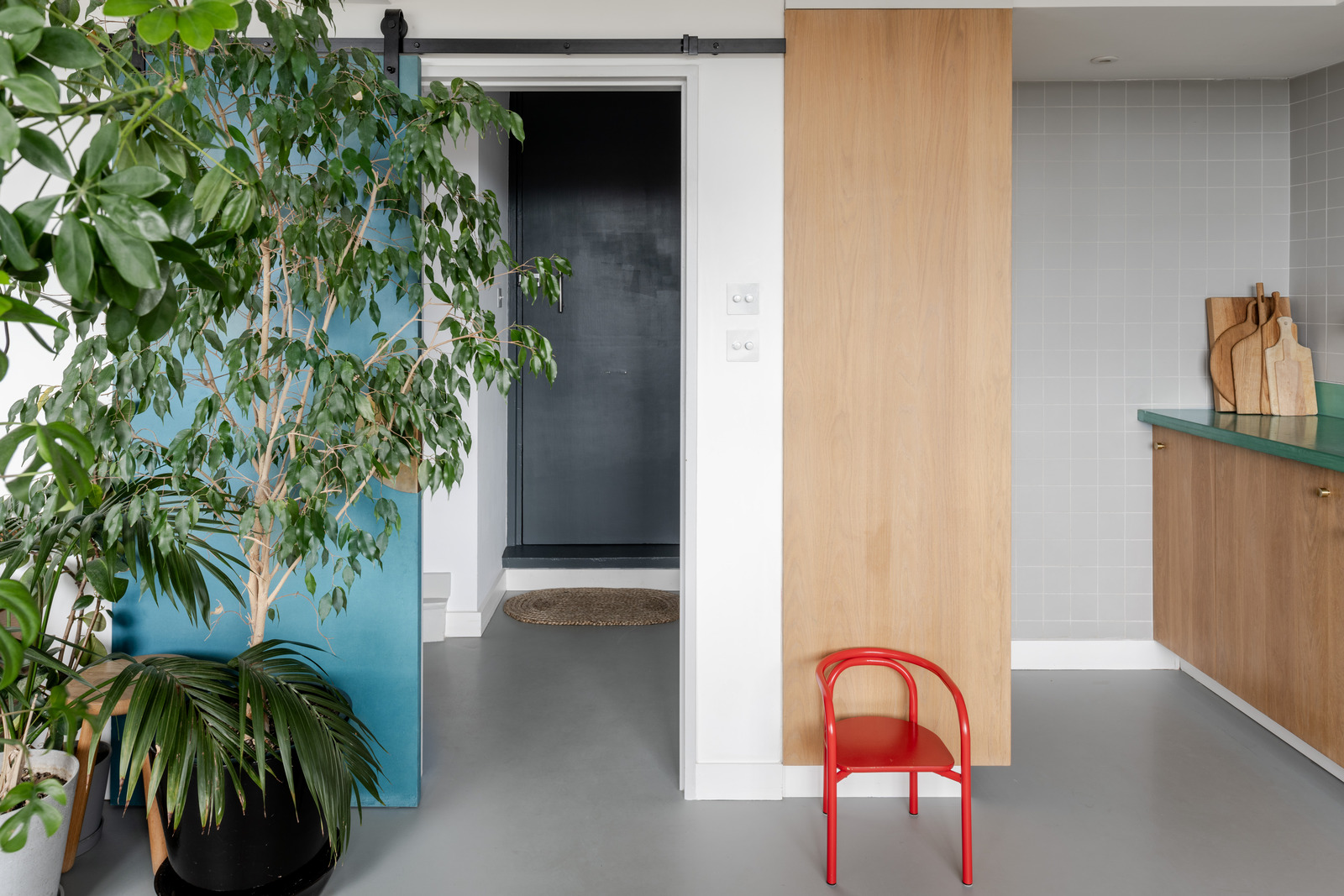
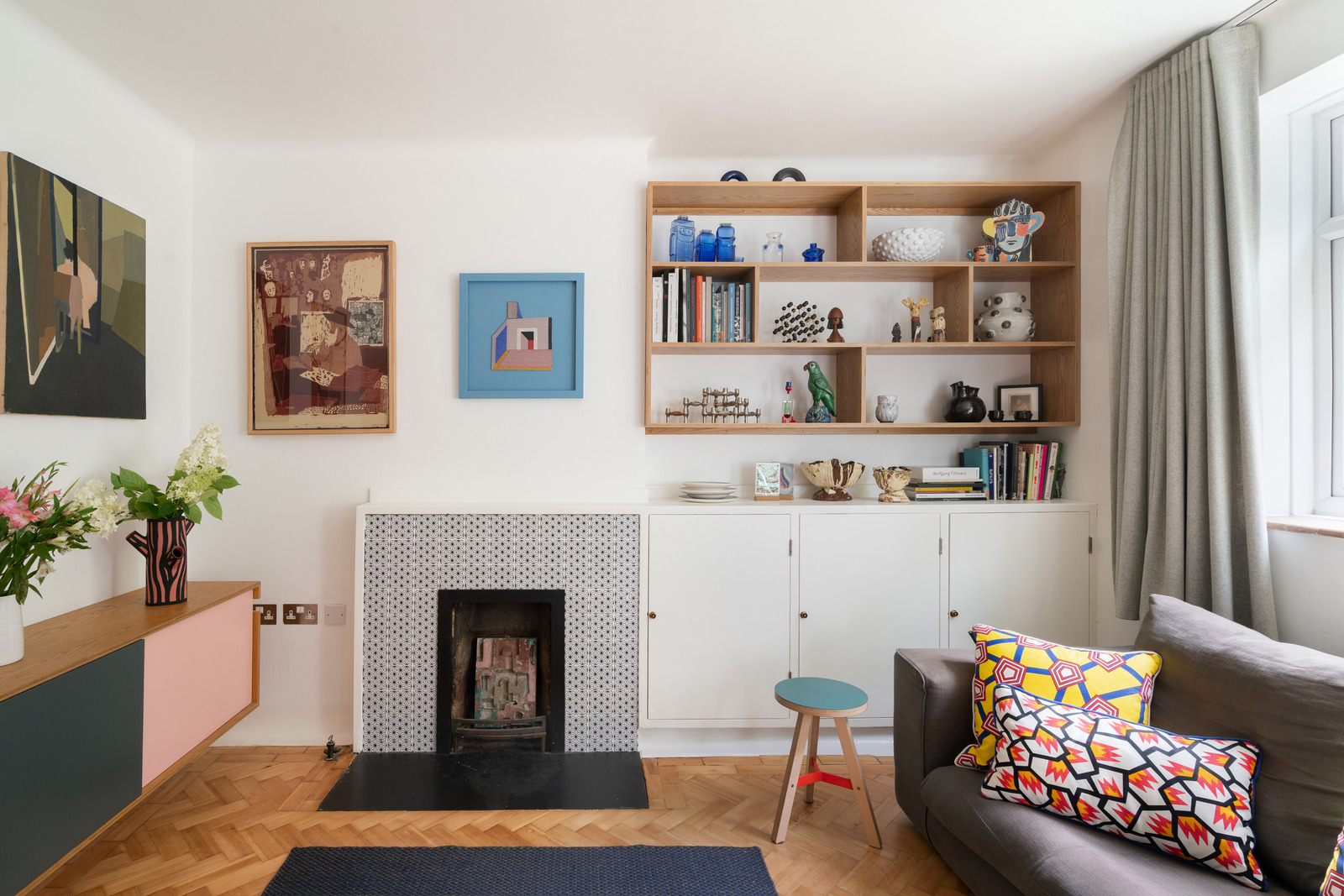
“I think a lot of people feel like, ‘Well, it’s a modernist flat, so let’s keep the walls white and put an Eames lounge in the corner’, which is very nice, of course, but I quite liked the idea of introducing a bit more warmth, a sense of refuge. A lot of old modernist architecture was photographed in black and white in quite strong light conditions, so it looked like it was all white. A lot of Mies van der Rohe’s work was in pastel colours …”
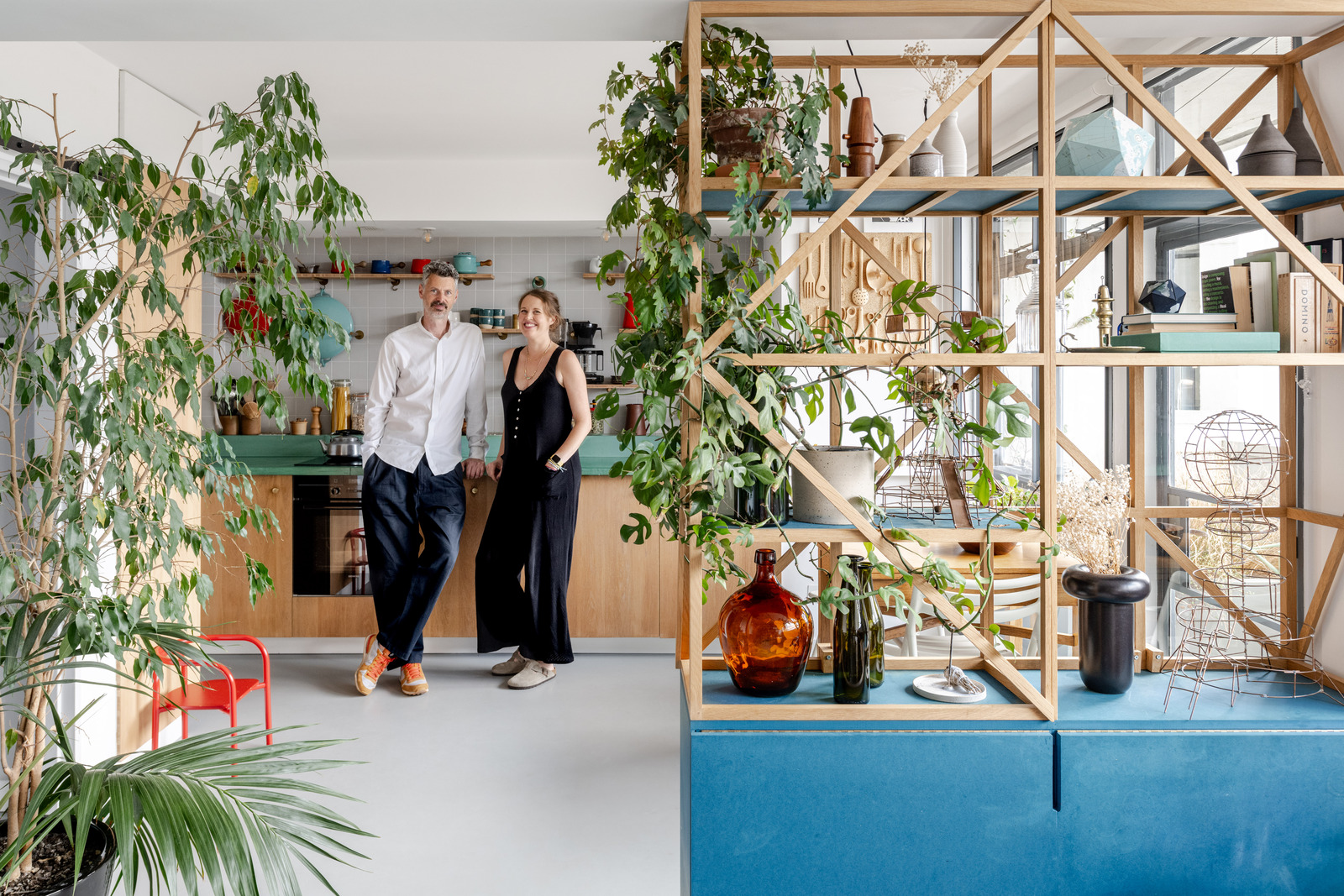
Frances: “Before we added the partition unit on the lower level, the space felt undefined – it was almost hard to know how to live in it. We deliberately wanted to lower the light levels slightly, and bring in colour and texture.”
Ben: “I love using colour, but the biggest issue is how it ages. Colour theory is one thing; colour fashion is quite another. It can be problematic as an architect, because you want something with longevity, which is why I like muted primary colours.
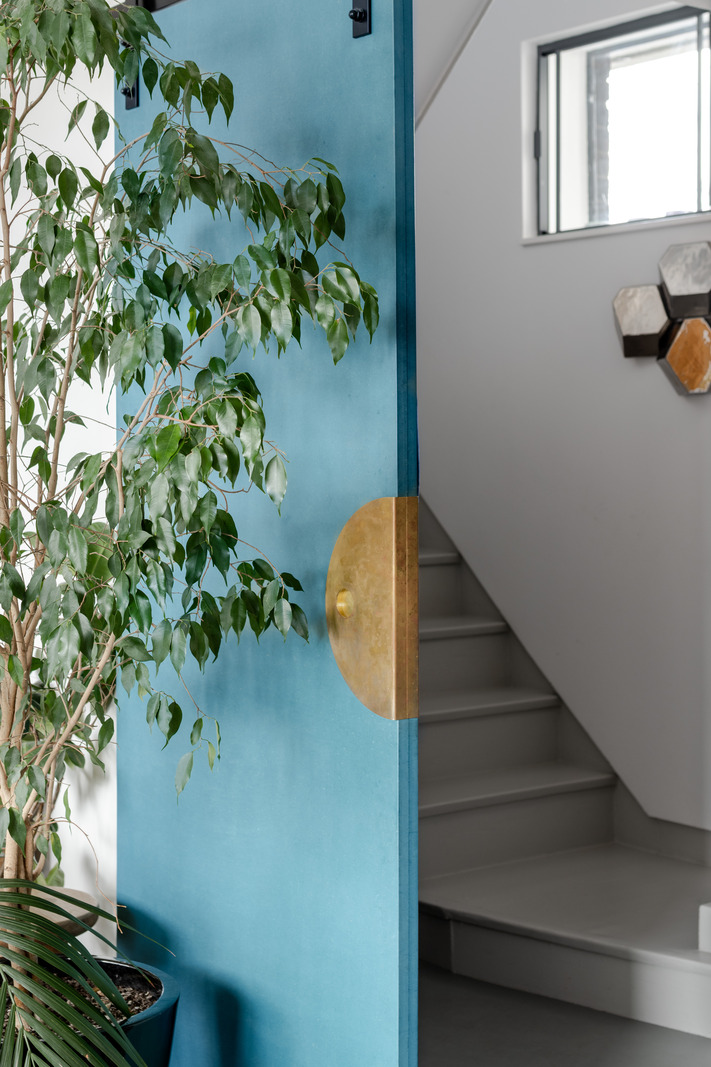
“The floor is a poured resin which is incredibly durable. We put in electric underfloor heating, which was one of our best decisions, and insulation on all the exterior walls. The previous owner had already put in secondary glazing.
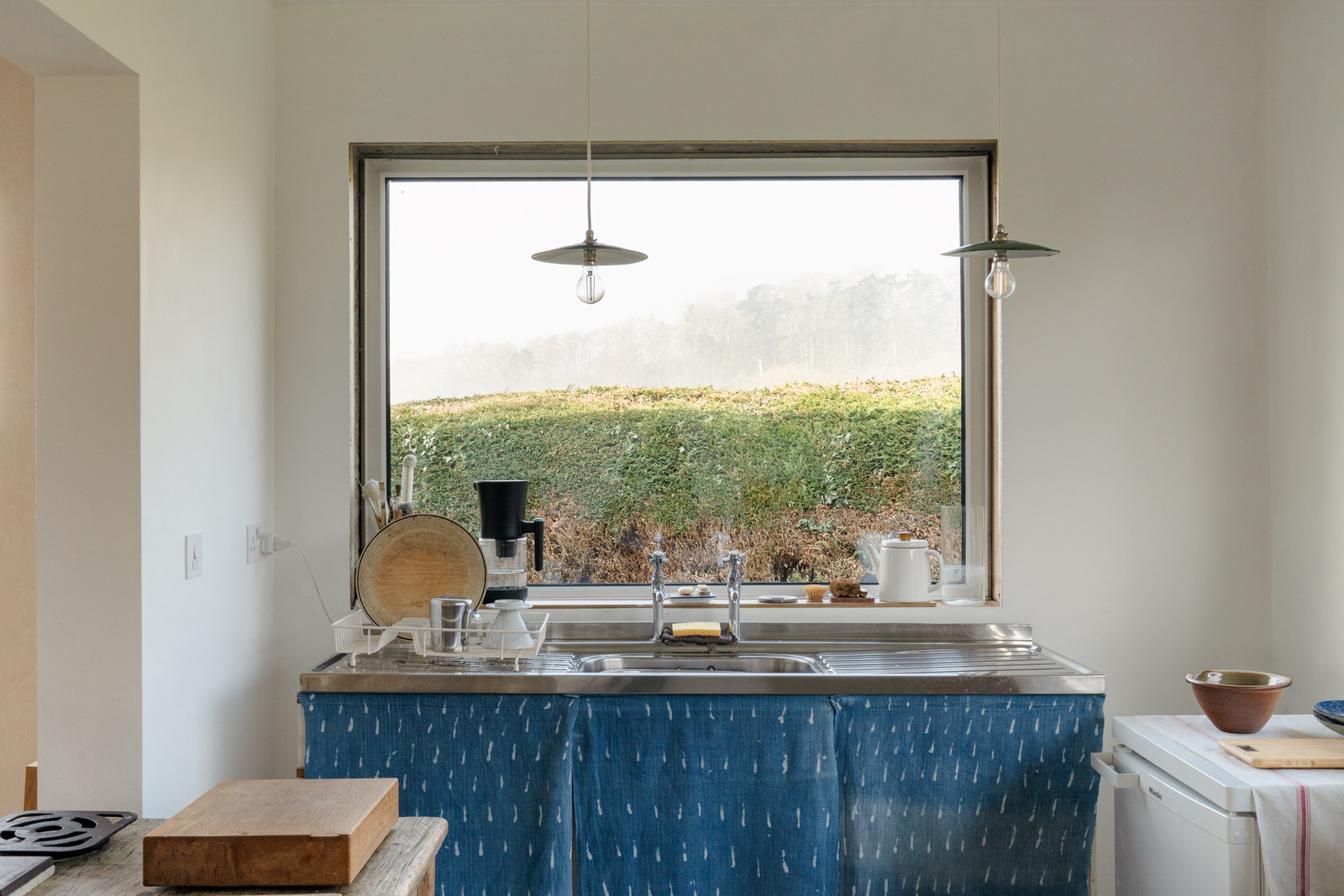
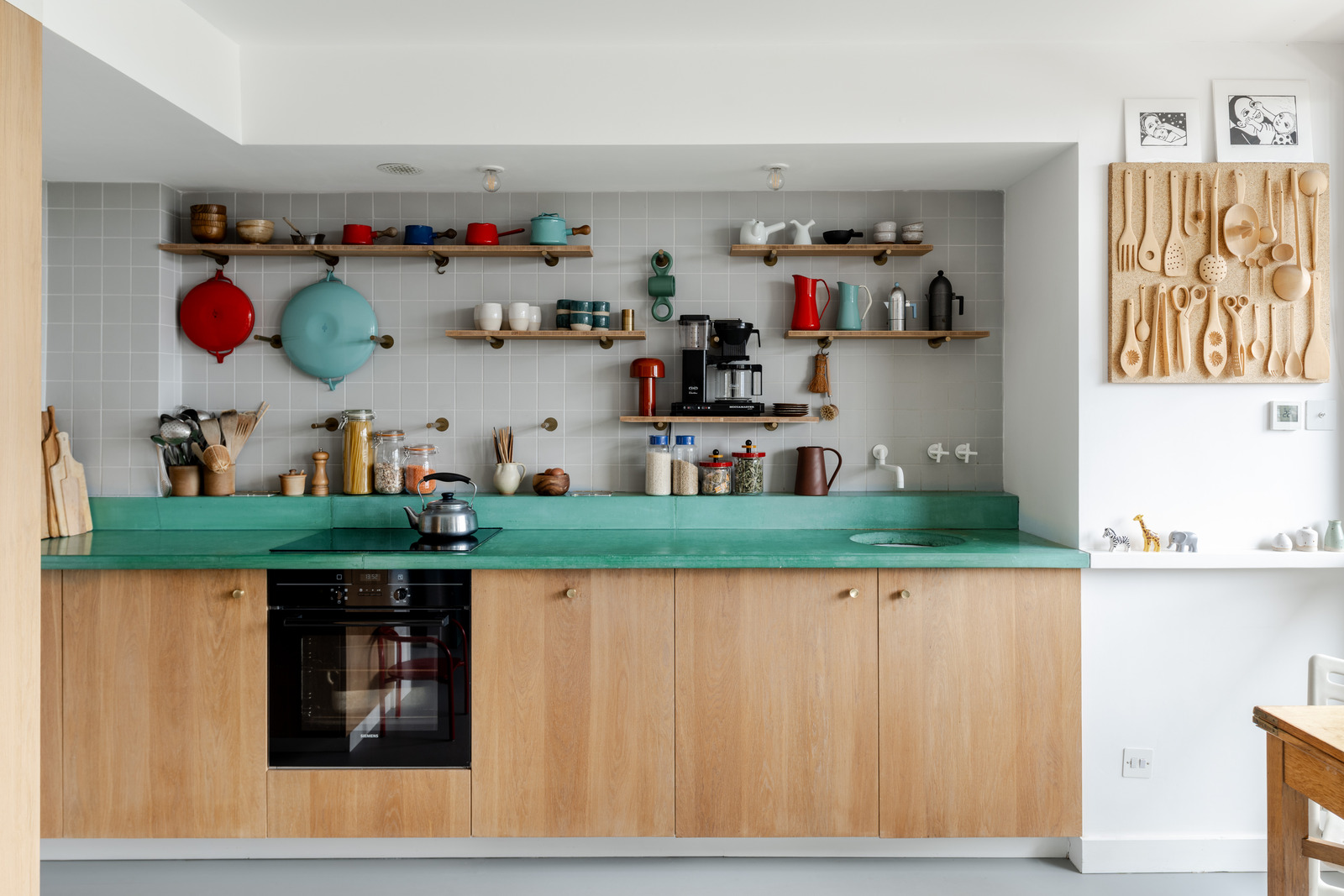
“The kitchen was originally L-shaped, which I tend to find impractical as you always end up with a dead corner. We’ve got concrete countertops that our builder made himself. We decided not to use a heavy-duty lacquer on it, so it’s a bit rough and ready – but I like the patina. With an open living space, the kitchen is very prominent, so its important to get the right balance between aesthetics and functionality.
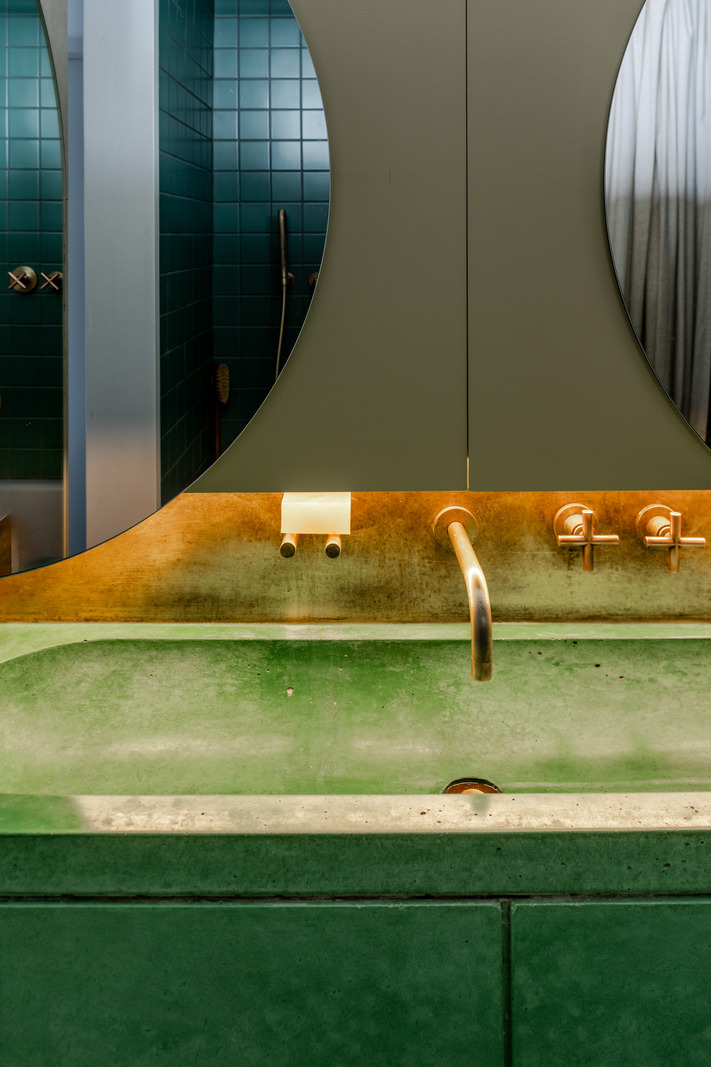
“It’s hard to buy bathroom hardware without a coating, so I bought some nice German taps and sent them to a guy to get all the chrome stripped off. They’re usually brass underneath, though a couple ended up being copper. The bespoke shower was a bit of an experiment but works really well. I found the largest diameter of brass pipe that we could bend and a shower head to fit. I work with a really good metalworker who assembled all of the components with and made it all work. It was really fun designing such a compact space, trying to make the most efficient use of everything.
“The biggest issue in flats is clothes storage, so we built cupboards into the hallway. That kind of thinking came later – people just didn’t have that much stuff in the 1950s. I suspect the original flats would have been very utilitarian, almost undesigned.
“I used to work for the artist Olafur Eliasson and I was gifted some of his artworks, including the light above the stairs. We did a lot of work playing with mirrors and reflective surfaces – which was a departure point for some of the use of mirrors here.”
Frances: “The plan was to stay for only a few years, but we were just really happy here so we've stayed a lot longer. It’s a lovely place to live. We’re now expecting a second child, so we’re looking for a bit more space – maybe another project. A garden would be delightful.”
Ben: “It’s a shame that we’re leaving when our son is only three. Hopefully he will have memories of it, as it’s been great fun to live here. We’ve found such a great community here.”