Cabin fever: the transformation of a damp, dark apartment into a rich, atmospheric hideaway
October 23rd, 2024


This article is more than a year old and may contain information that is out of date. Sorry about that.
Words Luke Crisell
Photography French + Tye
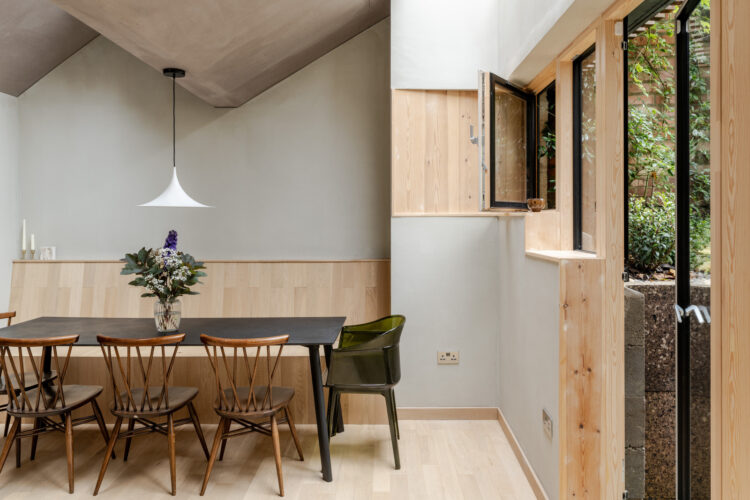
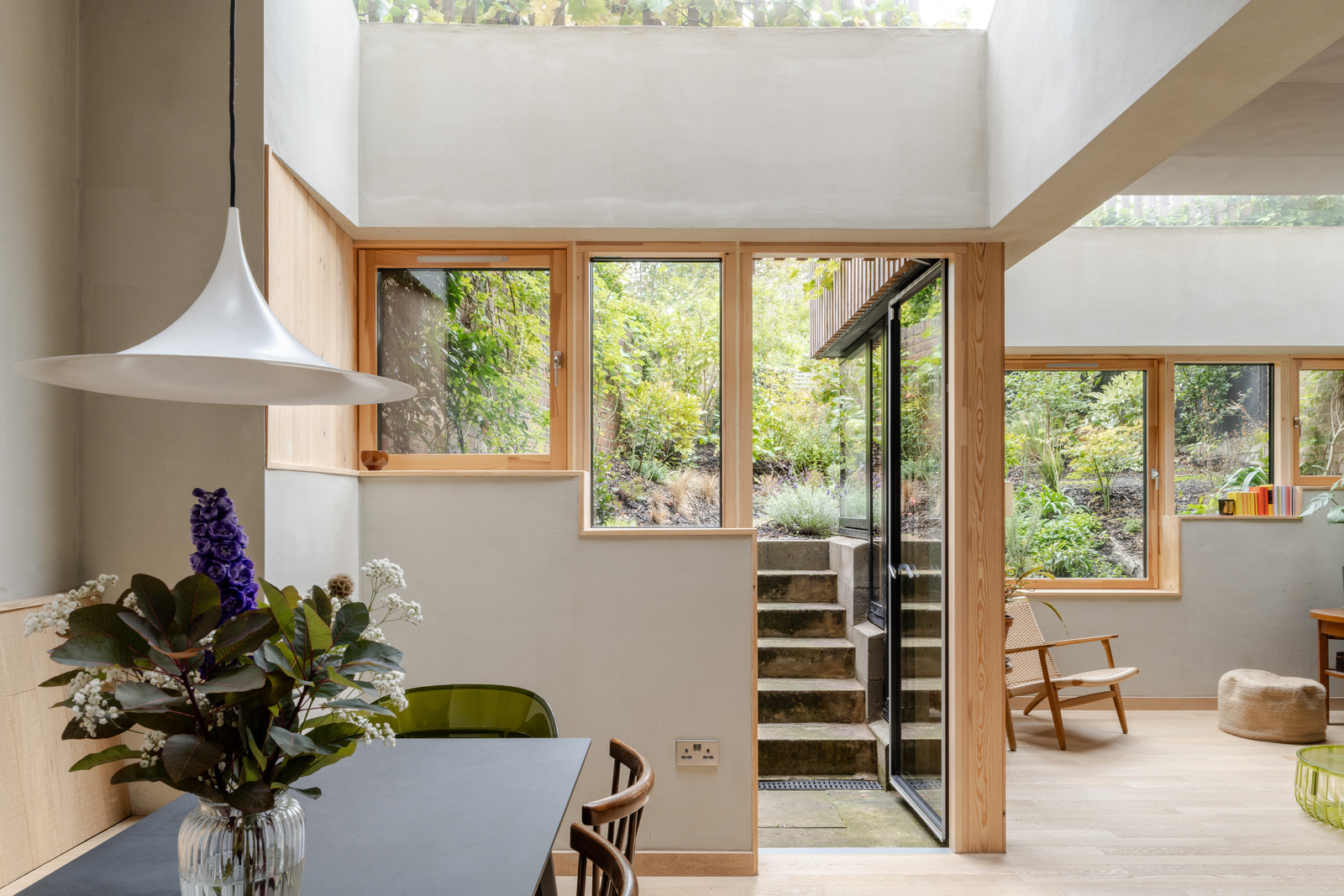
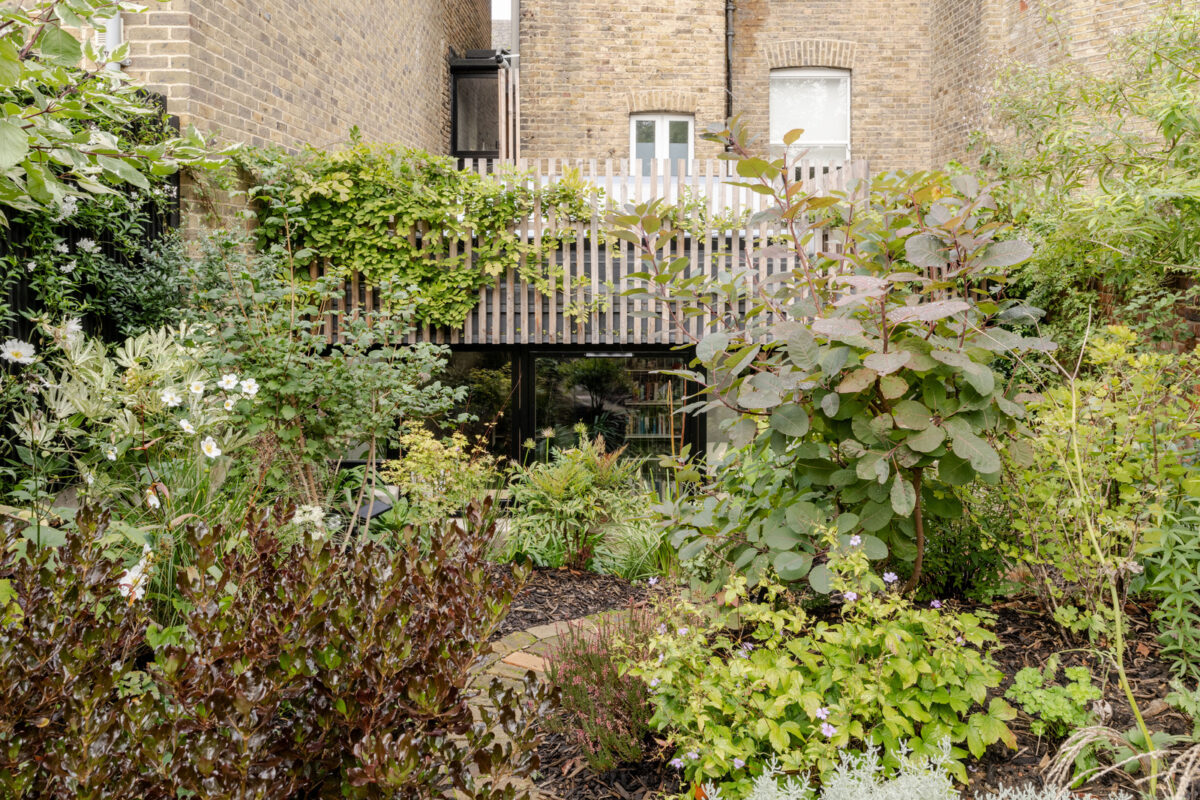
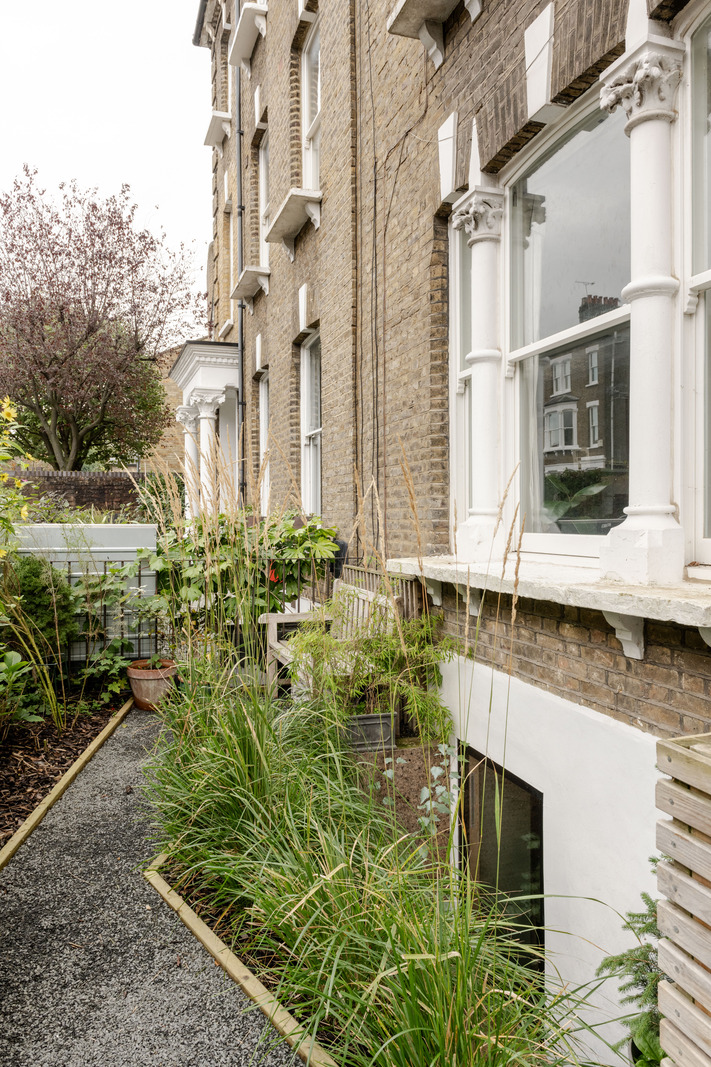
There is something of the impossible about the transformation of this lower-ground floor flat, on a handsome road just a 10-minute walk from Hampstead Heath. While most modern extensions adorning London’s Victorian architecture try to bridge the indoors and outdoors, this one, by Charles Wu of Polysmiths, actually places you in the garden, at eye level with the ladybirds. “When I got the place I remember saying, ‘I’ve bought a garden that comes with a flat,’” says homeowner Christoph.
The garden pitches up dramatically from the bank of timber-framed windows in the living room, with Piet Oudolf-inspired planting drawing the eye towards the mature trees beyond. It feels as though you’re immersed in nature whilst being a hop, skip and jump from the bustling centres of Kentish Town and Tufnell Park. It’s a wonderfully disorientating result that lends the project its quixotic name Walden, after Henry David Thoreau’s 1854 reflection on nature, written whilst he was living in a cabin in Massachusetts.
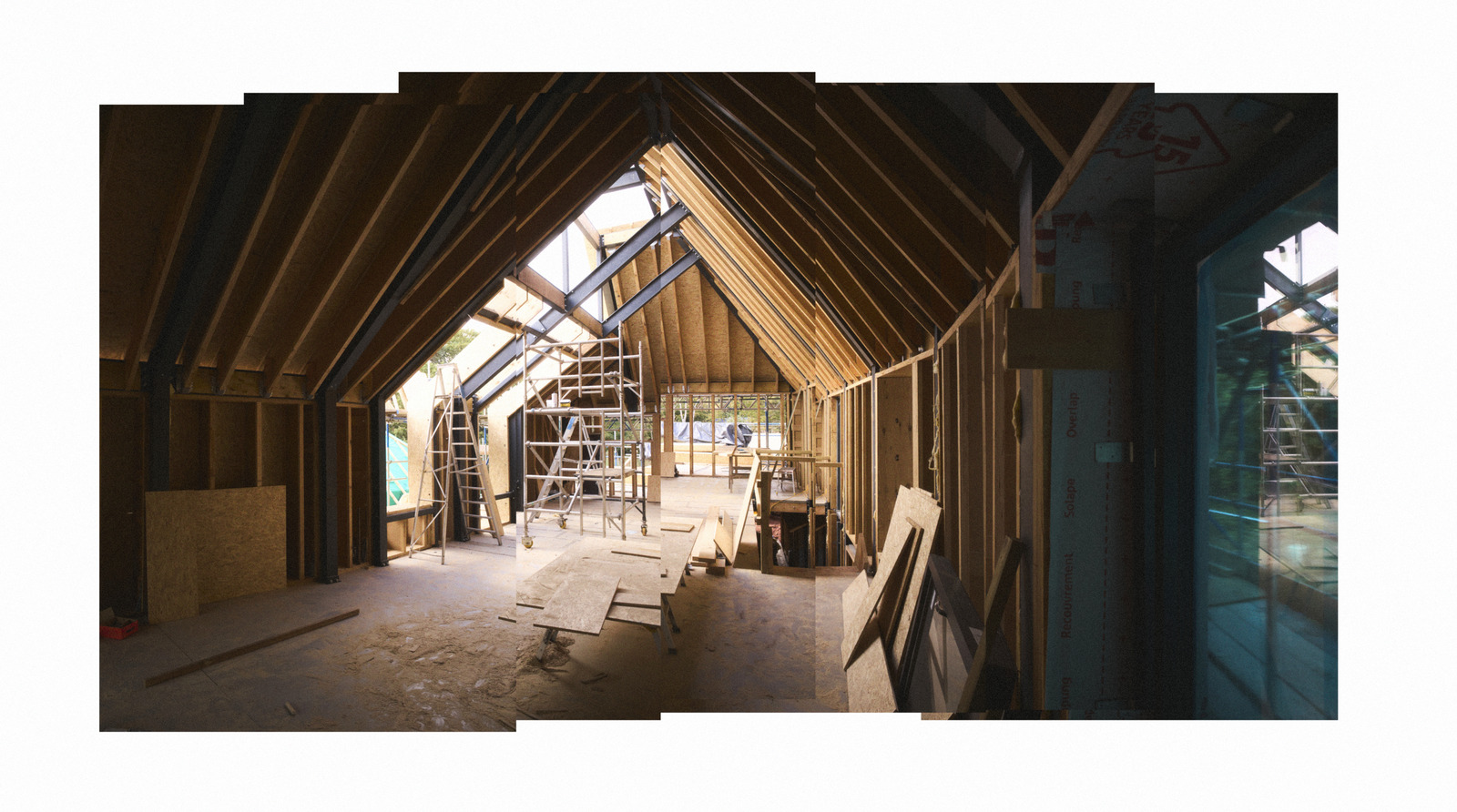
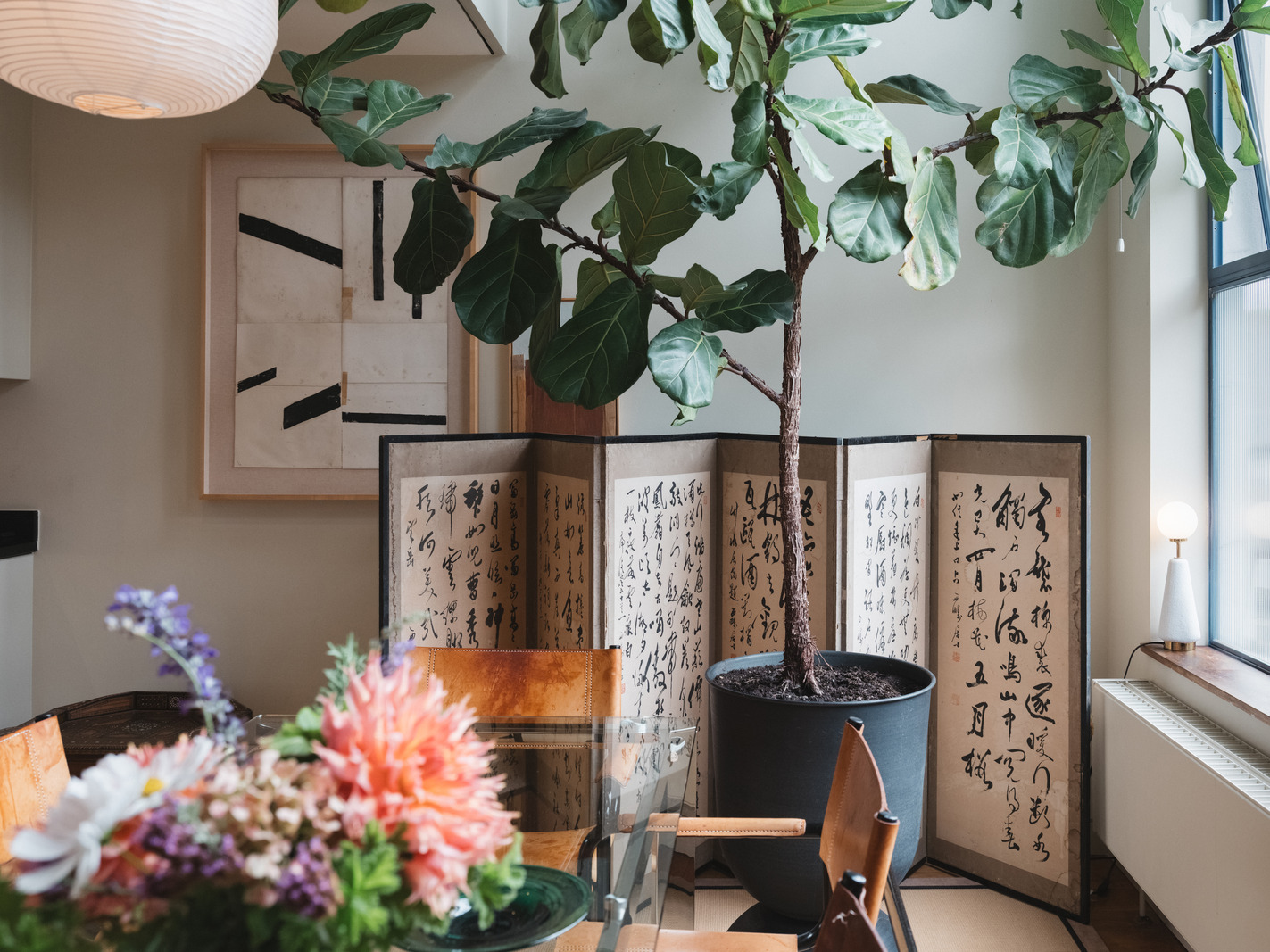
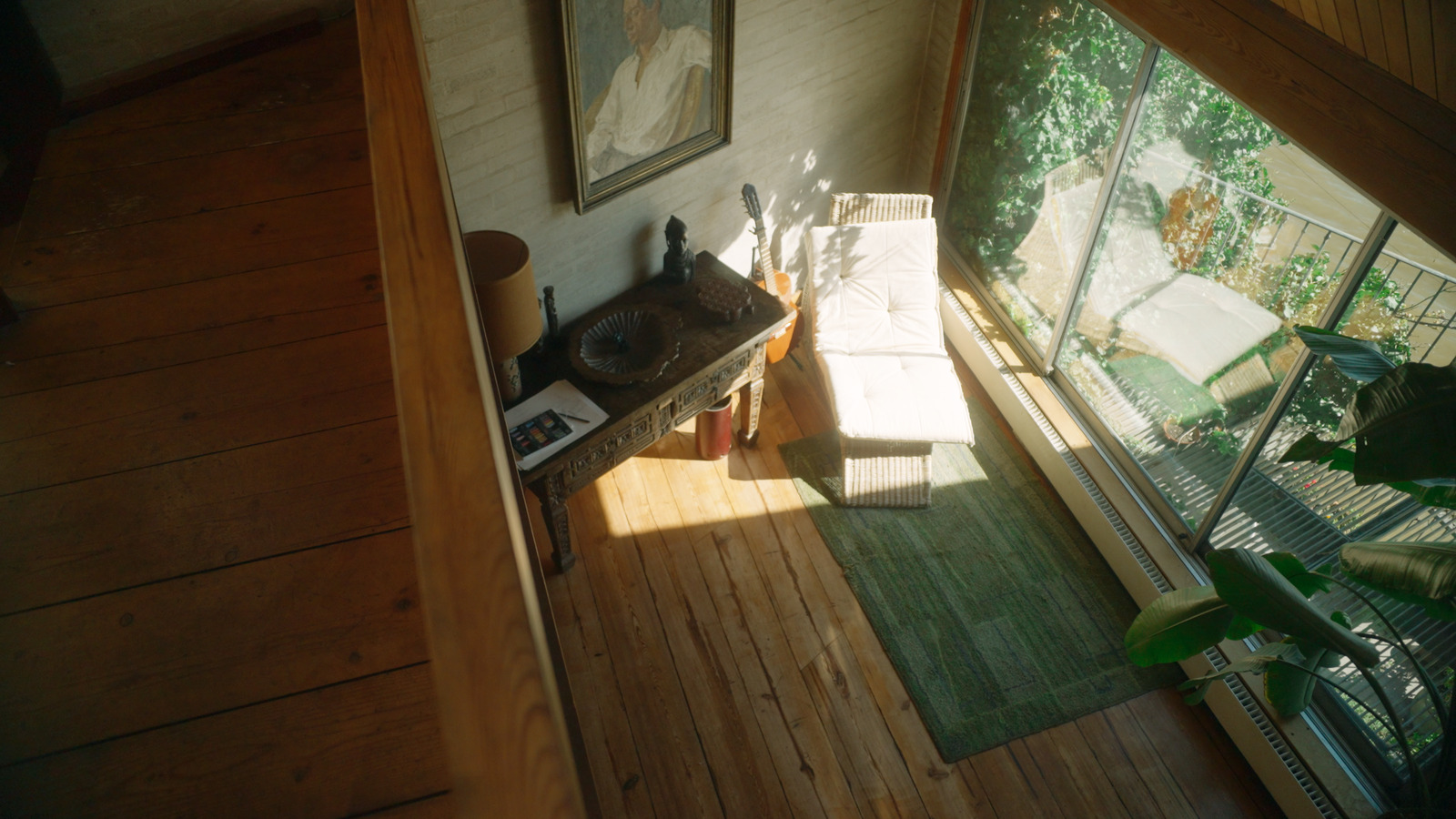
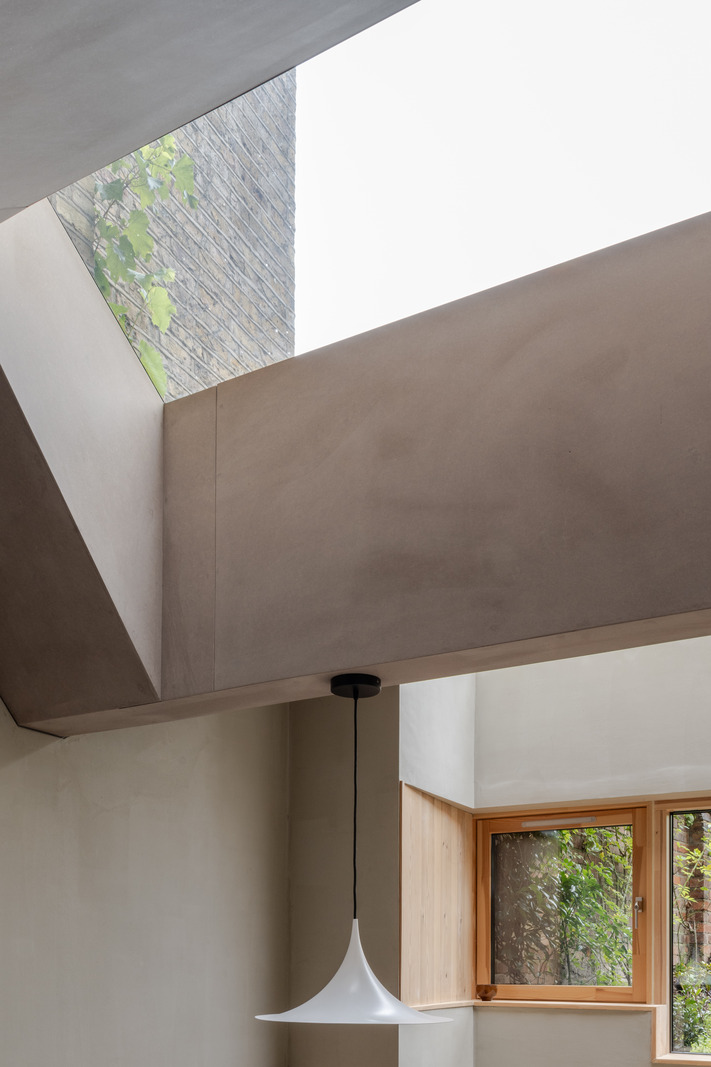
After an extensive 18-month transformation, Walden exudes the atmosphere of a luxury, urbane cabin. Materials such as foliated slate and band sawn oak flooring have the kind of raw tactility that makes you want to run your hands along the window ledges and rub your feet on the floor. Light and shadow dances through the voluminous extension, while a subdued palette brings a sense of quiet intimacy to the bedrooms, bathroom, and hallway. Every detail, from the precise shadow gaps in the ceiling, to the pitch of the three huge skylights, to the treacle-like tiles in the bathroom, feels deliberate and considered. The cabin effect continues outside, where climbing plants are encouraged to creep up the exterior cladding.
As Walden comes on to the market, Charles and Christoph recall the home’s humble beginnings and its transformation into an immersive space that is so dramatic, Christoph has to point out the step down into the dining room to visitors, “because they’re often just looking up, taking in the incredible space.”
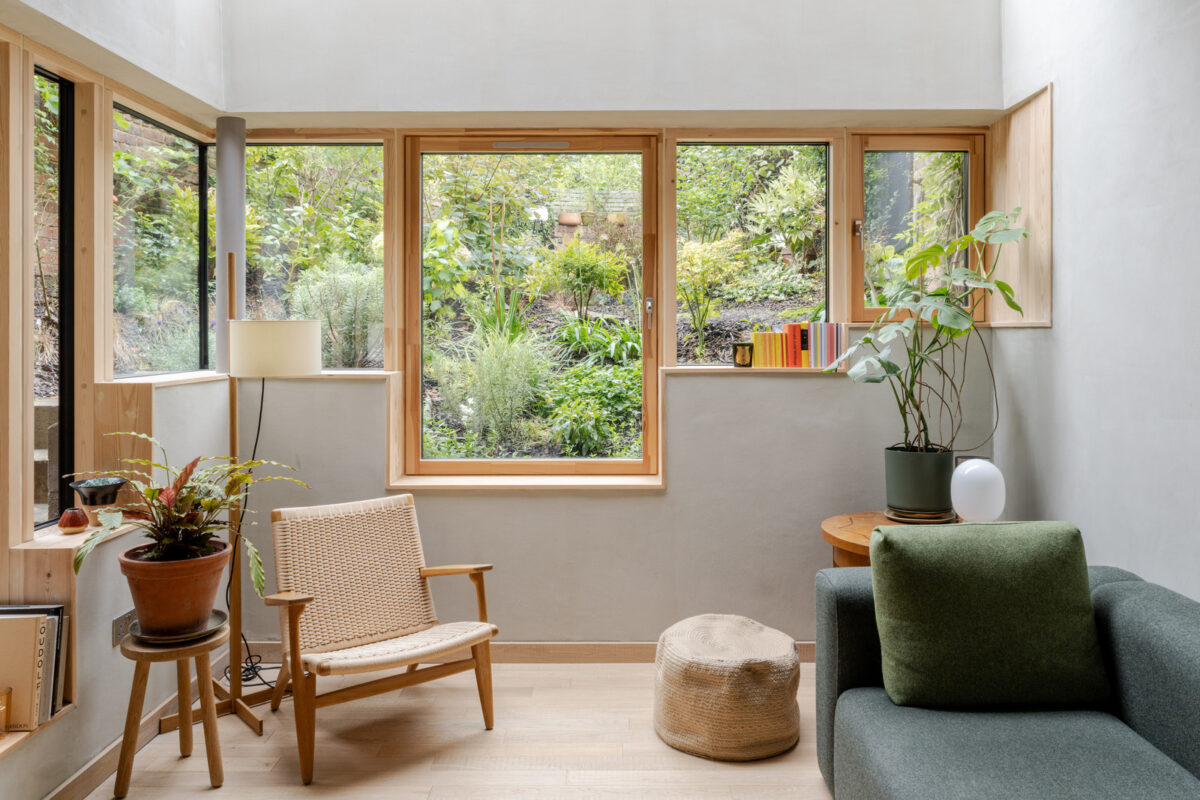
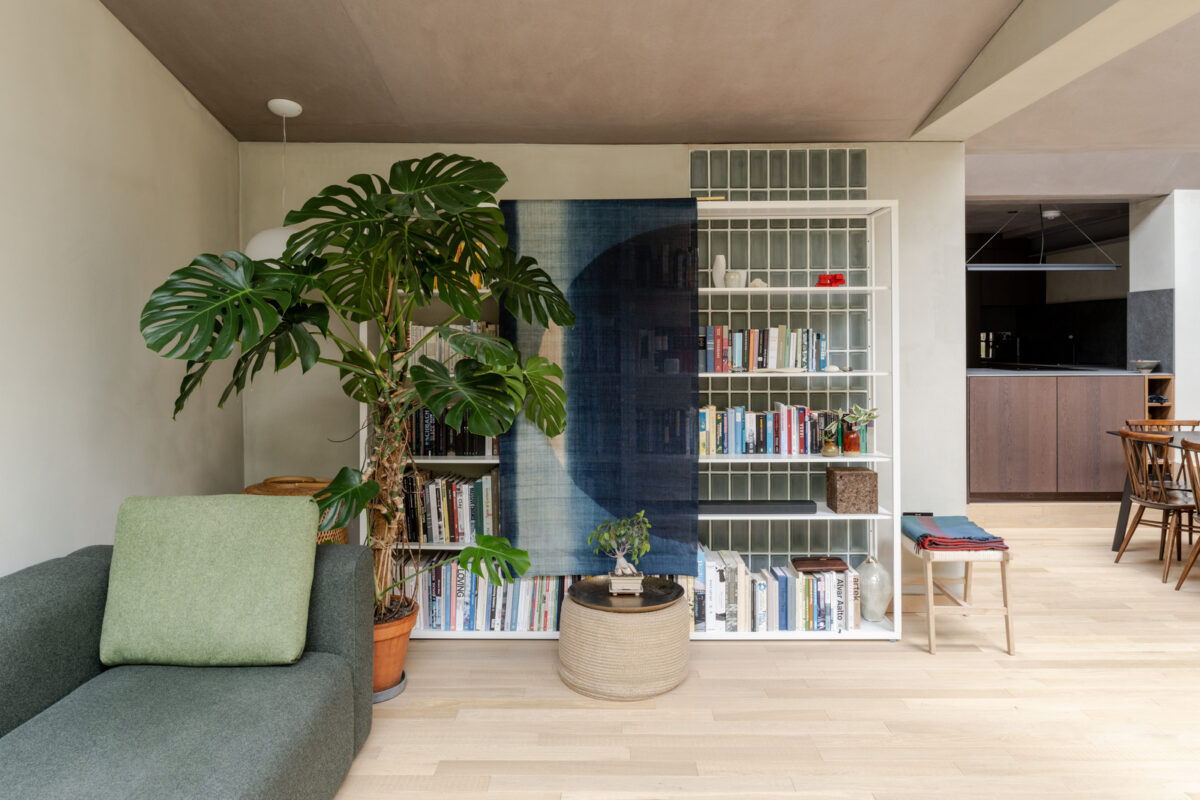
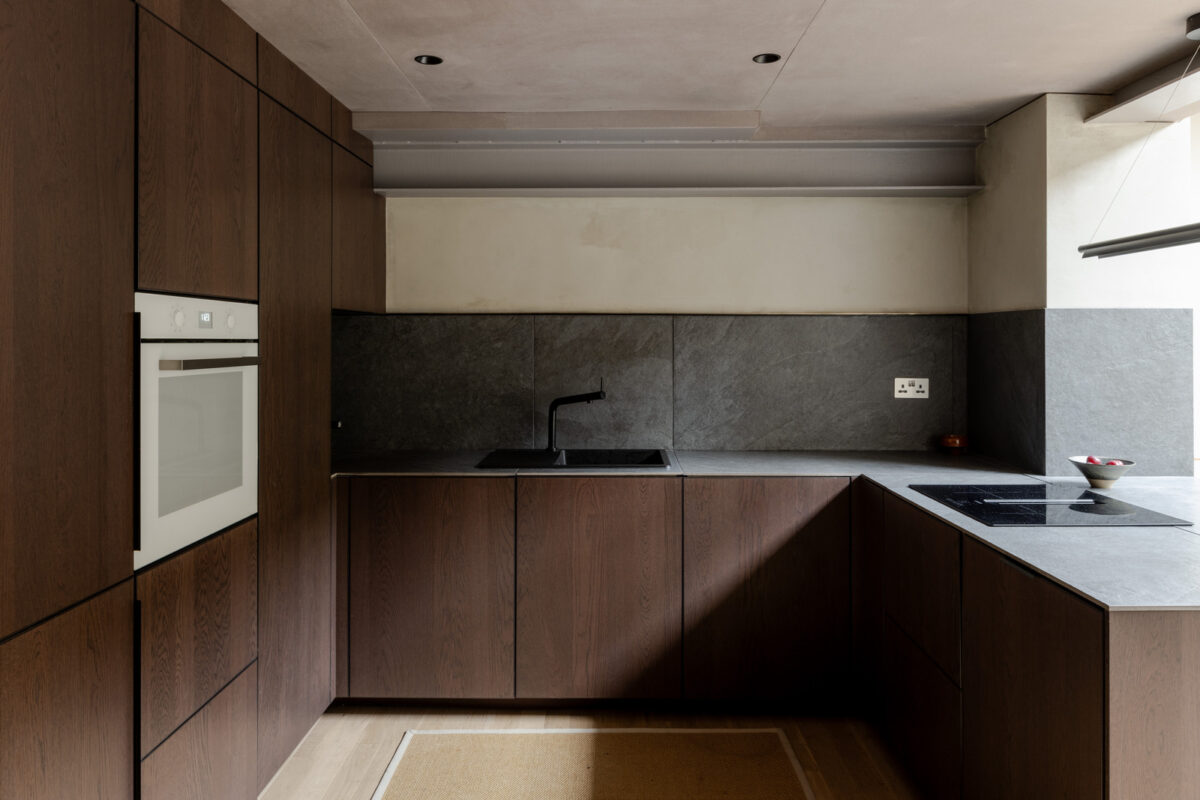
Christoph: “When I first came to see the flat, it was suffering from the kind of issues that you find in many lower-ground floor flats that haven’t been renovated: it was damp and very, very dark. It was in quite a bad state, but it had this amazing south-facing garden and it was easy to imagine how to transform the space into a great two-bedroom home. Charles was with me for the first viewing, and he agreed. I really liked his previous projects, such as Cork House. I was really drawn to that combination of surprising architecture and tactility.”
Charles: “We’ve found from our experience interacting with our clients that people generally respond to visual cues, such as coloured tiles and surfaces; a lot of clients don’t think about the atmosphere of a space, and what you can create with light and shadow. And that was the big, exciting challenge here: how do you bring light deep into the floorplan? How do you make sure that the central spaces are bright and inviting? I was very influenced by this [1933] book called In Praise of Shadows by a Japanese writer [Jun’ichirō Tanizaki] that talks about how light and darkness create atmosphere and depth. Here, we have replaced bright white walls with softer, tactile materials such as limewash. It’s slightly grey, and that creates a depth of light which actually makes sunlight brighter, because you can see the contrast with shadow, where the light shines down from the skylights onto these surfaces.”
Christoph: “On a sunny day, a shadow from the plants and the trellis falls on the walls and you can see those shadows gently moving throughout the day. It’s just amazing.”
Charles: “I think this is what makes the architecture rich. We’ve created an environment that enables Christoph to discover new things as he lives through each day.
“I see architecture as a process of iterative design decisions. Like with the garden here, Christoph wanted to keep as much garden as possible, whereas we wanted to create an open space for outdoor living. That’s how I came up with the idea of the windows …”
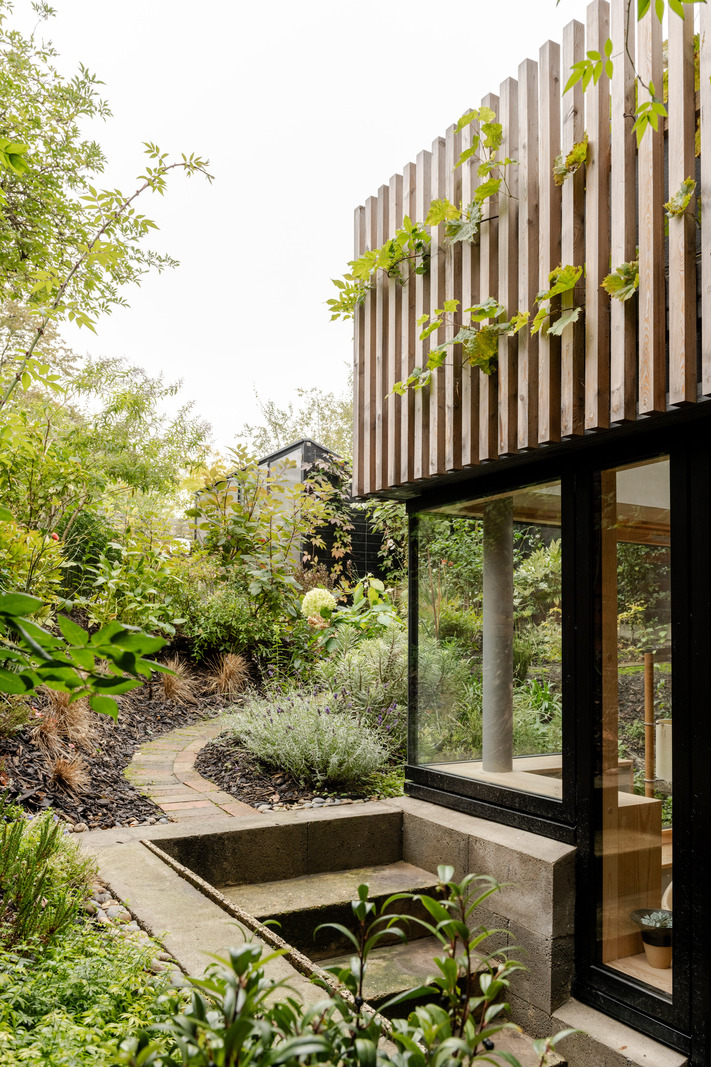
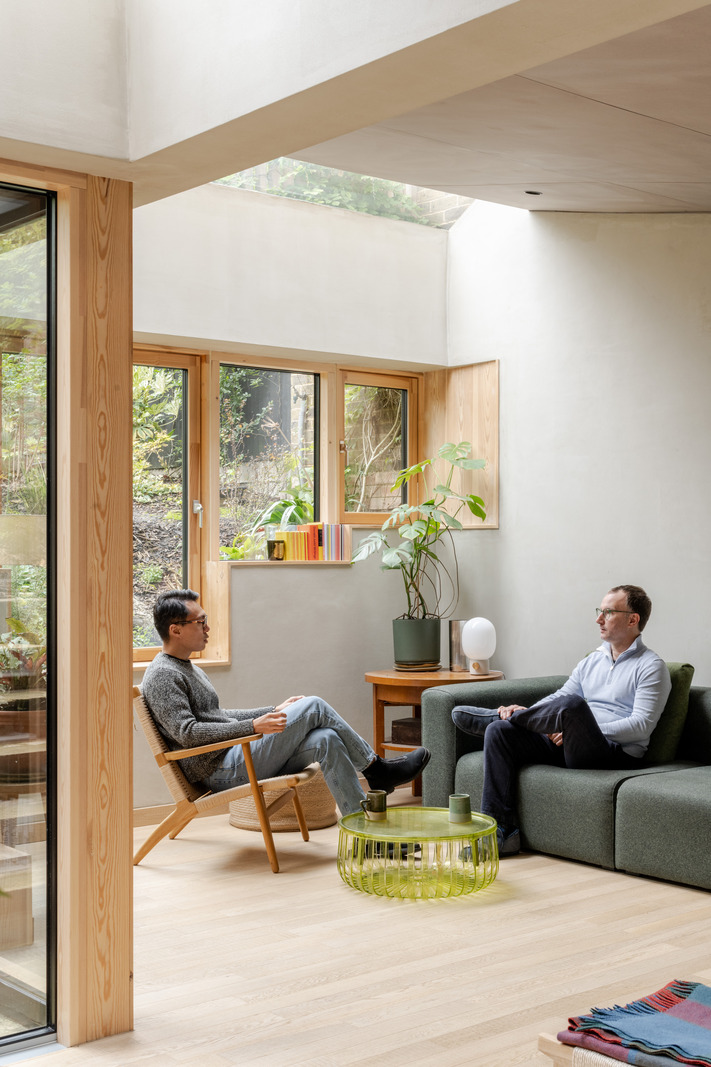
Christoph: “Charles and I discussed floor-to-ceiling windows and an outdoor patio, but I wanted to feel like I was among the plants. And having the garden so close to the window is really lovely, because it means that the two spaces, the inside and the outside, are way more connected than they would be if there was a patio in between.”
Charles: “My job as an architect is to collaborate with my clients, not impose ideas upon them. And – look! – this worked out beautifully.”
“We tell our clients that the goal is almost to create a very well-designed Swiss knife. Not an inch of fat should be left: every idea, every corner, needs to be thought through in order for it to actually fulfil the client’s daily needs for all the kinds of things that they will want to do with their homes.”
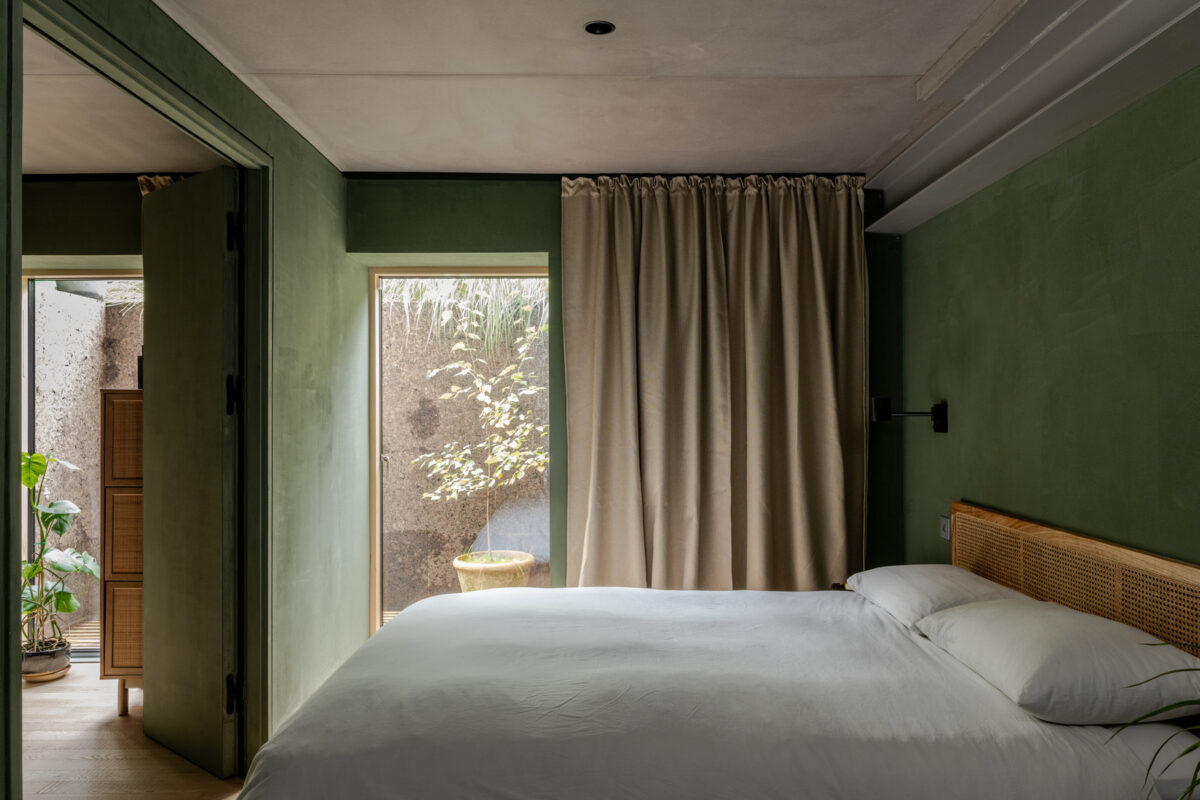
Christoph: “I’m a journalist, and being creative is a big part of what I do. And I think being in the right environment – in this case, my home – is very important for that. When you’re in an inspiring environment like this, it makes creativity so much easier.”
Charles: “We thought this space was evocative of Thoreau’s book, Walden. This is central London, but you do feel immersed in nature: if you open the door, you will hear birdsong. It is quiet. The big trees change across the seasons. It is almost like you’re just out there in the wild, in nature.”