Root Manoeuvre: a former artist’s studio in Camden, transformed into a mid-century marvel
November 5th, 2026
Words Holly Nicholas
Photography Morgan Pollard
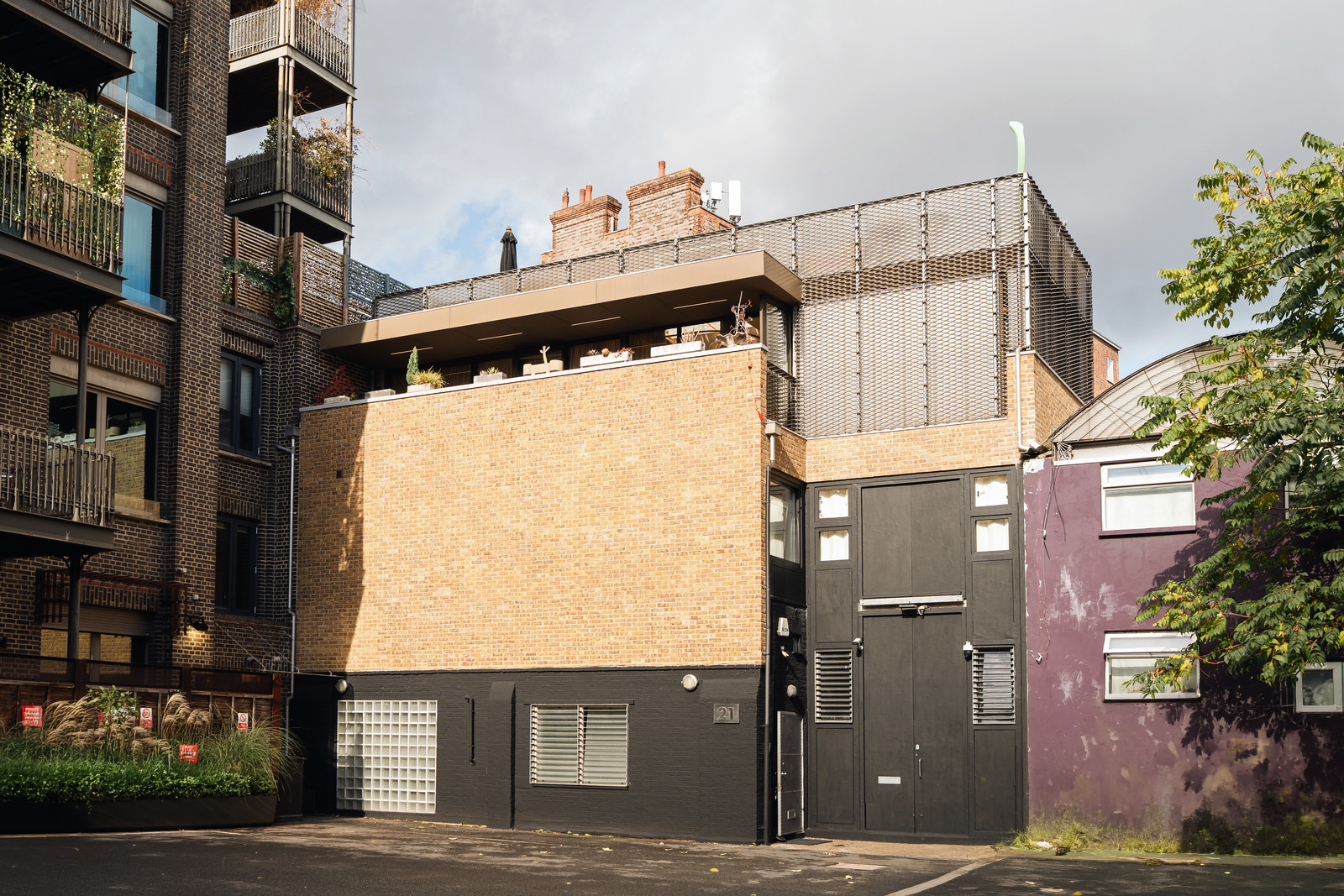
Thirty years ago, when photographer Jonathan Root bought his home in Camden, it was a somewhat challenging environment to live in. A former sculptor’s studio on the site of an old piano factory, the building had fallen into a state of disrepair, with no running water and no gas. An award-winning renovation was to follow, adding a new storey on top of the original building, as well as a roof terrace and a spectacular yellow staircase. Now for sale, Jonathan invites us into his extraordinary home, filled with a fascinating collection of antique and mid-century treasures …
“I’d been renting a studio for 10 years in Islington, and I was looking to sell my flat in Battersea and buy somewhere,” recalls Jonathan. “And an advert for this place came up in the Evening Standard. It was a commercial building that had previously belonged to the sculptor Tim Scott, but it had fallen into disrepair. I already knew the area because I used to come to parties in the building next door, back in the ‘80s.”
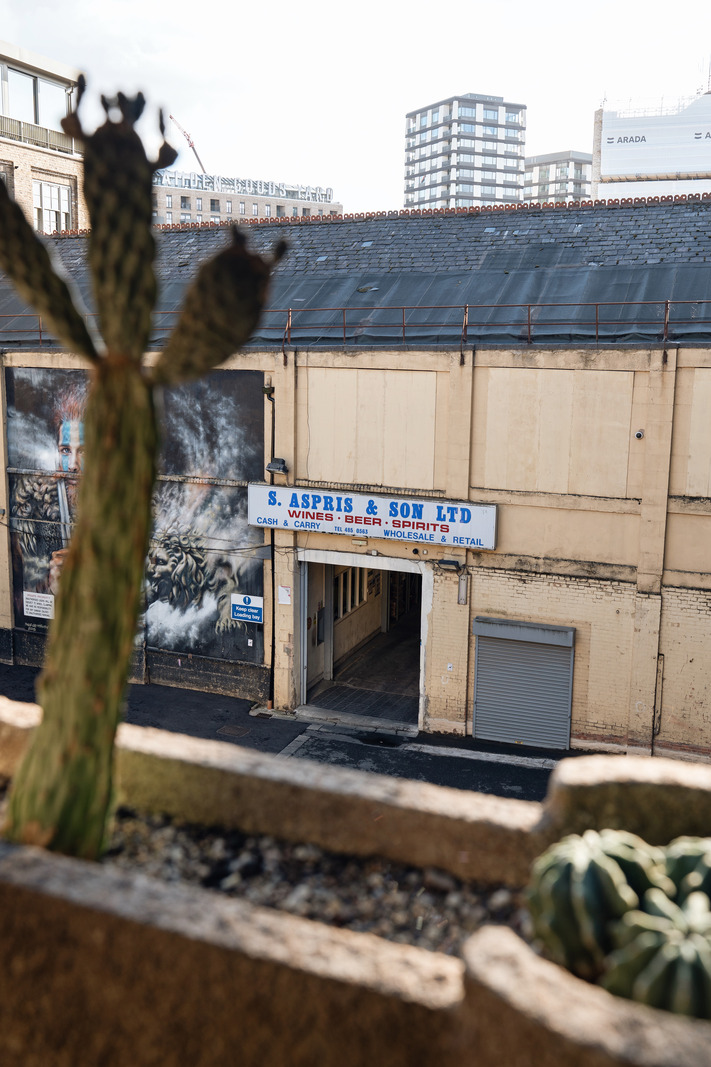
The buildings were part of the old Chappell piano factory, thought to be one of the largest piano factories in Europe. “It closed in the 1960s and it became various things, but mainly it was a kind of hub for creatives,” says Jonathan. “There were artists and photographers’ studios, recording studios, and fashion designers – Elizabeth Emanuel, who designed Lady Diana’s wedding dress, was there, as well as many others. This place was once an outbuilding for the piano factory, and it had a workshop on the ground floor and a big open gallery on the first floor, with a skylight running down the middle. There was no gas or water, and there was a ladder to the first floor – it felt a bit like a blacksmith’s, really. I converted it, adding a kitchen, a shower room and a staircase. I lived in this one big open room and my studio was beneath.”
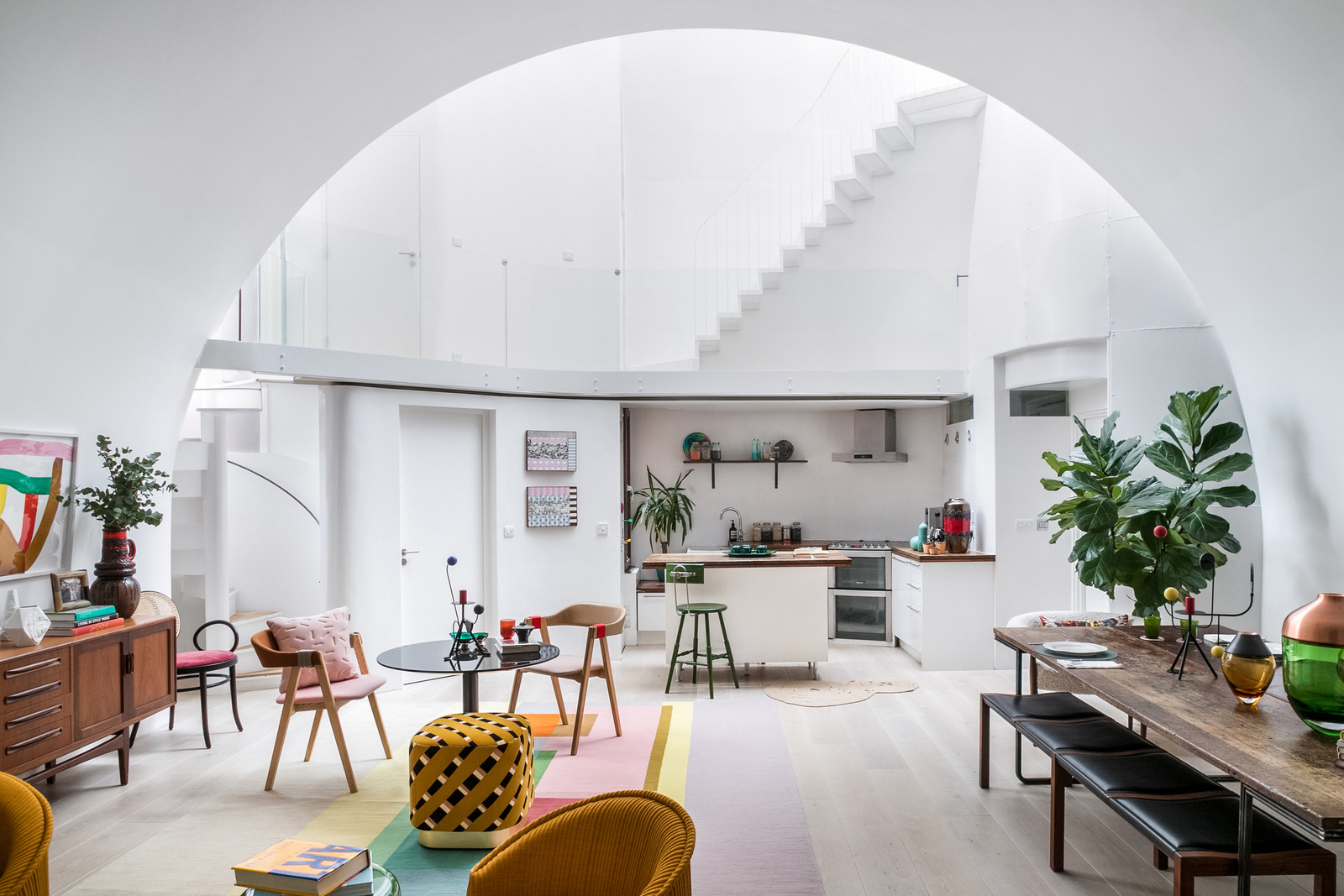
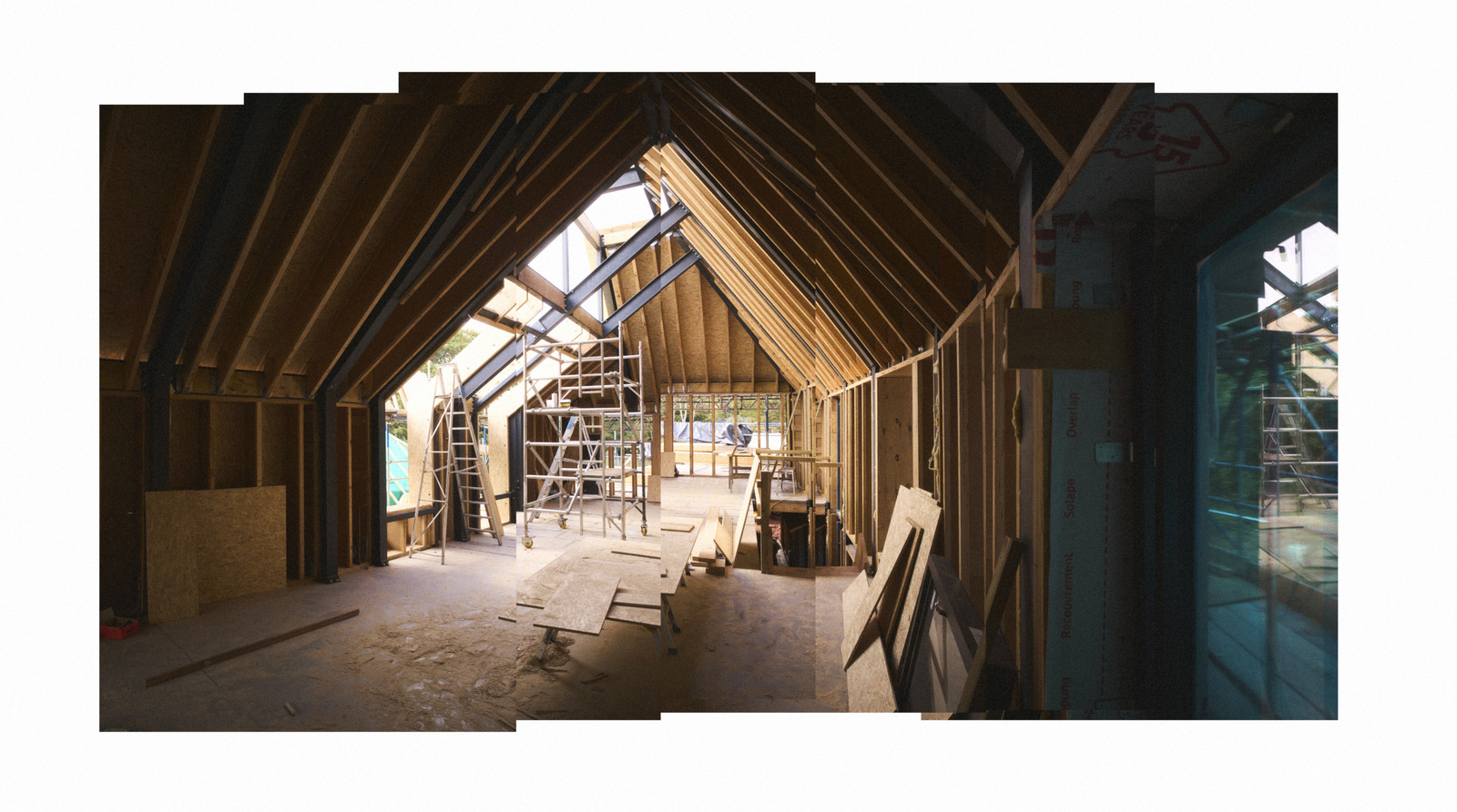
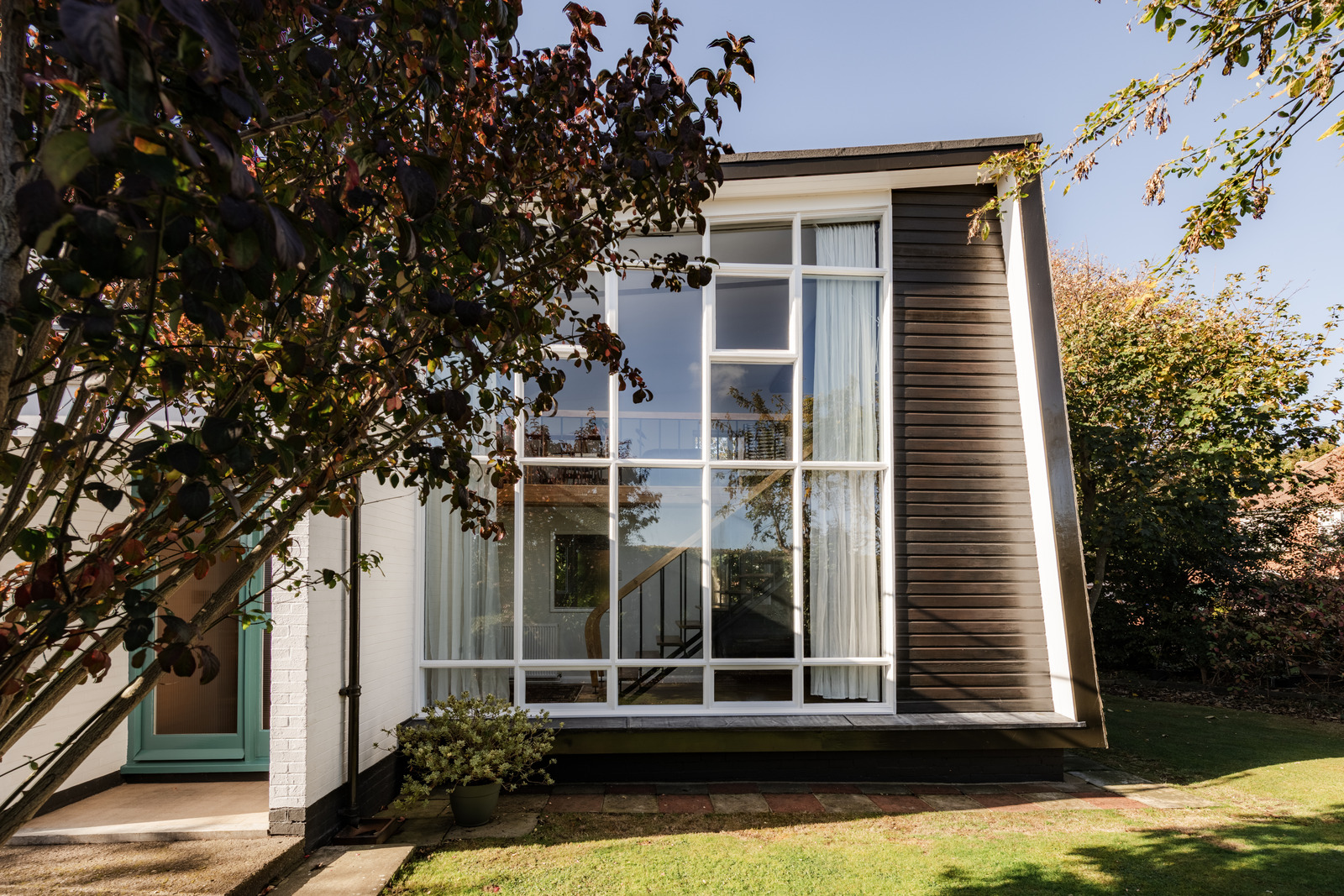
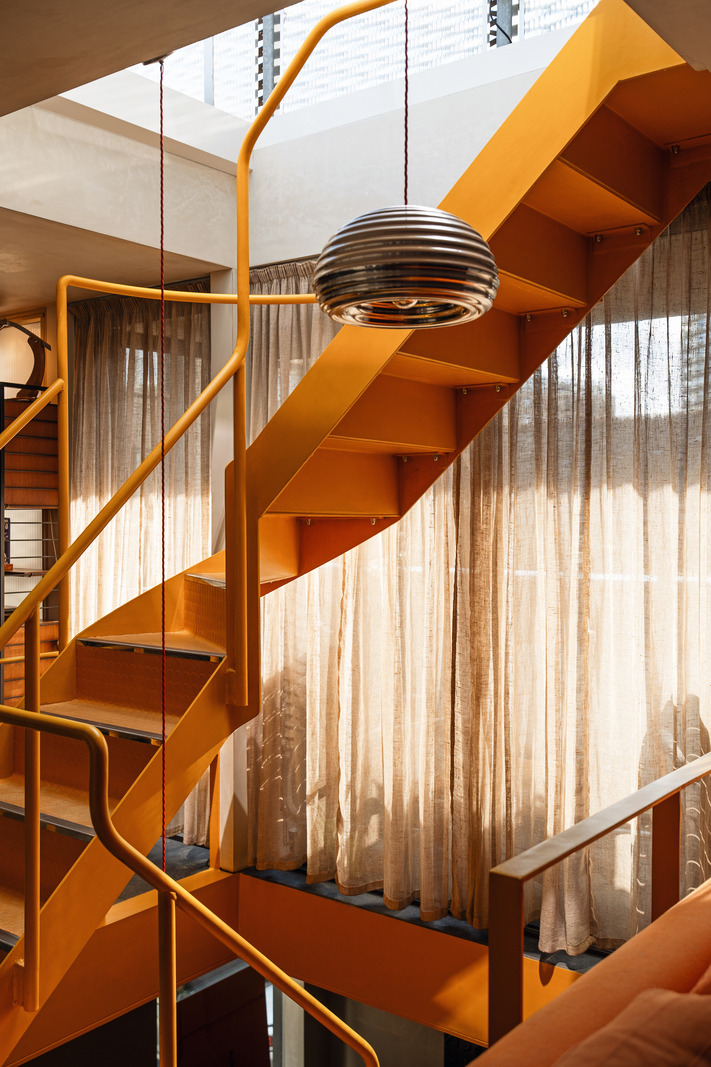
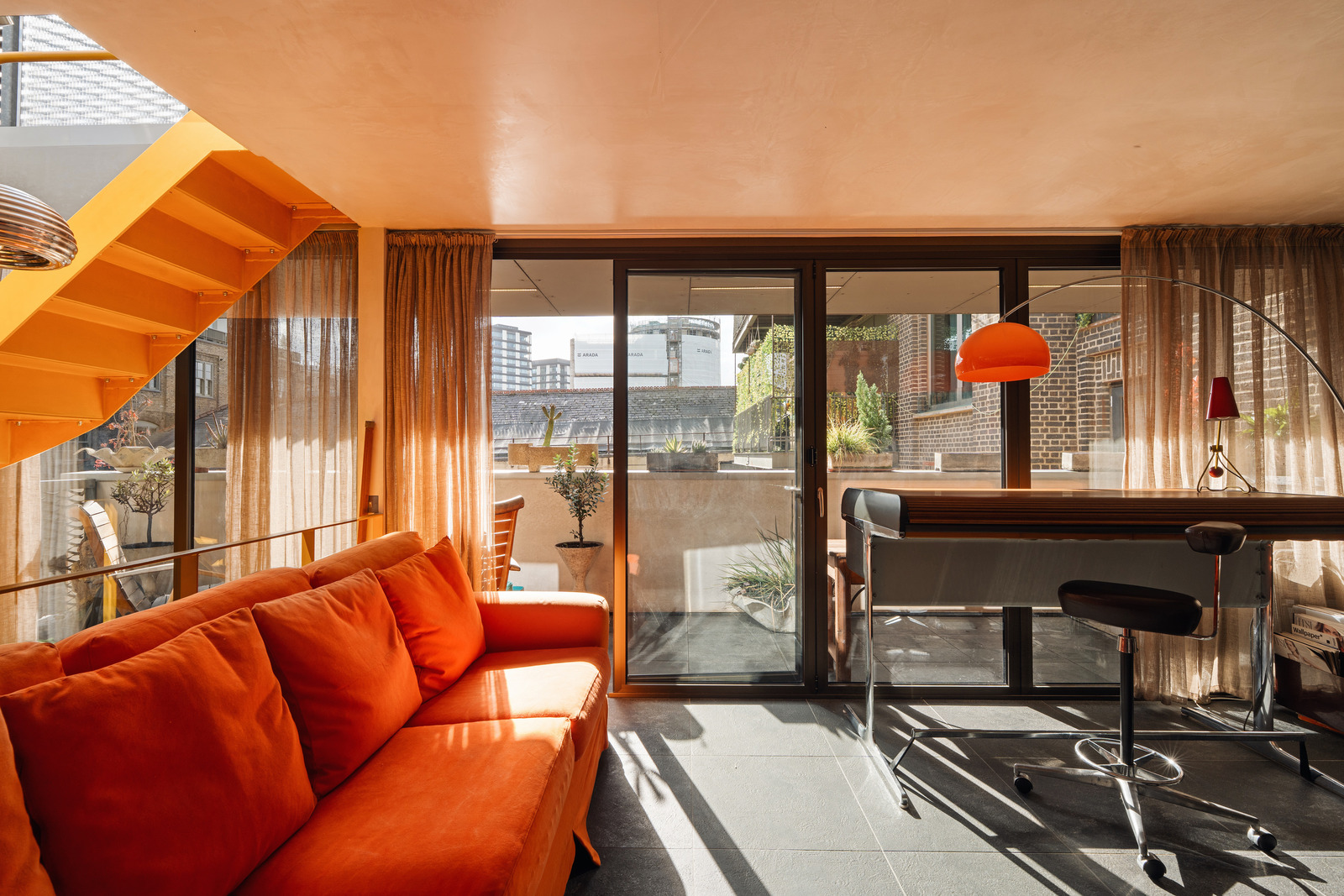
In 2005, a leaking steel roof became the catalyst for a pioneering renovation that saw the addition of another storey onto the existing building, as well as a roof terrace and a balcony. Close collaboration with architects Friend and Company led to an award-winning design, defined in part by the striking polycarbonate panelling that traces the perimeters of the main living space, designed to resemble a lightbox. An industrial staircase painted a vibrant chromium yellow – “which took about 10 coats of paint” – complements Jonathan’s curated collection of antique and mid-century furniture.
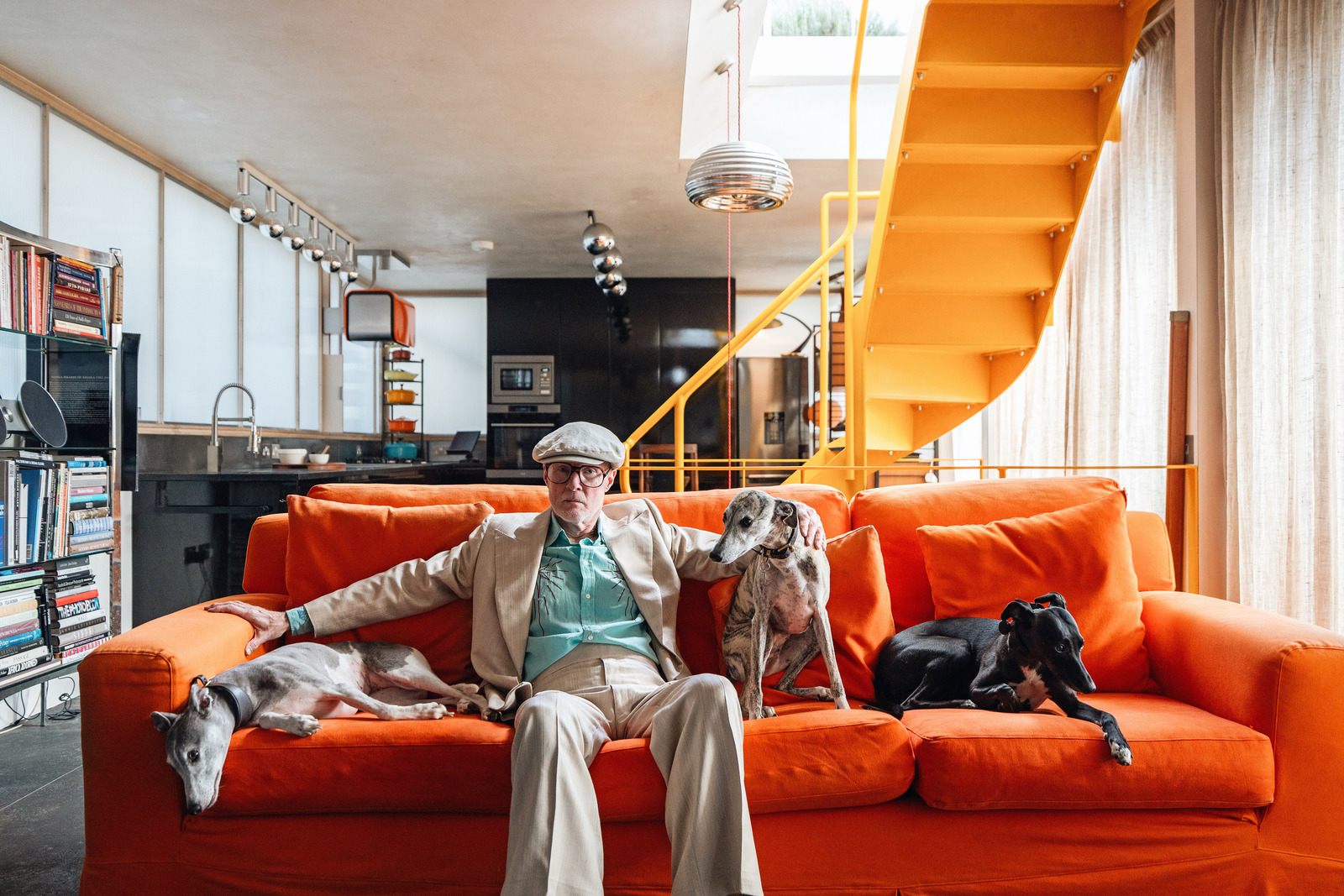
“My parents were antique dealers, and my mother was an editor at House and Garden in the 1950s,” he explains. “So that's where I got my interest in antiques – although my mother wasn't really interested in mid-century because it was far too modern, as far as she was concerned.”
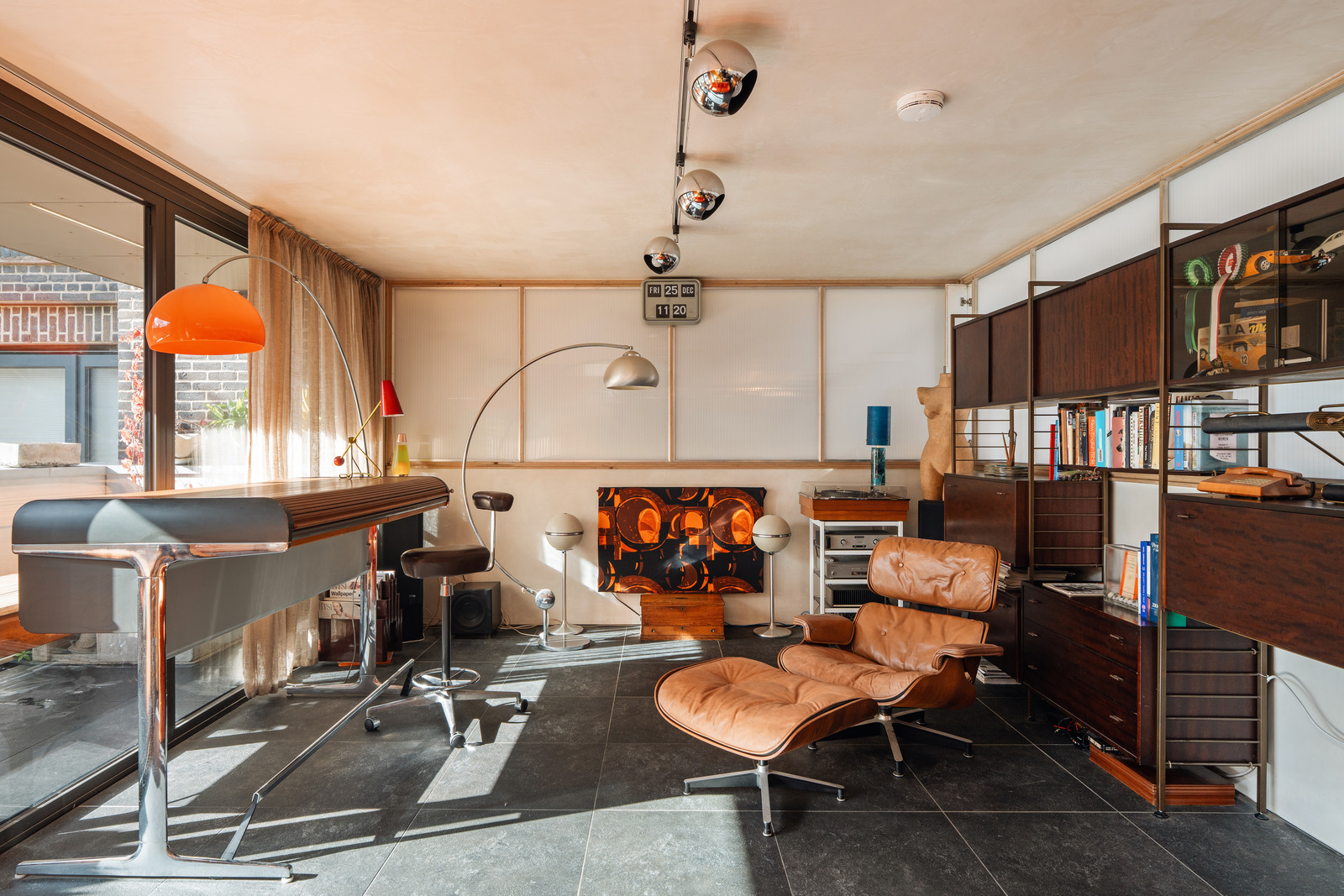
Much of Jonathan’s collection is sourced from eBay. “I'm a big fan of Ladderax, Cadovius and Kai Kristiansen,” he says. “I’m lucky enough to have an original Eames chair, which I bought in America and had sent over, as well as an early Arne Jacobsen Egg chair. I've got a mixture of much older stuff as well, including a Georgian bracket clock, a Cromwellian helmet, and Persian rugs downstairs. I think it’s important to mix it up a bit, rather than strictly adhering to one particular style.”
Jonathan’s exacting eye for design is evident throughout the apartment; from a teak bathtub in the bedroom to a Herman Miller standing desk in the living room, “which made the most wonderful spot for DJ decks when we had a party once.” The “incredible light” in the living room is one of his favourite things about the apartment: “In the summer you'll get the sun coming through one side and going virtually all the way around during the day. And even when the sun isn’t out, it’s still bright.”
Reflecting on his time at Ferdinand Street, it is the people and the community that Jonathan will miss. “I'm a portrait photographer, so although I'm not really into crowds, I like people individually, and I know everyone here. I know the people who sweep the streets, the bin men, an old Irish lady called Mary who I see every other day, and I will miss these people.
“I love London and this is such a great area for getting about, whether it’s on buses, the underground or the overground,” he shares. “The neighbourhood itself is so vibrant, and you can walk along the canal through Regent’s Park and into Soho in about 40 minutes.” Jonathan’s next move represents a certain change of pace, to a 1970s modernist bungalow in Kent with a garden for his three whippets to enjoy. “Although I will miss living in the city, Kent is so beautiful,” says Jonathan. “I know the dogs will love their new garden, too – I just hope they don’t dig up the entire lawn…”