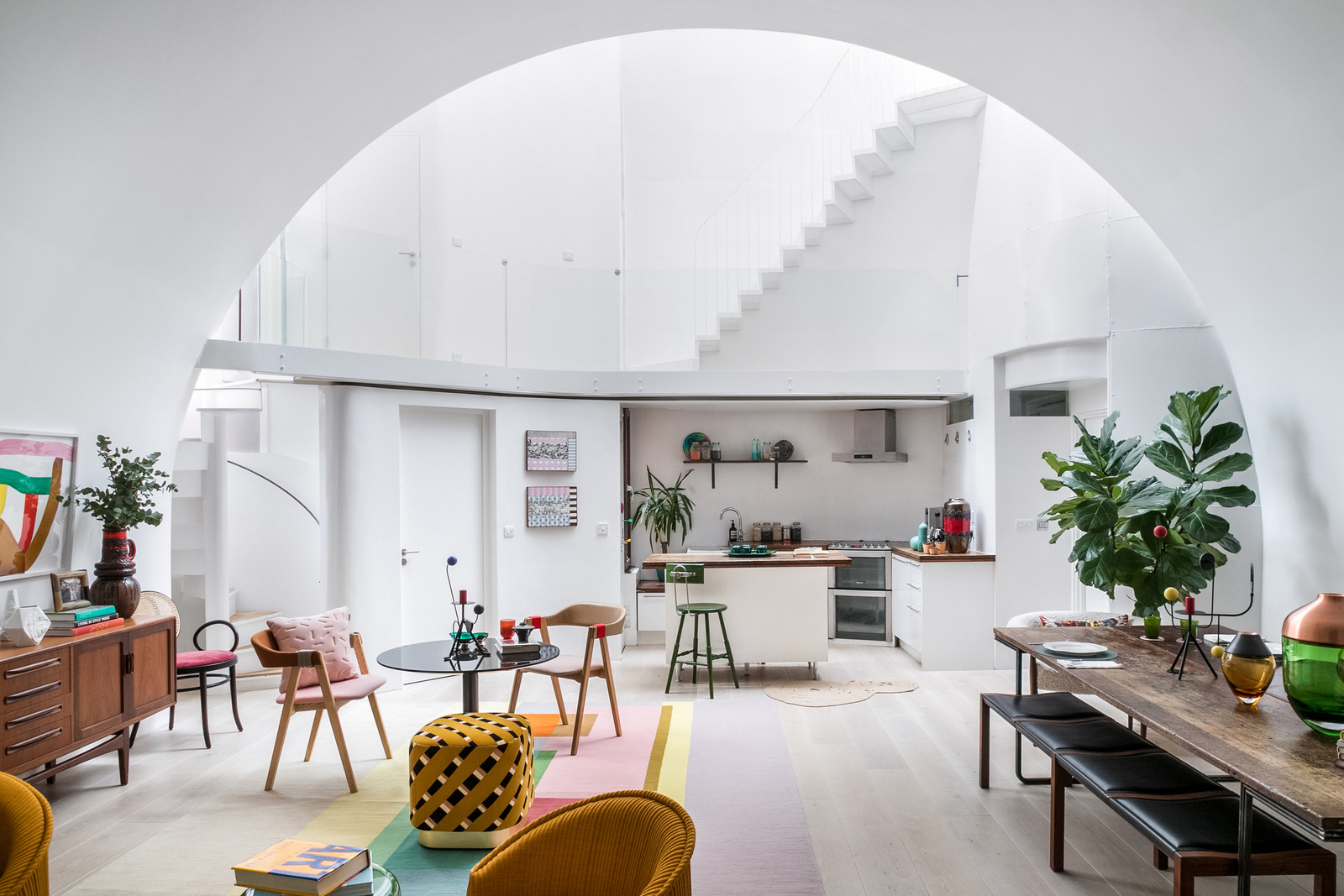
Admits one: museum director Sonia Scolari shares five experiences of home
November 16th, 2026
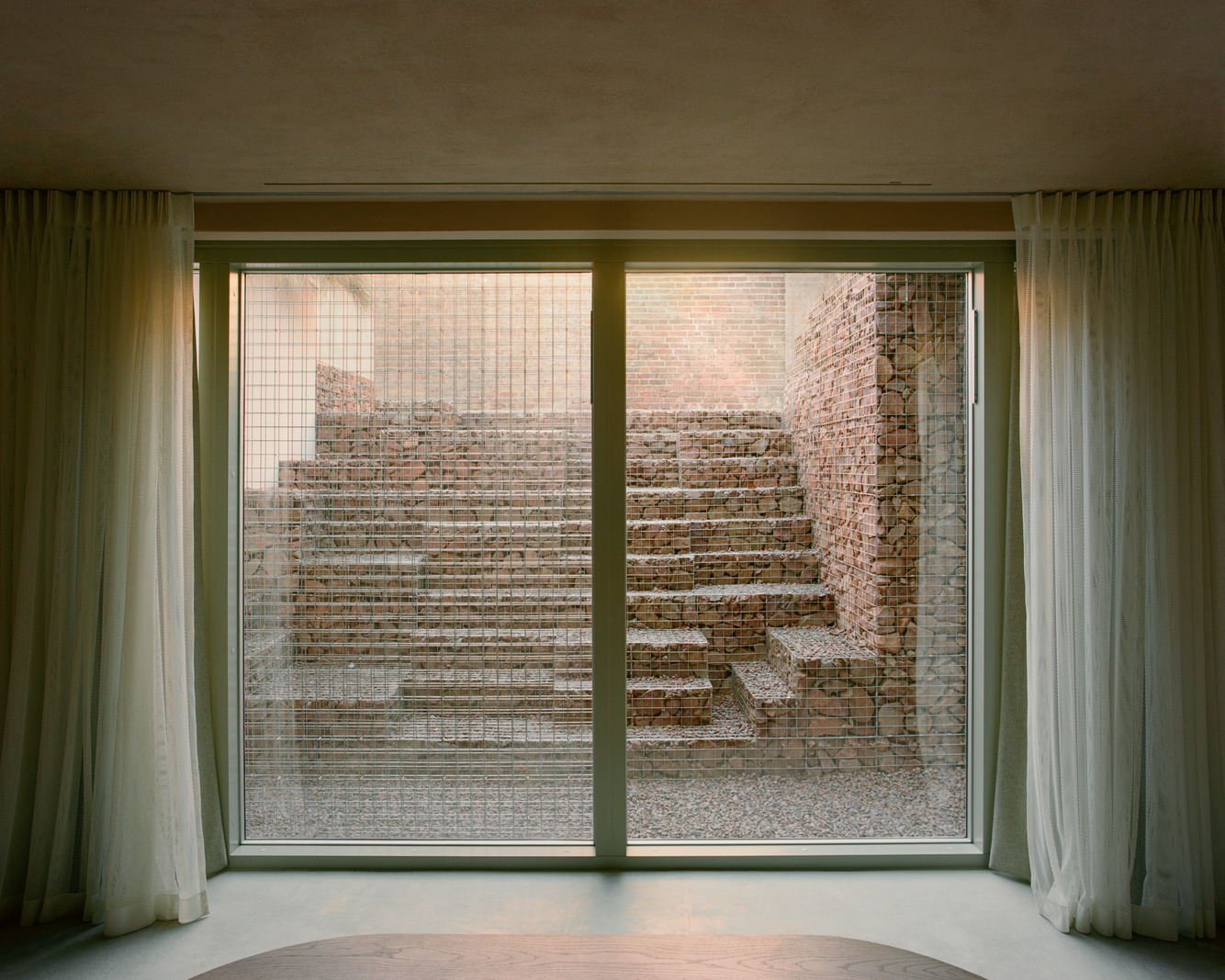
To mark the publication of her new book, we asked the director of London’s Museum of the Home, Sonia Scolari, to share some of the house museums that have moved her …
Words Sonia Scolari
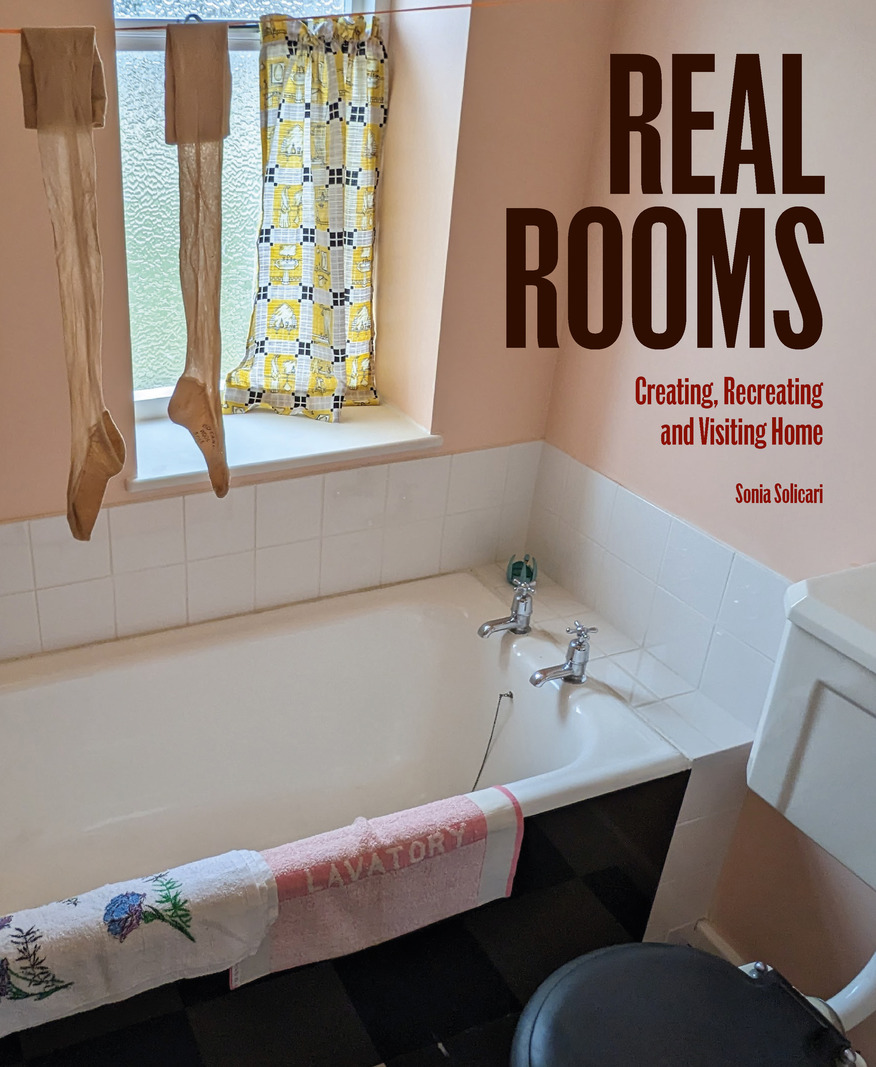
Real Rooms: Creating, Recreating and Visiting Home is a book for anyone who has ever enjoyed a visit to a house museum or been captivated by a room set in a museum. In it, I explore why home holds such a grip on our cultural imagination — what this deep fascination reveals, and how museum and heritage sites can harness it to create meaningful experiences. The book includes case studies from around the world, and the selection below covers some of the key themes of the book: moving home, making home, childhood home and the artist’s home. Because everyone has a relationship with home, an idea of what it means. And that’s a powerful place to start.
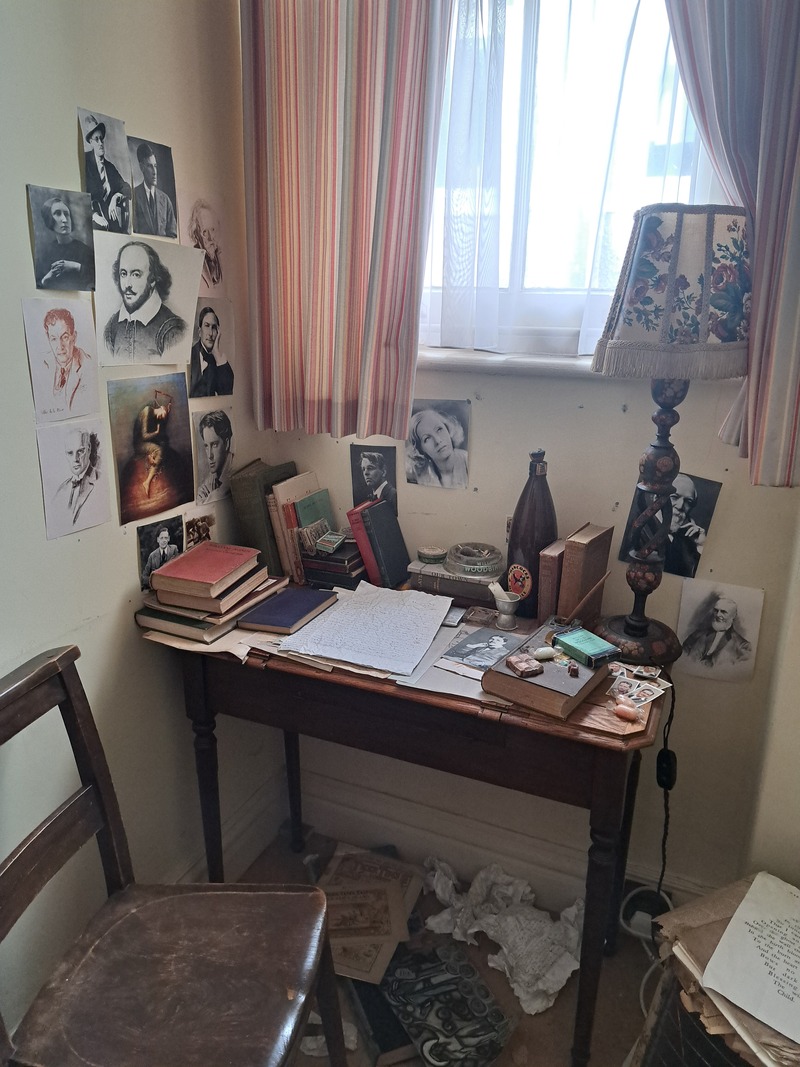
5 Cwmdonkin Drive, Swansea, Wales
In the suburbs of Swansea, Wales, is the childhood home of the poet Dylan Thomas. The Edwardian house has been lovingly restored by its owner, Geoff Hadden, who grew up in the area around the Uplands and played in Cwmdonkin park as a child. The restoration was a self-funded labour of love and the house opened to the public as a museum in 2005 — with furniture and décor sourced locally based largely on the memories of the Thomas family’s maid, Emily Simpson.
Crucially, one can now stay overnight at No. 5. Experiencing the house as an inhabitant, rather than as a visitor on a tour, is an act of meditation that is seldom possible in a heritage setting. And allows for the mindfulness of being a body in a space. Even given the changes to the general environment in the last 100 years, you get a sense of the rhythm of the house: the temperature in the early mornings; the changing shadows as evening sets; the shafts of light through windows as you lie in the tiny bed in the tiny room, looking at the same walls from the same angle as a young Dylan.
‘My own room is a tiny, renovated bedroom, all papers and books, cigarette ends, hardly any light, book-knife. No red cushion, no cushion at all. Hard chair. Smelly. Painful. Hot water pipes very near. Gurgle all the time. Nearly go mad. Nice view of wall through my window’
Dylan Thomas
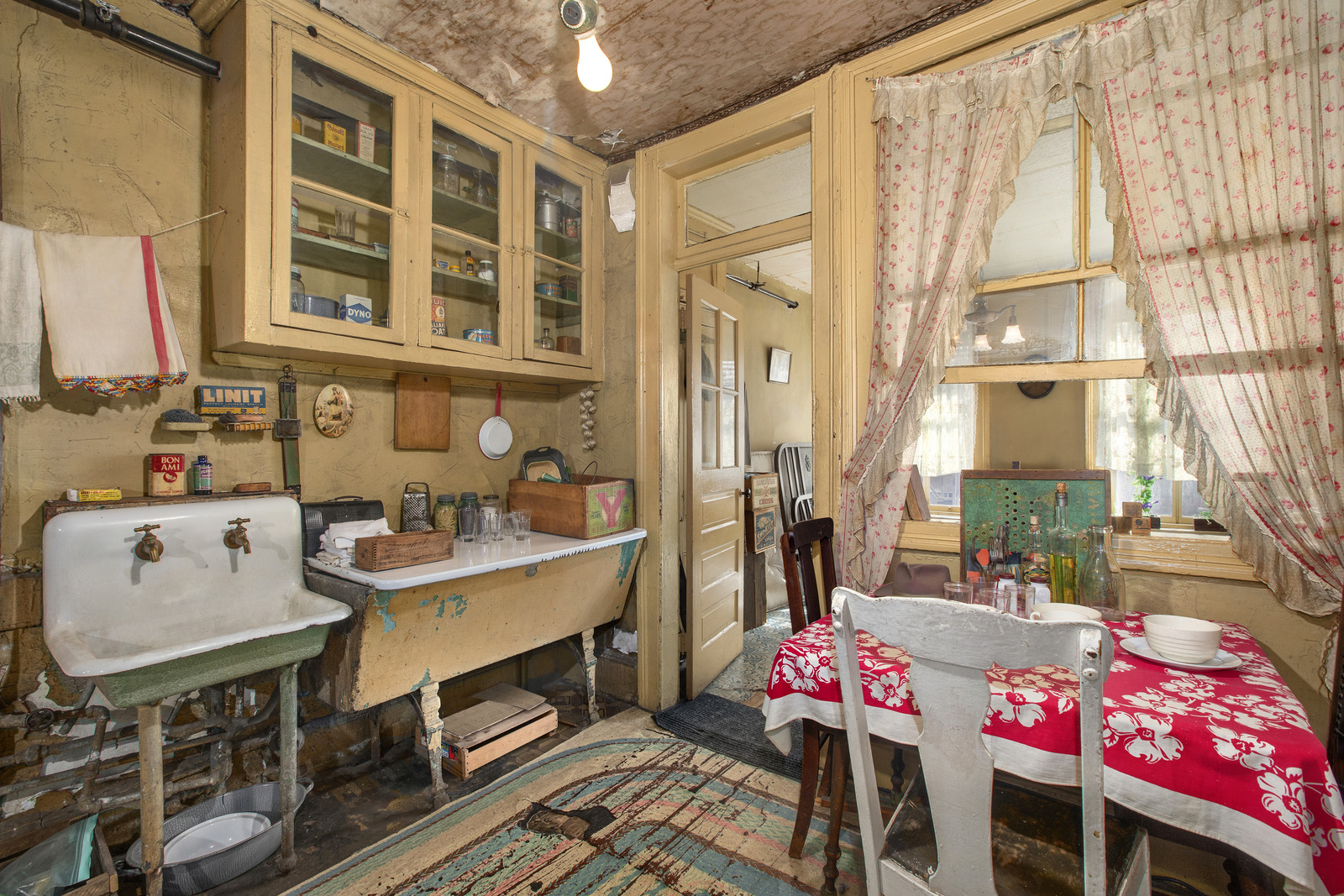
The Tenement Museum, New York
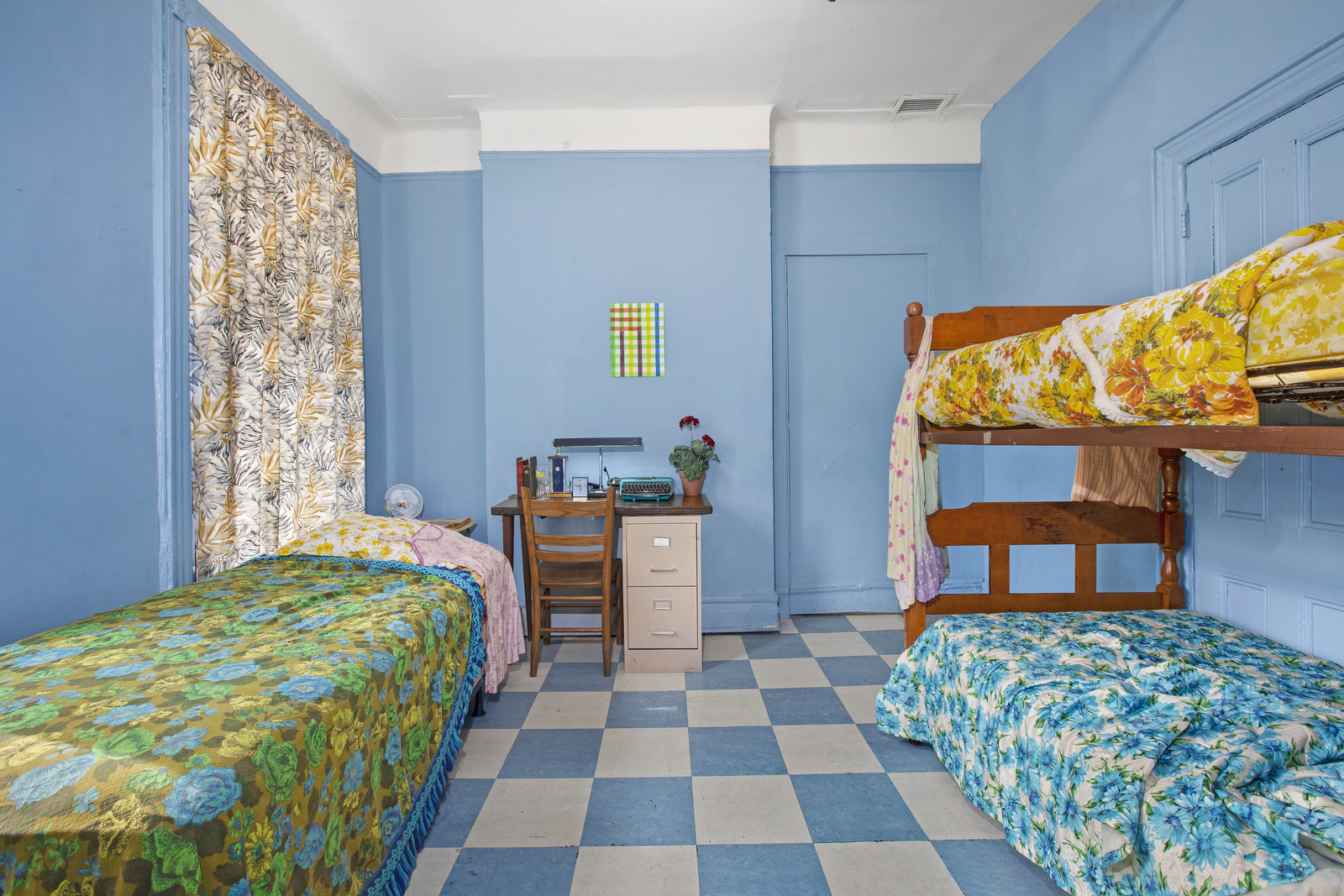
The Tenement Museum (main image: Wong family children’s room, 1970s) is located in an imposing red brick building on Manhattan’s lower east side. Founded in 1988 by Ruth Abram and Anita Jacobson, the museum focuses on the lives of previous inhabitants in an area that has been shaped by migration.
A visit is by guided tour on an apartment-by-apartment basis, with each set of rooms telling the story of a different family and their journey to the States. As such, it challenges the visitor’s understanding of American identity, what it takes to make and keep home, how home and work intersect, who gets to stay and who is forced to leave.
The Baldizzi apartment (pictured above), which tells the story of a family from Sicily, is a visit that has shaped how I see home. I wasn’t prepared for the experience of encountering rooms that felt so uncannily familiar — so much like my Italian grandparents’ home in Little Italy, London. It was the smallest details: the colour and texture of the paint, the arrangement of the kitchen, the worn surfaces. For a moment, I could almost smell the heady mixture of coffee, garlic and Parmesan. It made me think about the interplay between personal and universal experience and the things that connect us across time and place.
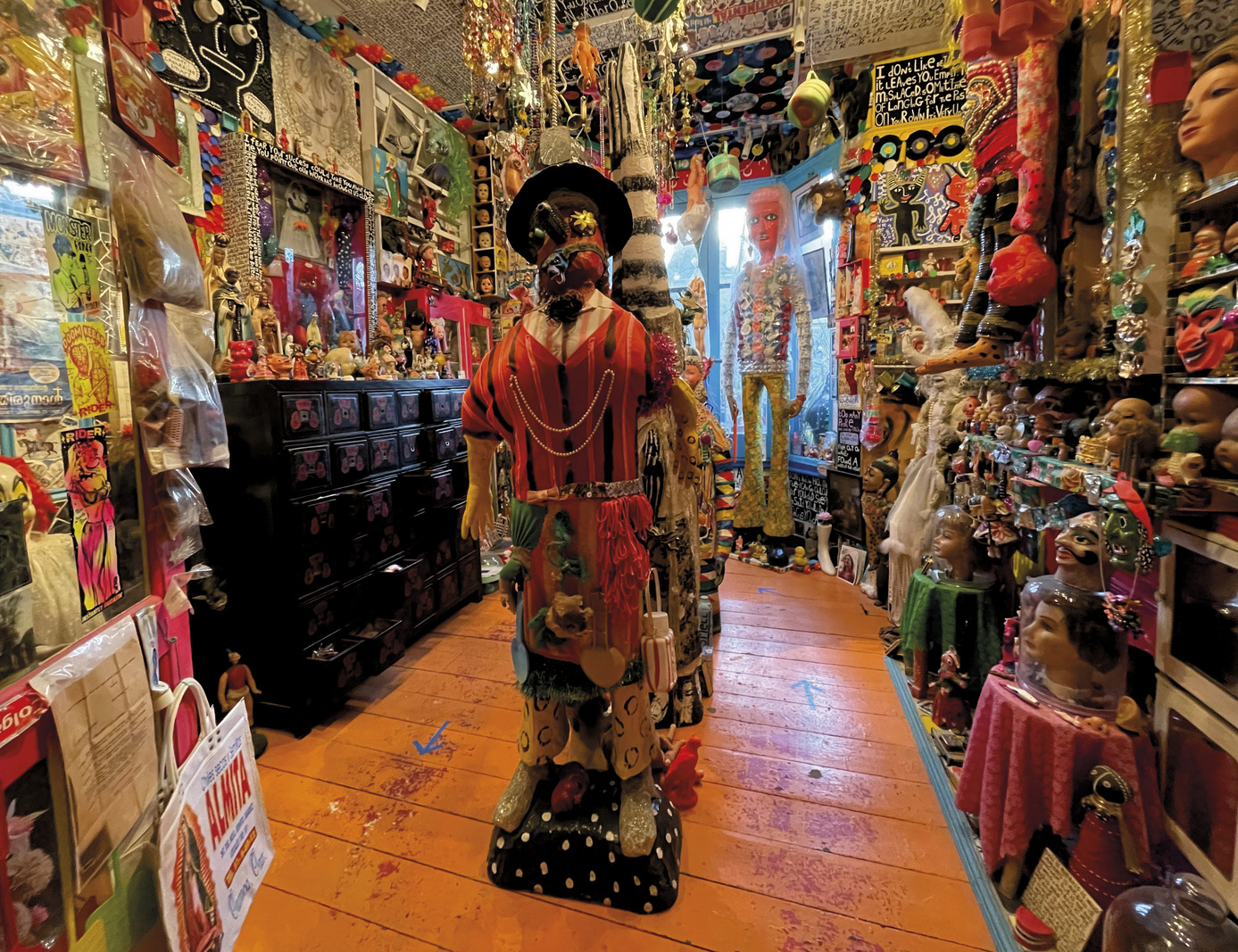
House of Dreams, London
Stephen Wright has transformed his home in Dulwich, London, into a living museum of his life and art. Every surface is alive with stitched, glued and assembled objects — a total immersion in a mosaic of the made, the found and the imagined. Since 1998, he has opened his house and garden to the public, often welcoming visitors in person.
Stepping inside feels like entering a poem: words and images, the flat and the three-dimensional, the strange and the familiar collide in a world that is as overwhelming as it is moving. It is difficult to leave untouched by the sheer force of Stephen’s inner world made visible.
A trained artist, Stephen also draws deeply on the aesthetics and processes of outsider art, embracing the impulse to adorn, transform and make a space entirely one’s own. More than an artwork, the house is an act of rebellion against established aesthetic norms — a declaration of identity and belonging, and a powerful testament to art’s ability to transform not just a space, but the very idea of home.
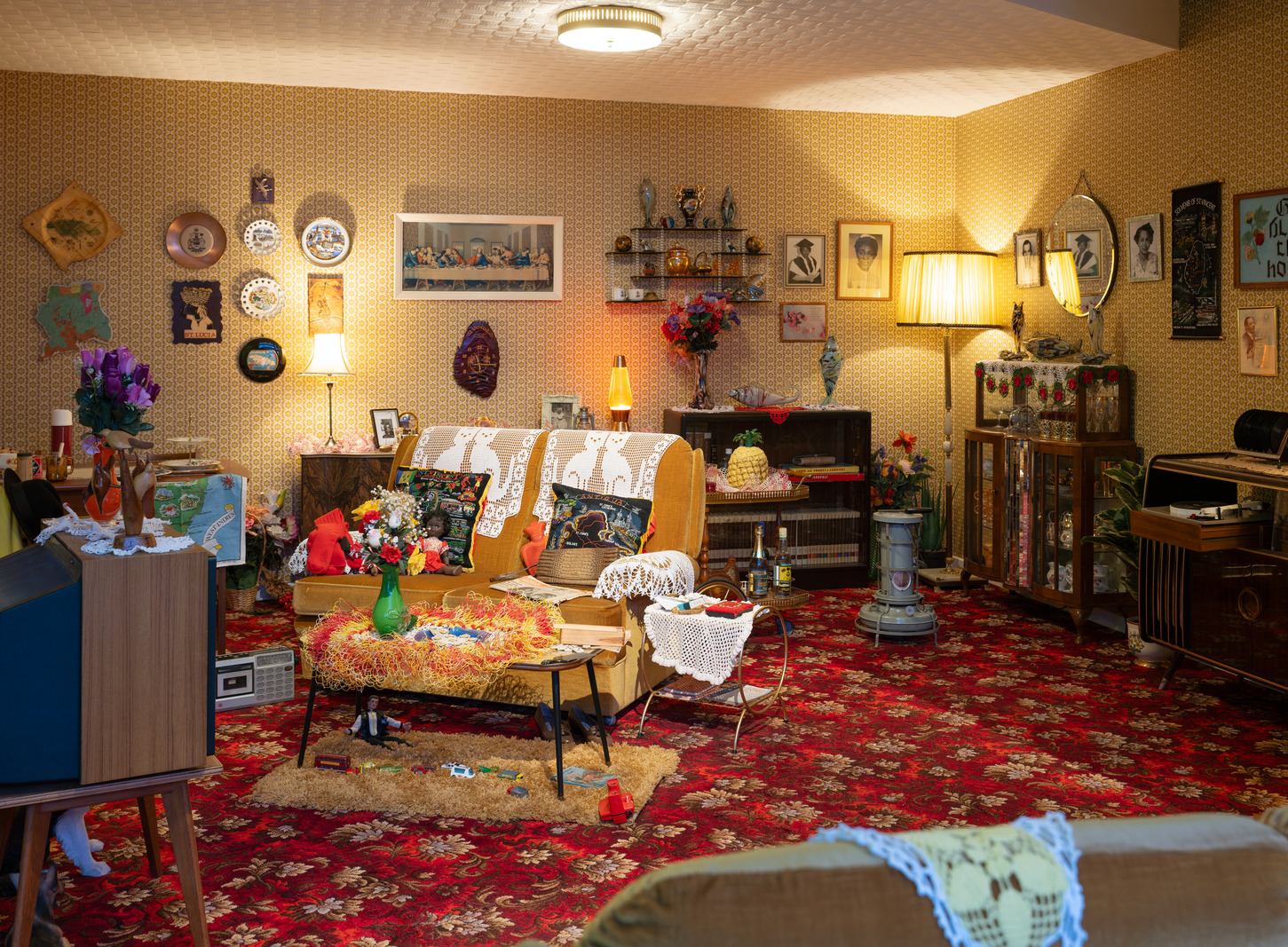
Rooms Through Time 1878-2049, Museum of the Home, London
Museum of the Home is the only museum in the world dedicated to exploring home in its broadest sense — home as an emotional, psychological, political and socio-economic space as well as a built environment.
It’s located in 18th-century almshouse buildings and champions the practice of created roomsets — imagined homes and spaces that explore personal and universal themes.
In 2024 it launched its Rooms Through Time galleries — seven new rooms, seven new stories of home and seven different models of co-curation with communities, artists and academics. Each room is based on an amalgamation of lived experiences and archival evidence to get as close as possible to a shared idea or memory.
For example, A Front Room in 1979 has been created by the artist Michael McMillan through memories from his own childhood growing up in Dalston, but he taps into wider experiences — of the family politics around the use of the ‘front room’; the home as a sanctuary from racism on the streets; the role of migration; the wider economies that enable people to make and keep a home.
Every object placed in one of the museum’s roomsets holds personal memories and is a gateway to wider, sometimes global issues.
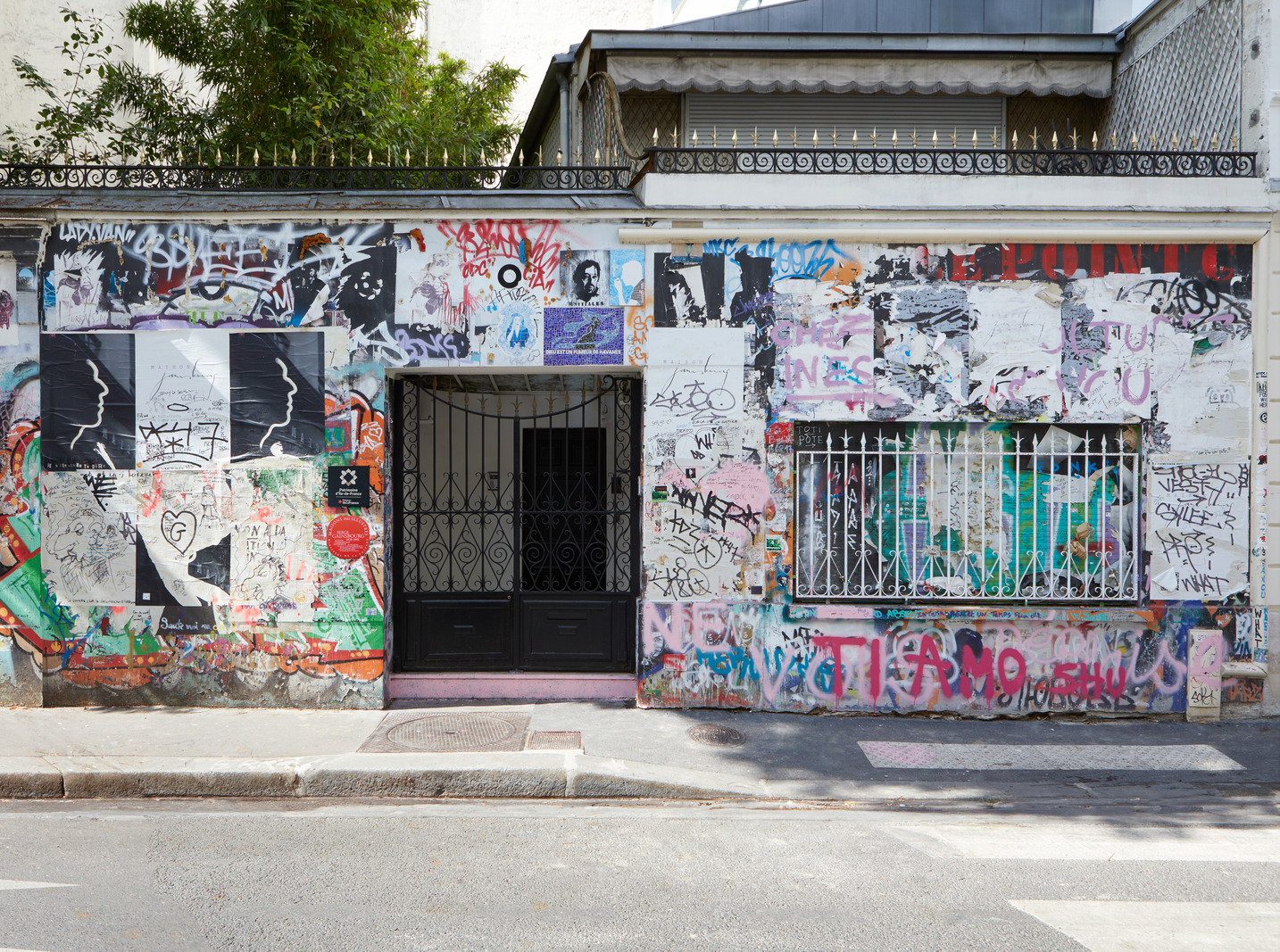
Maison Gainsbourg, Paris
At 5 bis rue de Verneuil, in the heart of Paris, Serge Gainsbourg’s home offers an intimate portrait of one of France’s most iconic singer-songwriters — told through the memories of his daughter, Charlotte Gainsbourg.
Opened to the public in 2023, Maison Gainsbourg can be experienced only through a pre-booked, 30-minute visit, accompanied by a bespoke soundtrack delivered through geolocated headphones. Moving through the dimly lit rooms, Charlotte’s candid, tender reflections draw you into the private world behind the public persona. The experience is quiet, immersive and unexpectedly moving — less a conventional museum than an act of remembrance.
For 32 years after Serge’s death, the house and its contents remained untouched. Preserving it was never simply a matter of opening an archive; it meant confronting grief, memory and negotiating both a deeply personal space and a place of public pilgrimage. Charlotte has spoken openly about the emotional weight of this process and you feel that tension on a visit —privileged to be there and somewhere between a guest and an interloper.
Maison Gainsbourg is about far more than a legendary musician. It is about the places that shape us, the intimacy and complexity of father-daughter relationships, and the ways we navigate loss. Ultimately, it is a meditation on what we leave behind: the traces of a life, the things we cannot bear to move, and the extraordinary capacity of a home to hold someone’s presence long after they are gone.
Photography credits: Detail from No.45 Rochdale, Beamish Museum, County Durham, UK, Courtesy of Beamish Museum; Wong family children’s room, 1970s. Tenement Museum, New York, USA, Photo: Ryan Lahiff, Courtesy of The Tenement Museum; The Dylan Thomas Birthplace, Photo: Sonia Scolari; The Baldizzi Family Kitchen, Tenement Museum, New York, USA, Photo: Ryan Lahiff, Courtesy of the Tenement Museum; The Front Room, House of Dreams Museum, London, UK, Photo: Michael Vaughan; A Front Room in 1979, Museum of the Home, Courtesy of Jaron James and Museum of the Home, London UK; Facade of 5 bis rue de Verneuil © Alexis Raimbault for Maison Gainsbourg, 2023